
11 Baby Names American Courts Have Banned and What Experts Predict Will Trend in 2026
Picture yourself in a hospital room, cradling your newborn child. You’ve spent months dreaming up the perfect name. Something bold. Something memorable. Something that will set your child apart from every other kid on the playground. But before you fill out that birth certificate, you might want to check if your chosen name could land you in legal trouble.
Most Americans assume they can name their children whatever they please. And for the most part, they’re right. Want to name your daughter American Pie Jones? Go for it. Dreaming of calling your son Rocket or Audio Science? No problem. American parents enjoy a level of creative freedom that would make parents in New Zealand, Japan, Denmark, and Italy green with envy. Those countries either ban certain names outright or require parents to select from pre-approved lists.
Yet even in the land of the free, limits exist. Courts have drawn lines in the sand. And certain names have been declared off-limits across the country.
Names That Will Get Your Birth Certificate Rejected
- King
- Queen
- Jesus Christ
- III
- Santa Claus
- Majesty
- Adolf Hitler
- Nutella
- Messiah
- @
- 1069
According to USbirthcertificates.com, eleven names have been ruled illegal by courts throughout America. Some of these bans make immediate sense. Others might leave you scratching your head.
King and Queen top the list of forbidden names. Majesty joins them. Courts have decided that bestowing royal titles upon children crosses a line, perhaps because such names imply a status the child hasn’t earned or could create confusion in official documents.
Religious names have also faced scrutiny. Jesus Christ and Messiah have both been banned, with courts wrestling over whether naming a child after divine figures constitutes an inappropriate claim or could cause social harm to the child.
Santa Claus made the banned list, too. Imagine going through life with that name on your driver’s license, your tax returns, your job applications. Courts likely considered the lifetime of complications such a name would create.
Adolf Hitler sits on the list for obvious reasons. Naming a child after one of history’s most notorious figures has been deemed harmful to the child’s welfare and offensive to society.
Nutella, the beloved chocolate hazelnut spread, cannot be used as a baby name in America. A French court first rejected this name, and American courts have followed suit, determining that naming a child after a commercial product could cause ridicule and hardship.
III appears on the banned list because numerals face restrictions in most states. Courts want names to consist of letters, not numbers that could confuse record-keeping systems.
@ and 1069 round out the list. Special characters and numeric sequences don’t belong on birth certificates, according to American courts.
State Lines Create a Patchwork of Rules
Baby naming laws vary wildly depending on where you give birth. What flies in one state might get rejected in another.
California and New Jersey have banned obscene names outright. If a name contains profanity or sexual references, officials in these states will refuse to process the birth certificate.
Hawaii and Alaska have carved out exceptions for indigenous communities. Special symbols used in traditional Kānaka ‘Ōiwi and Inupiaq names are permitted in these states, honoring cultural heritage while maintaining practical record-keeping.
North Carolina allows tildes in names, so María and Señorita are acceptable. Cross the border into Virginia, and those same tildes become forbidden characters.
Character limits add another layer of complexity. New York caps first and middle names at 30 characters each, while surnames cannot exceed 40 characters. Texas allows up to 100 characters for first and middle names. Massachusetts limits each part of a name to 40 characters. Arizona takes a different approach, setting a total cap of 141 characters for the entire name.
Surname Surprises Awaiting New Parents
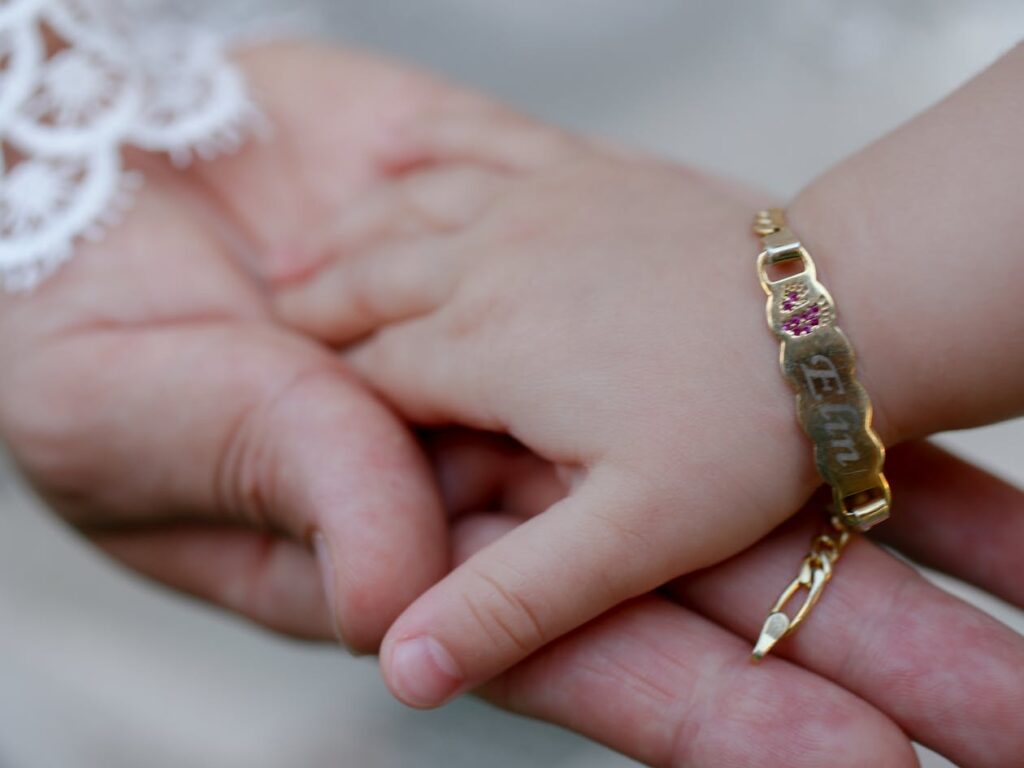
Some states have taken matters into their own hands when it comes to last names.
Mississippi babies receive their father’s surname by default. Parents who want a different arrangement must file a specific request.
Louisiana has a different default. Babies born to unmarried mothers receive the mother’s surname, unless she marries within 300 days of the birth.
Florida takes perhaps the most dramatic approach of all. When parents fail to sign a document agreeing on their baby’s name, the court steps in and chooses a name for the child. Imagine a judge deciding what your baby will be called for the rest of their life.
One State Where Anything Goes
Parents who want maximum naming freedom should consider Illinois. Unlike every other state, Illinois has no naming regulations whatsoever. Numbers, special characters, symbols… all are fair game in the Land of Lincoln.
South Carolina offers similar freedom, allowing parents to use numbers and symbols in their children’s names.
For parents whose creative visions have been stifled elsewhere, these states offer a haven of possibility.
What Names Will Dominate 2026?
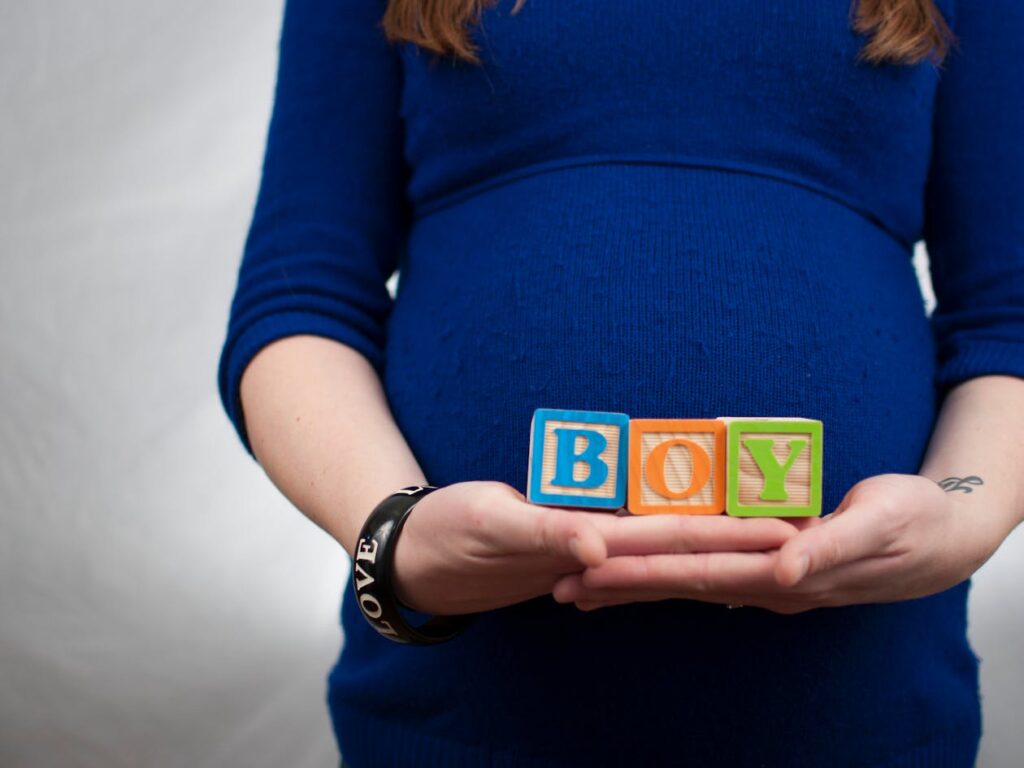
While some parents push boundaries, most seek names that feel fresh without crossing into forbidden territory. And experts have begun predicting which names will define the coming year.
Colleen Slagen knows baby names better than most. She worked as a nurse practitioner until 2022, when she quit to pursue her passion for naming full-time. Now she advises families through consultations, shares her expertise on TikTok, and has published a book called “Naming Bebe” to guide overwhelmed parents through the selection process.
Her prediction for 2026? Short names will reign supreme. Four-letter names feel effortlessly cool and resist being shortened into unwanted nicknames.
“I have worked with so many families who have accidentally started this trend with their children and then continued it for the whole set!” Slagen told People magazine.
For girls, she sees names like Indi, Gwen, Lana, and Alba gaining momentum. Boys’ names following this pattern include Luca, Rome, Elio, Dean, and Bode. Parents who stumble upon this formula with their first child often continue it with subsequent children, creating a cohesive sibling set.
Millennials Are Raiding the Boys’ Name Drawer
Another trend Slagen has identified speaks directly to millennial parents and their formative pop culture memories.
“Us millennials have never forgotten Kate Hudson’s iconic role as Andi Anderson in How to Lose a Guy in 10 Days. So much so that it’s influencing our baby naming. Parents are using names for their daughters that are traditionally used for boys,” Slagen explained to People.
She calls these “Andi Anderson names,” paying tribute to the character whose nickname defied gender expectations. Millennial parents who grew up watching Hudson’s romantic comedy have internalized the appeal of girls with traditionally masculine names. They’re now passing that sensibility on to their own daughters.
Expert Advice for Choosing Wisely
Baby name consultants have emerged as a profession precisely because the decision carries so much weight. A name follows a person through every job interview, every introduction, every form they fill out for the rest of their life.
Experts recommend several strategies for anxious parents. First, identify your naming style. Do you lean classic or modern? Traditional or trendy? Knowing your aesthetic helps narrow an overwhelming field of options.
Second, test potential names in real-world situations. Say the name out loud. Imagine a teacher calling it during attendance. Picture it on a business card. Write it down and see how it looks.
Third, avoid names that are overly “matchy” with siblings or too unusual for practical purposes. A name should help your child fit in when needed while still reflecting their individuality.
Fourth, steer clear of names that feel too cutesy. What sounds adorable for a baby might embarrass a teenager or undermine a professional adult.
Finally, commit with confidence. Second-guessing yourself after the birth certificate is filed only creates anxiety.
When Regret Sets In
Sometimes, despite careful consideration, parents realize they’ve made a mistake. Perhaps the name that sounded perfect during pregnancy doesn’t suit the child they’ve come to know. Perhaps they’ve grown tired of correcting pronunciation or spelling. Perhaps they simply changed their minds. Slagen offers reassurance to parents in this position.
“Baby name regret is a lot more common than you think. Going through with a name change isn’t the right choice for everyone, but it also shouldn’t be this pearl-clutching phenomenon. It’s absolutely OK to change it, own it and move forward,” she told TODAY.com.
Legal name changes are available throughout America. While the process requires paperwork and court approval, parents shouldn’t feel trapped by a decision that no longer feels right.
Naming Your Child in a Land of Freedom and Limits

American parents occupy a sweet spot in the global naming game. Unlike parents in countries with strict naming regulations, they can let their creativity flow. Unlike parents in jurisdictions with no oversight, they have guardrails preventing the most harmful choices.
Whether you’re drawn to short, snappy four-letter names, gender-bending options inspired by early 2000s rom-coms, or something entirely your own, America offers room to express yourself. Just avoid those eleven banned names, check your state’s specific rules, and remember that changing course remains an option if your first choice doesn’t stick.
Your child’s name is a gift you give them on day one. Make it count. But don’t stress too much. Even if you get it wrong, you can always make it right.