

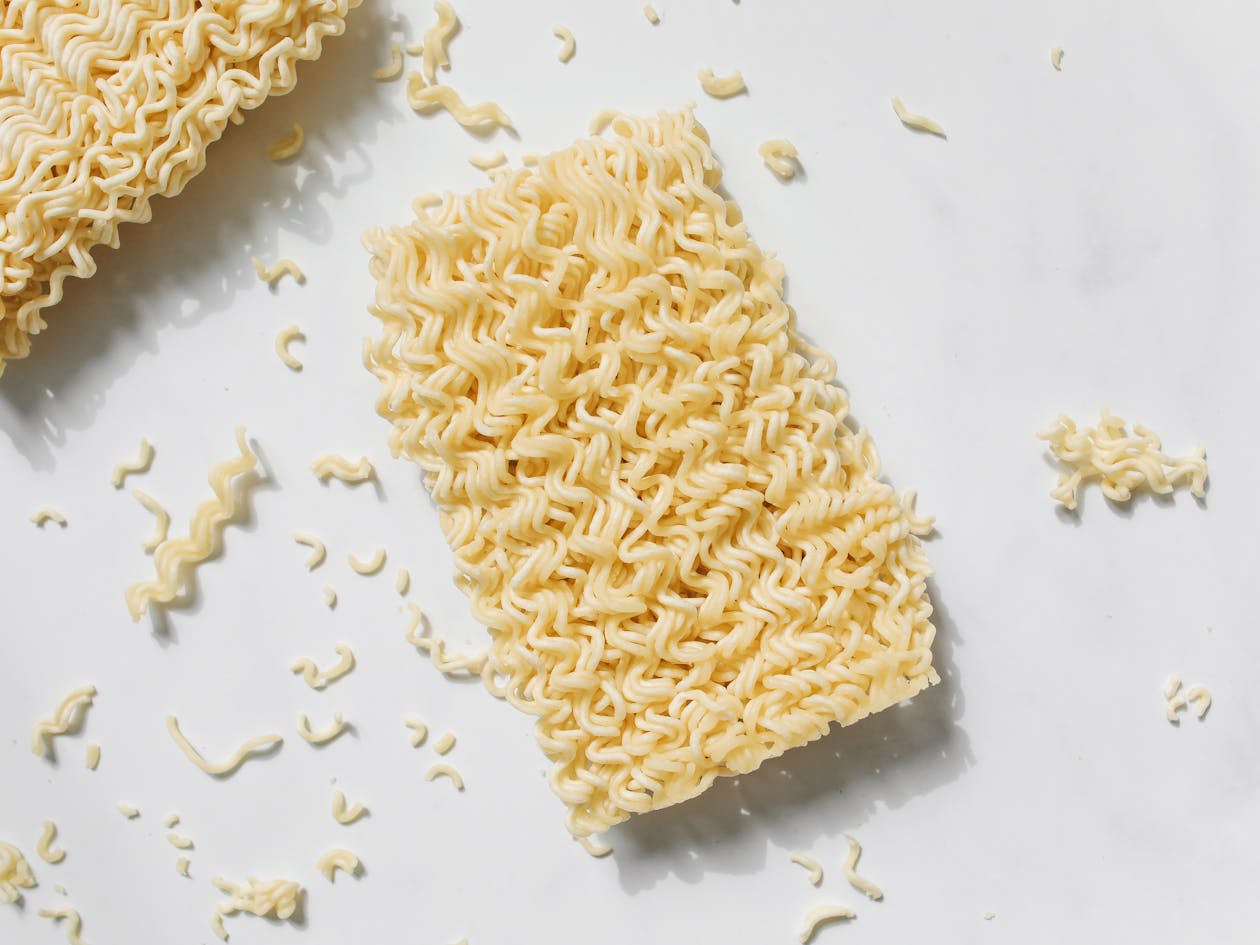
13-Year-Old’s Death Linked to Viral “Eat Ramen Raw” Challenge Sparks Health Warnings
It started like any other afternoon. A boy in Cairo, Egypt, grabbed a snack. Something quick. Something easy. Something millions of kids around the world eat every single day.
Thirty minutes later, he was fighting for his life. And here is where I need you to pause. Before you scroll. Before you assume you know where I am going with all of this. Because what happened to that 13-year-old boy should shake every parent, every teenager, and every person who has ever watched a viral video and thought, “What’s the harm?”
I am about to tell you a story about noodles. But really, I am telling you a story about us. About what we watch. What we share. What we let into our homes without a second thought.
What Happened in Cair
El-Marg is a district in Cairo where life moves fast, and budgets run tight. Instant noodles are a staple here, just like they are in dorm rooms, apartments, and kitchens across the globe. Cheap. Easy. Familiar.
On an ordinary day, a 13-year-old boy opened three packets of instant noodles. But he did not boil water. He did not wait for them to cook. He ate them dry. Raw. Straight from the packaging. Within half an hour, his body turned against him.
Severe stomach pain hit first. Sweating followed. Vomiting came next. His family watched in horror as their son deteriorated before their eyes. And then, before anyone could fully understand what was happening, he was gone.
Police arrived at his residence to find no visible injuries. No signs of foul play. Just a young boy who had been alive that morning and was now lying lifeless in his home. What could have gone so wrong?
Why He Did It

Here is where the story takes a turn that should trouble all of us.
You see, eating raw instant noodles is not some random act of teenage rebellion. It is a trend. A viral one. Videos under the hashtag “Eat Ramen Raw” have racked up millions of views on social media platforms. Young people film themselves crunching through dry noodle bricks, sometimes sprinkling the seasoning packets on top like some kind of forbidden snack.
Why do they do it? Because they saw someone else do it first. Because it looks fun. Because the internet told them it was safe.
And here is the logic that spreads through comment sections like wildfire. Instant noodles are technically pre-cooked during manufacturing. So eating them raw should be fine, right? After all, you are not really eating something uncooked. You are just skipping the hot water. Except that logic is dangerously, fatally wrong.
I want you to sit with that for a moment. A child is dead because a trend told him something was harmless. Because an algorithm served up a video. Because entertainment became education in the worst possible way.
We live in an age where information travels faster than wisdom. And sometimes, that gap between the two costs a life.
What Killed Him
After the news broke, Egyptian authorities launched an investigation. Police detained the shopkeeper who sold the noodles to the boy. Suspicions ran high. Was the product contaminated? Had the packaging been tampered with? Were safety standards ignored somewhere along the supply chain?
Samples of the noodles were sent for laboratory testing. An autopsy was ordered to determine exactly what had failed inside that young body. And here is what they found. Nothing wrong with the noodles. No poison. No bacteria. No contamination. No storage issues. No manufacturing defects.
Results confirmed that the product met standard safety specifications. Authorities cleared the shopkeeper. Everyone who handled those noodles before they reached the boy had done their job correctly. So what killed him?
Medical examiners concluded that the boy likely suffered an acute bowel emergency. Eating three packets of dry noodles at once had caused a digestive obstruction. His intestines could not process that much uncooked material. His body, overwhelmed and blocked, simply shut down.
Let me say that again. A healthy 13-year-old boy died because he ate too many raw noodles in one sitting. Not because someone poisoned him. Not because a company failed. Because he followed a trend without understanding what it would do to his body.
Why Raw Noodles Are Dangerous
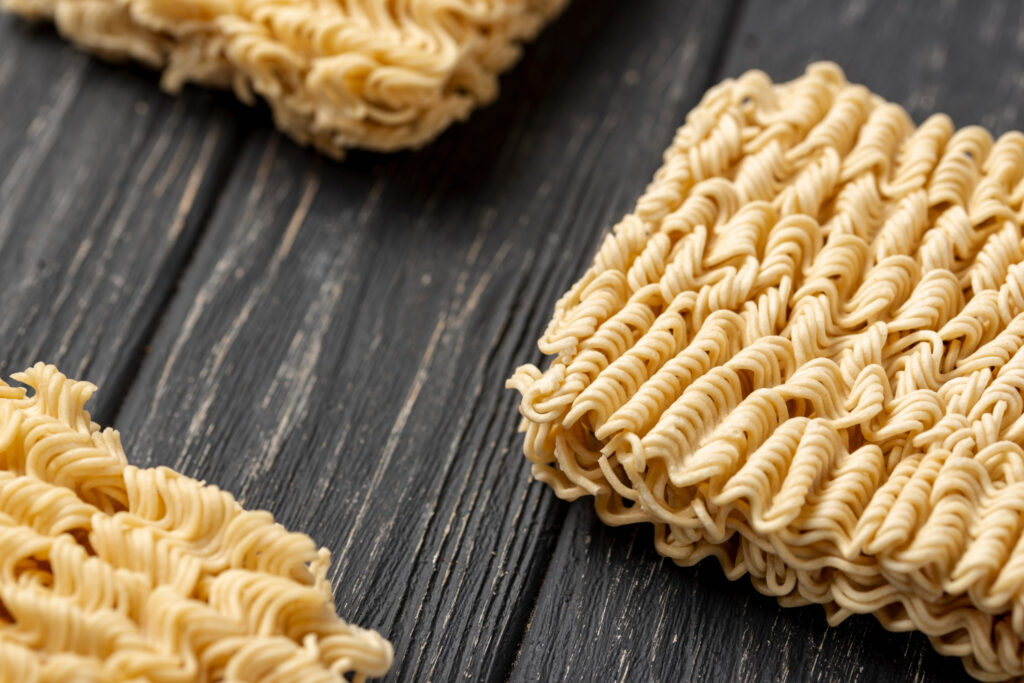
I know what some of you are thinking. You have eaten raw ramen before. Maybe as a kid. Maybe last week. You crunched through a dry noodle brick, and nothing happened.
And you are right. For most people, a few bites of raw noodles will not cause immediate harm. But here is what you need to understand.
Dr. Ruchi Gupta, speaking to Pune Pulse, put it plainly. “Instant noodles are processed to be consumed after cooking. Eating them raw in large quantities can put serious strain on the digestive system.” Read that again. Processed to be consumed after cooking.
Manufacturers design these products with the expectation that you will add water and heat. When you skip those steps, you are asking your digestive system to do work it was never meant to do. Raw noodles expand. Inside your stomach. Inside your intestines. And when you eat three packets at once, that expansion has nowhere to go.
Blockages form. Severe dehydration sets in. Your body, unable to move material through, starts to fail.
Now imagine a 13-year-old who does not know any of that. Who just watched a video. He just wanted to try something he saw online.
Egypt’s Relationship with Instant Noodles

Across Egypt, instant noodles sold under the Indomie brand have become a cultural fixture. Low cost and fast preparation make them a go-to meal for young people, students, and families watching their budgets.
But health concerns have circulated for years. Questions about MSG, preservatives, and long-term consumption pop up regularly in public discourse.
Egypt’s National Nutrition Institute has weighed in on tragedies like this one before. According to reports, officials have stressed that no scientific evidence proves that instant noodles directly cause death. Instead, they point to misuse, poor storage, or specific circumstances as contributing factors. And maybe that framing is accurate. Maybe the noodles themselves are not the villain here. But I would argue something else is.
We have normalized reckless consumption. We have turned food into content. We have allowed trends to override common sense. And when something goes wrong, we look for someone to blame instead of asking how we got here in the first place.
Other Recent Food-Related Deaths
What happened in Cairo is not an isolated incident. Around the world, preventable food-related deaths keep making headlines.
In Brussels, Belgium, a 20-year-old man named AJ ate a bowl of reheated pasta in tomato sauce. Nothing unusual about that, except the pasta had been left at room temperature for several days before he warmed it up. Within hours, AJ experienced headaches, stomach pain, and vomiting. He fell asleep around midnight. His parents found him lifeless in his bed the next morning.
An autopsy revealed he had died from food poisoning caused by Bacillus cereus, a bacterium that thrived in the improperly stored pasta.
Earlier this year, two people died after eating toxic guacamole at a food festival. Botulism was the culprit. Two more people in Italy died after consuming contaminated sandwiches from a food truck near Diamante. Tamara D’Acunto, 45, and Luigi Di Sarno, 52, both passed away after eating paninis made with turnip greens from the same vendor.
Since the last CDC update on September 25, seven new illnesses were reported, along with two additional deaths. Twenty-seven people across 18 states have been infected. Six deaths have been confirmed. One pregnancy-associated illness resulted in fetal loss.
Food is supposed to nourish us. Sustain us. Bring us together. Instead, carelessness, contamination, and viral trends are turning meals into minefields.
A Warning to Parents and Young People
I am not here to lecture you. I am here to wake you up.
Because somewhere right now, a kid is scrolling through social media. A video pops up. Someone is eating raw noodles. Laughing. Getting likes. Looking cool.
And that kid thinks, “I want to try that.”
No warning label. No disclaimer. No adult in the room is explaining that what looks harmless might not be.
So let me be that voice for a moment.
Not every trend deserves your participation. Not every viral moment is worth your health. Not every challenge is a challenge you should accept.
Talk to your children. Ask them what they are watching. Ask them what trends are making the rounds at school. Do not assume they know better. Do not assume the internet will teach them safety. Because it will not.
Manufacturers print cooking instructions on packaging for a reason. Follow them. Encourage the young people in your life to follow them too.
And the next time you see a video of someone doing something risky with food, ask yourself a simple question.
Is this worth dying for?
Because for one 13-year-old boy in Cairo, the answer was no. He just did not know it until it was too late.
We cannot bring him back. But we can make sure his story matters. We can make sure his death was not in vain.
Share this article. Start a conversation. Be the reason someone thinks twice before following a trend without understanding the consequences.
Our children deserve better than entertainment that can kill them.
And we owe it to them to say so.