

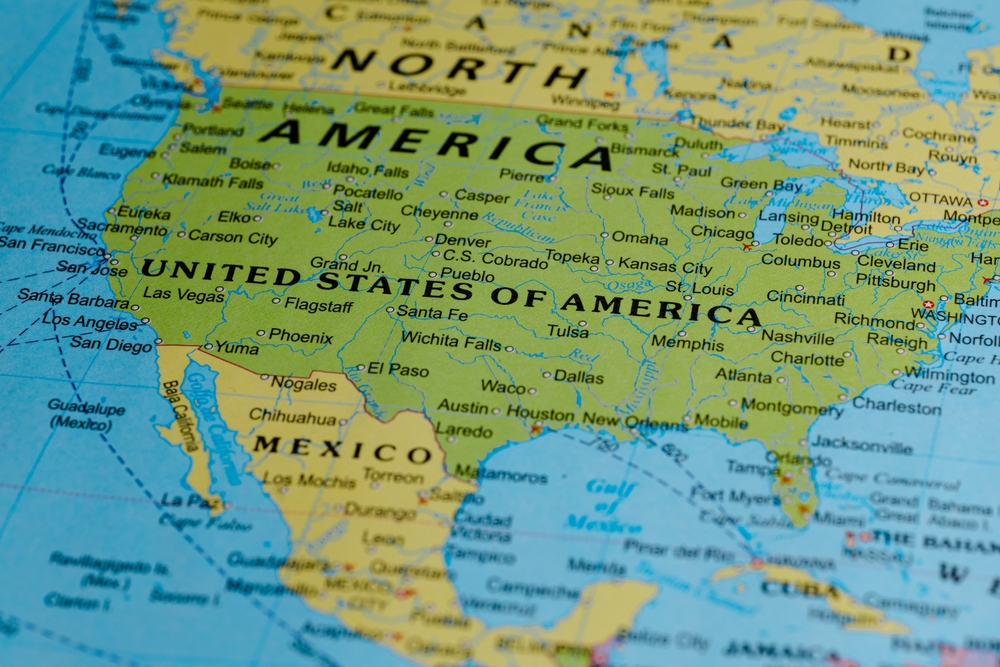
15 American Cities Military Experts Say Would Face Early Nuclear Strikes
Most Americans go about their lives without thinking about nuclear war. It feels like a relic of Cold War paranoia, something their grandparents worried about while building backyard bunkers. But recent global events have forced uncomfortable conversations back into living rooms across America.
Iran’s nuclear sites now smolder after US bombing campaigns. Russia and China have voiced their support for Tehran, and both nations possess two of the largest nuclear arsenals on Earth. Tensions over Greenland annexation have frustrated NATO allies. Venezuela’s political chaos has drawn American intervention.
Where does all of this lead? A nuclear historian has studied this question for years. Professor Alex Wellerstein of Stevens Institute of Technology has mapped out which American cities would face destruction first if enemies ever launched missiles toward US soil. Some targets on his list will seem obvious. Others might leave you checking real estate listings in remote corners of Alaska.
How Enemies Would Pick Their Targets
Professor Wellerstein breaks down enemy strategy into two categories. If Russia attacks to disable American retaliation, command centers and ICBM sites would be hit first. Moscow would want to knock out America’s ability to strike back before any counterattack could launch.
But if a rogue actor like North Korea or a terrorist organization gained nuclear capability, their strategy would differ. Symbolic or densely populated areas would become primary targets. Maximum casualties and psychological damage would drive their decisions.
Factors that determine which cities face the greatest risk include population density, distance to military facilities, emergency preparedness, and how easy residents to evacuate.
With that framework in mind, here are the 15 American cities most likely to see mushroom clouds rise over their skylines.
1. Great Falls, Montana and Its Surrounding Missile Silos
The population sits at just 60,422 in Great Falls. You would never expect Putin to care about this quiet Montana city.
Yet Malmstrom Air Force Base lies just miles away. Hundreds of nuclear missile silos spread across the surrounding plains fall under its control. Russia and China fear these silos would launch retaliatory strikes in a world war.
Long distances between population centers, brutal winter weather, and limited roads would make evacuation slow and dangerous. Despite its small size, Great Falls ranks high on enemy target lists.
2. Cheyenne, Wyoming Still Carries Its Cold War Burden
Francis E Warren Air Force Base sits within Cheyenne’s borders, housing a command center for nuclear missile operations. The population here reaches only 65,168.
America built its “nuclear sponge” during Cold War days, scattering missiles across rural western states. Cheyenne became part of that strategy and remains so today.
Surrounding mountains and sparse transportation options would trap residents during any evacuation attempt. People living in this small western city would become collateral damage in minutes.
3. Ogden-Clearfield, Utah Hides a Military Secret
Drive about thirty minutes north of Salt Lake City and you reach Ogden and Clearfield. Combined population hovers around 121,000. Mountain views attract families seeking quiet suburban life.
Hill Air Force Base supports Air Force Nuclear Weapons Center operations from this location. Enemies know it.
Mountainous terrain and limited main roads would cause massive highway jams if residents tried to flee. Experts predicted in 2023 that a nuclear bomb detonated here would cause over 87,000 deaths.
4. Shreveport, Louisiana Sits Six Miles from Doomsday
Barksdale Air Force Base hosts B-52 bombers capable of delivering nuclear strikes anywhere on the planet. About 172,000 people live in Shreveport, just six miles away.
If Iran ever gained nuclear capability, Shreveport would appear on its target list. Destroying those bombers before they could take off would be a strategic priority. Proximity to one of America’s most powerful nuclear airbases makes the risk here extremely high.
5. Honolulu, Hawaii Offers Paradise with No Escape
Americans remember Pearl Harbor. So do America’s enemies. Several major military installations call Honolulu home, including Pearl Harbor and Hickam Air Force Base. Around 350,000 residents pack into the island’s limited space.
Geography creates the real nightmare here. Honolulu sits 2,500 miles from California, surrounded by Pacific Ocean in every direction. Escape from the island during an attack would be nearly impossible. Planes would be grounded. Ships would take days to arrive. Residents would have nowhere to run.
6. Omaha, Nebraska Commands America’s Nuclear Arsenal
Offutt Air Force Base sits just south of Omaha, serving as a top-level command site for nuclear operations. The population reaches around 486,000.
During the Cold War years, Omaha became the nerve center for American nuclear strategy. It still functions in that role today.
Winter weather across Nebraska’s flat plains would make evacuation treacherous. Roads become impassable during storms. Shelter options remain limited for a city of this size.
7. Colorado Springs Defends North American Airspace
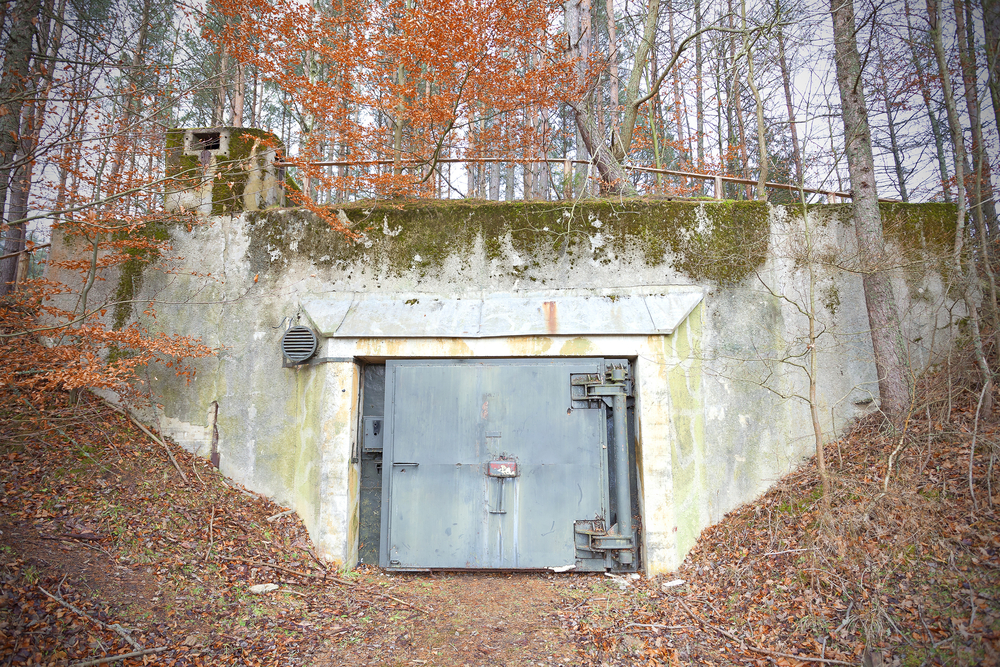
NORAD operates from the foot of the Rocky Mountains in Colorado Springs. Population nears 490,000. Peterson Space Force Base and military satellite operations also call this city home.
NORAD bears responsibility for defending airspace over both America and Canada. Knocking it out would blind North American defenses.
Mountain terrain creates severe evacuation problems. Limited exits funnel traffic into predictable bottlenecks. Civilian shelters remain sparse despite the city’s strategic value.
8. Albuquerque, New Mexico Guards a Massive Stockpile
Kirtland Air Force Base holds one of the largest nuclear weapons stockpiles in America. Albuquerque’s population reaches around 560,000.
Desert sprawl defines this New Mexico city. Infrastructure struggles with sudden mass movements of people, even during planned events. Emergency evacuation would overwhelm every road and highway. Central New Mexico might seem remote from global conflicts. It is not.
9. Seattle Finds Itself Boxed in by Geography
Naval Base Kitsap operates as a major submarine and nuclear weapons base near Seattle. Around 767,000 people call this Washington metro home. Global tech companies and a major seaport add to its strategic value.
Mountains rise to the east. Puget Sound and the Pacific spread to the west. Only a few land routes exist for evacuation. Residents would find themselves trapped by the same geography that makes Seattle so beautiful.
10. San Francisco Cannot Escape Its Own Terrain
Water and mountains box in San Francisco from nearly every direction. The population sits at around 842,000. Major tech companies and port facilities make it globally connected.
Bridges would clog within minutes of any evacuation order. Few alternative routes exist. Getting out of San Francisco on a normal day already tests patience. During a nuclear emergency, escape would become almost impossible.
11. Houston Powers America but Has Nowhere to Run
America’s energy capital holds 2.3 million people. Oil refineries and shipping ports drive the national economy from here. A nuclear power plant sits nearby.
Roads in Houston already rank among the most congested in America on regular days. Hurricane evacuation attempts have proven how quickly the system breaks down. Any enemy wanting to cripple American energy infrastructure would target Houston.
12. Chicago Sits Surrounded by Nuclear Plants

Four nuclear power plants ring Chicago. The population reaches 2.7 million in the city proper, with 9.6 million spread across the greater metro area. America’s third-largest city functions as a national transportation hub.
Lake Michigan blocks eastern escape routes. Dense urban sprawl slows movement in every other direction. Aging roadways would fail under evacuation pressure. Economic importance and sheer population size make Chicago a high-value target.
13. Los Angeles Cannot Move Its Millions
Hollywood makes Los Angeles famous. Defense industry sites, major ports, and tech companies make it strategically valuable. Population tops 3.7 million.
Freeways are jammed during rush hour. During a full-scale emergency, evacuation would become nearly impossible. Too many people, too few roads, too little time. America’s second-largest metro would face catastrophic losses in any nuclear strike.
14. Washington, DC Would Be Hit First
Every enemy knows where the White House sits. Congress meets blocks away. Pentagon brass command military operations from across the Potomac.
The population reaches around 684,000. As the seat of government and military command, Washington would be a first-strike priority in any nuclear conflict.
Dense population and security lockdowns would complicate mass evacuation. But everyone in Washington already knows they live in a target.
15. New York City Bears the Ultimate Bullseye
Wall Street powers global finance from Manhattan. The United Nations headquarters hosts world diplomacy. Major media outlets broadcast American culture worldwide. The population reaches 7.9 million.
Russian state television listed New York as a target back in 2019. No one was surprised. A strike here would kill millions, cripple the national economy, and send a message heard around the world. New York remains the most obvious and most devastating target on any enemy’s list.
Americans may prefer not to think about nuclear war. But professors, military planners, and foreign governments think about it constantly. And they have already drawn up their lists.
Preparing for an Uncertain Future
Military planners and historians spend their lives analyzing these dark possibilities so the public does not have to. These fifteen cities represent the backbone of American defense, finance, and infrastructure. Because they hold such value, they also carry the highest risk during global conflict.
National security depends on deterrence and the hope that these maps remain theoretical. Survival in a nuclear age often relies on geography as much as policy. Understanding where these targets sit allows for better emergency planning and a clearer grasp of the stakes involved in modern diplomacy. Awareness remains the first step in staying safe.