

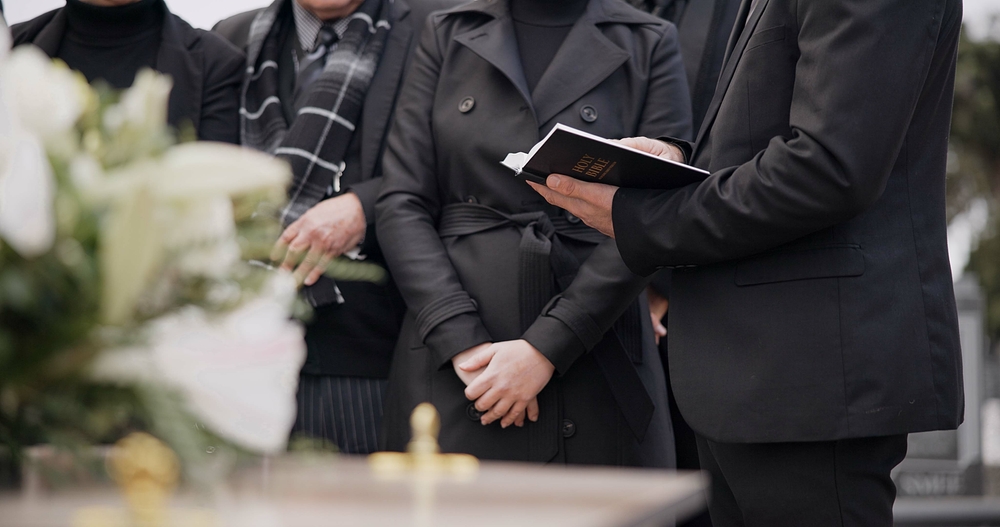
5 Meaningful Things To Hold Onto After Losing Someone You Love
There is a strange moment after a funeral when the noise fades and the real work begins. The casseroles have been picked over, the flowers are starting to wilt, and the house grows quiet in a way that feels almost aggressive. Then you open a drawer. Or a closet. Or the trunk of a car. Suddenly a whole life is sitting in front of you in the form of shirts, papers, receipts, jewelry, half-used bottles, and photographs. In that moment, grief becomes practical. You are no longer just mourning a person. You are deciding what stays and what goes, and that decision can feel heavier than anything else you have faced.
At the same time, we live in a culture that praises clean countertops and minimalist closets. Experts regularly talk about the relief that comes from getting rid of duplicates, outdated paperwork, unused electronics, and all the “what if” clutter that fills our homes. That advice makes sense in ordinary seasons of life. But grief is not ordinary. When someone you love dies, certain objects stop being objects. They become proof. They become comfort. They become the closest thing you have to reaching across a divide that no one knows how to cross. Before you start tossing things into donation piles or trash bags, here are five categories worth slowing down for.

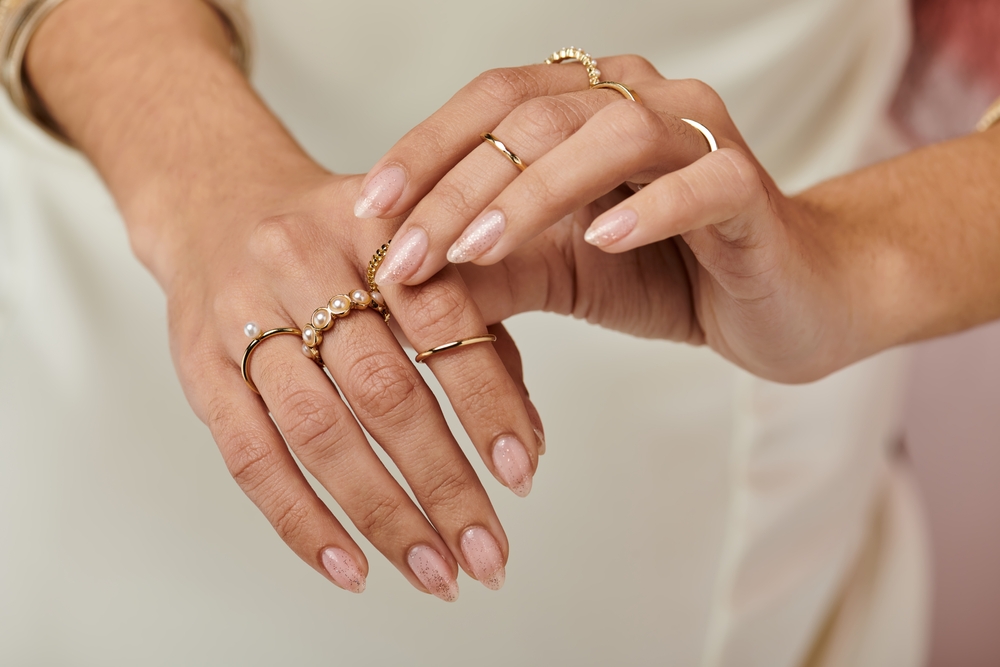
1. A Piece of Jewelry or Something They Wore All the Time
There is usually one item that feels inseparable from the person. It might be a watch with a worn leather strap, a chain they never took off, a baseball cap that still carries the shape of their head, or a cardigan that smells faintly like their laundry detergent. These pieces hold a different kind of weight. They followed your loved one through ordinary days, not just milestones. They were present in grocery stores, at doctor appointments, during long drives and quiet mornings.
Clothing and accessories absorb routine. They crease where elbows bend, fade where the sun hits, and soften with years of wear. When you hold them, you are not just holding fabric or metal. You are holding familiarity. In early grief, that familiarity can steady you in ways that are difficult to explain to anyone who has not experienced it.
That does not mean you need an entire closet preserved exactly as it was. Keeping every shirt and pair of shoes can slowly turn a bedroom into a shrine that feels frozen in time. Instead, choose intentionally. One signature item. One piece that feels unmistakably like them. You might resize a ring so you can wear it. You might place a hat in a memory box. You might turn a favorite shirt into a pillow cover. The point is not to hold onto everything. The point is to keep a thread that you can return to when you need it.
2. Handwritten Notes and Letters
In a world dominated by text messages and emails, handwriting carries a kind of intimacy that is difficult to replicate. A birthday card signed with their familiar scrawl. A sticky note reminding you to pick up milk. A folded letter tucked into a book years ago. These small scraps of paper often become some of the most treasured items after a loss.
Handwriting captures movement and personality. The way someone dots their i’s or presses hard enough to leave an imprint on the next page can feel like a fingerprint. When you miss the sound of their voice, seeing their words in their own script can create a surprising sense of closeness.
If you find yourself overwhelmed by stacks of paper, there are gentle ways to manage them. You can scan or photograph letters before deciding what to keep physically. You can place the originals in a simple folder or box rather than leaving them scattered in drawers. You might even frame a short note and hang it somewhere private. What matters is preserving at least a piece of their written voice. Years from now, those lines of ink may mean more than you can imagine today.

3. Sympathy Cards and Messages You Received
When someone dies, people reach out. The mailbox fills with cards. Phones buzz with long texts and short ones that simply say, thinking of you. In the blur of those first weeks, it is easy to overlook what those messages contain. You are exhausted. You are overwhelmed. You may not even remember who sent what.
Months later, when daily life resumes and the world expects you to function normally again, those same messages can become a quiet source of support. Reading them reminds you that your grief was witnessed. That your loved one touched other lives. That you were not carrying that loss alone.
You do not have to keep every envelope or screenshot every notification. But consider saving the messages that felt especially meaningful. Place the cards in a keepsake box. Create a digital folder for important texts. On anniversaries or difficult days, revisiting those words can bring back a sense of community. They are not just condolences. They are evidence of love that extended beyond your own memory.

4. Family Photographs
Photographs freeze moments that otherwise slip through memory’s fingers. A candid laugh at the kitchen table. A blurry snapshot from a holiday years ago. A formal portrait that once hung in a hallway. These images become anchors, especially as time passes and details begin to blur.
It can be tempting to treat photos like any other paper item and start purging quickly. Decluttering advice often encourages scanning documents and reducing piles, and that approach can work here too. But photographs deserve patience. They are not simply decorative. They are visual records of shared history.
You might decide to create a curated album rather than keeping every loose print. You could digitize older photos to protect them from damage while still preserving the originals that matter most. Sharing copies with siblings or relatives can also ease the pressure of feeling solely responsible for family history. Throwing away photographs is rarely something people regret in the moment. It is often something they regret years later when they wish they could see a face exactly as it was.

5. Memorial Flowers and Small Funeral Keepsakes
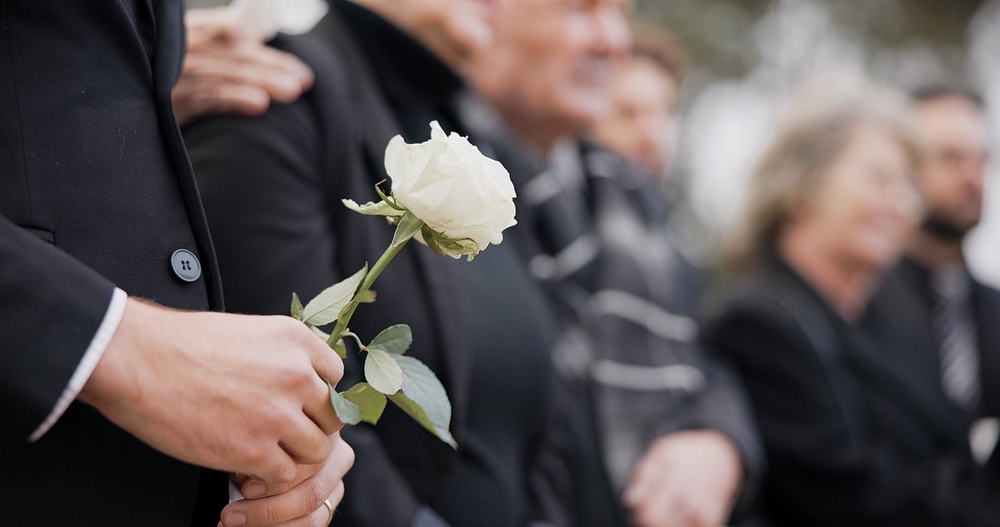
Flowers from a funeral often feel symbolic and temporary at the same time. They arrive vibrant and beautiful, then begin to wilt within days. Because of that, many people discard them quickly, assuming there is no practical reason to hold onto something so fragile.
Yet those arrangements represent a collective expression of love and respect. They filled a room during one of the hardest days of your life. Preserving even a small portion of them can transform something fleeting into something lasting.
You might press a few petals between the pages of a heavy book and later frame them. You could dry small bundles and place them in a memory jar. Some people choose to share arrangements with nursing homes or neighbors so that the beauty continues beyond the service. The act of repurposing rather than discarding can feel quietly healing. It acknowledges that while a life has ended, the love surrounding it does not disappear overnight.
The Line Between Honoring and Holding On Too Tightly
There is another side to this conversation that deserves honesty. Grief can make even the most practical person cling to things that make little sense outside the context of loss. A half-used bottle of cologne. An old receipt with their name printed on it. Random paperwork that has no real sentimental value. In the moment, these items can feel sacred simply because they were once touched by the person you miss.
Psychologists often describe this as an attempt to regulate overwhelming emotion. When everything feels out of control, holding onto tangible objects can create a sense of stability. The problem arises when that coping strategy begins to take over physical space and mental energy. Rooms can start to feel crowded with absence rather than comfort.
There is no universal timeline for letting go. For some, it takes months. For others, years. What matters is asking yourself gentle questions along the way. Am I keeping this because it truly connects me to them, or because I am afraid of what letting it go might mean? If you decide to release something, you can take a photo first. You can sit with it for a moment. You can remind yourself that discarding an object is not the same as discarding a relationship. Love does not live in storage bins.
Preserving Stories Before They Are Lost
One of the hardest realizations after someone dies is how many stories were never written down. You may remember fragments of conversations or half-told childhood tales and wish you had asked more questions when you had the chance. Physical objects help, but they rarely capture the full depth of a person’s experiences, values, and humor.
That is why, if you still have parents, grandparents, or older relatives in your life, it can be meaningful to start preserving their stories now. You might record casual conversations with permission. You might encourage them to write about their childhood or their first job. There are even guided prompt services that compile weekly reflections into printed books, offering a structured way to document memories over time.
Grief often teaches us that time is less predictable than we assume. While we cannot prepare for every loss, we can create small archives of voice and perspective before they are gone. In the end, a handwritten page describing a favorite family tradition may carry more emotional weight than any physical possession ever could.
Making Space Without Erasing Love
Minimalism and memory do not have to be enemies. You can clear out expired toiletries, outdated documents, and broken electronics while still protecting the items that truly matter. The goal is not to turn your home into a museum. It is to create a space where you can breathe while still honoring the person you lost.
You may find comfort in keeping a single box that holds your chosen treasures. A photograph. A letter. A watch. A pressed flower. When you open it, you remember. When you close it, you return to your life. That rhythm can be healthier than surrounding yourself with reminders in every corner.
Grief does not disappear because you reorganize a closet. It changes shape over time. Letting go of certain objects does not mean you loved less. It may simply mean you are learning how to carry that love differently. And sometimes, the bravest step is not throwing everything away or keeping everything forever, but choosing carefully what deserves a place in the life you are still living.