

Why 90s Kids Are Secretly The Most Traumatized Parents
Most parents today limit screen time like it is a strict diet, counting every minute their child spends on a tablet or TV. While people often say this is to protect young eyes or encourage outdoor play, there is a deeper, unspoken reason behind the worry.
The adults raising children today are the same people who grew up trusting that a “G-rating” meant a movie was safe, only to be blindsided by heavy emotional loss in a dark theater.
How Our Childhood Movies Shaped Our Parenting
Look at the cartoons children watch today. In Bluey, the biggest tragedy might be a balloon popping or a game of keepy-uppy coming to an end. It is gentle. It is safe. Now, look back at what the parents of today grew up watching.
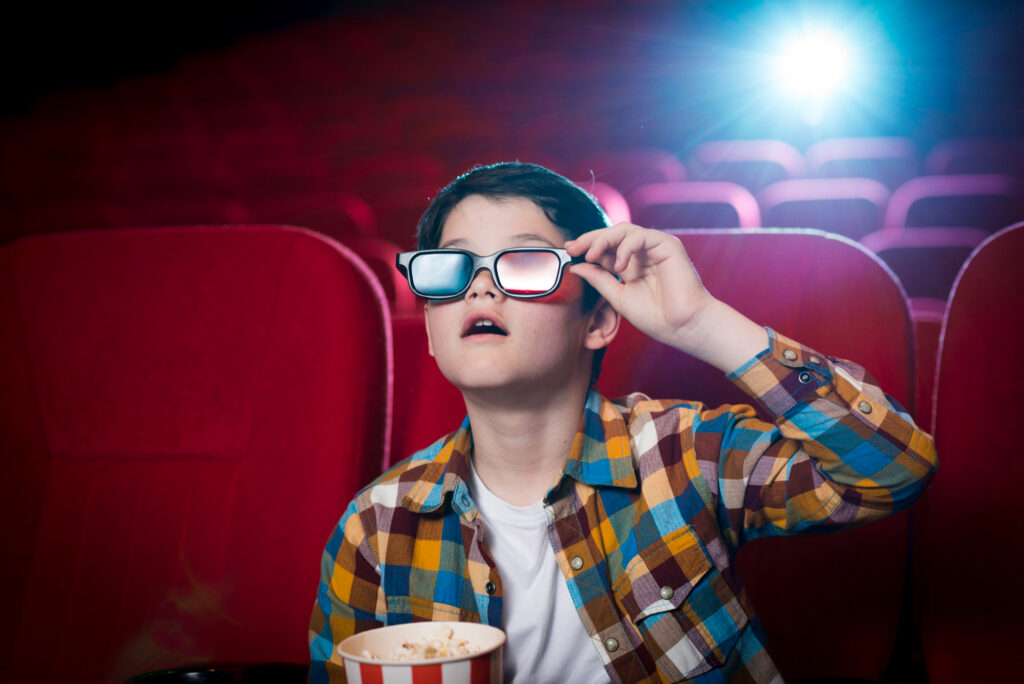
The 90s were a different time. There was no Google to check if a movie was appropriate. There were no online reviews to warn about a sad ending. Parents saw a rating like G or PG and assumed it meant “good for kids.” They pressed play and walked away, trusting the system.
That trust was often misplaced. The Land Before Time was not just a fun dinosaur lesson; it was a story about grief and losing a mother. My Girl showed a young boy dying from bee stings while looking for a mood ring. The Lion King depicted a father’s murder, and Bridge to Terabithia lured children in with fantasy only to leave them sobbing over a sudden tragedy.
These were not safe spaces. They were emotional wrecking balls disguised as family entertainment. This specific history shaped the parents of today. It explains why this generation treats screen time with the same caution used for sugar or dangerous chemicals. It is not just about eye strain or attention spans. It is about the lingering memory of sitting in a dark theater, unprepared and heartbroken, realizing that “General Audiences” did not mean emotionally safe.
The Evolution of Screen Time
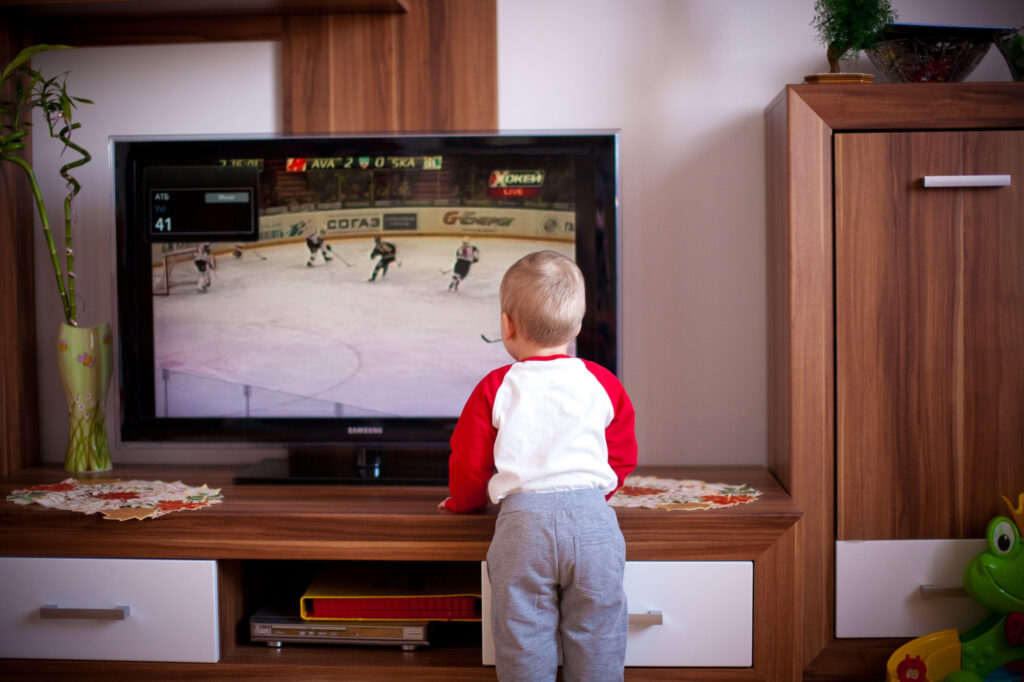
Think back to the living room of the past. There was usually one heavy box in the corner. You watched what was on, or you watched nothing. Access was rare. Today, screens are everywhere. They are in pockets, cars, and classrooms. But while the number of screens has exploded, the content on them has actually softened.
Modern animation operates differently. Shows like Bluey or Encanto are not just entertainment. They are built with emotional intelligence. They act as tools to help children name their feelings and understand their world. They are safer. They are kinder.
Compare this to the experience of a 90s child. When a movie delivered a gut punch, there was rarely a conversation to follow. Parents back then often lacked the tools to unpack the symbolism of a tragedy. They didn’t pause the film to check in. If a child was sobbing because a character died, the response was often awkward silence or a dismissal like, “It is just a cartoon.” The vibe was about moving on, not digging deep. That silence left a mark that today’s parents are determined not to repeat.
The “Compose Yourself” Generation
For a student in the 90s, the sight of the TV cart rolling into the classroom was usually a cause for celebration. It meant a break from textbooks and lectures. However, the movies chosen by teachers were often far heavier than the cartoons watched at home.
It was common for a history class to watch Titanic or a gritty war movie to learn about the past. These films depicted real tragedy, death, and separation. Naturally, young students would react with tears. They were watching people die on screen, even if it was “educational.”
The response from adults back then was often distinctively cold. If a student became visibly upset or started sobbing during the movie, the instruction was rarely comforting. They were told to step outside. They were told to “compose themselves.”
The message received was clear: big emotions are a disruption. Sadness is something to be hidden in the hallway until it is gone.
This specific school experience lingers in the minds of today’s parents. The anxiety around screen time is not just about the content itself; it is about the lack of support that came with it. Parents today limit what their children watch because they refuse to put them in a position where they have to leave the room just to feel something. They want to ensure that if a movie makes their child cry, the response is a hug, not an exile.
No More Going In Blind
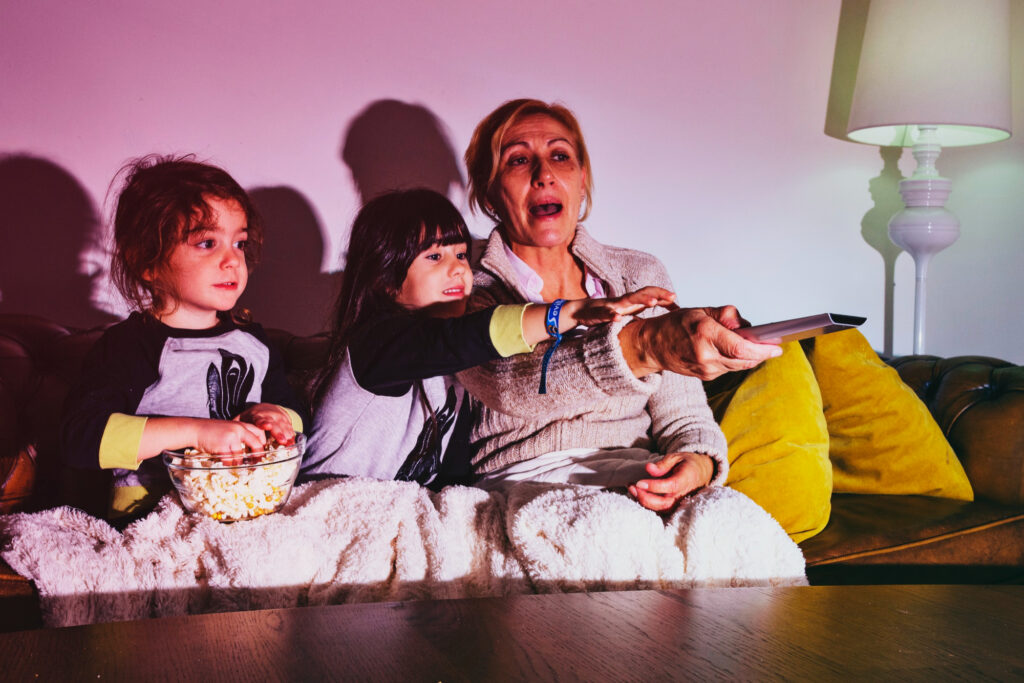
Parenting style has changed in a big way. Years ago, parents often walked into a movie theater blind. They didn’t know the story would end in heartbreak, and they didn’t have a way to find out ahead of time. Today, things are different. Parents don’t just turn on the TV and leave the room. They are present.
Smartphones have changed the game. A quick search tells a parent exactly what happens in a movie before their child sees it. This removes the surprise factor. It allows parents to be ready instead of caught off guard.
This readiness changes how families watch things together. When a sad or scary part comes up, parents today hit pause. They stop the movie to talk. They ask simple questions like, “How are you feeling?” or “Do you understand why that happened?”
This isn’t about shielding kids from reality. It is about facing it with them. It turns a confusing moment into a conversation. Instead of leaving a child alone with big feelings, the parent is right there to help them make sense of it. The screen isn’t just a distraction anymore; it’s a way to start talking.
Revisiting the Past, the Right Way
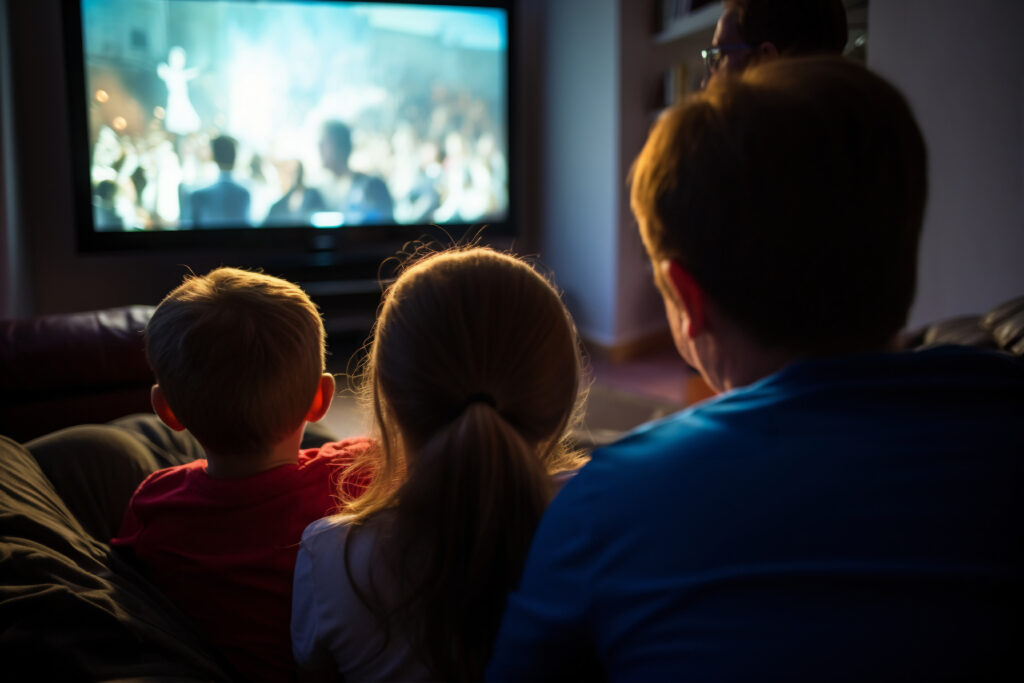
The goal is not to lock these old movies in a vault forever. There is still immense value in the stories that shaped the 90s generation. The Lion King teaches about responsibility and legacy. Charlotte’s Web teaches the hard but necessary lessons of friendship and saying goodbye. These narratives remain powerful.
The difference today lies in the delivery. When the time is right, these films can serve as a training ground for real life. They allow a child to witness loss, fear, or bravery in a safe environment, specifically because they are not watching alone.
This offers a second chance for parents. They get to be the guide they wish they had. When the heavy scene plays, they do not have to sit in awkward silence or make a joke to lighten the mood. They can validate the tears. They can explain that it is okay to feel sad when something sad happens.
This approach changes the lesson entirely. The movie stops being a source of shock and becomes a shared experience. It moves away from the dismissal of “it is just a cartoon” and toward a real conversation about big feelings. The story stays the same, but the safety net is finally there.
Being the Comfort We Needed
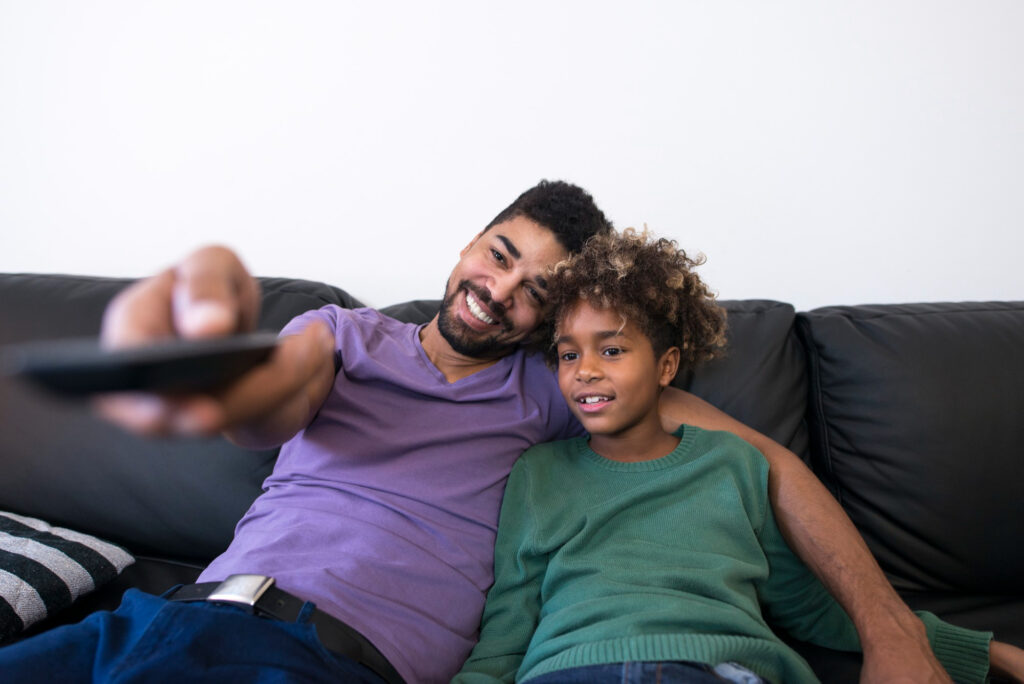
We cannot scrub the world of sadness. We cannot rewrite the scripts of the past to save every fictional character. The boat in Titanic will always sink. The mother in Bambi will always not make it home. Trying to hide these stories forever is not the answer.
The true solution lies in presence. The most effective parental control tool is not a password or a timer. It is a parent sitting on the couch.
When we worry about screen time, we are often worrying about isolation. We are afraid of our children facing big emotions in a void. But that fear changes when we choose to be there.
So, share the stories. Watch the classics. But do it differently this time. Keep the remote within reach. Keep the conversation open. When the music swells and the tears start to fall, do not tell them to step outside. Do not tell them it is fake. Tell them it makes sense to be sad.
This is how we break the cycle. We cannot stop the heartbreak on the screen, but we can ensure no child has to face it alone. Be the comfort you needed when you were their size.