
The Science Showing Vaccines Are Not Linked to Autism
For nearly three decades, the idea that vaccines cause autism has occupied a prominent place in public debates, parental fears, and online misinformation cycles. It is a topic that resurfaces every few years regardless of how much scientific evidence has accumulated. In 2025 the issue flared up again after federal agencies modified the language on their vaccine and autism webpages. The shift led many to believe something new had been discovered, when in fact the science had not changed at all. The evidence remained exactly what it had been for years. Vaccines do not cause autism.
This article examines what the research actually shows, where the misconception originated, how scientists investigate causation, and what we now know about the real factors that contribute to autism. The goal is to provide a detailed look at the decades of data rather than speculation, anecdotes, or outdated claims. Parents deserve clear and precise information, especially when decisions about childhood health are involved.
The story begins with an important fact: autism has biological features that appear before birth. Structural differences in the brain can be detected in the second trimester. Subtle developmental differences can be observed in home videos from infancy, long before children receive the measles, mumps, and rubella vaccine. These findings tell a consistent story. Autism originates during prenatal development. The timing alone rules out vaccines as a cause.
Yet the misunderstanding persists. To understand why, it helps to revisit the origins of the controversy, then examine the large body of scientific work that has resolved the question repeatedly and consistently.
The Wakefield Study and How the Debate Began
The modern vaccine autism controversy traces back to 1998, when a small case series authored by Andrew Wakefield and colleagues was published in the journal The Lancet. The study described twelve children who were said to have developed developmental regression after receiving the measles, mumps, and rubella vaccine. Eight of the children had autism diagnoses. The paper proposed that the MMR vaccine caused intestinal inflammation, which then allegedly allowed harmful proteins to enter the bloodstream and affect the brain.
The issue was not simply that the sample was small. The methods were flawed, the logic was weak, and crucial information was omitted. Later investigations revealed that the data had been misrepresented. Ethical violations were identified. The paper was ultimately retracted by the journal, meaning it is no longer considered part of the scientific record. Wakefield lost his medical license. The findings were rejected by the scientific community.
Despite the retraction, the claim spread quickly. It resonated emotionally with parents who noticed changes in their children around the same time vaccines were administered. Because many autism symptoms emerge between 12 and 24 months of age, the timing naturally overlaps with routine vaccination schedules. For some families the coincidence felt too meaningful to ignore.
Science, however, does not rely on coincidence. It investigates patterns at scale. Once the claim circulated, several research teams around the world launched large studies to examine the hypothesis with proper controls. These studies consistently found no link between vaccines and autism.
Why Timing Alone Does Not Establish Causation

Many children are diagnosed with autism around the same age they receive several vaccines. This overlap led to the common assumption that one event must have triggered the other. But when rates of an event are already high in a population, co-occurrence is expected.
Consider England in the 1990s, when more than 90 percent of children received the MMR vaccine. If autism is typically recognized in the second year of life, then naturally most children diagnosed with autism would also have recently received the MMR vaccine. This pattern says nothing about causation because almost all children received the vaccine.
The appropriate scientific question is whether autism occurs more frequently in vaccinated children than in unvaccinated children. When researchers examined this, the results were clear. There was no increased risk in the vaccinated group.
Large Scale Studies That Disproved the Vaccine Autism Link
Several major studies provide strong evidence on this topic. Among the most frequently cited are:
The Brent Taylor Study (1999)
Researchers examined 498 children with autism in the North Thames region of England. The study compared vaccinated and unvaccinated children and evaluated timing, age at diagnosis, and incidence of autism before and after the introduction of the MMR vaccine. The study found:
- Autism rates were the same in vaccinated and unvaccinated children
- No difference in the age of autism diagnosis between groups
- No clustering of autism symptoms shortly after vaccination
If the vaccine were causing autism, clear differences would have been visible. None were found.
The Madsen Study in Denmark (2002)
This study remains one of the most comprehensive investigations ever performed on the subject. It followed 537,303 children, representing more than two million person years. About 82 percent had received the MMR vaccine. The results showed:
- No difference in autism rates between vaccinated and unvaccinated children
- No association between the timing of vaccination and autism
- No effect related to the age at vaccination or time since vaccination
This large population size provided exceptional statistical power. The findings were later corroborated by additional studies in multiple countries.
Meta Analyses and Global Evidence
When independent research teams across different nations repeatedly reach the same conclusion, the evidence becomes compelling. Meta analyses pooling data from multiple large studies have also confirmed that the MMR vaccine does not increase the risk of autism. The convergence of evidence is strong enough that major medical and scientific organizations consider the question answered.
Why Thimerosal Was Also Ruled Out
In the early 2000s the debate shifted to thimerosal, a preservative used in some vaccines to prevent contamination in multi dose vials. Thimerosal contains ethylmercury, which raised concerns because methylmercury, a different compound found in some fish, can accumulate and cause harm at high levels.
Although ethylmercury clears the body quickly, thimerosal was removed from most childhood vaccines as a precaution. This provided a natural test of the hypothesis. If thimerosal were responsible for autism, rates should have declined after its removal. Rates did not decline.
Autism diagnoses continued to rise, following patterns related to diagnostic changes, broader definitions, improved awareness, and better screening tools. Studies measuring mercury levels in infants found that ethylmercury was excreted rapidly. Research teams worldwide examined autism rates before and after thimerosal removal and found no association.
Thimerosal was eliminated from routine vaccines in the United States by 2001, yet autism diagnoses continued to increase. The evidence did not support the claim.
Theories Involving Aluminum Adjuvants
Another common question involves aluminum, which is used in some vaccines to enhance immune responses. Aluminum is one of the most abundant elements in the environment and is regularly consumed in food, water, breast milk, and infant formula. The quantity in vaccines is small compared to daily dietary exposure.
Extensive reviews have found no causal relationship between aluminum adjuvants and autism. Calls for further research on specific biological pathways are normal in scientific work, but such requests do not imply that existing evidence points toward harm. They simply indicate a desire to study rare or extreme possibilities with more detail.

Why Autism Diagnoses Are Increasing
Although vaccines have been ruled out, autism diagnoses have grown significantly in recent decades. Understanding why helps clarify the confusion. Contributing factors include:
- Broader diagnostic criteria that now include a wider range of symptoms
- Increased awareness among parents, teachers, and healthcare providers
- Greater access to early intervention and developmental screenings
- Improved survival rates for premature infants, who have a higher likelihood of autism
- Higher average parental age, which slightly increases risk
- Better reporting systems and health record accuracy
Autism existed long before modern vaccines. As understanding improved, more cases were recognized.
What Science Shows About Autism Causes
While no single cause explains all cases, research has identified strong factors that contribute to autism risk.
Genetics
Genetics plays a major role. Approximately 15 to 20 percent of cases can be linked to a single genetic variant. Many other cases involve multiple interacting genetic changes. Twin studies offer some of the clearest evidence. Identical twins have far higher concordance rates for autism than fraternal twins. Autism also runs strongly in families.
Prenatal Factors
Several prenatal influences have been associated with increased autism likelihood, including:
- Premature birth or very low birthweight
- Viral infections during pregnancy such as rubella or influenza
- Maternal metabolic disorders such as gestational diabetes
- Some medication exposures
- High levels of air pollution
Importantly, many of these factors occur long before a baby receives any vaccine. This aligns with findings that subtle symptoms of autism are evident in early infancy or even detectable in prenatal brain scans.
Home Video Studies
Investigators have analyzed home videos taken before children received the MMR vaccine. Specialists reviewing the footage could distinguish children who later received autism diagnoses from those who did not. These subtle signs were present months before vaccination, showing that autism symptoms emerge early and are not triggered by vaccines.
Brain Structure Differences
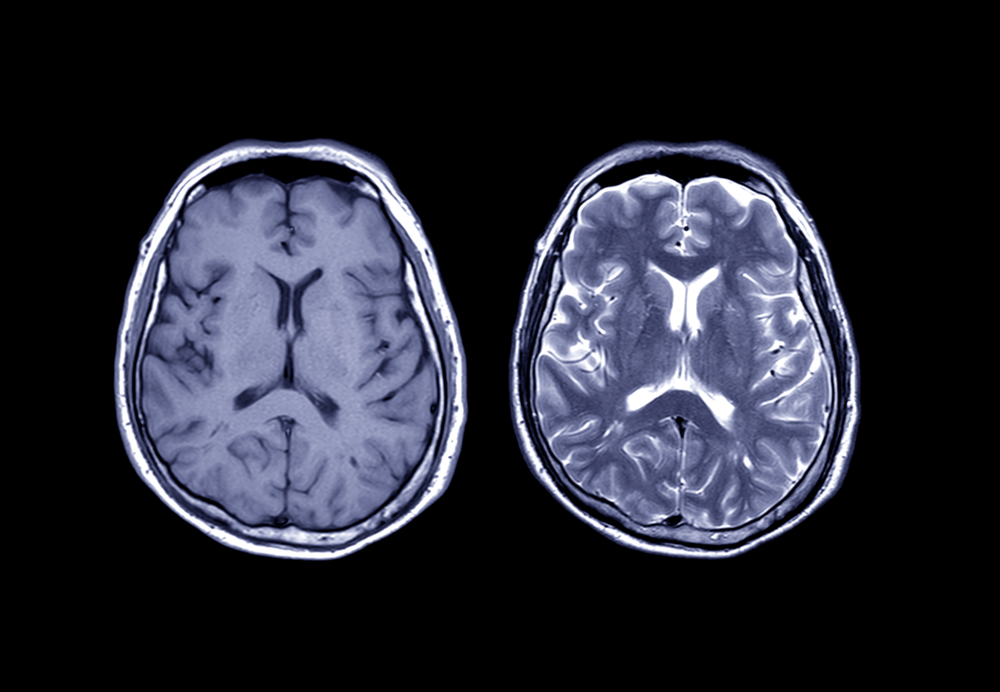
Research examining brain development has found structural differences in some children with autism that originate during the second trimester of pregnancy. These differences cannot be caused by events in postnatal life.
The 2025 Wording Change and the Resulting Confusion
In 2025 the Centers for Disease Control and Prevention updated the language on its autism and vaccine webpage. Rather than stating directly that vaccines do not cause autism, the new wording highlighted that some research questions remain under examination. This emphasis on caution created confusion, and many interpreted the change as an admission that a link existed.
However, the change was not based on new evidence. It reflected policy language rather than scientific revision. Scientists and medical organizations expressed concern that the wording could be misinterpreted and might fuel vaccine hesitancy.
The underlying science remained unchanged. Vaccines do not cause autism according to the best available evidence.
The Consequences of Misinformation
When misinformation spreads, real-world harms follow. Communities with lower vaccination rates face increased risks from highly contagious diseases such as measles. Measles can cause pneumonia, brain inflammation, and in some cases death. Infants who are too young to be vaccinated depend on community immunity for protection.
In recent years measles outbreaks have reappeared in the United States and worldwide. When vaccination rates fall, these outbreaks expand. The issue is not vaccine failure. The issue is reduced coverage.
Understanding the evidence is essential for protecting children and communities.

How to Evaluate Claims in a Complex Information Landscape
With countless online sources making contradictory statements, it helps to apply basic scientific filters when evaluating claims. Ask the following questions:
- Is the study large enough to provide meaningful data?
- Have the results been replicated by independent research groups?
- Were proper controls in place to avoid confounding variables?
- Is there a plausible biological mechanism supported by evidence?
- Do major medical and scientific organizations agree with the findings?
When these standards are applied, the hypothesis that vaccines cause autism fails at every level. The strongest research consistently finds no association.
Why the Issue Feels Personal for Many Families
Parents seeking answers about their child’s development are not acting irrationally. Autism often emerges gradually and sometimes appears to coincide with vaccination appointments. This coincidence creates a powerful narrative, even when the underlying timeline is coincidental rather than causal.
Scientific evidence does not negate parental observations but places them in the correct developmental context. The search for autism causes is ongoing, and progress continues in genetics, prenatal health, and early brain development. But vaccines are not part of the causal picture.
Why Autism Rates Are Increasing
The claim that vaccines cause autism has been examined more thoroughly than almost any other hypothesis in modern medicine. The results are consistent across large population studies, international research efforts, mechanistic investigations, and decades of scientific analysis. Vaccines do not cause autism.
Autism originates early in development and is influenced by genetic factors, prenatal environment, and complex biological processes that begin long before children receive vaccines. Continued scientific research will deepen our understanding, but the vaccine autism link has been conclusively ruled out.
Vaccines remain one of the most effective public health tools available. They protect children from serious diseases and prevent outbreaks that threaten entire communities. Clarity, accurate information, and trust in evidence are essential for navigating complex health decisions. The proof is clear and backed by science. Vaccines do not cause autism.