

Why More People Are Choosing the Single Life as They Get Older
The story of single life has undergone one of the most dramatic cultural shifts of the past few decades. What was once viewed as a temporary phase or a state waiting to be corrected is now being embraced with confidence, clarity and even joy. The narrative has changed because people have changed. Older adults in particular are challenging outdated expectations and redefining what fulfillment looks like in the second half of life.
Across research from the German Centre of Gerontology, insights from publications like Science Direct and the New York Times, as well as lived experiences shared by men and women over 50 and 60, one theme emerges clearly. Singlehood is not merely a fallback option. It is increasingly a purposeful, empowered choice.
This new reality raises important questions. Why does being alone feel more natural and rewarding with age? What shifts within us emotionally, socially and psychologically that make independence not only manageable but deeply enriching? And perhaps most importantly, why do people who choose long term singlehood report higher levels of satisfaction than stereotypes would have us believe?
The reasons are many, and they run deeper than surface level assumptions. This article breaks down the complex forces behind a rising movement that is changing the way society thinks about companionship, aging and personal freedom.
The Changing Landscape Around Singlehood
For generations, companionship was not just encouraged. It was expected. From childhood friendships to long term relationships in adulthood, the message was consistent. Happiness comes from partnership. Being single was acceptable, but only temporarily and certainly not forever.
The stigma tied to singlehood has weakened over time. Scholars Anne Boger and Oliver Huxhold found that satisfaction among single adults increased not only historically but also with age. People over 40 are discovering that independence carries its own rewards and that being single no longer invites the same scrutiny or pity.
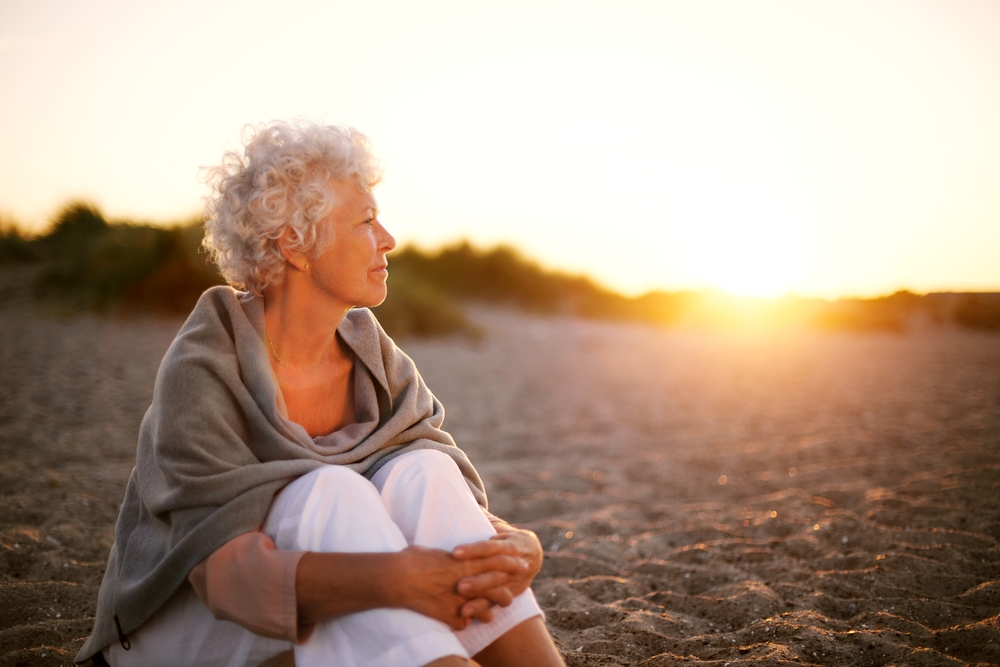
This shift is partly cultural. More adults over 40 have never married and many over 50 have divorced without seeking another relationship. The rise of individualism, stronger social networks and the normalization of diverse lifestyles have created room for people to explore life outside traditional partnership structures.
It is also psychological. As people age, their priorities sharpen. They become less invested in meeting expectations and more interested in building lives that reflect authenticity. For many, this means choosing a peaceful, self directed existence over a relationship that demands compromise or emotional labor they are no longer willing to give.
The Appeal of Authentic Selfhood
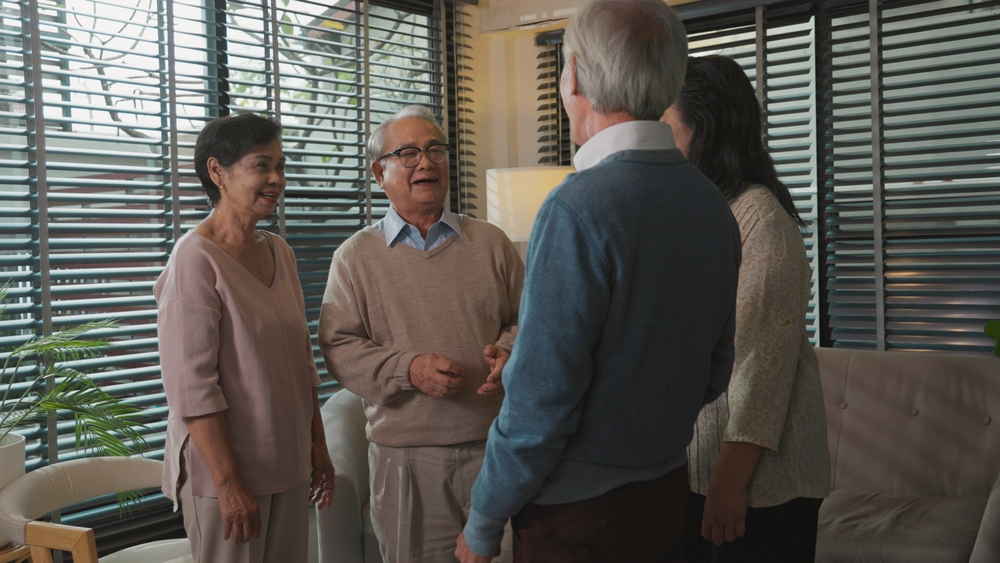
Older single adults develop a deeper connection with themselves. They learn to value solitude not because it isolates them but because it supports clarity and emotional peace.
Older adults have outgrown people pleasing. After decades of bending to social, familial or romantic expectations, they are ready to reclaim their time and energy for themselves. They no longer need external validation to feel worthy. Their sense of identity is internal rather than dependent on a partner.
This shift is powerful. It creates space to explore personal interests, revisit long abandoned dreams and form routines that genuinely nurture well being. Without the push and pull of another person’s needs, they become more attuned to their own rhythms and desires.
Many men over 60 choose single life not out of fear but out of wisdom and peace. They have lived long enough to know what drains them and what sustains them. Their decision to stay single reflects autonomy and clarity, not avoidance.
Authentic selfhood is not selfishness. It is a conscious return to what actually brings meaning, purpose and stability. For people who have spent years performing roles in relationships, the relief of simply being themselves makes single life immensely attractive.
The Desire for Emotional Peace

Relationships, even healthy ones, require compromise, negotiation and emotional labor. For individuals who have experienced conflict, heartbreak or long term caregiving responsibilities, the emotional toll becomes more apparent with age.
Living alone eliminates common sources of daily tension. No disagreements about routines. No compromise over how to spend weekends. No emotional volatility. Just steadiness.
Research from the German Ageing Survey, found that singles often experience lower levels of loneliness than expected, while people in marriages can become lonelier over time due to unmet emotional needs or fears of relationship loss.
For many older adults, the emotional stability that comes with singlehood is invaluable. Without the highs and lows of partnership, they can finally focus on personal well being and long term mental health. The absence of conflict is not merely a relief. It is a rejuvenating force that makes independence appealing.
Time and Energy for What Truly Matters

One of the most liberating aspects of single life is the ability to control time. Partnership often comes with invisible labor. Managing schedules, balancing emotional expectations, household responsibilities and the constant need to align personal choices with another person’s preferences.
This is one of the main reasons older adults feel lighter once they step into singlehood. Their energy is no longer split between self care and partnership duties. They get to choose how they spend their hours.
This newfound energy results in a surge of creativity and personal exploration. Older singles take up hobbies, start passion projects, travel more freely and rediscover interests that had long been pushed aside.
This control over time also extends to relationships. People can invest more deeply in friendships and family bonds. Research shows that single adults often maintain more diverse and committed social networks than their married counterparts. These friendships offer support and enrichment without the emotional weight of romantic partnership.
This approach challenges the idea that love must be romantic to be meaningful. Many older singles report greater fulfillment from friendships than they ever had from romantic relationships.
A New Definition of Intimacy
Older adults are expanding the definition of intimacy. Emotional closeness does not need to come from a romantic partner. Community, friendships and self compassion increasingly serve as powerful forms of emotional connection.
This shift allows individuals to release the pressure of seeking the perfect romantic partner. Instead, they build a network of meaningful relationships that support different aspects of their lives.
This redefinition invites a more holistic view of connection. Someone might rely on friends for companionship, family for support and personal reflection for emotional grounding. This spectrum of intimacy often feels more balanced and sustainable than relying heavily on a single romantic relationship.
Freedom to Live Without Compromise
One of the most attractive aspects of single life is freedom. The absence of compromise extends from daily activities to major life decisions. Older singles can move to new cities, experiment with new lifestyles or redesign their homes entirely based on personal preference.
Many older adults are embracing nontraditional life paths. Some choose nomadic living. Others pursue advanced education or creative ventures. Some explore unconventional relationship structures without expectations for long term commitment.
This level of freedom is especially appealing to individuals who spent decades accommodating someone else. Independence becomes not just a lifestyle preference but a form of empowerment.
The Role of Wisdom and Life Experience
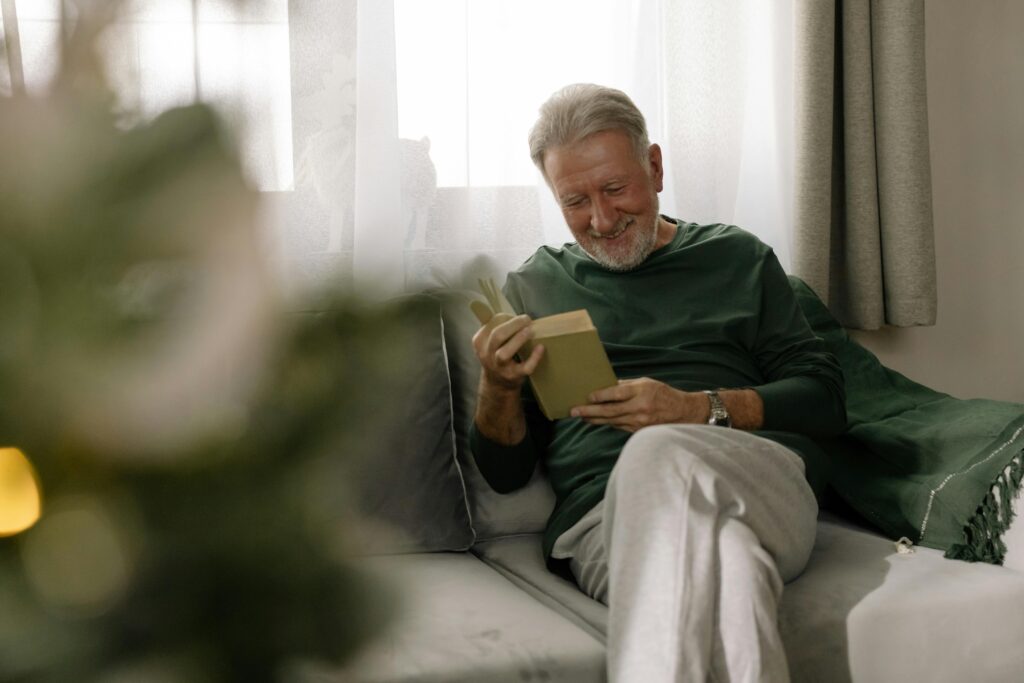
Senior men provide a unique perspective on single life. Many men over 60 have already experienced relationships that required sacrifice, compromise or emotional strain. With age comes clarity about what they want to avoid.
Their choice to remain single often reflects emotional maturity. They understand the value of peace and are no longer swayed by social expectations or pressure to conform. They are comfortable being alone because they have built meaningful lives through hobbies, health and family connections.
Women, too, increasingly prioritize their own well being. After decades of caretaking roles or relationship expectations, many choose singlehood as a way to reclaim autonomy. Their decisions reflect courage and self respect rather than resignation.
The combination of experience and emotional intelligence makes single life feel not only possible but deeply appealing.
Overcoming Stigma and Embracing Confidence
The stigma surrounding singlehood becomes easier to handle with time. Older adults meet more like minded individuals who have made similar choices, reducing feelings of isolation. Confidence grows as people realize that happiness does not require partnership.
As social narratives evolve, so do personal beliefs. Many older adults now view singlehood as a legitimate and empowering life path rather than a failure to achieve societal expectations.
This shift in mindset allows people to live authentically and unapologetically. The decision to remain single becomes an affirmation of personal values, not a rejection of companionship.
The Relief of Knowing There Is No Risk of Betrayal
Past experiences with heartbreak or betrayal can leave lasting emotional scars. Older adults choose singlehood to protect themselves from potential emotional or financial harm.
This choice is not rooted in fear. It is rooted in self preservation and wisdom. Older adults understand the cost of vulnerability and decide to place their trust in themselves rather than risking another painful relationship.
This perspective is not cynical. It is pragmatic. It allows individuals to focus on relationships that feel safe, supportive and rewarding.
Singlehood as a Path to Meaning and Purpose
Older adults often shift their focus from partnership to legacy. They prioritize creating a meaningful life, pursuing passions and leaving an impact rather than seeking approval from a partner.
This shift encourages deeper reflection about what truly matters. Many older singles engage in volunteer work, creative projects, travel or community involvement. Their lives feel expansive and purposeful.
Singlehood becomes not a state of lacking but a resource that allows for significant personal growth.
The New Story of Aging and Independence
The rise of older adults choosing single life reveals a profound cultural and emotional transformation. People are no longer bound by outdated timelines or societal expectations. They are valuing freedom, peace, authenticity and self determination more than ever before.
The research shows that single life often supports better emotional well being, stronger friendships, greater personal growth and deeper self trust. These factors make independence attractive not only as a temporary choice but as a long term lifestyle.
Ultimately, this movement is about more than being alone. It is about living intentionally. It is about acknowledging that companionship takes many forms and that personal happiness does not depend on romantic partnership.
As more people embrace this reality, the narrative around aging and singlehood will continue to evolve. The older generation is rewriting the rules, choosing themselves and proving that a fulfilling life does not have to include a partner. It simply has to feel true.