


Study Finds Heavy Drinkers Slash Alcohol Intake By Nearly 30% After Adding One Surprising Habit
A new study has generated widespread attention after revealing that heavy drinkers who used cannabis with higher THC levels consumed significantly less alcohol in a controlled laboratory setting. The findings captured public interest because they present an unexpected behavioral shift that challenges long standing assumptions about the relationship between cannabis and alcohol use. Researchers from Brown University’s Center for Alcohol and Addiction Studies conducted a detailed examination of how cannabis affects alcohol craving and consumption, and the results suggest that a single change in habit could influence short term drinking patterns among people who regularly engage in both behaviors.
The study involved carefully designed sessions in which participants were invited to smoke cannabis containing different THC concentrations before being given access to alcohol. What researchers observed surprised even those familiar with substance interaction research. Participants who smoked cannabis with a higher THC level drank about 27 percent less alcohol over the next two hours compared to those who smoked a placebo. These findings, while limited to a specific environment and group, offer new insights into how cannabis may influence alcohol related decision making. The research is not intended to position cannabis as a treatment or substitute for alcohol use, but it does highlight a complex and emerging area of study that could shape future conversations around harm reduction and public health.
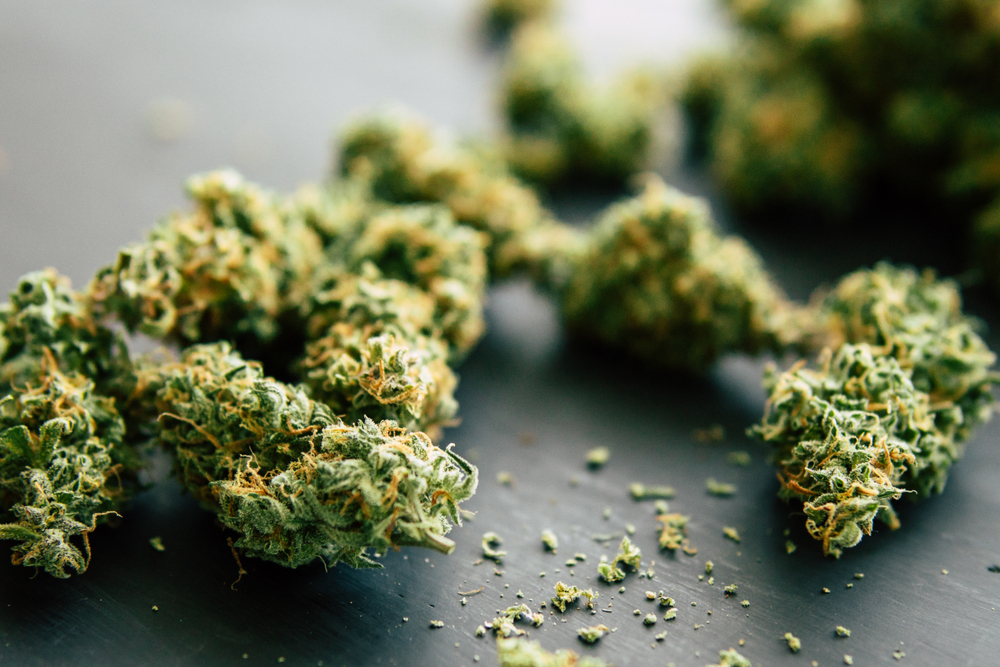
Image Credit: Shutterstock
The Study Behind the Headlines
The Brown University study included 157 adults between the ages of 21 and 44 who reported heavy drinking and regular cannabis use at least bi weekly. The researchers designed the experiment to explore whether cannabis consumption would alter the immediate urge to drink or the amount of alcohol consumed in a controlled setting. Participants attended three two hour laboratory sessions described by researchers as controlled bar lab environments. During each session, they smoked cannabis that contained either 7.2 percent THC, 3.1 percent THC, or a placebo. They were then given the option to drink alcohol or receive a cash payment.
The results were notable because they demonstrated a measurable difference in drinking behavior that followed the cannabis use. According to lead author Jane Metrik, PhD, “After people smoked cannabis, they drank about a quarter less alcohol over the next two hours.” Participants who used the 7.2 percent THC product consumed about 27 percent less alcohol than those who smoked the placebo, and those who used the 3.1 percent THC product consumed about 19 percent less. These findings suggest that THC content may play an influential role in short term alcohol consumption when both substances are available during the same timeframe.
The study also tracked participants reported urge to drink immediately after smoking cannabis. Researchers found that there was a significant decrease in alcohol urge right after cannabis use. However, a different measure of alcohol craving showed no consistent change, and Metrik noted, “This suggests that cannabis may not exert a uniform effect on alcohol motivation, and that other mechanisms may also explain how cannabis impacts subsequent alcohol use.“ This distinction is important because it underscores how complex the interaction between the two substances can be.
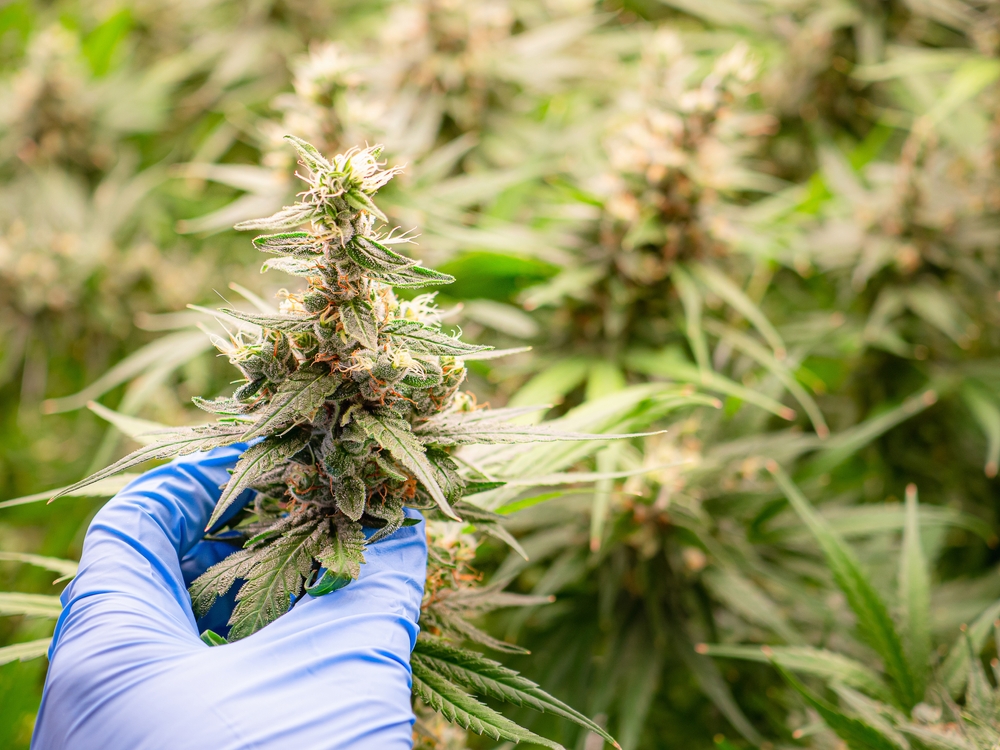
Image Credit: Shutterstock
Understanding Why Cannabis Affected Drinking
One of the most discussed aspects of the study is the potential explanation for why cannabis use appeared to reduce the amount of alcohol consumed during the lab sessions. Researchers believe that the interaction between THC and the brain’s reward systems may temporarily influence the desire to drink. For some individuals, the psychoactive effects of cannabis may offer a similar sense of relaxation or satisfaction that they would normally seek from alcohol consumption. This may help explain why participants who smoked higher THC cannabis consumed less alcohol during the two hour window.
It is also possible that cannabis shifts decision making processes in subtle ways that influence short term behavior. People may feel less inclined to drink when they are already experiencing altered sensory or cognitive effects from cannabis. In addition, the study design allowed participants to choose between drinking and accepting a cash payment, which created an interesting behavioral tradeoff. Researchers observed how cannabis influenced these cost benefit decisions and noted that the results indicate a possible shift in immediate motivation rather than a long term behavioral change.
Outside experts have weighed in as well. Marcel Bonn Miller, PhD, noted that the findings align with market trends where alcohol sales have decreased in areas with broader THC accessibility. However, he cautioned that “we really don’t know if that is true or not from the current research” when it comes to long term substitution or health effects. This uncertainty reflects an important theme in the study. The reduction in alcohol use was observed only in short durations, and far more work is needed before drawing broader conclusions.
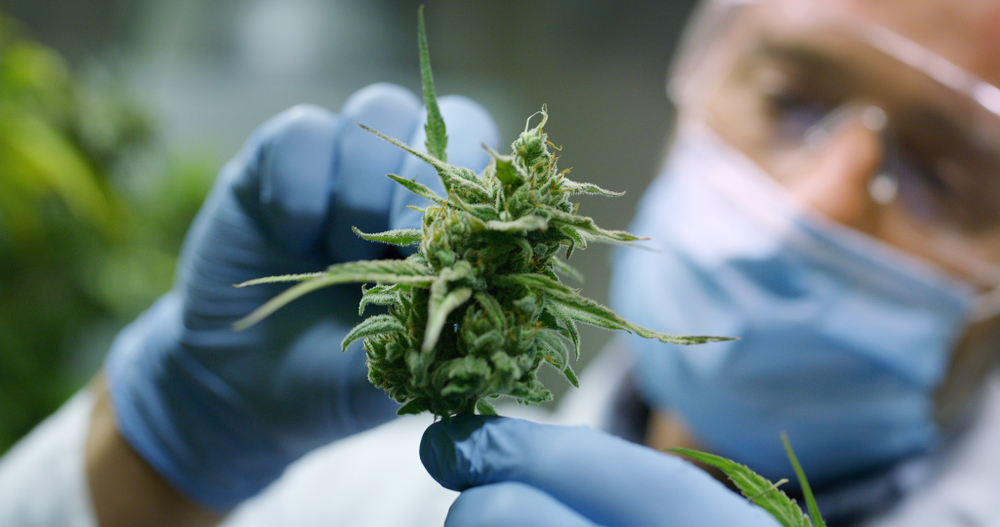
Image Credit: Shutterstock
Limitations and Risks Highlighted by Researchers
The authors of the study were careful to outline its limitations and emphasize that the findings should not be interpreted as a recommendation to use cannabis as a method for reducing alcohol consumption. One of the most significant limitations is the controlled nature of the study environment. Participants were observed during brief two hour sessions in a laboratory setting, which is very different from the social and emotional environments where alcohol use typically occurs. Because real world drinking patterns are influenced by stress, social interaction, and personal habits, the outcomes of a controlled lab environment cannot guarantee similar effects outside the study.
The study also focused exclusively on smoked THC and did not explore the wide range of cannabis products now available. As Metrik explained, “The study tested only one cannabinoid (THC) in smoked cannabis, which means the results may not generalize to the wide range of cannabis products, formulations and other cannabinoids.“ This limitation is important because different cannabis products can have significantly different effects on individuals, and not all are comparable to smoked THC. Additionally, the participants in the study were nearly daily cannabis users, meaning the results may not apply to people who use cannabis occasionally or infrequently.
Researchers further emphasized that cannabis presents its own health risks. Metrik noted that long term safety and efficacy are not established, stating, “We do not have clear evidence of long term safety and efficacy of using cannabis as alcohol treatment. For now, I would not recommend using cannabis to cut down on alcohol use.“ She also encouraged individuals who may already be substituting cannabis for alcohol to closely monitor their usage and consider evidence based treatments for alcohol related concerns. This balanced perspective reinforces that the findings should be approached with curiosity rather than assumption.

Image Credit: Shutterstock
A Cultural Shift in How People View Alcohol and Cannabis
While the study itself did not examine long term societal behavior, it indirectly connects to broader cultural changes that have been unfolding for years. As cannabis becomes legalized in more states and countries, individuals have begun reassessing their habits related to both substances. Younger adults in particular tend to incorporate cannabis into social settings where alcohol traditionally dominated, and many report using cannabis as a way to avoid heavy drinking. These shifts are visible in consumer behavior as well. Alcohol companies have reported noticeable declines in sales in regions with legalized cannabis markets, and wellness focused communities often discuss cannabis as a more manageable alternative, although scientific evidence does not fully support that framing.
This cultural backdrop helps contextualize why the study’s findings have drawn so much public interest. People are increasingly exploring new ways to manage stress, social engagement, and relaxation, and the idea that cannabis may temporarily reduce alcohol consumption resonates with ongoing behavioral trends. However, experts caution that cultural enthusiasm should not outpace scientific understanding. The study did not examine long term outcomes, did not evaluate the risks of combining substances, and did not attempt to determine whether cannabis could replace alcohol safely or effectively in real world settings.
The research therefore adds an important piece to a much larger conversation. It highlights how modern substance use is evolving, how personal habits are influenced by availability and perception, and how individuals may be experimenting with new ways to navigate lifestyle choices. These broader shifts make the study relevant beyond its immediate findings.

Image Credit: Shutterstock
What This Means for Public Health and Individuals
The study opens the door to discussions about harm reduction strategies and how substance interactions might influence treatment approaches. For people who are attempting to reduce their alcohol consumption, the findings may offer a sense of curiosity, but researchers stress that curiosity should not translate into assumption. Short term reductions observed in a controlled lab do not guarantee safer outcomes in real life. Substituting one substance for another can introduce new risks, including the possibility of developing cannabis use disorder or experiencing negative physical or mental health effects.
Public health experts argue that the most helpful takeaway from the study is the reminder that alcohol reduction efforts should be grounded in evidence based methods. These include cognitive behavioral therapy, structured drinking goals, regular monitoring, and professional support. While some individuals may already be using cannabis as a self guided method to cut back, researchers encourage anyone doing so to proceed carefully and remain aware of the potential risks. Metrik emphasized that “our study is a first step, and we need more long term research before drawing conclusions for public health.”
From a harm reduction standpoint, the study provides new insight into how substances may influence one another, and that insight could eventually contribute to broader understanding of addiction treatment. If future research reveals consistent patterns or identifies mechanisms that can be safely replicated, it may lead to more refined interventions. For now, the findings serve primarily as an informative and thought provoking look into how human behavior shifts when different variables are introduced.
Image Credit: Shutterstock
A Small Shift With Big Questions
The discovery that heavy drinkers consumed nearly 30 percent less alcohol after using higher THC cannabis in a controlled setting has sparked widespread conversation. The study presents intriguing data while also emphasizing important cautions. It reflects a growing interest in how cannabis and alcohol intersect, how individuals make choices when both are present, and how evolving cultural attitudes influence behavior. Researchers have been clear that the findings should not be interpreted as a recommendation to use cannabis as a method for reducing alcohol intake, and they stress the importance of long term research before drawing broader conclusions.
Ultimately, the study offers an opportunity for reflection. It encourages individuals to consider the complexity of substance use, the importance of informed decision making, and the value of evidence based approaches when attempting to make healthier choices. While the results spark curiosity, they also highlight the need for careful consideration rather than quick assumptions. The story remains ongoing, and future research will be essential in understanding the long term implications of these early findings.
Featured Image Credit: Shutterstock