


A Teenager’s Blackened Lung Tells the Truth About Vaping
LeeRay King pulls a sealed plastic packet from the hospital bag, and both he and his mother freeze in place. Inside sits a piece of his own lung, brown and shriveled like something pulled from an ancient grave. At seventeen years old, he holds physical evidence of what three years of vaping did to his body, and neither of them can look away.
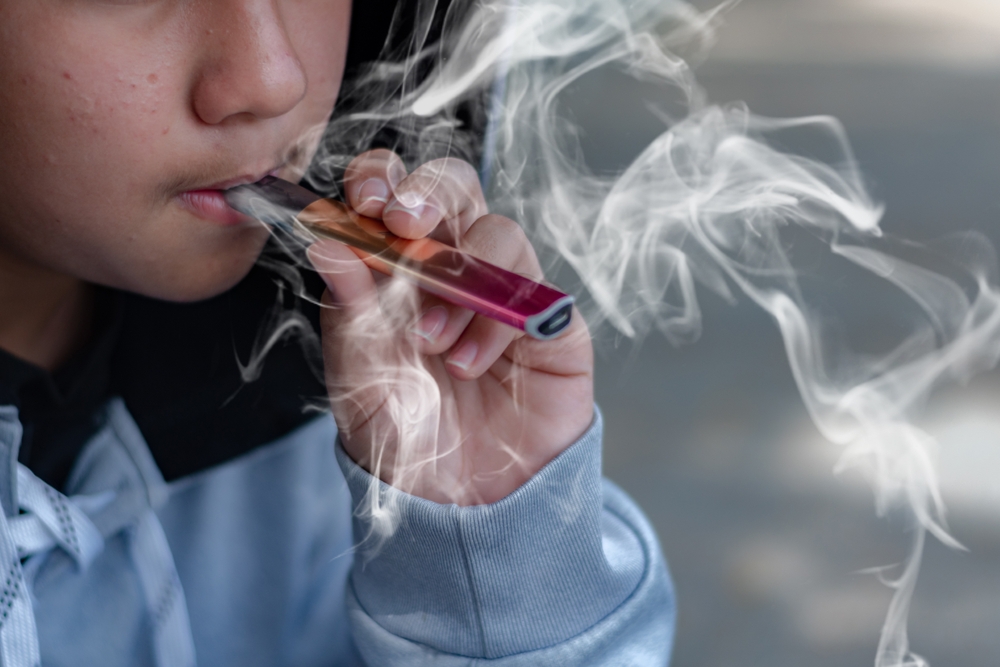
Most teenagers think vaping is harmless fun, a sweet-flavored cloud that makes them look cool in front of friends. LeeRay thought so too when he first tried it at fourteen. Nobody warned him that within months, he would be hiding his addiction from everyone he loved. Nobody told him his lungs would start dying while he was still learning to drive.
Four Disposables a Week, All Day Long
Between ages fourteen and sixteen, LeeRay maintained a ritual that would eventually destroy him. Four disposable vapes disappeared each week through his constant puffing, creating a chemical fog that followed him everywhere. School, home, walking down the street, lying in bed at night, every moment included another hit of vapor flooding his teenage lungs.
Living near Wellington, New Zealand, LeeRay became a different person when his vape supply ran low. Friends noticed the shift in his mood, the irritability that crept in whenever he couldn’t access his next fix. He described the transformation himself, admitting that without a vape nearby, his personality changed completely. Such dependency seems impossible after just a few weeks of experimentation, yet addiction rarely announces itself with warning labels.
Fourteen Years Old and One Week to Addiction
Peer pressure introduced LeeRay to his first vape, and he hated the initial experience. Coughing, dizzy, confused about why anyone would choose this feeling, he almost walked away from vaping forever during that first encounter. Seven days later, everything had changed inside his brain chemistry. His body had learned to crave what it initially rejected, and walking away became impossible.
Young brains respond differently to nicotine than fully developed adult brains, creating dependencies that form faster and grip harder. At fourteen, LeeRay’s prefrontal cortex was still developing, making him particularly vulnerable to addiction’s hooks. “I got kind of peer pressured into vaping. I didn’t like it at first but then got hooked on it within the first week,” LeeRay recalled, capturing how quickly innocence transforms into compulsion.
August 2024 Changed Everything

Pain woke LeeRay in the darkness of an August night, ripping through his left side with an intensity he had never experienced. Breathing became a struggle as pressure built inside his chest, creating panic that sent him reaching for his phone. Hundreds of missed calls and frantic messages lit up his mother Kylee’s phone as dawn approached, each one more desperate than the last.
Kylee drove her son toward the hospital while he collapsed against the passenger seat, tears streaming down his face from pain that felt like knives stabbing between his ribs. Emergency room doctors ran tests, took scans, and delivered news that shattered their world. Pneumothorax, a collapsed lung, air leaking into spaces where it should never exist. LeeRay’s left lung had given up, crushed by the damage his vaping habit had inflicted.
Five Collapsed Lungs in Four Months
Recovery should have begun after that first hospitalization, but LeeRay’s nightmare was just starting. His left lung collapsed again within weeks, then again, then again, creating a pattern that terrified his medical team. Four more collapses followed the initial incident, each one requiring emergency intervention and raising questions about whether his lungs could ever heal.
Kylee watched her teenage son endure repeated hospital stays while doctors scrambled to understand why standard treatments kept failing. Each collapse brought new fears about permanent disability, about whether LeeRay would ever breathe normally again. Medical professionals who had seen countless lung injuries found themselves confronting damage more severe than they expected in someone so young.
Three Surgeries and One Horrifying Discovery
Surgeons attempted a pleurodesis first, creating adhesions between lung tissue and chest wall to prevent fluid accumulation and future collapses. When that procedure failed to hold, they moved to more aggressive intervention. Pleurectomy removed the lining of LeeRay’s chest wall, stripping away damaged tissue in hopes of giving his lung room to heal properly.
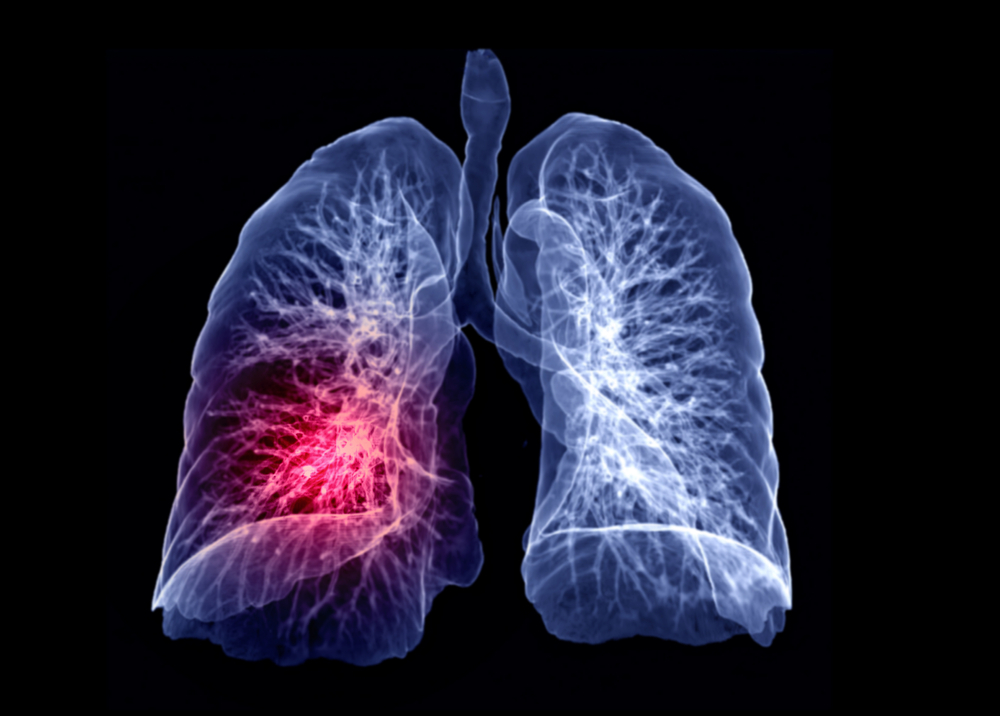
During his third surgery, doctors found something that made them pause. Blackened tissue, damaged beyond repair, sat inside LeeRay’s chest like charcoal left too long on the grill. Surgeons made the decision to remove the destroyed chunks of lung, knowing that leaving such damaged tissue inside could trigger more complications. What they cut away would become a teaching tool more powerful than any anti-vaping lecture.
Brown, Shriveled, and Sealed in Plastic
Hospitals usually dispose of removed tissue without ceremony, but LeeRay’s surgical team recognized an opportunity. When Kylee and her son picked up the sealed bag containing his excised lung tissue, both of them stared in horror at what vaping had created. Brown and shriveled, the tissue looked nothing like healthy pink lung material found in medical textbooks.
“When we picked it up, LeeRay pulled it out and we were both like ‘oh my god,'” Kylee remembered, her voice still carrying the shock of that moment. Holding a piece of her son’s destroyed organ in her hands forced her to confront a truth she had been avoiding. Vapes marketed as smoking cessation tools had nearly killed her teenage boy, filling his lungs with chemicals that his young body could not process or expel.
Plans to bury the tissue under a native tree in their garden gave the family a way to memorialize the experience while literally putting it to rest. Such a burial might seem morbid to outsiders, but for LeeRay and Kylee, planting something living over his dead lung tissue created meaning from trauma.
How Vaping Destroys Young Lungs
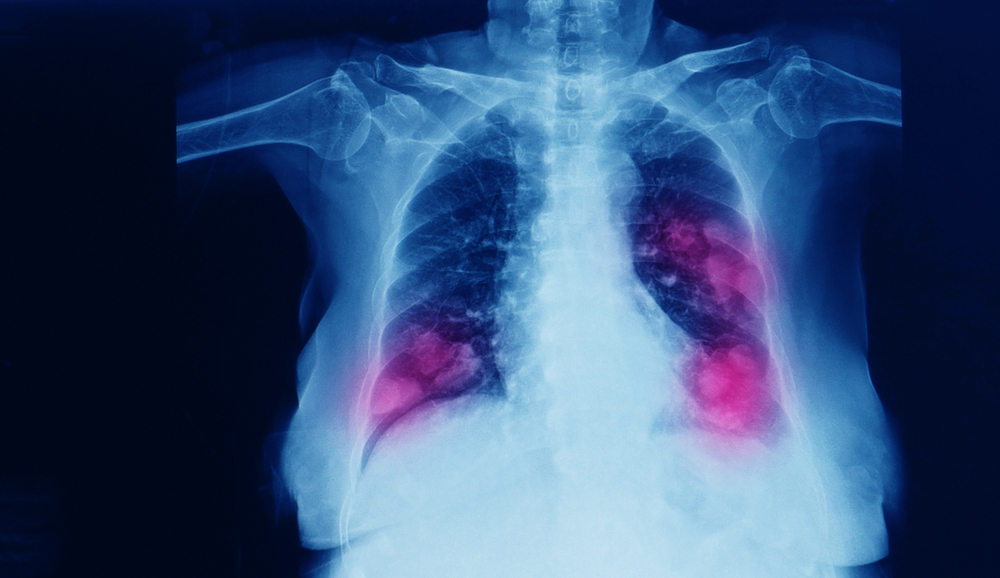
Pneumothorax occurs when air escapes into the pleural space between lung and chest wall, creating pressure that collapses the lung like a deflated balloon. Vaping contributes to this condition by causing air blisters called blebs to form at the tops of lungs, weakened spots that can rupture without warning. Each puff of vapor introduces heated chemicals deep into delicate lung tissue, triggering inflammatory responses that accumulate over time.
Young lungs prove particularly vulnerable because they are still developing throughout the teenage years. Introducing foreign chemicals during this growth period disrupts normal cellular development and creates damage that may never fully heal. Sarah Griffin, a twelve-year-old from Belfast who started vaping at nine, suffered her own lung collapse in 2023 and now lives with permanent lung damage despite her young age.
Dr. Stephen Broderick from Johns Hopkins University School of Medicine explained that vaporized oil elements travel deep into lung tissue, sparking inflammation that healthy lungs cannot easily fight off. Some vapers develop bronchiolitis obliterans, commonly called popcorn lung, where scar tissue builds up in the smallest airways and destroys breathing capacity forever.
When Your Body Screams for Help
Warning signs appeared before LeeRay’s first collapse, but like most teenagers, he dismissed them as temporary discomfort. Shortness of breath during physical activity, occasional chest tightness, a persistent dry cough that never quite went away, all these symptoms whispered warnings that his lungs were failing. Young people often assume their bodies are indestructible, pushing through pain that should send them running to doctors.
Sharp stabbing chest pain that worsens with breathing signals potential lung collapse, as does pain that radiates from chest to shoulder or back. Anyone experiencing these symptoms needs immediate medical evaluation, yet many young vapers hide their habit from parents and therefore hide their symptoms as well. LeeRay concealed his vaping addiction for over a year, meaning his family had no context to understand his emerging health problems.
From Patient to Advocate
Surviving multiple lung collapses and three surgeries transformed LeeRay from victim to advocate. He now visits primary schools near his Wellington home, showing students the shocking photographs of his blackened lung tissue and telling his story without sugar-coating the pain. Young children need to hear these truths before peer pressure pushes them toward their first vape, before addiction has a chance to sink its teeth into developing brains.
“I actually went and talked to one of the primary schools near where I live. I don’t want them going through what I went through,” LeeRay explained, his mission now clear. Speaking to children younger than he was when his addiction began gives him a chance to prevent others from making his mistakes. He describes pain that no young person should endure, emphasizing the physical agony of lung collapses alongside the emotional trauma of watching his mother cry over his hospital bed.
Three Years of Vaping, A Lifetime of Consequences

LeeRay will live with permanent lung damage for the rest of his life, carrying scars both visible and invisible from his teenage addiction. Reduced lung capacity may limit his physical activities going forward, while the psychological impact of nearly dying at seventeen will take years to process fully. Recovery continues, but full healing remains impossible when part of your lung sits buried beneath a tree in your garden.
His vow to never touch a vape again carries weight that only someone who has held their own blackened lung tissue can understand. Walking past vape shops, seeing friends puff on their devices, these moments test his resolve daily. Yet remembering the pain, the surgeries, the fear in his mother’s eyes, these memories keep him away from the colorful disposable devices that nearly killed him.
Your Lungs Deserve Better Than This
LeeRay’s story is not unique anymore, just unusually well documented. Emergency rooms across the world now see teenagers arriving with collapsed lungs, mysterious breathing problems, and damage that doctors struggle to explain until vaping histories emerge. Each case represents years of life potentially lost, dreams deferred, pain that could have been prevented.
Anyone currently vaping faces a choice that LeeRay wishes he had made differently. Put down the device now, before addiction tightens its grip, before lungs begin their slow transformation from healthy pink to damaged brown. Young people considering their first vape should look at the photographs of LeeRay’s excised lung tissue and ask themselves if fitting in with friends is worth risking their ability to breathe.
Parents need to talk with their children about vaping before peer pressure makes those conversations reactive instead of proactive. Kylee never realized the danger until she saw her son gasping for air in the passenger seat, but by then, years of damage had already accumulated. Early conversations, honest discussions about addiction, and clear information about health risks can save lives that might otherwise be lost to ignorance.
LeeRay King vowed he would never touch a vape again, and he means it. His blackened lung tissue proves the stakes are too high for second chances. Young lungs deserve protection, not destruction, and every teenager needs to hear his story before they make choices they cannot undo.