


Psychologists Reveal Common Household Items Linked to High IQ Minds
Homes can reveal an astonishing amount about the people who live in them. The books on their shelves, the puzzles scattered on a coffee table, the plants thriving in corners, and even the controlled chaos of a well lived‑in space all serve as subtle markers of how a mind works. When psychologists discuss what might signal higher cognitive tendencies, they often point toward the kinds of items people choose to keep around them. These everyday possessions form the fingerprints of personality, curiosity, and intellect.
Across various lifestyle and psychology articles, writers have highlighted a collection of objects commonly associated with individuals who possess higher than average IQs. These are not extravagant or elitist symbols. Instead they are ordinary items that represent mental engagement, creativity, and a hunger for learning. They hint at a person’s inner world and the way they process information.
This article explores some of the most frequently mentioned household items believed to appear in high IQ homes. Drawing from reference sources, we expand each category with insight, context, and reflection, giving readers a deeper understanding of why these items matter and what they reveal.

Shelves Filled With Books
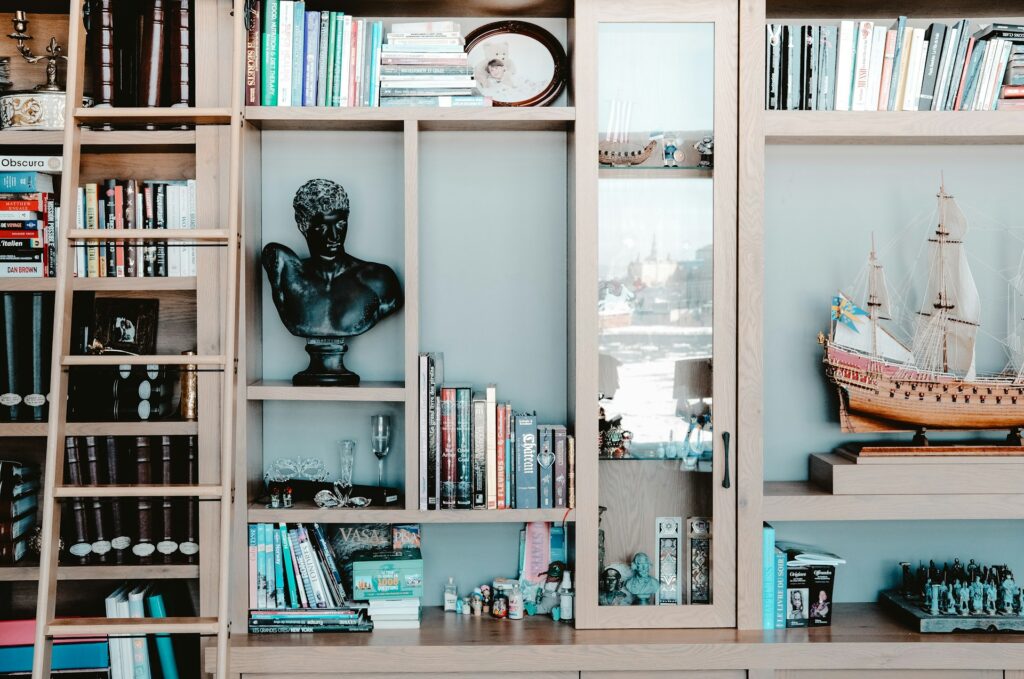
Books have long been tied to intelligence. Homes that contain shelves filled with books often belong to individuals who hunger for mental expansion. Books are doorways into other lives and minds. They stimulate imagination, broaden worldviews, and encourage readers to examine perspectives beyond their own. They also provide a foundation for self education and lifelong curiosity.
The presence of books suggests that learning does not stop at school or university. Instead it becomes a daily practice. People with higher IQs often enjoy exploring new subjects and tackling complex topics. They read both fiction and nonfiction because each offers different cognitive benefits. Fiction strengthens imagination and empathy, while nonfiction deepens factual understanding and analytical thinking.
Beyond the intellectual advantages, books also bring comfort. Many intelligent individuals turn to reading as a way to decompress, process emotions, and understand the world more clearly. At home, books serve as companions. Their presence on shelves creates an atmosphere of curiosity and reflection.
In modern living spaces, books can also become conversation starters. Visitors may browse titles and discover unexpected connections or shared interests. This social element enhances relationships and fosters stimulating exchanges. A home filled with books therefore becomes a place where ideas are welcomed and valued.
Creative Tools and Materials
Creative tools often fill the homes of people with high IQs. This includes sketchbooks, musical instruments, craft supplies, painting sets, or digital tablets used for drawing and designing. These items allow individuals to explore ideas and express themselves without relying solely on words. Creativity is closely tied to problem solving and innovation. Being surrounded by artistic materials gives the mind freedom to experiment.
Engaging in creative activities offers more than enjoyment. It becomes a way to process complex thoughts and emotions. People with higher intelligence tend to oscillate between logical thinking and imaginative exploration. Having tools available allows them to channel ideas quickly. Whether it is sketching a concept or experimenting with color, creativity creates mental flexibility.
Interestingly, many creative people use art not as a hobby but as a thinking method. They brainstorm visually, make mind maps, or use illustrations to solve problems. Homes with creative tools therefore reveal a person’s inner processes. They indicate someone who does not confine themselves to traditional structures but instead embraces unconventional approaches.
The presence of creative tools also encourages ongoing learning. A guitar in the corner might prompt someone to practice a new song. A watercolor set may inspire experimentation with new styles. These tools foster curiosity. They remind people that growth comes from exploration, trial, and error.
Puzzles and Strategy Games
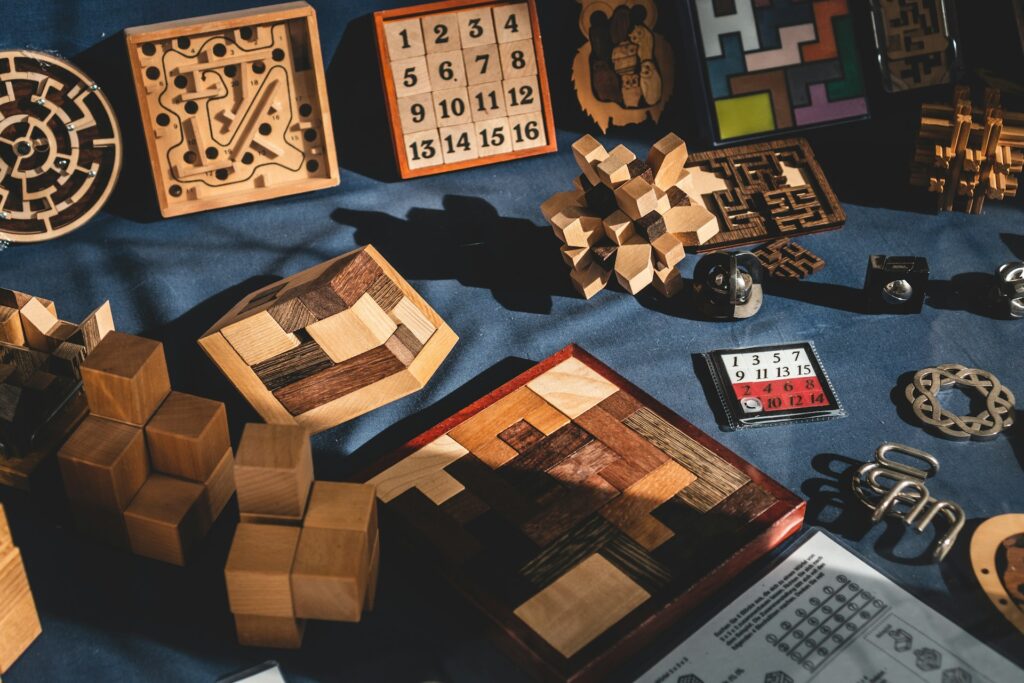
Puzzles and strategy based board games frequently appear in lists of items associated with higher IQ households. These items appeal to logical thinkers who enjoy analyzing patterns, solving problems, and engaging in mentally stimulating leisure activities. Whether it is a thousand piece jigsaw puzzle spread across a table or a complex strategy game that encourages long term planning, puzzles flex cognitive muscles.
People with higher intelligence levels often prefer activities that challenge them. Puzzles provide a structured challenge with a clear goal. Solving them requires perseverance, attention to detail, and pattern recognition. This creates a satisfying experience that many find rewarding and relaxing.
Strategy games add a social dimension. Games involving planning, prediction, and decision making require players to anticipate outcomes and think ahead. These abilities align strongly with cognitive strengths such as reasoning, memory, and adaptability. Homes that feature strategy games therefore hint at minds that enjoy structured challenges and collaborative problem solving.
Beyond entertainment, puzzles and strategy games provide mental training. Regular engagement can strengthen cognitive endurance and improve mental clarity. They also help maintain brain health in the long term. People who enjoy puzzles often turn to them as a break from digital overload, making them a grounding and mindful activity.
Indoor Plants and Nature Inspired Decor
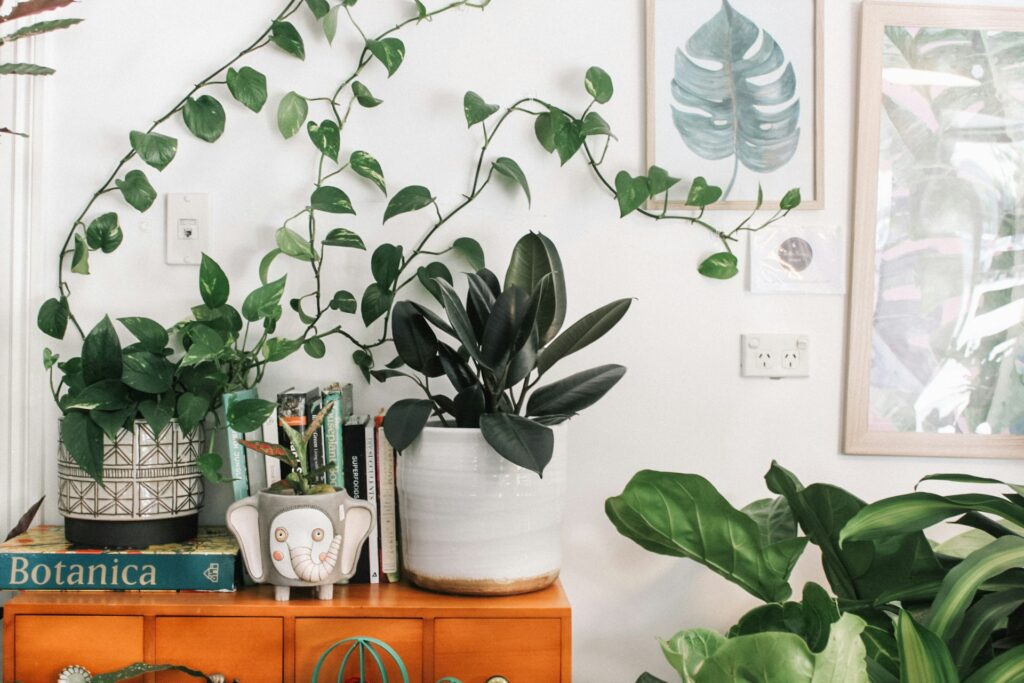
Homes with indoor plants frequently belong to individuals who value balance, mindfulness, and focus. Plants offer beauty, but they also provide calmness. Psychology studies often point to the mental benefits of greenery. Plants can improve mood, reduce stress, and help individuals feel more grounded. For high IQ individuals, these qualities contribute to clarity and mental functioning.
Caring for plants requires consistency and patience. Watering schedules, pruning, and sunlight management demand attention and responsibility. These qualities align closely with conscientiousness and long term planning. People who nurture plants demonstrate an awareness of their environment and a connection to growth.
In addition to the emotional benefits, plants add vitality to living spaces. They can transform an ordinary room into a soothing sanctuary. This atmosphere encourages reflection and creative thinking. A person surrounded by greenery is more likely to feel inspired and centered.
Indoor plants also reveal appreciation for nature. Intelligent individuals often seek harmony and balance. Plants represent those values. Their presence reflects someone who understands that intellectual life thrives when emotional well being is nurtured.
Notebooks and Journals
Journals and notebooks appear frequently in the homes of people with high cognitive ability. Writing is a tool for organization and emotional processing. Keeping a journal helps individuals capture ideas, make plans, and reflect on their thoughts. Many intelligent individuals rely on writing to clarify their minds.
Journals serve many functions. Some are used for creative ideas. Others store observations or plans for future projects. Writing helps people slow down and examine their feelings. Reflective journaling can reduce anxiety and enhance self awareness. A home with multiple notebooks suggests an active and introspective mind.
People with higher IQs often use writing as a thinking exercise. They may brainstorm on paper, sketch potential solutions, or outline complex concepts. This tactile engagement helps them break down large problems into manageable pieces. Writing becomes a companion to their mental processes.
Notebooks scattered around a home also signal spontaneity. Inspiration can strike at unexpected times. Having a journal nearby ensures the person can capture these thoughts immediately. This habit demonstrates both creativity and discipline.
Spaces for Conversation and Solitude
Many high IQ individuals value both social connection and solitude. Their homes often include comfortable spaces designed for intimate conversation as well as quiet moments alone. These areas might include reading nooks, cozy chairs placed near windows, or serene corners meant for unwinding.
Spaces for conversation encourage thoughtful dialogue. Intelligent individuals enjoy deep discussions with friends or family. A welcoming and comfortable environment supports these interactions. Soft lighting, plush seating, and an arrangement that invites closeness create an atmosphere where ideas can be shared openly.
Equally important are spaces designed for solitude. Time alone allows people to recharge. People with high IQs often retreat into quiet to process thoughts, reflect on experiences, or plan future goals. A peaceful environment provides mental clarity and emotional restoration.
Homes that offer both connection and solitude reveal balance. They show that the individual values meaningful relationships but also understands the necessity of personal space. This balance is crucial for mental well being.

Art as Expression
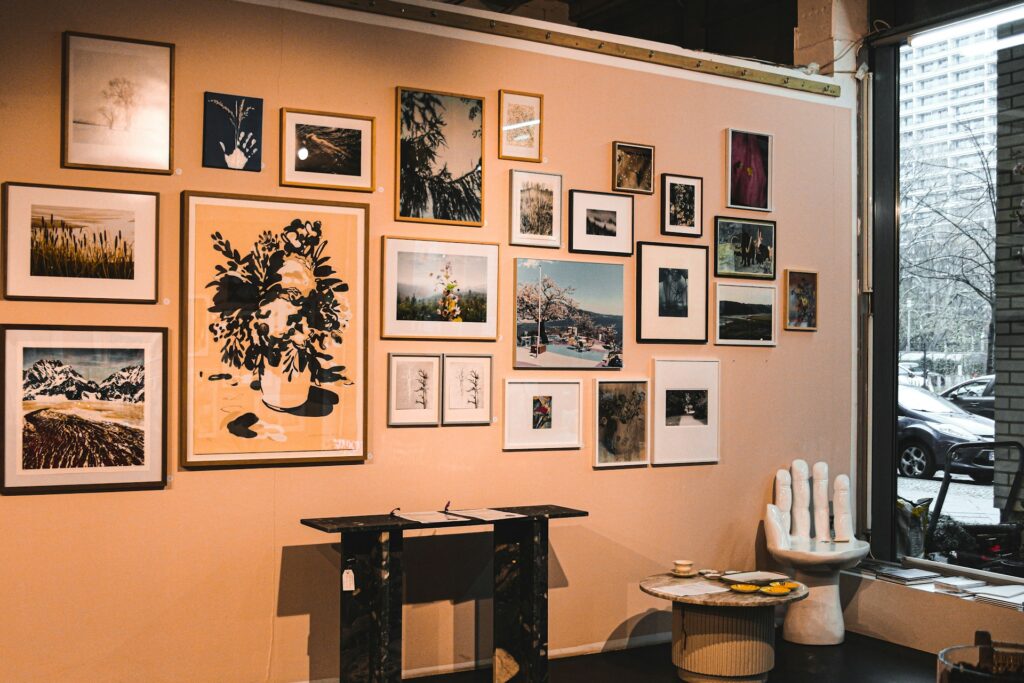
Art plays a significant role in the homes of intelligent individuals. Whether it is paintings, photography, sculptures, or handcrafted items, art communicates emotion and thought. It adds personality to a space and reveals the inner world of its owner.
People with higher IQs often appreciate symbolism and metaphor. They may collect art that resonates with their personal experiences. They also enjoy creating their own art. This form of expression allows them to explore concepts visually.
Art pieces become focal points for reflection. They can evoke memories, provoke thought, or provide comfort. In many homes, art becomes an extension of identity. It offers a glimpse into the emotional depth of the individual.
Surrounding oneself with art can also inspire creativity. Seeing visual representation of ideas encourages the mind to wander. It fosters imagination and enhances problem solving. Art filled spaces are often warm, dynamic, and emotionally rich.
Controlled Chaos and Slight Mess
A surprising yet frequently mentioned trait of high IQ homes is the presence of controlled mess. This does not mean that the home is disorganized. Instead it suggests that creativity sometimes thrives in slightly chaotic environments. A desk with scattered notes may indicate an active and busy mind.
People with high intelligence often juggle multiple projects at once. Their living spaces reflect ongoing work. Papers left on a table or art supplies in use are signs of productivity. This type of mess is purposeful and reveals engagement rather than lack of cleanliness.
Psychologists sometimes argue that mild disarray can stimulate creativity. An overly tidy space might feel restrictive. Allowing a little clutter gives the mind freedom to explore unconventional ideas. Many great thinkers have been known for their somewhat chaotic workspaces.
Of course the mess remains controlled. Intelligent individuals still value structure. They simply tolerate a level of disorder that supports their creative processes.

How Our Surroundings Shape Our Thinking
Homes reveal the habits and preferences of their owners. The items commonly associated with high IQ individuals are not markers of status. They are symbols of curiosity, creativity, emotional intelligence, and balance. Whether it is a bookcase full of novels, a journal on a bedside table, or a plant thriving in a sunlit corner, each item tells a story.
These objects show that intelligence is not limited to academic achievement. It expresses itself in the way people engage with the world and care for their environment. They highlight the importance of creativity, emotional depth, and lifelong learning.
This list also invites reflection. Which of these items do you keep in your own home? What do they reveal about your values and the ways you nurture your mind? While possessions do not define intelligence, they can illuminate the habits that support growth and curiosity.
Featured Image Credit: Photo By Olivier Le Moal | Shutterstock