

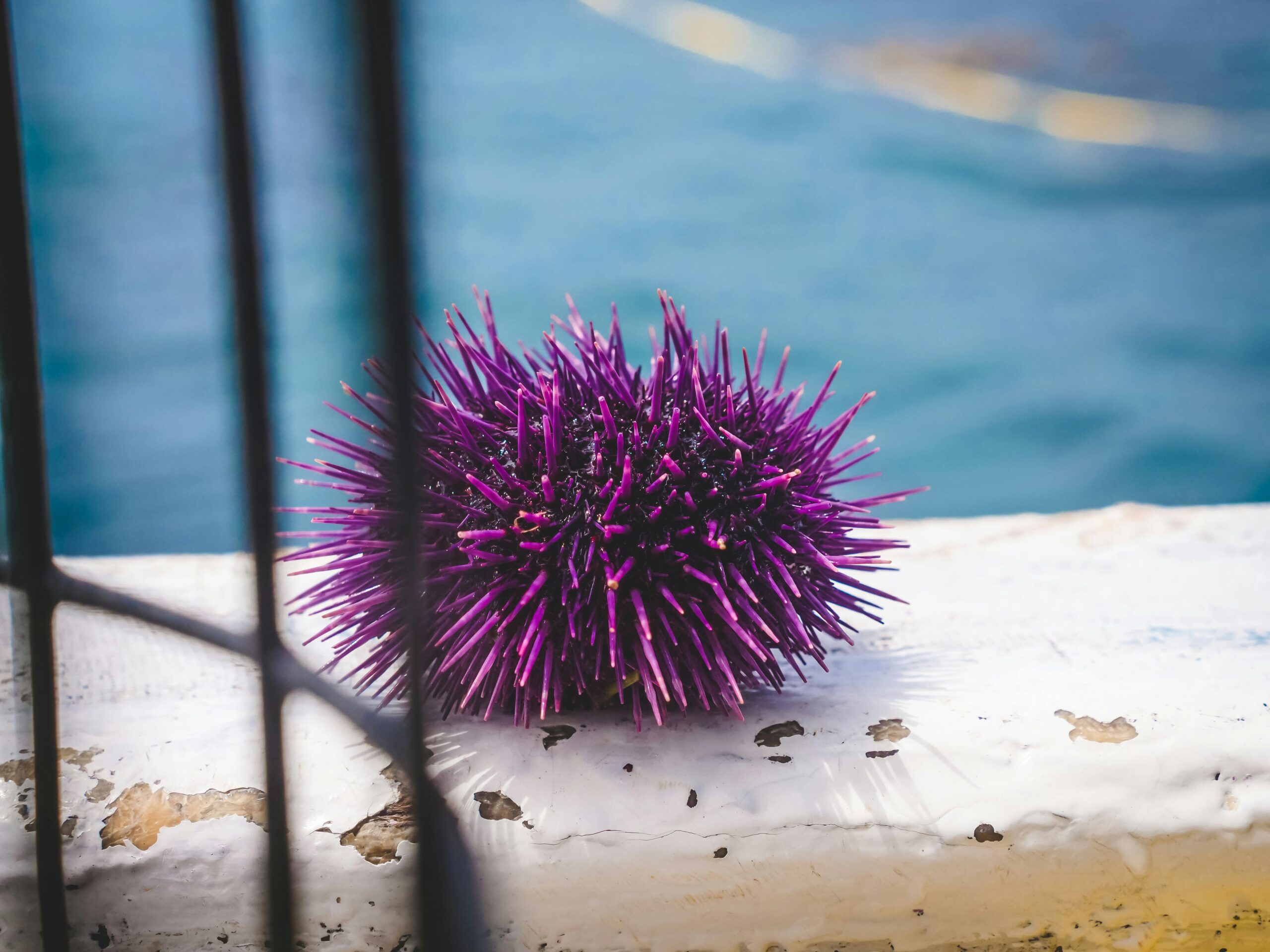
Sea urchins are usually known for their spines, their slow crawl across the seafloor, and the occasional misstep from an unlucky beachgoer. For decades they have also served as model organisms in developmental biology, quietly helping scientists uncover the hidden mechanics of life. Yet for all that familiarity, a new set of studies reveals something almost unbelievable. Sea urchins may not just lack a conventional brain. Their entire body appears to function like one.
Recent research from several international teams has uncovered a nervous system so intricate that it challenges long held assumptions about how brains evolved and what counts as intelligence in the animal world. These studies show that sea urchins possess what researchers call an all body brain, a distributed network of neurons that bathes nearly every tissue in complex signals. The discovery is prompting scientists, environmental advocates and curious readers alike to rethink what it means to sense, respond and survive in the ocean.
The emerging science is rich, surprising and accessible. For general readers, this story is less about complicated genetics and more about the wonder of finding sophisticated design in an animal many people overlook. It also highlights how much of the ocean still remains unknown, reminding us that biodiversity research is as important as ever.
A Creature That Transforms Its Body Plan
Before a sea urchin becomes the familiar round adult covered in spines, it begins life as a free swimming larva. These larvae follow a body plan known as bilateral symmetry, meaning their left and right halves mirror each other. This design is common across most animals including humans.
As the larva grows, it undergoes metamorphosis that is far more dramatic than the transformation of a butterfly. Instead of simply reorganizing tissues, the creature rebuilds itself into an entirely different type of body. The adult sea urchin has radial symmetry, where its structure repeats in five mirrored sections. This means the animal abandons its left right orientation and adopts a whole new way of organizing itself.
Researchers studying this shift hoped to understand how one genome could direct such completely different forms. What they found was even more surprising. The nervous system that emerges in young adult urchins is extraordinarily diverse. Rather than a single control center, neurons appear across the entire body surface and within internal organs. In many ways, this resembles a body made entirely of head.
This reinvention of form and function underscores how unique sea urchins are among marine invertebrates. It also frames the foundation for the all body brain concept, revealing how nervous tissues are rewired and redistributed across the animal during development.
A Hidden Neurological Complexity
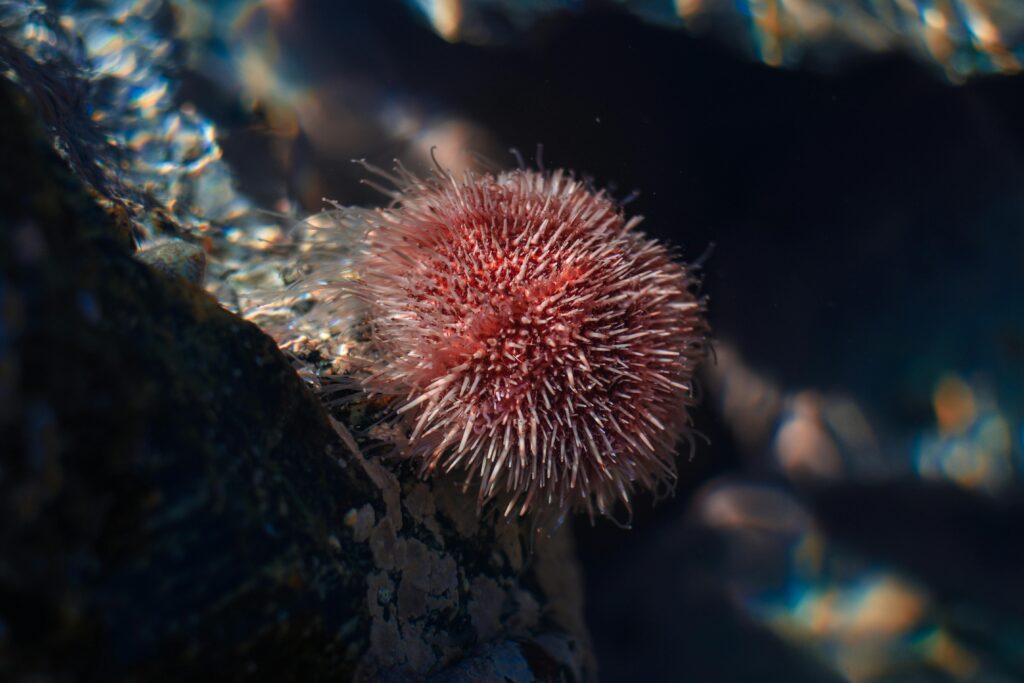
The idea that sea urchins have a simple nerve net has been a standard explanation for years. Without eyes, a centralized brain or limbs to coordinate, the animals were assumed to rely on basic sensory loops that merely allowed them to react to touch or changes in their surroundings.
However, new tools such as single cell and single nucleus sequencing have transformed this assumption. Scientists examining juvenile sea urchins found that neurons make up more than half of their mapped cell clusters. Instead of sparse nerve fibers, these creatures are packed with hundreds of neuron types. Many of these neurons produce familiar neurotransmitters like dopamine, serotonin, GABA, glutamate and acetylcholine. These chemical messengers are often linked to advanced functions in other animals, including learning and memory.
This variety indicates a nervous system that is much more sophisticated than previously recognized. Some neurons combine several types of signaling molecules, hinting at finely tuned communication networks. Others are organized in families that respond to different types of stimuli. The overall picture is not a simple loop of signals, but a layered system that integrates information across the entire body.
According to multiple studies, this organization resembles brain like structures found in vertebrates. Genes that in other species define head regions are active almost everywhere in the sea urchin body. Meanwhile, genes associated with trunk regions appear only in the gut and water vascular system. What emerges is an animal whose body layout is more similar to a head than a torso.
This does not mean sea urchins think or reason the way animals with centralized brains do. Instead, it shows that evolution can produce alternative layouts for neural processing. A single cluster of neurons may not perform all the specialized tasks of a vertebrate brain, but a distributed system can achieve many of the same ends by spreading sensory and processing functions throughout the organism.
Seeing Without Eyes
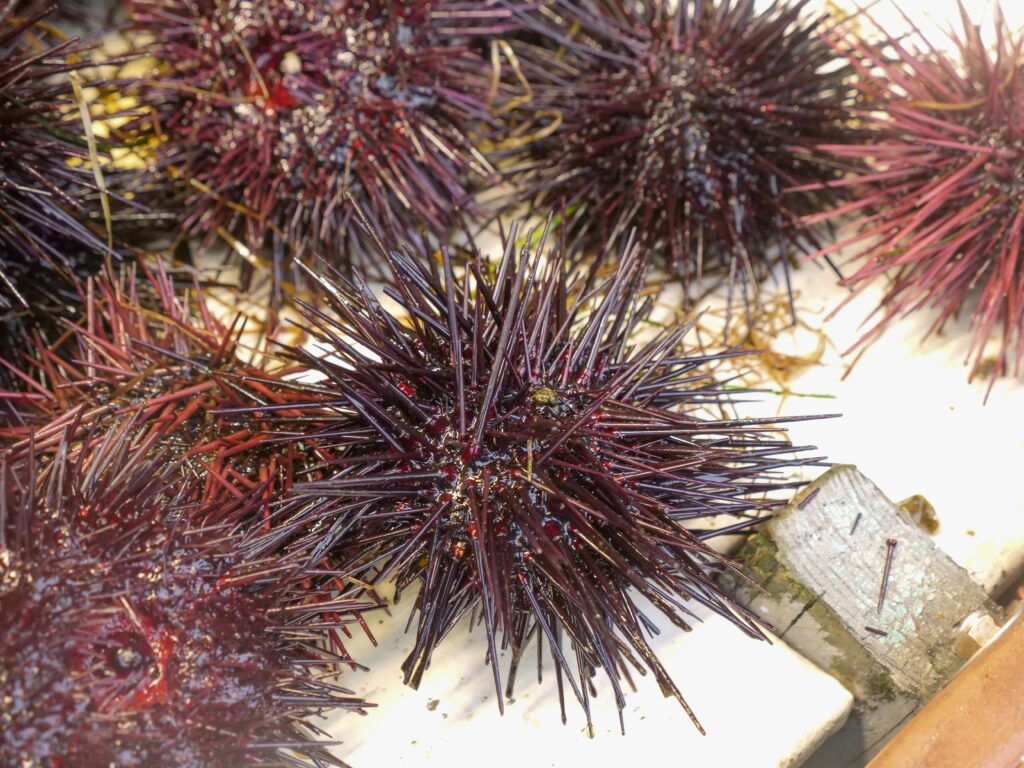
One of the most surprising findings in this research is that sea urchins can detect and respond to light despite having no eyes. Their bodies are covered in photoreceptor cells that contain opsins, proteins sensitive to light.
Earlier studies found at least seven types of opsins in different tissues, from the skin to the tube feet. The new research expands this picture, identifying even more photoreceptor neuron types in juveniles. Some of these neurons express combinations of opsins that allow the animal to respond to multiple kinds of light. One particularly notable group near the tube feet coexpresses melanopsin and Go opsin3.2, which are proteins associated with blue light sensitivity.
This distributed light sensing system gives sea urchins a unique way of perceiving their environment. Instead of focusing images, their bodies receive shifting patterns of light that help guide movement, feeding and predator avoidance. In essence, the whole animal behaves like a low resolution sensory field.
Larvae also show light dependent behavior driven by a small cluster of neurons in the anterior region known as the apical neuroectoderm. These neurons express a light sensitive protein called Opn5L and regulatory genes associated with vertebrate brain development. Experiments show that when Opn5L is disrupted, larval swimming behavior becomes impaired, demonstrating that these neurons act as a kind of central processor even at early developmental stages.
The discovery of these non visual light sensitive neurons gives researchers new clues about how complex sensory systems evolve. It suggests that even animals without eyes can develop sophisticated methods for detecting and responding to their surroundings.
The All Body Brain Idea
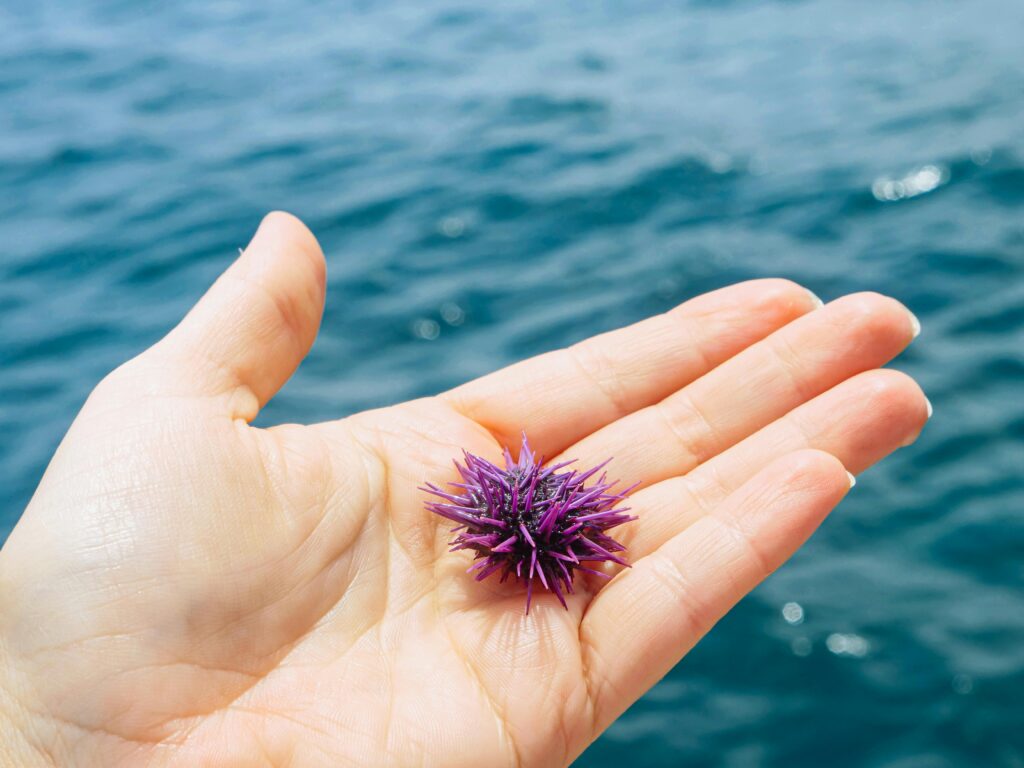
What makes the all body brain concept so compelling is how dramatically it rewrites our expectations. Traditional thinking says that without a centralized brain, animals must rely on simple circuitry. Sea urchins show something different. Their neurons are not organized in a uniform net but in distinct clusters with clear roles and diverse molecular signatures.
In adults, an oral nerve ring encircles the mouth and serves as a major neural hub. From this ring extend five radial nerve cords that run through the body. Along these pathways lie large populations of neurons that work together to control movement, sensory processing and internal regulation.
These systems combine into an integrated network that resembles distributed intelligence. It does not operate from a single command center but from many interconnected regions. Each area contributes to overall behavior. Neurons that respond to light feed into the same communication channels that regulate tube feet movements or coordinate responses to touch.
The more scientists map these networks, the more the sea urchin appears to be a creature that processes information across its entire form. Rather than having no brain, it behaves like a living structure made of brain tissue.
Why This Discovery Matters
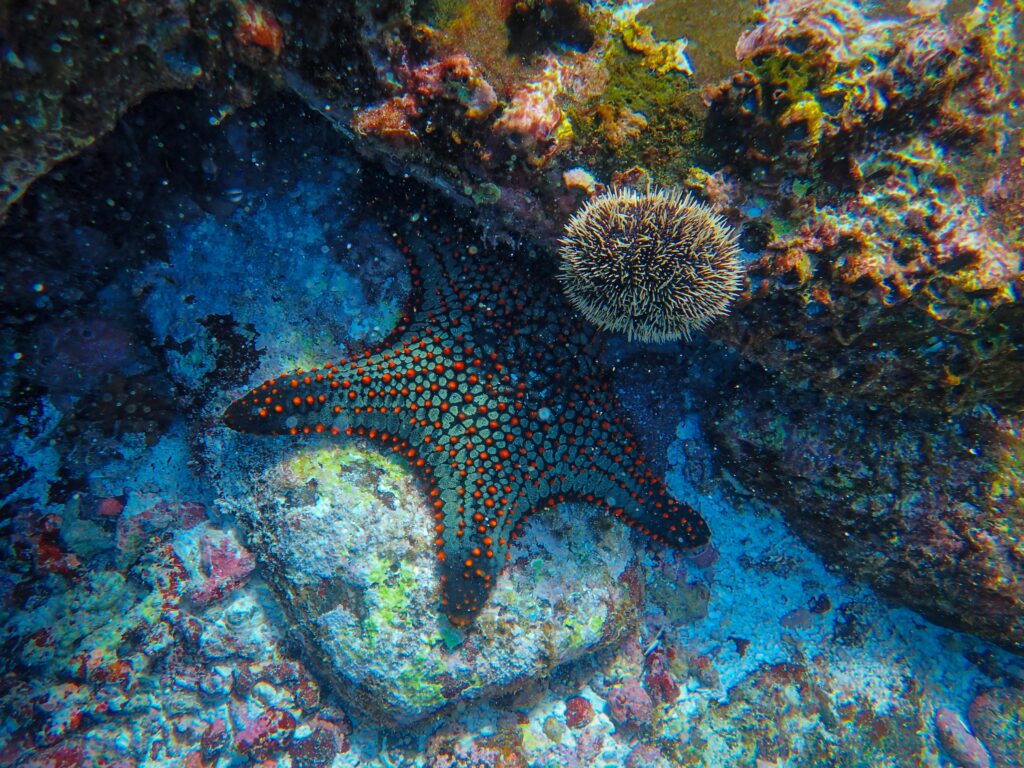
Although sea urchins are not typically included in climate and biodiversity news, understanding their biology helps illuminate the intricate roles marine organisms play in ocean ecosystems. Each discovery adds depth to our knowledge of how species sense their environment, adapt to changes and survive challenges. Here are several key reasons why the all body brain discovery is significant.
- It changes our understanding of nervous system evolution. Sea urchins belong to a group called deuterostomes, which also includes vertebrates. Insights into their nervous system offer clues about how complex brains evolved in early animals.
- It challenges long held assumptions about simplicity. Animals once assumed to have basic sensory capabilities turn out to be far more dynamic and versatile.
- It highlights the value of studying overlooked species. Much of marine life remains poorly understood. Surprising discoveries often come from organisms that seem ordinary at first glance.
- It reinforces the importance of biodiversity research. The more we learn about how different species function, the better prepared we are to protect ecosystems facing climate pressure.
- It expands our sense of what intelligence can be. Intelligence does not always come from a centralized brain. It can also emerge from distributed networks that respond and adapt collectively.
How Researchers Uncovered the Hidden Networks
The discoveries described in recent studies did not come from casual observation. They required advanced scientific tools capable of reading gene activity at single cell resolution.
One major technique was single nucleus transcriptomics. This method involves isolating individual nuclei from creature tissues, sequencing their RNA and identifying which genes are active in each cell. By grouping cells with similar expression patterns, scientists can map out cell types and understand how they function.
Using this method, researchers constructed a cell atlas for juvenile sea urchins. The atlas included tens of thousands of nuclei organized into dozens of molecular clusters. Many of these clusters belonged to neurons, revealing just how densely wired the animals truly are.
Other techniques included molecular tagging, staining and imaging. These tools allow scientists to see where specific genes are active and how cells interact across tissues.
Together, these methods revealed not just the presence of neurons but patterns of organization. They showed how larval neurons differ from juvenile ones and how gene regulatory networks are reused or reinvented during metamorphosis.
This combination of technologies offers a window into development, showing how a single genome produces two radically different bodies. It also demonstrates how cutting edge scientific tools are enabling unprecedented insights into marine life.

The Environmental Context
While the discovery of an all body brain is a biological breakthrough, it also fits into a broader environmental story. Sea urchins play important roles in marine ecosystems, especially kelp forests and rocky reef communities.
In healthy numbers, they help control algae and maintain ecological balance. When populations become too large, often due to disruptions in predator species, they can overgraze kelp forests and create barren areas. These shifts highlight the complex relationships that define ocean habitats.
Understanding sea urchins at the genetic and neurological levels helps researchers grasp how the animals respond to temperature changes, food availability and habitat stress. Future studies may investigate whether their distributed sensory system gives them unique resilience or vulnerability in changing oceans.
Research into foundational biology often leads to applications in conservation, from monitoring population health to predicting behavior under environmental stressors. Although the current discoveries focus on neural complexity, they may eventually help inform approaches to protecting fragile marine ecosystems.
What This Tells Us About Evolution
One of the most compelling aspects of the all body brain discovery is what it reveals about evolution. Scientists often look for centralized structures when studying intelligence or coordination. Sea urchins show that evolution sometimes takes a very different path.
Their distributed nervous system suggests that early animals may have experimented with many organizational patterns. Centralized brains are one solution, but not the only one. A whole body filled with specialized neurons can accomplish similar ends through a networked approach.
This understanding deepens our appreciation of the diversity of life. It shows that intelligence is not a single trait but a spectrum of strategies that help organisms survive in their specific environments.
A Broader Lesson In Marine Discovery
The ocean is still largely unexplored. Every year, scientists uncover new species, new behaviors and new systems hidden inside familiar organisms. Sea urchins remind us that even common creatures can surprise us with remarkable complexity.
The idea that an animal without eyes can sense light across its entire body, or that a creature without a brain can behave like one, challenges our assumptions. It invites us to stay curious and to recognize how much remains to be learned.
At the same time, it emphasizes the importance of protecting the marine environments where such discoveries are made. Habitat loss, pollution and climate change threaten not only known species but also the countless mysteries still waiting to be revealed.
A Body Designed to Sense Everything
The discovery that sea urchins are basically all brain opens a new chapter in our understanding of marine biology. These spiny creatures demonstrate that complexity does not always announce itself with limbs or faces or centralized organs. Sometimes it hides in plain sight, woven through every cell of a creature that quietly inhabits the seafloor.
For general readers, this story serves as a reminder that science is not just about advanced technology or hard to follow genetics. It is also about wonder and curiosity. It is about the thrill of uncovering hidden systems and seeing the world in a new way.
Sea urchins illustrate how much we still have to learn about the ocean, and how essential it is to keep exploring, observing and protecting the natural world. Their all body brain invites us to imagine intelligence beyond the boundaries of our familiar models and to appreciate the extraordinary variety of solutions life has invented over millions of years.