


For years, discussions surrounding cannabis have revolved around THC and CBD, the two compounds that have defined the plant’s global reputation. These molecules have shaped political debates, medical legalization movements, and an expanding international industry. Yet behind the fame of these cannabinoids lies a much deeper and largely unexplored chemical world. Cannabis contains hundreds of metabolites, many of which have never been studied in depth. Scientists have long suspected that this hidden chemical diversity holds untapped medicinal potential, but only recently have the tools become sophisticated enough to reveal what has been hiding in the background.
A groundbreaking study from Stellenbosch University in South Africa has pushed the boundaries of cannabis research further than ever before. A team of analytical chemists has identified a rare class of compounds known as flavoalkaloids in the leaves of certain cannabis strains. These molecules are so uncommon in nature that only a handful of plant species have ever been known to produce them. Their unexpected presence in cannabis has captured global scientific attention and opened new avenues for research. Even more surprising is the location of these compounds. They were found not in the flowers that dominate medical and commercial markets, but in the leaves, which are often treated as waste.
This discovery challenges decades of assumptions and encourages a deeper look at plant components that have gone largely overlooked. As researchers continue to uncover new layers of chemical complexity, cannabis appears more dynamic and medically promising than previously believed.
A Hidden Discovery in the Leaves
The cannabis plant has long been celebrated for its flowers, which contain high concentrations of cannabinoids. Leaves, stems, and roots tend to occupy a secondary role in both cultural traditions and scientific study. Commercial growers often treat leaves as byproducts to be trimmed away and discarded. Yet this long held hierarchy may be shifting thanks to the Stellenbosch team’s meticulous investigation.
In their study, researchers examined three commercially cultivated cannabis strains using advanced analytical techniques. Across the samples, they identified 79 phenolic compounds. Twenty five of these compounds had never been documented in cannabis before, and sixteen were tentatively identified as flavoalkaloids. What made this even more extraordinary was the distribution of these compounds. Almost all the flavoalkaloids appeared in the leaves of just one strain, suggesting that rare biochemical pathways may be triggered only in specific genetic or environmental contexts.
Dr Magriet Muller, a key researcher on the project, expressed her surprise at the sheer variation between the strains. Although cannabis is known for its chemical complexity, the extent of the differences observed in such a small sample was unexpected. The identification of flavoalkaloids was especially exciting because these compounds are rarely detected in any plant species. Their presence in cannabis indicates that the plant may harbor an even richer chemical landscape than previously imagined.
The Technology That Made the Discovery Possible
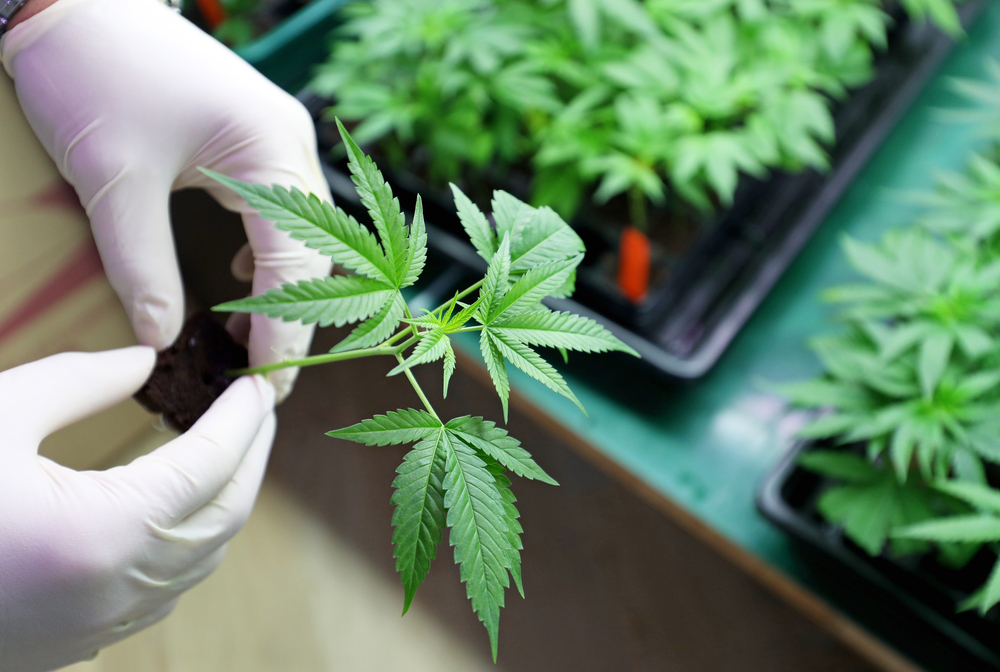
Revealing rare molecules such as flavoalkaloids required far more than routine laboratory techniques. Cannabis is a chemically dense plant, containing abundant flavonoids, terpenes, and cannabinoids that can obscure smaller, less concentrated compounds. Traditional chromatography methods, which separate chemical mixtures in a single analytical dimension, often lack the capacity to distinguish these subtle differences.
To overcome this challenge, the researchers employed comprehensive two dimensional liquid chromatography paired with high resolution mass spectrometry. This method involves sequentially passing the sample through two chromatographic systems, each separating compounds based on different chemical properties. The result is an analytical map with significantly greater resolution. Rare molecules that would normally be overshadowed by more dominant compounds become visible.
High resolution mass spectrometry further enhances the process by providing detailed information about molecular mass and structure. This combination allows researchers to tentatively identify compounds that might otherwise remain hidden.
Professor André de Villiers, who led the study, explained that this dual approach was essential for detecting flavoalkaloids. Standard methods would have allowed these compounds to co elute with abundant flavonoids, making them virtually invisible. The advanced technique provided a level of clarity that not only revealed flavoalkaloids but demonstrated just how much chemical diversity remains unexplored in cannabis.
The Biological Significance of Flavoalkaloids
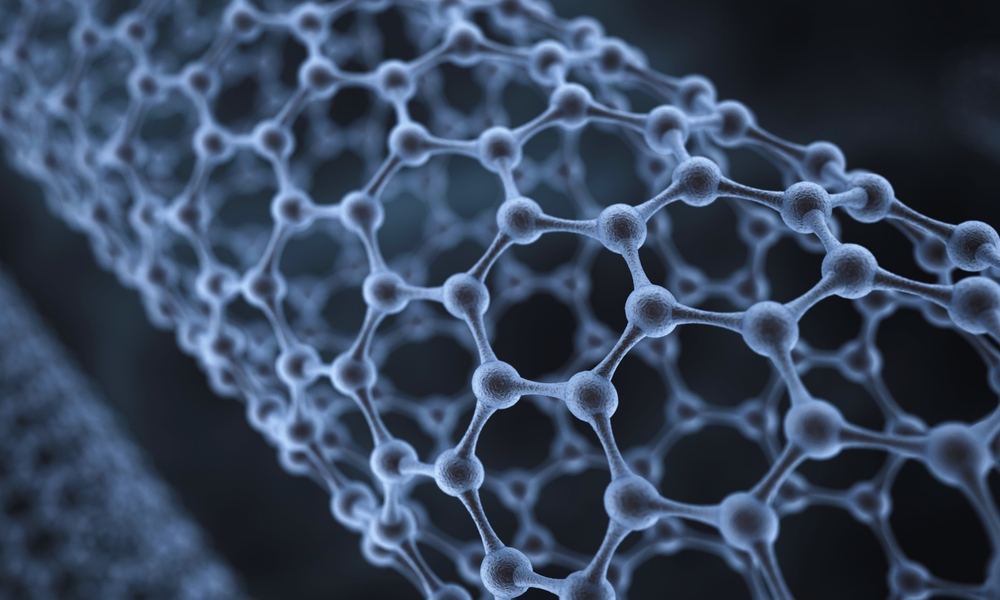
Phenolic compounds, which include flavonoids, have attracted scientific interest for their potential benefits in human health. They are known for antioxidant, anti inflammatory, and sometimes anticancer properties. Flavonoids in particular are widespread in fruits, vegetables, and teas, contributing to widely studied health benefits.
Flavoalkaloids, however, are far more unusual. Their molecular structure combines elements of flavonoids with alkaloids, a class of compounds that includes well known examples such as caffeine, quinine, and morphine. Alkaloids are often biologically active and can have strong physiological effects. The fusion of flavonoid and alkaloid structures suggests that flavoalkaloids may carry uniquely potent biological properties.
Preliminary studies in other plant species have linked flavoalkaloids to antioxidant activity, anti inflammatory effects, and possible metabolic benefits including anti diabetic properties. There is also early evidence that these compounds may have neuroprotective potential, which could make them relevant to research on conditions such as Alzheimer’s disease. Their discovery in cannabis presents entirely new possibilities for plant based medicine.
Historical Use of Cannabis Leaves
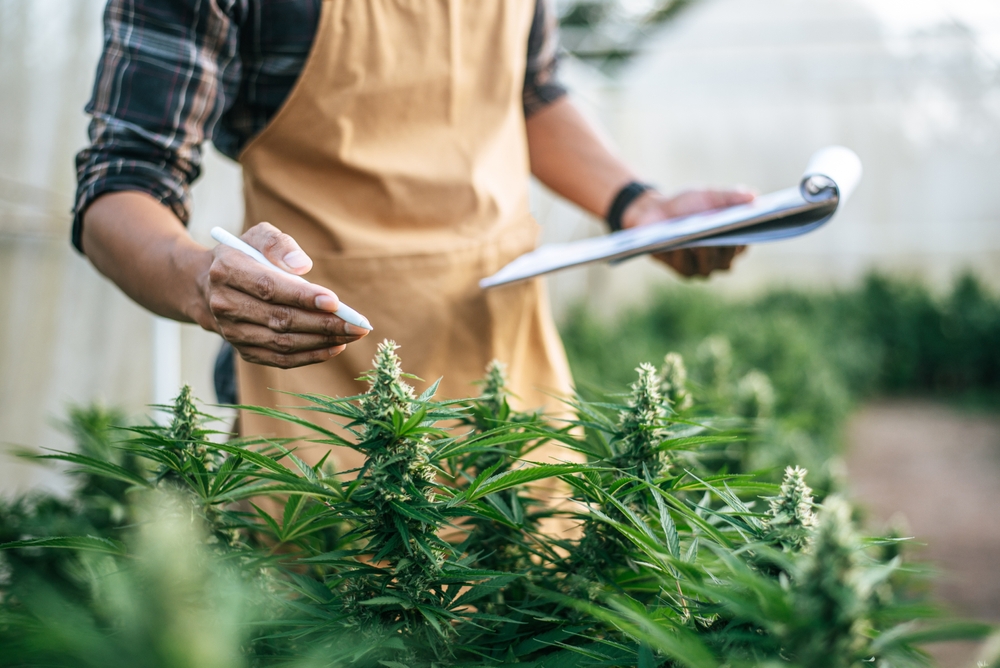
Although modern cannabis industries focus heavily on flowers, cannabis leaves have played a significant role in traditional medicine across cultures. Ancient Chinese medical texts describe the use of crushed cannabis leaves to treat bone injuries, malaria, and severe pain. During the Tang Dynasty, respected physician Sun Simiao wrote about using leaf based preparations for pain relief. In the sixteenth century, Li Shizhen documented additional medicinal uses for cannabis leaves in his influential Compendium of Materia Medica.
In India, cannabis leaves are central to the preparation of bhang, a beverage consumed during festivals and religious ceremonies dedicated to the god Shiva. Bhang has been valued for its energizing, calming, and occasionally therapeutic effects. In the Middle East and parts of Central Asia, leaves were often used in poultices or herbal remedies. Even in nineteenth century Europe, cannabis extracts that included leaf material were used experimentally to treat conditions ranging from rheumatic pain to seizures.
These historical uses did not rely on knowledge of chemical structures, yet they demonstrate that earlier societies recognized medicinal qualities in plant parts that modern industries often discard. The discovery of flavoalkaloids lends new scientific credibility to these traditions, suggesting that leaves may contribute more to the plant’s therapeutic potential than previously assumed.
Variation Between Strains and Environmental Influence
One of the most compelling implications of the Stellenbosch study is the remarkable variation found between the strains tested. Only one strain contained significant levels of flavoalkaloids, prompting researchers to consider how genetics influence phenolic expression. This raises questions that could shape future agricultural and pharmaceutical research.
Scientists are now investigating whether certain genetic lineages are naturally predisposed to producing rare compounds like flavoalkaloids. They are also exploring how environmental conditions may influence chemical outcomes. Factors such as soil composition, light exposure, temperature, humidity, and fertilization practices may all play a role in determining whether certain metabolites appear, disappear, or increase in concentration.
If specific conditions can trigger the production of flavoalkaloids, cultivation techniques may eventually be tailored to enhance these rare compounds. Similarly, selective breeding programs may begin prioritizing not only cannabinoid content but also lesser known phenolics with therapeutic potential.
Rethinking Cannabis Leaves in Medicine and Industry
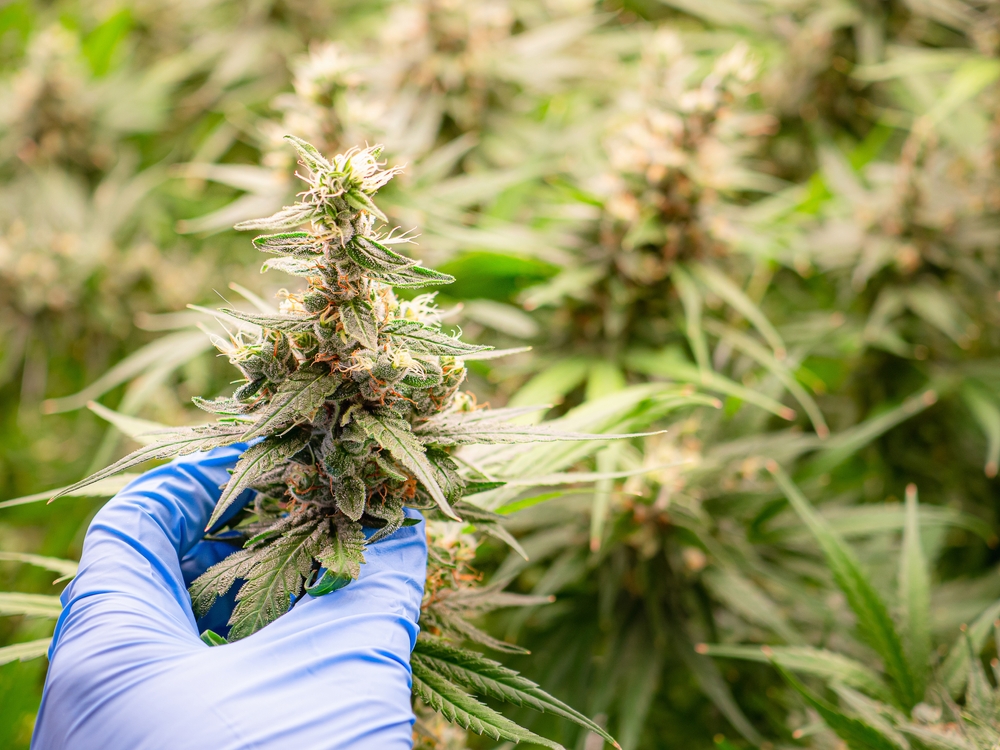
The discovery of flavoalkaloids carries important implications for how cannabis leaves are perceived within both scientific and commercial contexts. Leaves, often discarded or used only in low grade extracts, may soon become valuable raw material for pharmaceuticals, nutraceuticals, and other biotechnological applications.
Studies in regions such as Nepal have identified antibacterial and antioxidant properties in cannabis leaf extracts, further supporting the idea that leaves harbor meaningful bioactive compounds. If research continues to confirm these benefits, the cannabis industry may need to rethink how it manages plant waste. Instead of being discarded, leaves could become a renewable source of rare phenolics and other beneficial compounds.
A shift toward valuing leaves could also support more sustainable cultivation practices. By utilizing more of the plant, growers may reduce waste, maximize resource efficiency, and develop new product lines that extend beyond traditional cannabinoid driven markets. This approach aligns with broader global trends favoring sustainability, circular production systems, and holistic use of agricultural materials.
A New Chapter in Cannabis Science
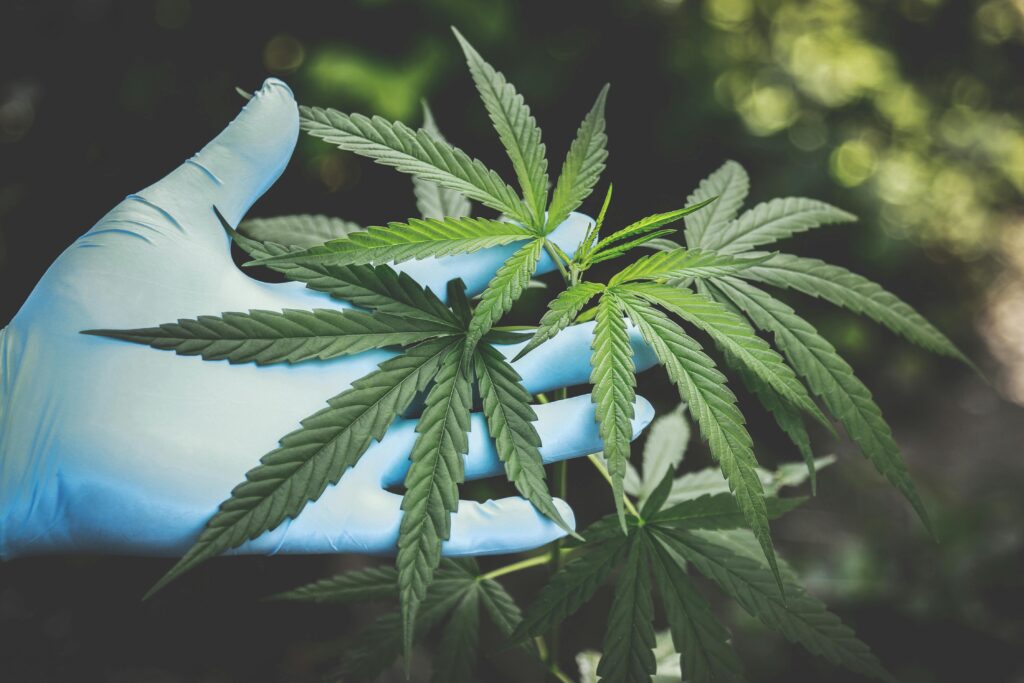
The discovery of flavoalkaloids signals a transformative moment in the evolution of cannabis research. For decades, scientific inquiry has focused heavily on cannabinoids, leaving vast sections of the plant’s chemical landscape underexplored. As analytical instruments become more powerful and precise, researchers are starting to uncover molecules that have been present all along but were previously hidden.
This expanding knowledge base may influence medical practice, regulatory frameworks, and product development. As scientists identify new compounds with therapeutic potential, the conversation about medical cannabis may grow more nuanced. Instead of relying primarily on THC and CBD content, future treatments may incorporate a wider spectrum of cannabinoids, terpenes, and phenolics, each contributing unique benefits.
Understanding how these compounds interact could lead to more effective, targeted therapies. It may also challenge simplified narratives about cannabis and encourage a more sophisticated view of its pharmacological complexity.
The Road Ahead
The researchers at Stellenbosch University plan to continue their work by studying additional strains and plant tissues. Their goal is to create a comprehensive map of cannabis phenolics that will help guide future investigations. They also intend to confirm the structures of the newly discovered flavoalkaloids, determine their prevalence across different cannabis varieties, and begin evaluating their biological activity through laboratory testing.
One of the most exciting aspects of this ongoing research is its potential to inform real world applications. If flavoalkaloids demonstrate therapeutic value, they could become candidates for drug development. Understanding how environmental conditions influence their production could allow cultivators to optimize their growth. Pharmaceutical companies may explore how these compounds interact with existing treatments or whether they can be used to formulate new ones.
Where Science Goes from Here
The discovery of flavoalkaloids in cannabis leaves represents a significant advancement in botanical science and a reminder that even familiar plants can still surprise us. It challenges long held assumptions about which parts of the plant matter most and highlights the untapped potential of cannabis leaves. By combining cutting edge technology with a renewed scientific curiosity, researchers have uncovered a new layer of complexity that could shape the future of plant based medicine.
As scientific tools and knowledge continue to evolve, cannabis is rapidly transforming from a culturally charged symbol into one of the most intriguing subjects of chemical and medical research. Its leaves, once overlooked and underestimated, may soon become central to conversations about new treatments and therapeutic possibilities. Cannabis still has much to reveal, and this discovery marks an exciting step toward understanding everything the plant has to offer.