

Experts Reveal: This Is the Age When Loneliness Hits the Hardest
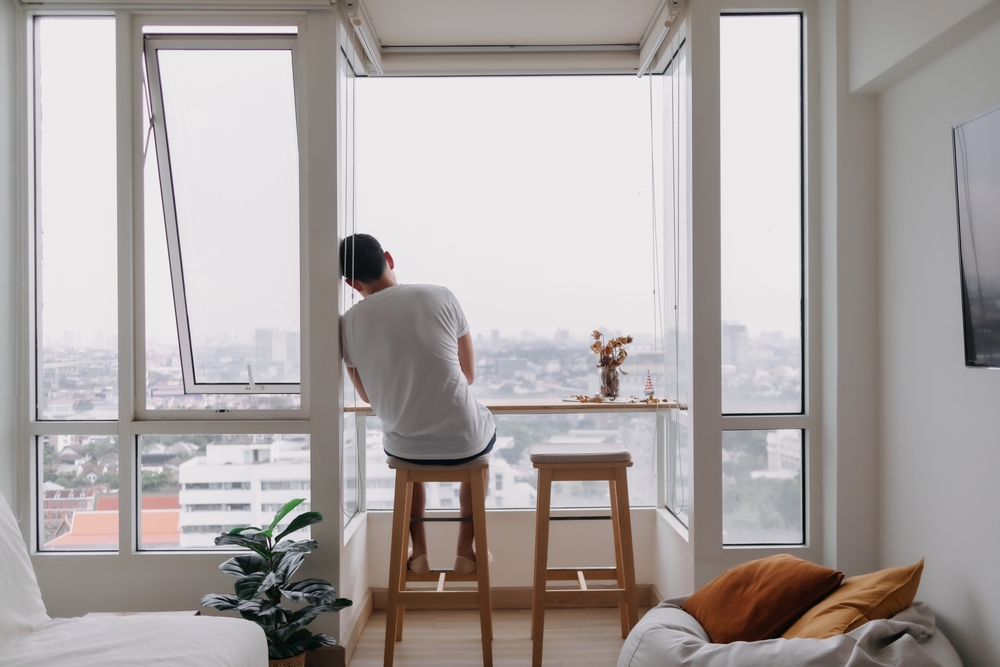
Most people imagine loneliness as a quiet room at the end of a long life, a burden reserved for the elderly. Yet, a startling reality is shifting beneath our feet. We are living in a time where we are digitally closer than ever, yet emotionally drifting further apart. The silence is no longer just affecting the old; it is becoming the defining soundtrack for the young, carrying consequences that reach far deeper than a simple bad mood.
The Loneliest Generation
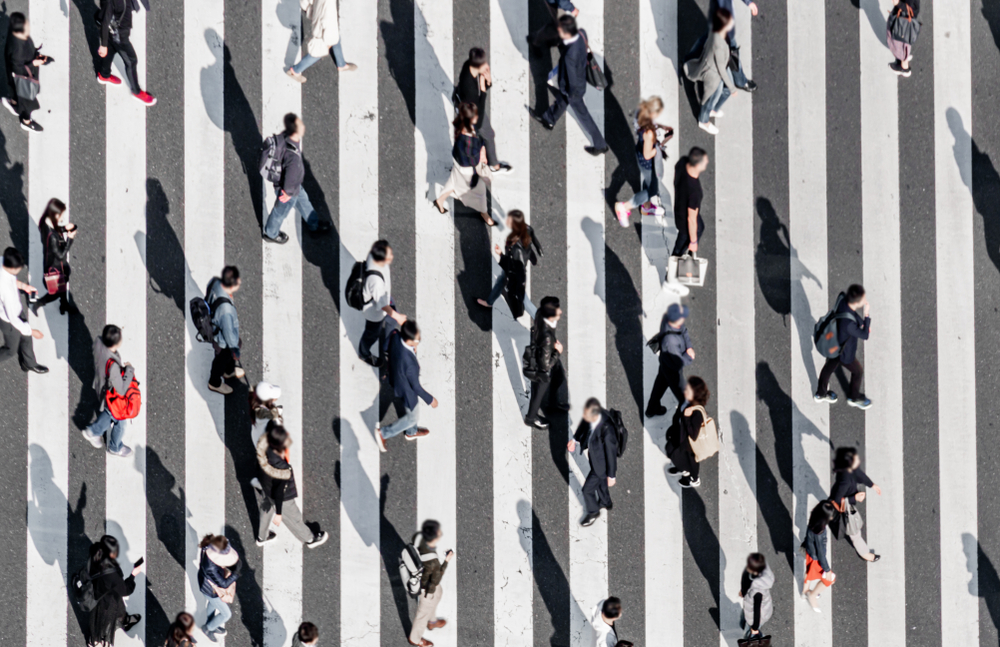
Loneliness is often painted as a shadow that follows the elderly, a silent companion to aging. Yet, recent global data tells a startlingly different story. We are living through a shifting tide where the most socially connected generation in history is also the most isolated. According to a Meta-Gallup survey spanning 142 countries, nearly 1 in 4 adults report feeling very or fairly lonely, but the weight of this silence falls heaviest on the youth.
Contrary to popular belief, young adults aged 19 to 29 are the most affected demographic, with 27% reporting significant loneliness. In contrast, this figure drops to 17% for those over 65. Why is the prime of life becoming the peak of isolation? Clinical psychologist Dr. Ami Rokach explains that young adulthood is a period of volatile transition. It is defined by “a tumultuous love life, uncertainty about a professional path, and in the process of separating from their parents.”
While older generations have often accumulated wisdom and secured their social circles, younger people are currently navigating a painful gap between the connection they crave and the reality they experience. The World Health Organization identifies this gap as the very definition of loneliness. It affects 1 in 6 people worldwide, proving that while technology has bridged vast distances, it has not necessarily built bridges between us. We are seeing that digital proximity does not guarantee emotional intimacy.
How Loneliness Costs Us Everything

We often dismiss loneliness as a fleeting emotion or a bad mood, but the reality is far more severe. It is a physical hazard that takes a toll on the body just as real as any disease. The World Health Organization reveals that loneliness is linked to an estimated 100 deaths every hour. That is more than 871,000 lives lost annually. This is not just a matter of feeling sad; it is a matter of survival.
When we lack connection, our health deteriorates. Social isolation significantly increases the risk of stroke, heart disease, diabetes, and cognitive decline. The impact on mental health is equally devastating, with lonely individuals being twice as likely to develop depression. The body is hardwired for community, and when that need goes unmet, the biological system begins to struggle. As Dr. Olivia Remes states, “Human beings need social connections to thrive, and being embedded in strong supportive networks can protect our wellbeing.”
This damage extends beyond health and into our potential to succeed. The effects ripple into classrooms and workplaces. Teenagers who experience loneliness are 22% more likely to receive lower grades, while adults struggle to find or maintain employment, often earning less over time. Loneliness is an anchor that weighs down our ability to learn, work, and grow. It costs society billions, but more importantly, it robs individuals of their quality of life.
Alone Together in a Connected World
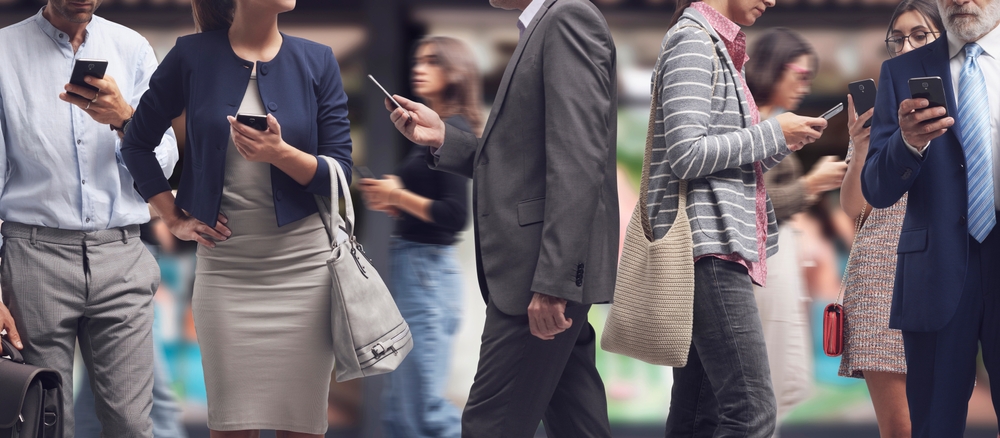
We live in an era where a friend is just a click away, yet true presence feels harder to find. It is a strange contradiction of modern life. As Dr. Tedros Adhanom Ghebreyesus observes, “In this age when the possibilities to connect are endless, more and more people are finding themselves isolated and lonely.” Technology promised to bring us together, but often, it simply allows us to be alone together.
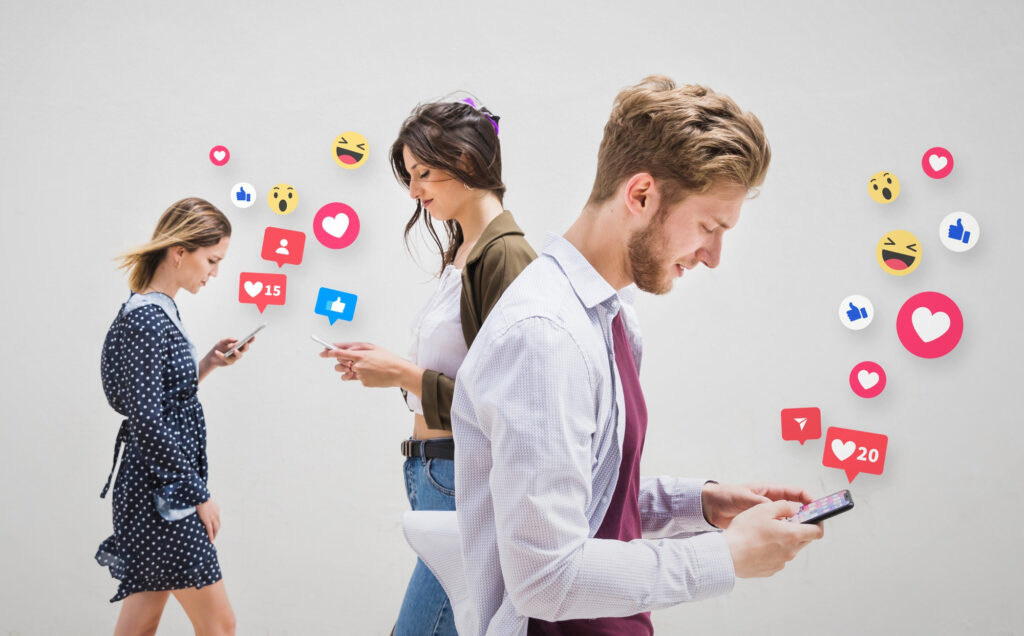
Dr. Olivia Remes warns that social media can do more harm than good when used for “passive scrolling.” When we silently consume the curated, rosy highlights of other people’s lives, we inevitably compare them to our own messy realities. This behavior deepens the void instead of filling it. However, the screen is not the only barrier. Loneliness is also a symptom of inequality.
Where you live and what you have dictates your ability to connect. The World Health Organization found that about 24% of people in low-income countries report feeling lonely, which is twice the rate seen in high-income countries. Poverty, poor infrastructure, and discrimination act as physical walls. Groups such as refugees, people with disabilities, and minorities face additional hurdles that make connection difficult. Whether it is a digital wall or an economic one, these barriers prevent the deep, human contact we desperately need to feel whole.
Building Bridges, One Interaction at a Time
It is crucial to distinguish the difference between physical solitude and emotional isolation. As Dr. Ami Rokach notes, “Being alone does not necessarily mean loneliness.” One can be a moment of recharging, while the other is a state of lack. The antidote to the latter is shifting from passive existence to active engagement.

To reclaim our connections, we must change how we use our tools. Dr. Olivia Remes advises against the habit of “passive scrolling” on social media. Instead of silently consuming content, she suggests actively participating by sharing updates or directly messaging friends. We must use technology to facilitate, not replace, interaction. In the real world, this means seeking out “micro-moments” of connection. Simple actions, like chatting with a cashier or greeting a neighbor, can significantly boost mood and stave off isolation.
Beyond individual habits, we must advocate for environments that make connection easier. The World Health Organization emphasizes the need to strengthen social infrastructure, including parks, libraries, and public spaces where communities can naturally gather. Whether it is joining a volunteer group, taking a new course, or simply putting the phone away during dinner, the path forward requires intentionality. Connection is not something that happens to us; it is a choice we make.
The Cure is Connection
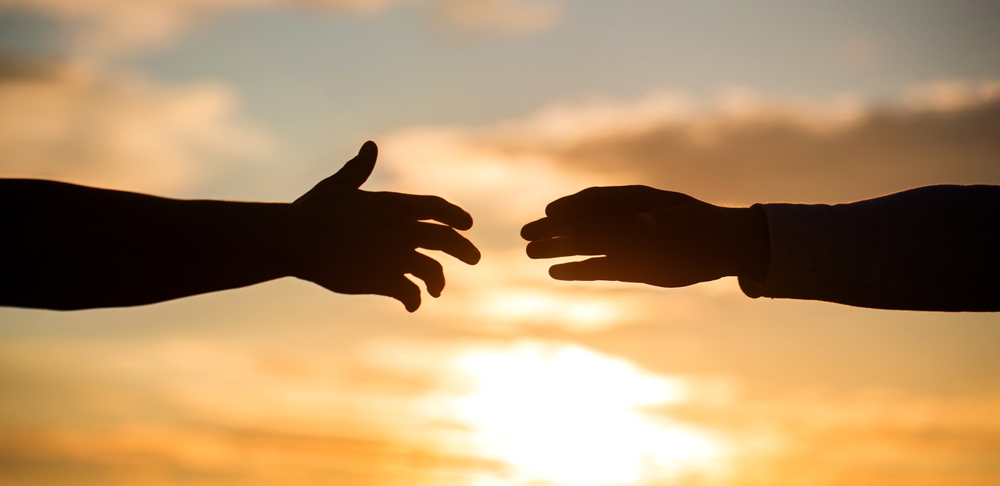
Loneliness is often viewed as a personal failure, yet it is merely a signal. Just as hunger tells the body it needs food, loneliness tells the spirit it needs people. It is a universal reminder that human beings were never meant to survive on their own. The data shows the high cost of ignoring this signal, but the investment required to fix it is often small.
The solution is not found in a new app or a policy change alone. It is found in the courage to be vulnerable. It is found in the decision to put the phone down and look someone in the eye. As Ellyn Maese suggests, there is an “opportunity to reduce everyday loneliness” right now. The power to shift the statistic lies in simple, everyday choices.
We must stop waiting for the world to become friendlier and start being the friend we wish to find. Reach out to that person who crossed your mind. Check on the strong ones. Listen to the quiet ones. Social connection is the most powerful medicine available, and we all carry the prescription. In a world that counts followers and likes, make the choice to count the moments that actually matter.