

Here’s Why Scientists Now Think Consciousness Is Far More Common in the Animal Kingdom
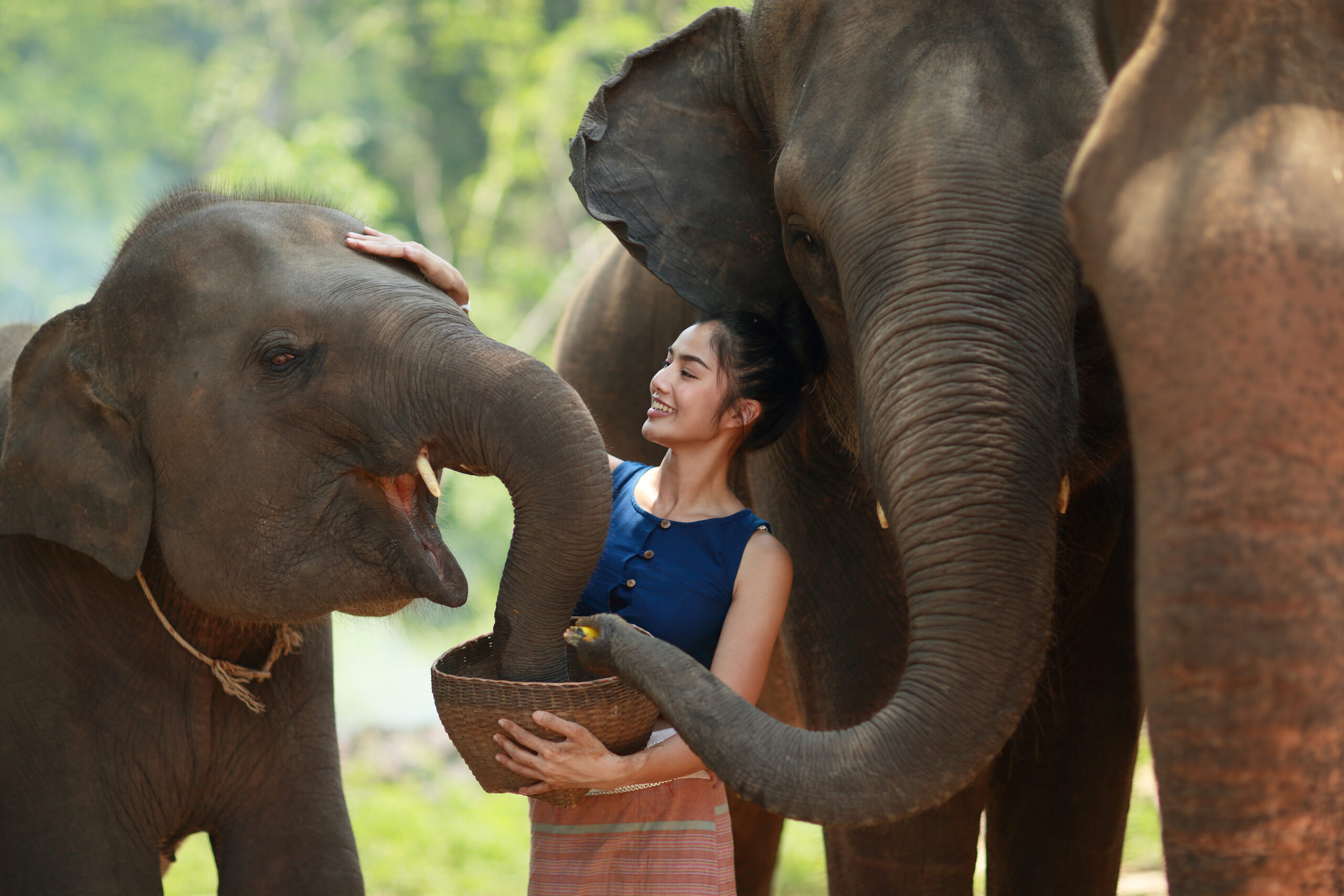
Have you ever looked into the eyes of an animal and wondered if there is truly someone looking back? For centuries, the prevailing belief was that humans stood alone on the mountain of consciousness while everything else was merely a biological machine running on instinct. That certainty is now crumbling. A groundbreaking shift in science is challenging the oldest assumptions about the natural world, suggesting that the ability to feel, dream, and experience life might be far more common than humanity ever dared to imagine.
A New Declaration on Animal Consciousness
A single rigid belief dominated our understanding of the natural world. It was the idea that humans stood alone on a pedestal of consciousness while other creatures were merely biological machines. The French philosopher René Descartes famously described animals as “material automata” and claimed they lacked the ability to feel or suffer. This outdated view suggested that an animal crying out in pain was no different than a malfunctioning machine making a noise.
Science is now shattering that silence. In a historic shift, nearly 40 leading experts in animal cognition signed The New York Declaration on Animal Consciousness. This document represents a pivotal moment in our relationship with the natural world. It asserts that there is “strong scientific support” for conscious experience in mammals and birds, and a “realistic possibility” for all vertebrates and even many invertebrates.
We are talking about a list that extends far beyond our household pets to include reptiles, fish, and insects. The Declaration challenges the scientific community to rethink how we treat these beings. Jonathan Birch, a professor at the London School of Economics and a signatory, notes that the field is moving in a new direction. He explains that researchers are now daring to entertain the possibility that animals like bees and octopuses might have some form of conscious experience. The barrier between “us” and “them” is dissolving.
Play, Pain, and Self-Recognition in Unexpected Minds
We often judge the depth of a mind by the size of the brain, assuming that complex awareness is reserved for humans, chimps, or dolphins. Yet, recent experiments are forcing science to look closer at the creatures we often swat away or ignore. The evidence suggests that the lights are on even in the smallest of rooms.
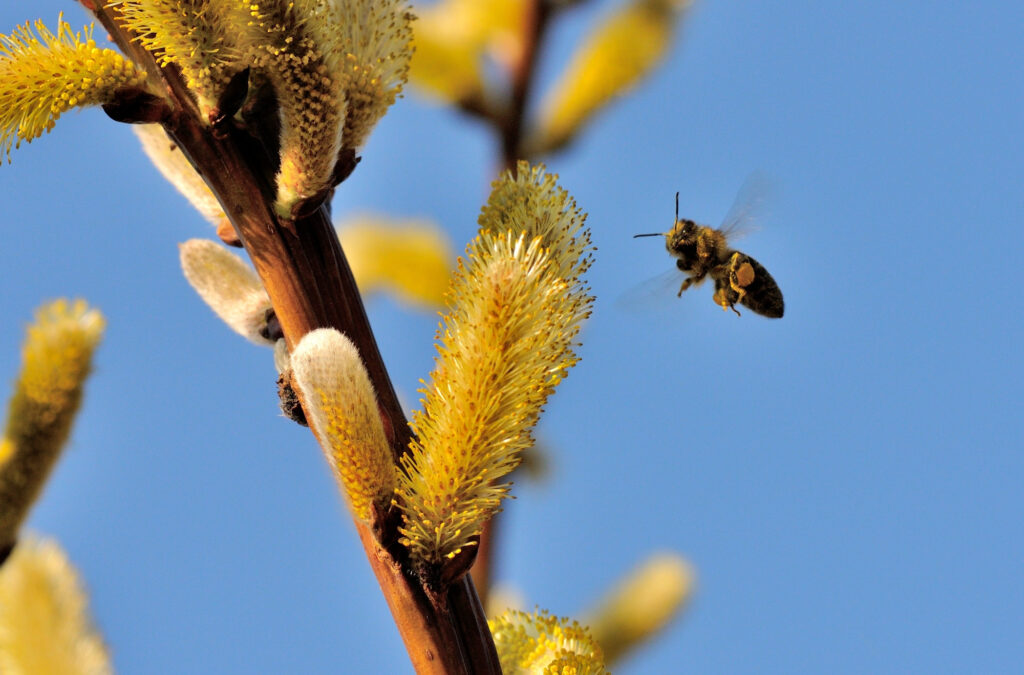
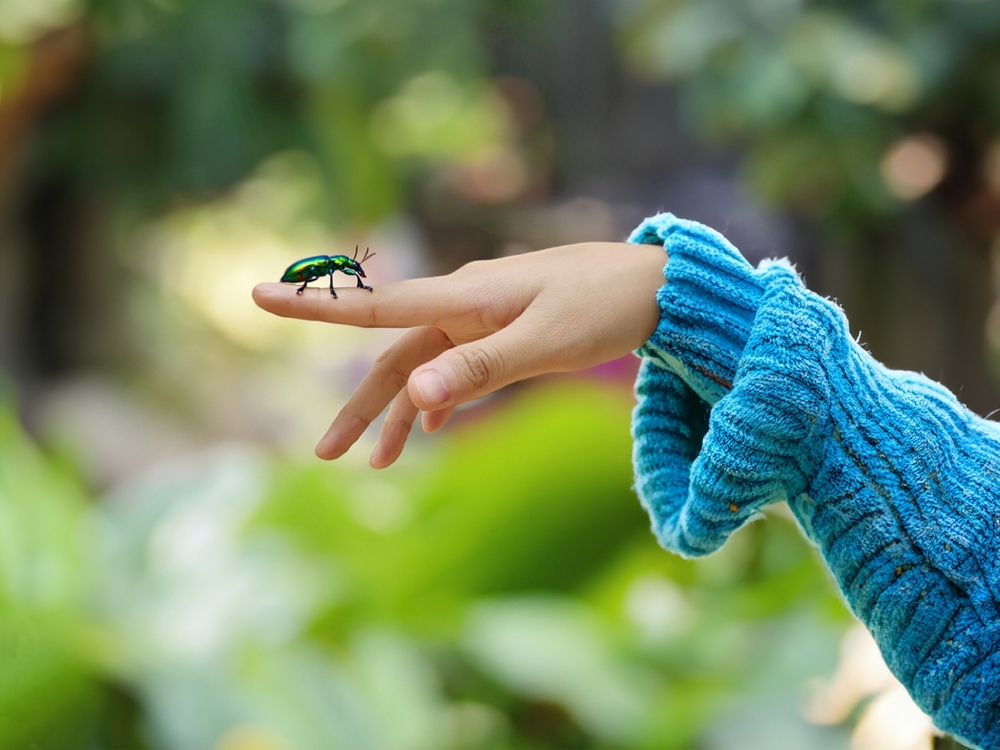
Consider the bumblebee. In a study at Queen Mary University of London, researchers watched bees rolling wooden balls around. They were not doing this for nectar or mating rights. They were doing it simply for the joy of it. This behavior mirrors what we call play, and Professor Lars Chittka suggests it indicates that bees likely have the building blocks of consciousness. They are not just working; they are feeling.
The surprises continue underwater. For years, the “mirror test” was the gold standard for self-awareness, a test only a few mammals could pass. But recently, the tiny cleaner wrasse fish shocked the scientific community. When researchers placed a colored mark on the fish and showed them a mirror, the fish did not attack the reflection. Instead, they tried to scrape the mark off their own bodies. Jonathan Birch notes that no one expected a fish to possess this level of self-recognition.
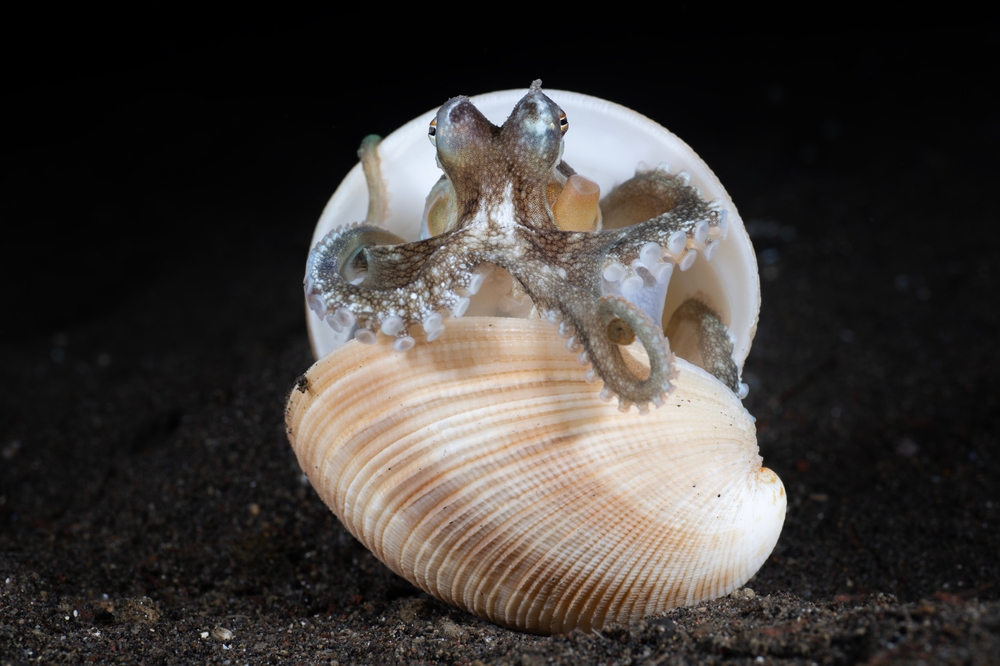
Even the octopus and the crayfish are showing us their reality. Studies reveal that octopuses actively avoid places where they experienced pain and seek out pain relief, while crayfish display anxiety that can be treated with the same medicines used for humans. These are not simple reflexes. These are choices made by beings who experience the world, not just react to it.
The Architecture of Feeling
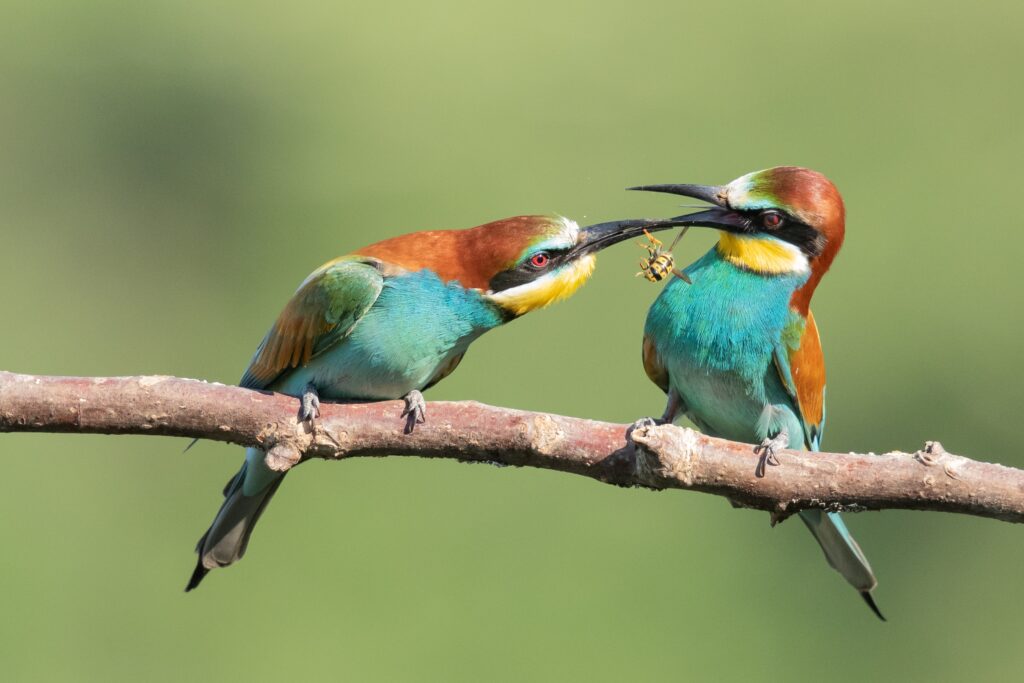
We used to believe that consciousness required a specific kind of hardware—specifically, a massive cerebral cortex like our own. We measured the potential for a soul by counting neurons. But this view is rapidly becoming obsolete. Nature is showing us that awareness does not require a human blueprint.
Take birds and reptiles, for instance. For a long time, their capacity for awareness was dismissed simply because they lack the wrinkled outer layer of the brain that humans possess. We assumed that without our specific biological map, the territory of consciousness could not exist. Yet, recent research reveals that these animals have evolved entirely different brain structures that perform the exact same complex functions. Evolution, it seems, has found more than one way to build a mind.
The octopus presents an even more radical challenge. It does not have a centralized command center like a human. Instead, its nervous system is distributed, with its arms capable of independent action and sensing. Peter Godfrey-Smith notes that this represents an “alien” architecture that still supports complex engagement with the world.
This teaches us a vital lesson. Consciousness is not a luxury of one specific design. It is a phenomenon that can emerge in systems vastly different from our own. We are finding that the capacity to experience life can exist in architectures that look nothing like us.
Not “Can They Think?” But “Can They Feel?”
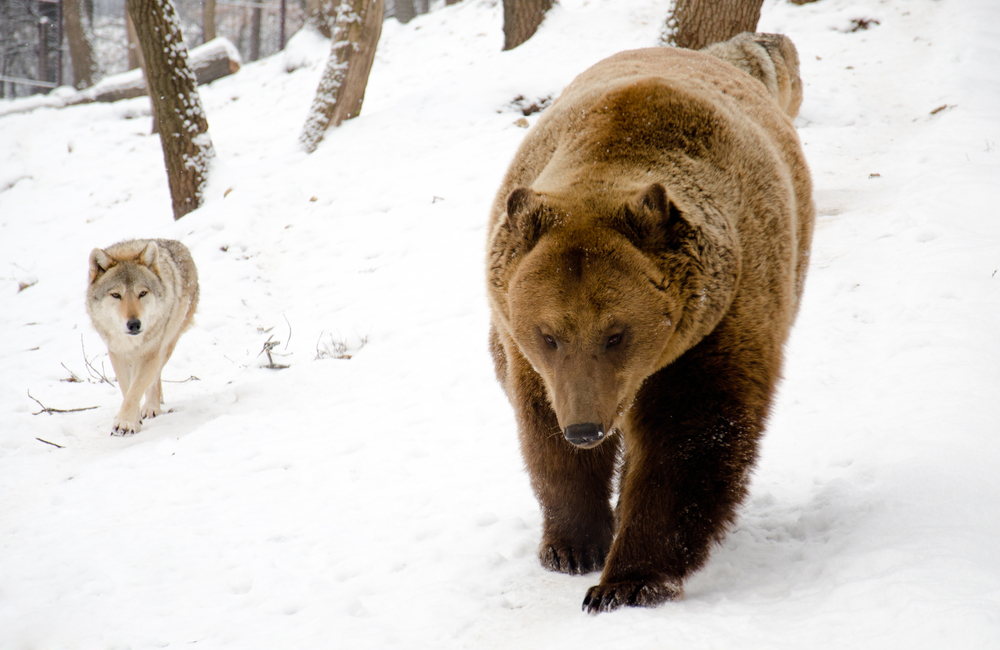
For too long, humanity has confused “being conscious” with “being smart.” We measured the worth of a life by its ability to use language or solve complex puzzles. But this human-centered lens is flawed. Professor Anil Seth argues that we have been trapped by an “unholy trinity” of language, intelligence, and consciousness. Just because these traits go together in humans does not mean they are inseparable in nature.
The new scientific consensus focuses on a deeper, more universal truth called sentience. This is not about the ability to reflect on existence but the capacity to simply have an existence. As Professor Stevan Harnad explains, sentience is the capacity to feel. It is the raw experience of a pinch, the sensation of seeing the color red, or the pang of hunger.
This distinction changes everything. It suggests that consciousness is not a luxury for the elite few with large brains; it is a fundamental quality of life. The question is no longer “Can they think like us?” The question is “Can they feel?” If there is “something it is like” to be a bat, a fish, or a fly, then they possess a subjective reality that demands acknowledgment. We are moving away from an IQ test for the soul and towards recognizing the universal language of feeling.
The Moral Awakening
This new understanding brings a heavy question to our doorstep. If a creature can feel fear or joy, do we have the right to treat it as a product? The New York Declaration states clearly that when there is a realistic possibility of conscious experience, it is irresponsible to ignore it. We are entering an era of precaution where doubt must lead to compassion.
Laws are beginning to catch up to this science. In the United Kingdom, legislation was recently amended to recognize octopuses, crabs, and lobsters as sentient beings, protecting them from inhumane practices like being boiled alive. In the United States, lawmakers in Washington and California are considering bans on octopus farming. These are not just legal adjustments; they are moral awakenings.
But it goes deeper than just avoiding cruelty. Professor Jeff Sebo from New York University reminds us that welfare is not just about the absence of pain. It is about allowing these complex agents to express their instincts, explore their environments, and engage in social systems. We are being called to expand our circle of empathy to include lives that look nothing like our own.
The Center of the Universe
Just as Galileo was once persecuted for suggesting the Earth was not the center of the universe, we are now facing a similar truth about our own minds. We are not the sole owners of consciousness. We are not the only main characters in the story of life.
To accept this requires a profound humility. It means looking at a fly, a fish, or a crab not as “less than” but as “different from.” It means realizing that when we look into the eyes of another creature, there is someone looking back. There is a being with their own desires, fears, and story.
This scientific revolution is not just about data. It is a spiritual evolution. It invites us to step off our pedestal and rejoin the family of nature. When we expand our definition of “who matters,” we do not lose our humanity. We find it. The world is far more alive than we ever dared to imagine.