

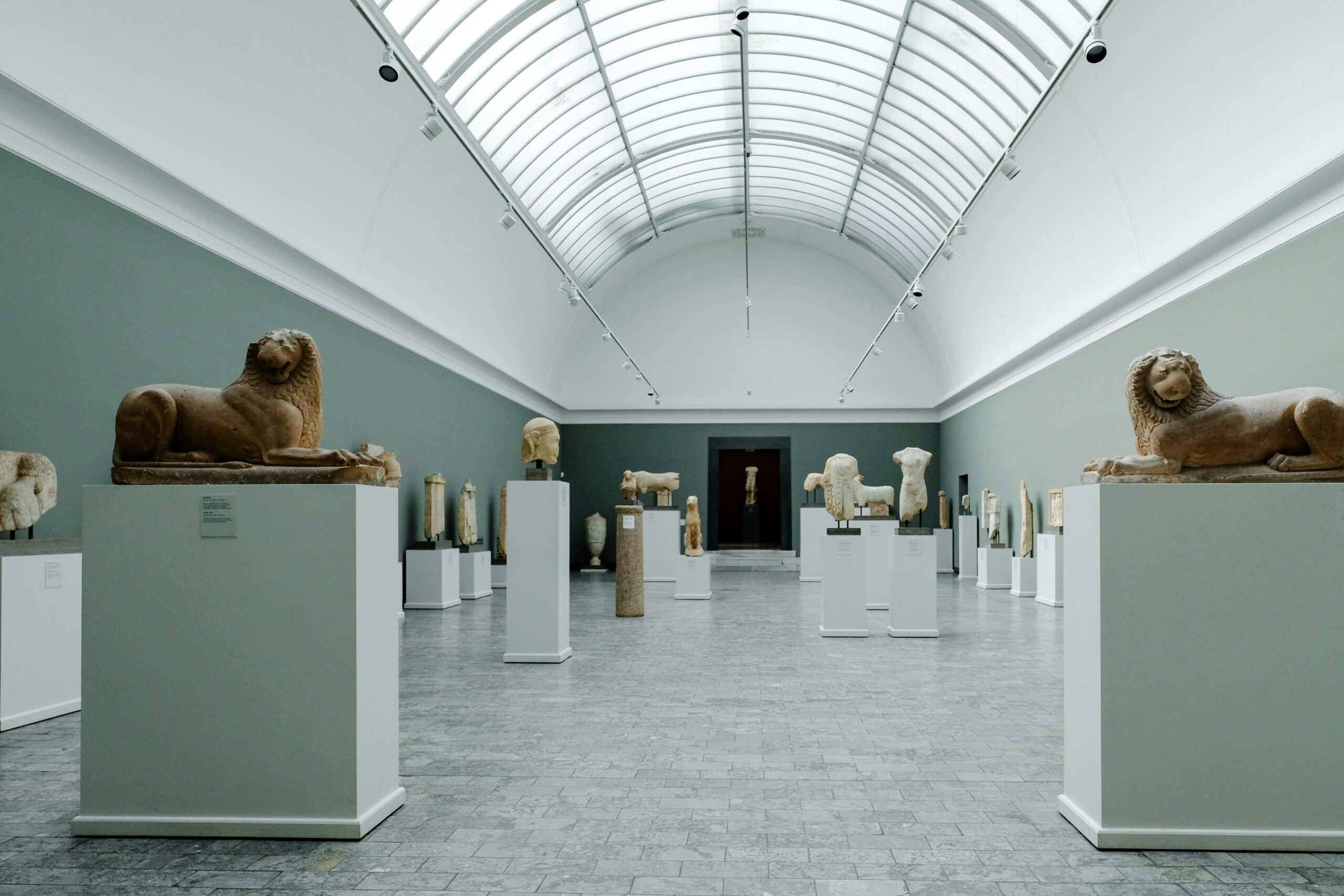
Imagine walking into a museum where the distant prehistoric past meets one of the most beloved franchises of modern pop culture. Ancient creatures that once ruled the Earth stand just feet away from familiar Pokémon figures that millions grew up watching, collecting, and playing with. What sounds like a dream crossover is about to become reality in the United States.
Japan’s Pokémon Fossil Museum, a traveling exhibition that has already drawn huge crowds overseas, is officially making its first ever international appearance. After years of success across Japanese museums, the exhibition is set to open in Illinois, bringing together science, storytelling, and imagination in a way few museums ever attempt.
This is not simply an exhibit for Pokémon fans, nor is it only for dinosaur enthusiasts. It is designed to show how fantasy can be rooted in real science, and how curiosity about fictional creatures can lead to a deeper understanding of the natural world.
What Exactly Is the Pokémon Fossil Museum?
At its core, the Pokémon Fossil Museum is an educational exhibition built around comparison. It places Fossil Pokémon alongside real fossils and scientific casts, encouraging visitors to examine similarities, differences, and design choices.
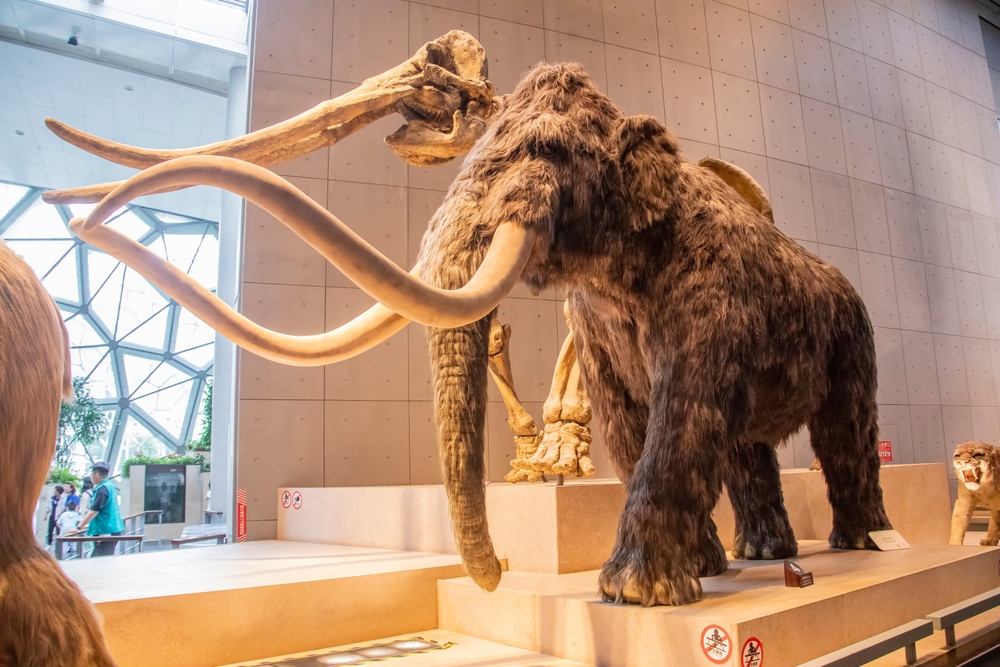
Rather than presenting Pokémon as pure fantasy, the exhibition reveals how many designs were inspired by real prehistoric animals. Skeletons of Fossil Pokémon are displayed next to the fossils of ancient organisms that once lived on Earth. Diagrams, illustrations, and physical models help visitors understand anatomy, evolution, and extinction in a way that feels intuitive rather than overwhelming.
The exhibition was originally created in Japan through a collaboration between scientists, illustrators, and The Pokémon Company. From the beginning, the goal was clear. Use a globally recognizable franchise to introduce children and families to paleontology without making it feel like a classroom lesson.
Visitors do not need prior knowledge of fossils or Pokémon to enjoy the experience. Everything is designed to be approachable, visual, and engaging.
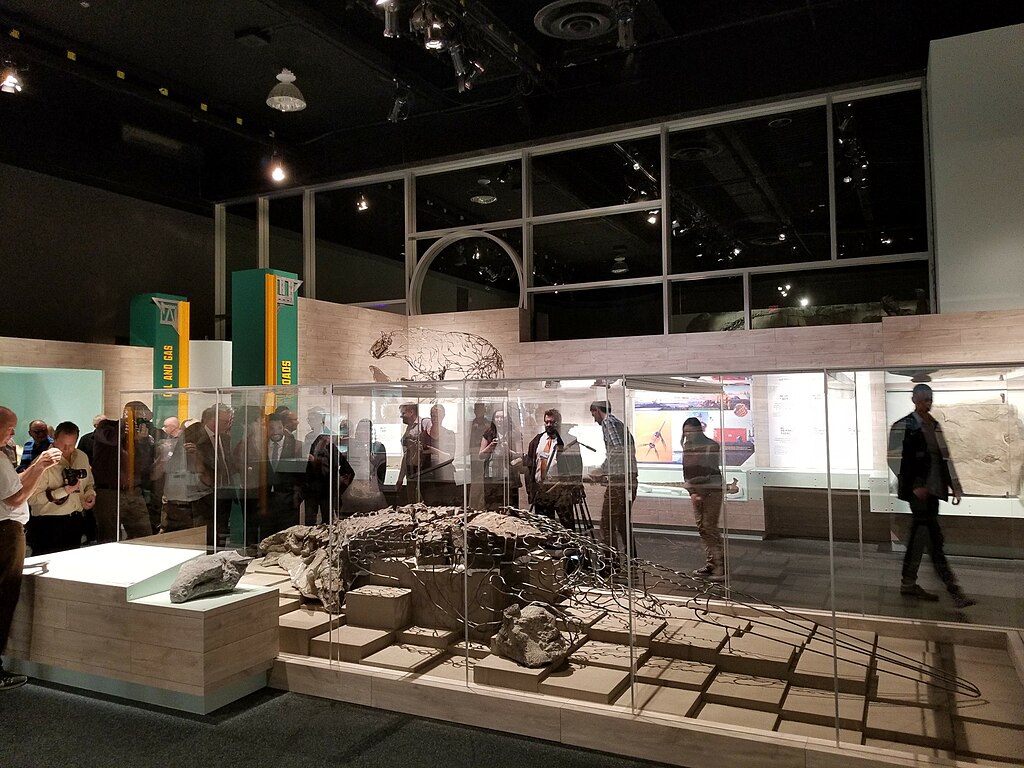
Why Japan’s Approach to Museums Feels So Different
One of the reasons the Pokémon Fossil Museum stands out is because it reflects a broader philosophy often seen in Japanese museum design. Education is blended with storytelling, warmth, and playfulness.
Instead of long text panels filled with technical language, the exhibit relies heavily on visual storytelling. Models are life size. Comparisons are side by side. Concepts like evolution and extinction are explained through images, movement, and simple language.
This approach helps remove a common barrier many people feel when entering science museums. The fear of not understanding enough. The Pokémon Fossil Museum removes that pressure by making curiosity the main requirement.
By connecting scientific ideas to something familiar, visitors are more likely to engage, ask questions, and remember what they learned long after they leave.
Fossil Pokémon and Their Real World Counterparts
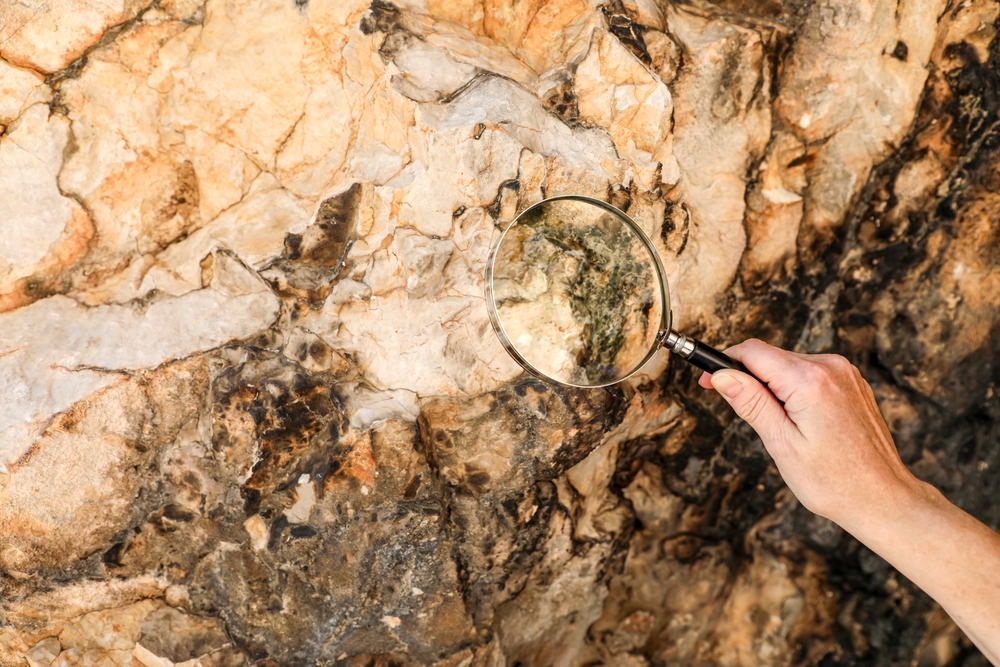
Many Fossil Pokémon were directly inspired by real organisms that once existed, and the exhibition highlights these connections in detail.
Tyrantrum, for example, is displayed alongside fossils of Tyrannosaurus rex. Visitors can observe similarities in skull shape, posture, and teeth while also noticing where creative exaggeration comes into play. Archeops appears next to early bird fossils, helping explain the evolutionary link between dinosaurs and modern birds.
Other notable comparisons include:
- Omanyte paired with ancient ammonites
- Aerodactyl displayed alongside pterosaurs
- Kabuto compared with horseshoe crabs, often described as living fossils
- Relicanth paired with coelacanths
- Aurorus shown next to long necked sauropods
- Bastiodon compared with shield headed ceratopsian dinosaurs
Each pairing acts as a conversation starter. Visitors are encouraged to ask why a Pokémon looks the way it does and what evidence scientists use to reconstruct ancient life.
Excavator Pikachu and Learning Through Storytelling
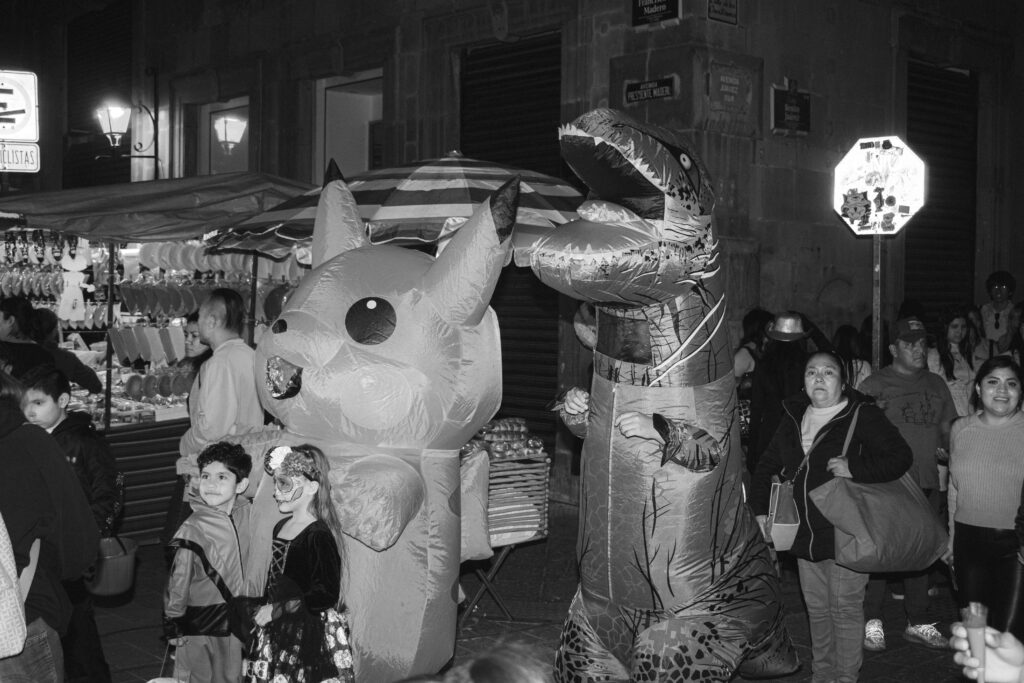
One of the most memorable elements of the exhibition is Excavator Pikachu. Wearing a helmet decorated with fossil imagery, the character guides visitors through the world of paleontology.
Rather than acting as a mascot alone, Excavator Pikachu serves a clear educational purpose. The character introduces basic excavation techniques, explains how fossils are discovered, and helps simplify complex ideas.
For younger visitors especially, this storytelling approach makes science feel less intimidating. Instead of being told facts, children are invited into a narrative where discovery feels like an adventure.
This method reflects how many people actually learn best. Through stories, visuals, and hands on interaction rather than lectures.
Interactive Displays That Encourage Scientific Thinking

The Pokémon Fossil Museum goes beyond static displays. Interactive sections allow visitors to explore how fossils are uncovered and studied. These areas explain:
- How paleontologists locate potential fossil sites
- The tools used to carefully excavate remains
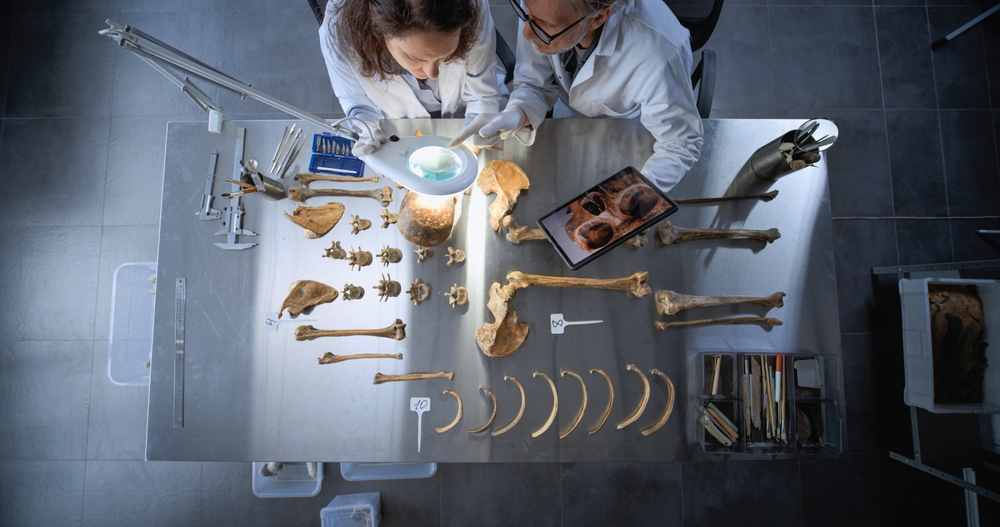
- The process of cleaning, preserving, and reconstructing fossils
- How scientists interpret incomplete evidence
Rather than presenting science as a collection of finished answers, the exhibition emphasizes process. Visitors learn that paleontology involves patience, hypothesis, and sometimes uncertainty.
This approach helps demystify science and shows that discovery is ongoing, not something locked away in the past.
Record Breaking Success Across Japan
Since opening in 2021, the Pokémon Fossil Museum has traveled to multiple cities across Japan, consistently attracting massive crowds. At several locations, attendance records were broken, with visitor numbers far exceeding expectations.
Families traveled long distances to experience the exhibition, and milestone visitors were often celebrated with commemorative gifts. Reviews frequently praised the exhibit for making science accessible without sacrificing accuracy.
Critics noted that even visitors unfamiliar with Pokémon could still enjoy the exhibition due to its clear comparisons and strong visual storytelling. Meanwhile, fans of the franchise appreciated seeing familiar characters presented in a thoughtful, educational context.
The exhibition proved that combining entertainment with learning does not diminish either. Instead, it can strengthen both.
Why the United States Debut Is a Big Deal
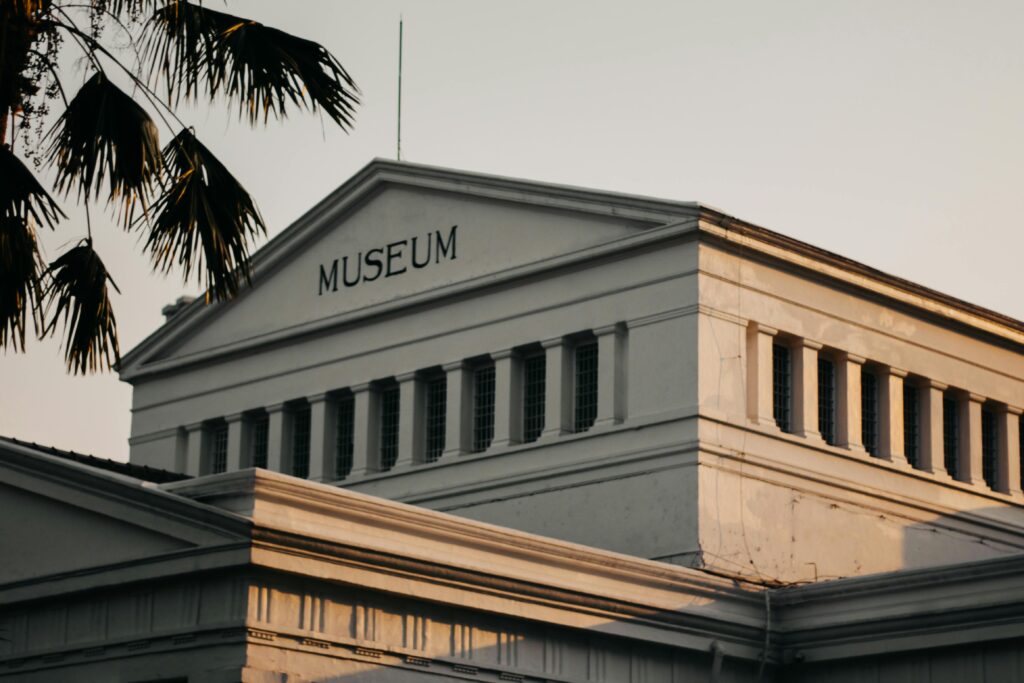
The Chicago installation marks the first time the Pokémon Fossil Museum has ever traveled outside Japan. For years, international fans could only experience it through photos or a virtual tour.
Its arrival in Illinois represents a major cultural crossover. A Japanese exhibition rooted in anime culture is now being presented within one of America’s most respected natural history museums.
This signals growing recognition that museums must evolve to reach new audiences. Blending pop culture with education is no longer seen as a risk, but as an opportunity.
The Field Museum will integrate its own iconic specimens into the exhibition, including famous dinosaur casts that anchor the experience in real scientific history.
A Limited Time Experience in Illinois
The exhibition is scheduled to open on May 22, 2026, and will run through April 11, 2027. While that may sound like a long window, demand is expected to be high.
For many visitors, this will be a rare opportunity. The exhibition has not announced additional United States tour stops, making the Illinois location especially significant.
Families, educators, and fans alike are already marking calendars, recognizing that experiences like this do not come around often.
A Strange but Fascinating Design Choice
One of the most interesting aspects of the Pokémon Fossil Museum is its honesty about creative liberties.
Some Fossil Pokémon include features that no real prehistoric animal ever had. Aerodactyl and Kabuto, for instance, display exaggerated traits that go beyond scientific possibility.
Rather than hiding these inaccuracies, the exhibition highlights them. Visitors are encouraged to notice what matches real fossils and what does not.
This becomes a lesson in critical thinking. Understanding where fantasy diverges from evidence is just as important as recognizing similarities.
Museums, Nostalgia, and the Power of Curiosity

The success of the Pokémon Fossil Museum speaks to something deeper than fandom. It highlights the role nostalgia can play in learning.
For adults, Pokémon often represents childhood curiosity and wonder. For children, it is an entry point into storytelling and imagination. By bringing both generations together, the exhibition creates shared moments of discovery.
Parents find themselves learning alongside their children. Children see adults engaging with science rather than avoiding it. This shared curiosity strengthens the educational impact.
Why This Exhibition Matters Right Now
In an era dominated by short attention spans and digital distractions, museums face increasing pressure to remain relevant. The Pokémon Fossil Museum offers a compelling answer.
It shows that education does not need to compete with entertainment. The two can coexist, supporting and enhancing each other.
By meeting audiences where their interests already are, museums can spark curiosity that extends beyond the exhibit walls. A visit might lead to further reading, school projects, or even future careers in science.
From Fantasy to Future Scientists
Many paleontologists cite childhood fascination as the spark that led them into their field. Dinosaurs, fossils, and ancient mysteries capture imaginations early.
By connecting those interests with a beloved franchise, the Pokémon Fossil Museum increases the likelihood that children will see science as something exciting rather than distant.
The exhibition does not promise to turn every visitor into a scientist. Instead, it plants a seed. Curiosity, once sparked, has a way of growing.
A Reflection on Learning Through Joy
At its heart, the Pokémon Fossil Museum is a reminder that learning can be joyful. It does not require pressure, perfection, or prior knowledge.
Standing beneath towering fossils and familiar Pokémon figures, visitors are invited to wonder about life millions of years ago and the stories we tell to understand it.
As the exhibition prepares to open its doors in Illinois, it carries with it more than models and fossils. It brings an idea. That imagination and science are not opposites, but partners.
Sometimes, the path to understanding the ancient past begins with a familiar character wearing a fossil helmet and inviting you to dig a little deeper.