


Radical Review Suggests Autism Is a Treatable Metabolic Signaling Disorder
For decades, we have viewed autism as a rigid genetic destiny, a permanent conclusion written before a child is even born. But what if we have been looking at it through the wrong lens? Emerging science is beginning to tell a different story, one where the body is not broken but simply stuck in a defensive loop, desperately trying to protect itself. This shift in perspective suggests that the condition may not be a final verdict, but a dynamic metabolic process that can be understood, supported, and potentially healed.
A New Unified Theory: The Three-Hit Model
For over a century, the scientific community has stared at scattered puzzle pieces, trying to understand the complex origins of autism. Researchers identified hundreds of genetic risk factors alongside environmental influences like pollution and maternal infection, yet a single coherent explanation remained elusive. That creates a picture of confusion rather than clarity. Now, a groundbreaking review from the University of California San Diego School of Medicine offers a unifying framework that pulls these loose threads together.
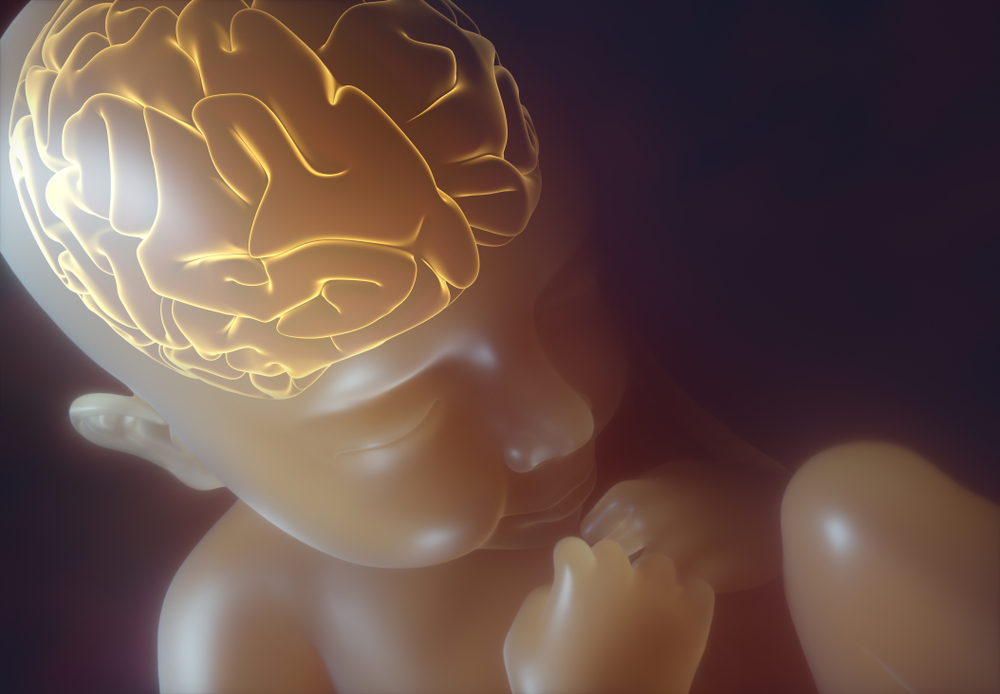
Dr. Robert Naviaux proposes that autism is not the inevitable result of bad luck or a single gene. It is the outcome of a “three-hit” metabolic model. This framework suggests that the condition arises from a specific sequence of biological events. The first hit is genetic predisposition, where a child inherits a sensitive genotype that makes their cellular systems highly reactive to change. The second hit comes from the environment during a critical developmental window, where triggers such as infections, metabolic stress, or toxins activate the body’s defense mechanisms.
The critical third hit occurs when this cellular stress response refuses to turn off. Instead of returning to a state of growth and healing, the body remains stuck in a defensive mode. This prolonged metabolic stress diverts precious energy away from brain development and toward cellular defense. As Dr. Naviaux states, “Autism is not the inevitable result of any one gene or exposure, but the outcome of a series of biological interactions, many of which can be modified.” This perspective shifts the narrative from a static genetic destiny to a dynamic, treatable metabolic condition.
A System on Permanent Alert

Deep inside every cell lies an ancient safety system known as the Cell Danger Response (CDR). Think of it like a fire alarm for the body. When cells detect a threat, such as an infection, a toxin, or physical stress, they flip a switch. They stop their normal job of growing and communicating so they can focus entirely on defense and healing. Under normal conditions, this alarm rings for a short time, the threat goes away, and the cells go back to work.
However, this new research suggests that in autism, the alarm gets stuck in the “on” position. The siren that keeps ringing is a molecule called ATP. Usually, ATP acts as fuel inside the cell. But when it leaks outside the cell, it sends a loud signal that danger is present. If this signal continues for months during early childhood, the body remains in a state of high alert long after the actual threat is gone.

This constant state of emergency comes with a heavy price. A child has a limited amount of energy. When the body spends all that energy on cellular defense, it steals resources away from the brain. The complex work of building neural connections and learning social skills gets put on hold because the body believes it is still fighting a war. It is not that the body is broken; it is simply reacting to a false signal.
As Dr. Naviaux explains, “Behavior has a chemical basis. The CDR regulates that chemistry. When it remains activated too long, it diverts the body’s resources from normal growth and development toward cellular defense, leaving fewer resources for the developing brain.”
Rewriting the Script: Why Biology Is Not Destiny

The most revolutionary aspect of this model is the shift in perspective from “inevitable” to “treatable.” For decades, the focus on genetics led many to believe that autism was a fixed destination. However, if the “second and third hits” are driven by environmental triggers and metabolic stress, then those factors can be changed. The cycle can be broken.
To illustrate this potential, researchers point to Phenylketonuria (PKU). PKU is a classic genetic disorder that, if left untreated, causes severe intellectual disability. Yet, because scientists discovered it was a metabolic issue, they found a solution. By altering the diet and metabolism early in life, children with the genetic markers for PKU now grow up to lead typical, healthy lives. The genes remain the same, but the outcome changes completely.
This new model suggests a similar future is possible for autism. Dr. Naviaux estimates that if we can identify and support children during the critical windows of pregnancy and early infancy, as many as half of all cases might be prevented or significantly reduced. This opens the door to new strategies, such as metabolic testing for newborns and treatments designed to turn off the “danger signal” and allow the brain to return to learning.
“Understanding autism through the lens of metabolic signaling doesn’t just change how we think about the condition,” Dr. Naviaux noted. “It changes what we can do about it.”
Charting the Future of Autism Research

While this research offers a powerful ray of hope, it is important to recognize that the work is just beginning. The “three-hit” theory serves as a compass rather than a final destination. Currently, it remains a theoretical framework that requires further validation and rigorous testing to fully understand how these complex biological pieces fit together.
The path forward involves developing precise tools to catch these warning signs early. Researchers are calling for the creation of advanced screening methods that can detect metabolic stress in newborns or during pregnancy. The goal is to identify the smoke before it becomes a fire.
Beyond detection, the focus turns to active intervention. Scientists are now exploring specific treatments, such as antipurinergic therapies, designed to regulate abnormal chemical signaling. The objective is to calm the cellular panic and reset the body’s energy systems. By breaking down the walls between genetics, immunology, and environmental science, this model encourages a unified approach to health. It suggests that with the right tools and timing, it may be possible to rewrite the developmental story for countless children.
Turning Down the Noise

For too long, the story told about autism was one of mystery and permanence. We looked at genetics and saw a locked door. This research hands us a key. It reminds us that the human body is not fighting against the child. It is fighting for them. The cells are reacting to a world that has become too stressful and toxic to handle.
This model teaches that biology is fluid. It moves. It changes. Because it changes, there is power to influence it. This is not about fixing a child who is broken. It is about supporting a body that is actively trying to heal but has lost its way.
We are stepping away from the idea that we are helpless victims of our DNA. We are moving toward a future where we can be the architects of our well being. The potential to prevent suffering and unlock hidden potential is closer than ever. It is time to listen to the signals these cells are sending. It is time to turn down the noise so that true growth can begin.
Source:
- Naviaux, R. K. (2025). A 3-hit metabolic signaling model for the core symptoms of autism spectrum disorder. Mitochondrion, 102096. https://doi.org/10.1016/j.mito.2025.102096