

The Science Behind Rare Heart Reactions Linked To COVID 19 Vaccination In Young Men
When reports first emerged that a small number of young men experienced heart inflammation after receiving COVID 19 vaccines many people were left confused and concerned. Headlines spread quickly across social media often without context fueling anxiety and speculation. For families trying to make informed health decisions the lack of clear explanations created an emotional and scientific gap.
Over time researchers across the world began asking the same question. Why was this rare reaction appearing more frequently in younger males and what exactly was happening inside the body. Scientists emphasized early on that these cases were uncommon and typically mild yet understanding the mechanism mattered deeply for public trust and future vaccine development.
Now new research from leading institutions including Stanford University and findings summarized by Scientific American have helped piece together the biological explanation. Instead of vague theories scientists are now pointing to specific immune responses that help explain why myocarditis appeared in a small subset of patients.
This growing clarity does not just answer lingering questions. It also offers reassurance that the scientific process is working by identifying risks studying them transparently and improving medical guidance moving forward.
What Is Myocarditis And Why It Drew So Much Attention
Myocarditis is a condition involving inflammation of the heart muscle and it can affect how the heart pumps blood. Symptoms may include chest pain, shortness of breath or an irregular heartbeat. In severe cases it can interfere with normal heart function though most vaccine related cases resolved quickly with minimal treatment.
The condition is not new and has long been associated with viral infections including the virus that causes COVID 19 itself. Long before vaccines were available doctors observed myocarditis in patients recovering from common respiratory illnesses particularly in younger individuals with strong immune systems.
What made myocarditis a focal point during the vaccine rollout was the timing. Some young men experienced symptoms within days of receiving an mRNA vaccine dose especially after the second shot. This temporal connection made it easier for the cases to be noticed tracked and discussed publicly.
Public attention grew rapidly partly because heart related issues feel especially alarming. Even when doctors stressed the rarity and mild nature of most cases the emotional weight of the word heart made it difficult for nuance to travel as fast as fear.
Why Young Men Were More Affected Than Other Groups
One of the most puzzling aspects was why young males seemed to experience myocarditis more often than women or older adults. Scientists suspected from early data that hormones immune system differences and genetics could all play a role.
According to researchers cited by Scientific American, testosterone may influence immune signaling in a way that amplifies inflammation. Young men tend to produce stronger inflammatory responses which are usually beneficial for fighting infections but can occasionally overshoot.
Stanford researchers noted that younger immune systems are often more reactive. This heightened responsiveness means that when the immune system is activated by a vaccine it may respond more aggressively than intended in rare circumstances.
Importantly scientists emphasized that even within this group the condition remained rare. The vast majority of young men received vaccines without any heart related symptoms underscoring that multiple factors likely had to align for myocarditis to occur.
The Immune System Clue Scientists Finally Uncovered
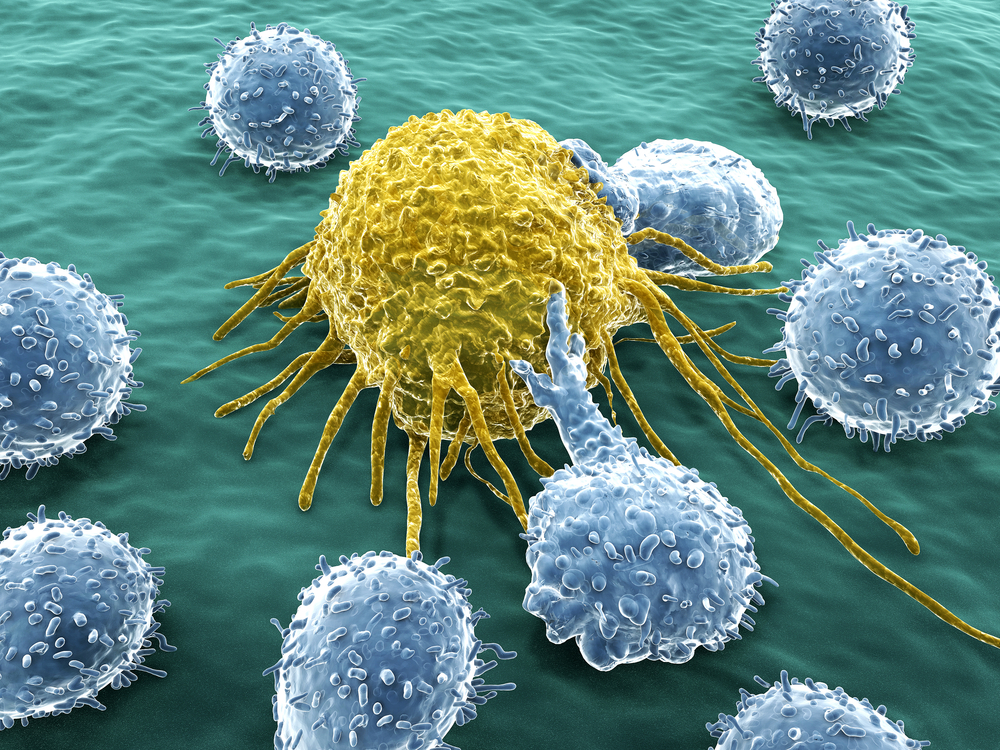
The most significant breakthrough came when researchers began closely examining immune cell behavior after vaccination. Studies referenced by Stanford Medicine showed that certain immune cells produced inflammatory signals that temporarily affected heart tissue.
Rather than the vaccine directly harming the heart scientists found that the body immune response was the driving factor. In rare cases immune cells mistook heart proteins as targets after being activated by the vaccine messenger RNA instructions.
Researchers observed elevated levels of specific cytokines which are signaling molecules that regulate inflammation. When these molecules spike too high they can cause localized inflammation including in the heart muscle.
This discovery helped shift the narrative. It clarified that the vaccine was not toxic to the heart but that the immune system reaction was the root cause which also explained why symptoms often resolved as inflammation subsided.
How mRNA Vaccines Trigger A Protective Yet Powerful Response
mRNA vaccines work by teaching the body how to recognize and defend against a virus. They deliver instructions that prompt cells to produce a harmless piece of the virus which then trains the immune system to respond quickly if exposed later. This process allows the body to build memory defenses without ever being exposed to the live virus itself.
This process is remarkably effective and has saved millions of lives worldwide. However its strength is also why researchers paid close attention to unusual reactions. A powerful immune response is exactly what vaccines are designed to create and in most people it functions precisely as intended.
In rare individuals this response may become overly enthusiastic. The immune system may activate pathways that briefly affect tissues beyond the intended target including heart muscle cells. Researchers noted that this heightened activity is temporary and typically settles as immune signaling returns to baseline.
Understanding this balance has been critical. It allows scientists to fine tune dosing intervals recommendations and monitoring strategies to ensure vaccines remain both effective and as safe as possible. These insights also help guide communication between doctors and patients.
How Doctors And Health Agencies Used This Knowledge
As evidence accumulated health agencies adjusted guidance particularly for younger males. Some countries extended the time between doses to reduce immune system intensity without compromising protection. These changes were based on emerging data rather than speculation.
Clinicians were also advised to inform patients about warning signs such as chest discomfort or shortness of breath following vaccination. Early recognition helped ensure prompt evaluation and reassurance when symptoms appeared. This approach reduced unnecessary anxiety while prioritizing patient safety.
Stanford experts emphasized that most cases responded well to rest and anti inflammatory treatment. Hospital stays were generally short and long term complications were uncommon according to follow up data. Many patients returned to normal activities within weeks.
This measured response showed how evolving science can improve real world care. Instead of abandoning vaccination efforts medical systems adapted based on evidence and transparency. The result was a more informed and balanced public health strategy.

Putting The Risk Into Perspective Against COVID 19 Itself
One of the most important takeaways from this research is context. COVID 19 infection itself carries a significantly higher risk of myocarditis than vaccination especially among young people. This risk increases with severe illness and repeated infections.
Multiple studies have shown that viral infection can cause more severe and lasting heart inflammation than the rare vaccine associated cases. This comparison often gets lost in public conversations focused only on vaccine side effects. Researchers stress that infection related myocarditis can also come with broader systemic damage.
Scientists stressed that understanding risks does not mean ignoring benefits. Vaccines dramatically reduce hospitalization, severe illness and long term complications including heart damage caused by infection. This protective effect remains central to vaccination recommendations.
By clarifying the mechanism behind vaccine related myocarditis researchers helped reinforce informed decision making rather than fear driven reactions. Accurate comparisons empower people to weigh risks realistically.
What This Means For Future Vaccines And Public Trust
The ability to identify explain and communicate rare side effects is a sign of scientific progress not failure. These findings will inform the design of next generation vaccines with even greater precision. Future platforms may further reduce inflammatory side responses.
Researchers are exploring ways to maintain strong immune protection while minimizing inflammatory spillover. This includes adjusting formulations dosing strategies and delivery methods. Such refinements are already being discussed within the scientific community.
Transparency has also played a crucial role. By openly publishing results and engaging with public concerns scientists helped rebuild trust that was strained during the early pandemic years. Open dialogue remains essential for long term confidence.
Ultimately this story demonstrates that science evolves through questioning careful observation and continuous improvement. Understanding rare outcomes strengthens rather than weakens public health.

Why Understanding Risk Builds Stronger Trust
For many people the myocarditis discussion became a symbol of uncertainty during a chaotic time. New research now offers clarity and reassurance grounded in evidence rather than speculation. It shows how questions can lead to meaningful answers.
The story also highlights how complex the human immune system is. A response designed to protect us can occasionally behave unpredictably yet science has the tools to understand and manage these moments. This balance lies at the heart of modern medicine.
Readers can take comfort in knowing that medical recommendations are not static. They adapt as knowledge grows and as real world data reveals new insights. This flexibility is a strength not a weakness.
At its core this research reminds us that asking hard questions leads to better answers and that informed dialogue is essential for navigating health decisions in an interconnected world.
Featured Image Credit: Photo by Maksim Goncharenok | Pexels