


12 Traits of People Who Feel and See More Than Most
Some people walk into a room and know something is wrong before anyone speaks. They sense tension in a smile, hear lies hidden beneath words, and feel emotions others try to bury. You might call it a sixth sense. You might call it being overly sensitive. But those who live with deep intuition know it as something else entirely.
Intuition remains one of the most misunderstood human abilities. Society often dismisses it as superstition or wishful thinking. Yet those who possess it in abundance experience reality through a filter most people never develop. Where others see a pleasant conversation, they detect hidden agendas. Where others notice nothing unusual, they feel the weight of unspoken pain.
What makes these individuals different? And why do they often feel like outsiders looking in on a world that moves too fast and feels too much? Let’s look at what sets them apart.
1. They Read Someone’s Energy Within Seconds
Intuitive people form impressions of others almost instantly. Before a single word crosses someone’s lips, they have already absorbed information about that person’s state of mind, emotional temperature, and general trustworthiness. Most people need time to assess someone new. Intuitive individuals process these signals in the background, often without conscious effort.
You might dismiss this as a snap judgment. But research on thin-slicing suggests humans can make accurate assessments based on brief exposures to others. Intuitive people simply do this better and faster than average. They pick up on micro-signals that bypass conscious awareness and register somewhere deeper in the mind.
2. Micro-Expressions Never Escape Their Notice
A flash of contempt lasting one-fifth of a second. A flicker of fear that vanishes before most people could register it. Micro-expressions represent emotional leakage that contradicts what someone wants to project. Intuitive people catch these fleeting signals with unusual accuracy.
Where others see a steady smile, they notice the brief tightening around the eyes that signals strain. Where others hear confident words, they spot the momentary downturn of lips that betrays doubt. Living with this ability means never quite believing what people show on the surface, because the surface so often lies.
3. Bodies Speak Louder Than Words to Them

Crossed arms, shifted weight, turned shoulders, fidgeting hands. Body language broadcasts information constantly, and intuitive people receive that broadcast loud and clear. They notice when someone’s posture closes off during a certain topic. They see feet pointing toward the exit during conversations. They observe the lean toward interest or the subtle retreat of discomfort.
Most people focus on words. Intuitive individuals watch the whole performance, knowing that bodies often tell a truer story than mouths ever could. A person might say everything is fine while their body screams distress.
4. Silence Speaks Volumes to Their Ears
What remains unsaid often carries more weight than what gets spoken. Intuitive people excel at hearing these gaps, these deliberate omissions, these pregnant pauses. When someone avoids a subject, they notice. When a story skips important details, it feels the hole. When answers dance around questions, they register the evasion.
Living with this sensitivity means conversations happen on two levels. One level contains the actual exchange of words. Another level contains everything people choose not to say, which often proves far more interesting and revealing.
5. Speech Patterns Reveal Hidden Truths

People establish baseline patterns in how they speak, and deviations from those patterns signal something worth noticing. Intuitive individuals track these shifts without trying. A sudden change in vocabulary, an unusual pause before answering, a slight rise in pitch, and repetition of certain phrases when nervous.
Liars often give themselves away through speech pattern changes before they trip over facts. Someone under stress speaks differently than when relaxed. Intuitive people pick up on these shifts like radar detecting movement on a screen.
6. Pain Has Sharpened Their Perception
Many highly intuitive people developed their abilities through suffering. Childhood environments require constant vigilance for adult moods. Relationships with unpredictable partners. Trauma that made reading others a survival skill rather than a curiosity.
Emotional struggles can function like weight training for intuition. When safety depends on predicting someone’s next move or mood, the mind adapts. It becomes hyper-attuned to signals of danger, change, or hidden emotion. What began as a defense mechanism becomes a permanent feature of how these individuals perceive reality.
7. Values Become Visible Without Discussion

What matters most to people shows up in countless small ways. How do they spend money? What makes them light up? Which topics bore them? What they criticize and praise. Intuitive people observe these patterns and build accurate maps of others’ value systems without ever needing a direct conversation about beliefs.
After spending time with someone, they know whether that person values status or authenticity, security or adventure, connection or achievement. Actions reveal priorities more honestly than any stated philosophy ever could.
8. Manipulation Tactics Fall Flat Against Them
Manipulators rely on their targets missing the warning signs. Gaslighters depend on their victims doubting their own perceptions. Con artists succeed when marks ignore their gut feelings. Intuitive people make poor victims because they spot the game being played.
Something feels off, and they trust that feeling. Flattery that serves an agenda triggers suspicion rather than gratitude. Pressure tactics raise red flags rather than compliance. Guilt trips get recognized as manipulation rather than accepted as a legitimate concern. People who read others well prove much harder to deceive.
9. Fear and Nervousness Broadcast Clearly
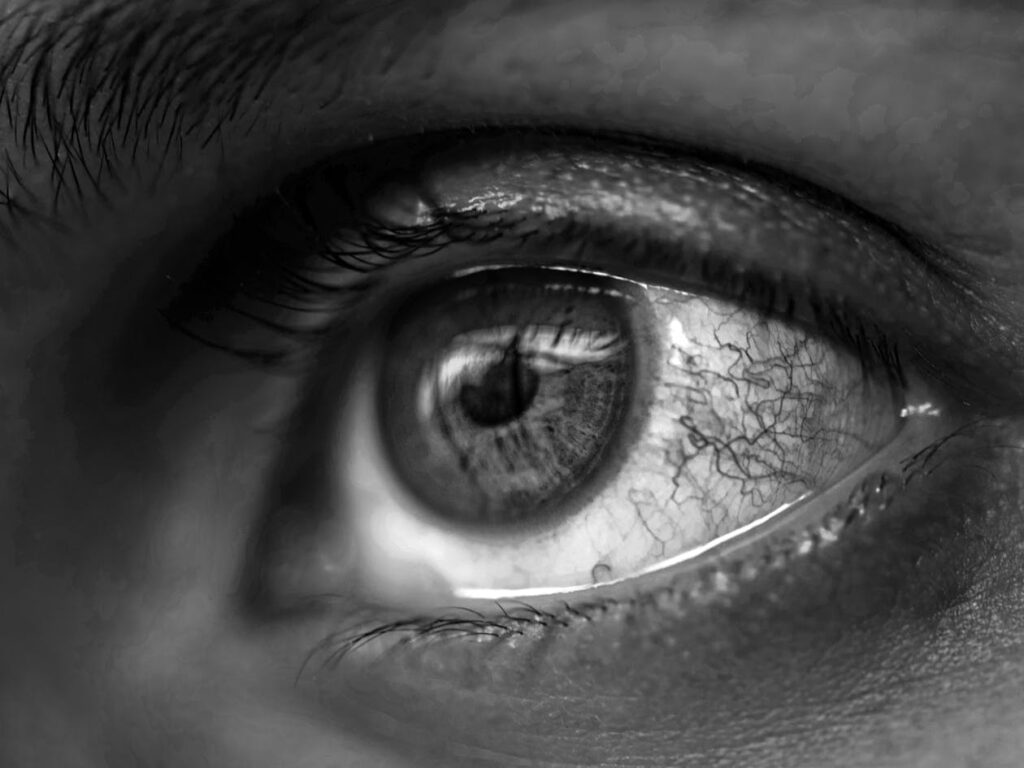
Someone might project calm while anxiety churns beneath the surface. Most observers miss the signs. Intuitive people sense the tension like a change in air pressure before a storm. Rapid blinking, shallow breathing, excessive stillness, and overcompensated casualness.
Fear leaves traces everywhere for those who know how to look. And intuitive individuals have learned to read fear in others, sometimes because they have felt so much of it themselves.
10. Deception Triggers an Internal Alarm
When someone lies, something in the intuitive person responds. Perhaps inconsistency between words and energy. Perhaps micro-expressions contradict stated emotions. Perhaps a felt sense that something doesn’t add up, even when logic cannot yet identify the problem.
Intuitive people often know they are being lied to before they can prove it. Later, evidence might confirm what they sensed from the start. Learning to trust these internal alarms takes time, especially in a culture that demands proof before belief.
11. Distress in Others Registers Deeply

Someone suffering often tries to hide it. Pride, fear of burdening others, and social conditioning against showing weakness. Yet intuitive people feel the pain that others attempt to conceal. A friend insists everything is fine, while something in their eyes says otherwise. A family member forcing cheerfulness while grief weighs on their shoulders.
Sensing hidden distress creates a dilemma. Speaking up risks embarrassing someone who wants privacy. Staying silent means leaving someone alone in their suffering. Intuitive people often find themselves in this uncomfortable position, knowing truths others wish to keep hidden.
12. Sensory Overload Comes With the Territory
Processing more information means more neural work. Crowded spaces, loud environments, and emotionally charged gatherings can exhaust intuitive people faster than others. Where some thrive on stimulation, they need solitude to recover from absorbing so much data about everyone around them.
Many highly intuitive individuals identify as introverts or highly sensitive people. Parties drain them. Shopping malls overwhelm them. They require downtime that others might not understand, because their minds have been working overtime in ways invisible to everyone else.
A Gift That Demands Great Care

Living with deep intuition carries both blessings and burdens. Seeing what others miss creates connection and understanding. It also creates loneliness when no one else perceives what seems obvious. Sensing lies and hidden emotions means fewer illusions but also fewer comforts.
Highly intuitive people must learn to manage their gift. Boundaries protect against absorbing too much from others. Solitude restores depleted reserves. Trusting perceptions while remaining humble about fallibility requires constant balance.
Society needs these individuals who see beneath surfaces. They make counselors, artists, leaders, and friends who truly understand. But they must also care for themselves in ways others might not need. Sensitivity requires protection. Deep perception requires rest.
If you recognized yourself in these traits, know that your way of experiencing the world carries value. You notice what others overlook. You feel what others ignore. You know truths that others never sense.
Learning to live well with intuition means accepting both its beauty and its weight. Neither apologizing for your sensitivity nor letting it consume you. Instead, treating it as the rare ability it is, one that allows you to connect with reality and with others in ways most people will never know.