

If You’ve Lost Interest in Leaving Your House as You’ve Gotten Older, These 30 Reasons Explain Why

As the years go by, something funny happens. The excitement we once felt about late nights, packed schedules, and constant plans slowly softens. It is not fear, and it is not a lack of curiosity. It is a quiet change that arrives without announcement. The outside world starts to feel louder and more demanding, while home begins to feel calmer and more rewarding. What once felt dull now feels grounding, and what once felt thrilling now often feels exhausting.
If you have ever turned down plans just to stay home with a familiar chair, a blanket, and something comforting to eat, you are not alone. This shift is not about giving up on life or losing interest in people. It is about realizing what actually feels good after years of movement, noise, and obligation. Over time, staying home stops feeling like a compromise and starts feeling like a choice rooted in peace, comfort, and control.
Image Credit: Shutterstock
The 30 Reasons People Lose Interest in Leaving Their House
- Quiet becomes a luxury because silence starts to feel rare and deeply valuable after years of noise, crowds, and constant stimulation.
- Home snacks are always reliable since favorite foods are already there, chosen intentionally, and never disappointing.
- The couch feels better than any seat outside because it is broken in, familiar, and requires no adjustment or effort.
- Small talk feels unnecessary once conversations without meaning lose their appeal.
- Technology makes leaving optional by bringing errands, entertainment, and connection directly into the home.
- Pets offer better companionship through presence rather than conversation or expectation.
- The favorite chair fits perfectly after years of use in a way no public seat ever could.
- Rest finally feels productive rather than lazy or wasted.
- New places start to feel repetitive after decades of similar experiences.
- Pajamas beat real clothes once comfort becomes more important than appearance.
- The bathroom at home is better and predictability starts to matter more with age.
- Parking feels like a battle that is never worth the effort.
- FOMO slowly fades away and contentment takes its place.
- Errands moving online remove one more reason to leave the house.
- Outside noise feels overwhelming compared to the quiet indoors.
- Streaming replaces social plans without the pressure to participate or perform.
- Hosting at home feels easier than navigating restaurants or venues.
- Weather stops influencing plans when staying inside is preferred.
- Routine becomes comforting rather than boring.
- Takeout rivals restaurants without crowds or waiting.
- Solitude starts to feel peaceful rather than lonely.
- Social media covers catching up without obligation.
- Dressing up loses its appeal as comfort takes priority.
- Indoor hobbies become fulfilling and absorbing.
- Deliveries bring the world inside without effort.
- Adventures feel smaller and closer to home.
- The hustle loses meaning as priorities shift.
- Home reflects personality in a way public places never can.
- Doing nothing feels earned after years of busyness.
- Staying home feels intentional rather than accidental.
Image Credit: Shutterstock
How Comfort Slowly Replaces Excitement
As people grow older, comfort quietly begins to matter more than excitement. Experiences that once felt thrilling start to come with trade-offs that no longer feel worth it. Crowds feel tighter, noise feels louder, and the effort required to enjoy something often outweighs the enjoyment itself. Home, by contrast, offers consistency. It delivers exactly what it promises without surprises.
Familiar surroundings create a sense of ease that public spaces rarely offer. Favorite seating, controlled lighting, and predictable quiet make it easier to relax fully. There is no need to adapt, explain, or keep up appearances. Everything is already arranged in a way that feels natural, and that familiarity becomes deeply appealing over time.
Eventually, excitement stops being about novelty and starts being about comfort. Staying home does not feel like settling. It feels like choosing an environment that supports rest, clarity, and peace without effort.
Image Credit: Shutterstock
Why Home Starts to Feel Like the Best Place to Be
Home slowly transforms into a space designed around real needs rather than impressions. Every room reflects habits, preferences, and routines built over time. There is no pressure to socialize, spend money, or entertain anyone. Home allows people to exist exactly as they are, without explanation.
Image Credit: Shutterstock
As priorities change, people invest more energy into improving their living spaces instead of seeking satisfaction elsewhere. Lighting, seating, and quiet corners become important. These small adjustments add up, turning home into a place that actively supports rest and comfort.
Spending time at home also reshapes how people view solitude. Being alone stops feeling like isolation and starts feeling like relief. Time at home becomes restorative rather than empty.
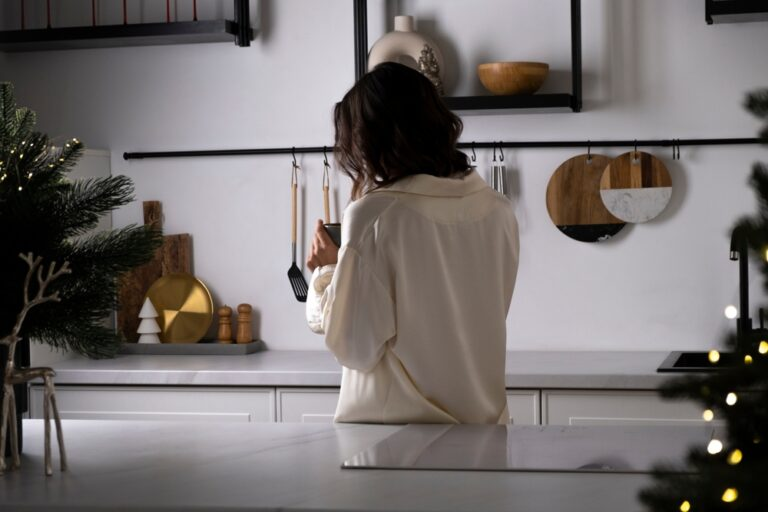
Image Credit: Shutterstock
How Convenience Changed the Desire to Go Out
Convenience has reshaped daily life in ways that make leaving the house less necessary than ever. Groceries, meals, entertainment, and even social interaction can now happen without stepping outside. What once required planning now takes minutes.
Errands that used to take entire afternoons are now completed from the couch. Entertainment that once meant tickets and crowds now lives in the living room. Even communication has shifted, allowing connection without constant physical presence.
As convenience grows, the effort of going out begins to feel unnecessary. Staying home becomes not just easier, but genuinely preferable.
The Emotional Shift That Comes With Age
Emotionally, something changes as well. The urge to be everywhere and do everything slowly fades. The fear of missing out loses its grip, replaced by a sense of contentment. Quiet evenings feel richer than packed schedules.
Noise becomes more noticeable, crowds more draining, and constant stimulation more exhausting. Home offers relief from all of it. It provides control over sound, pace, and energy.
This shift is not withdrawal. It is a redefinition of happiness. For many, happiness becomes slower, calmer, and closer to home.

Image Credit: Shutterstock
Choosing Peace Over Pressure
Losing interest in leaving the house is not a failure or a sign that something has gone wrong. It is often a quiet indication that priorities have shifted in a healthier, more self aware direction. With age comes the realization that joy does not have to be loud, busy, or constantly shared to be meaningful. The need to always be doing something, going somewhere, or proving engagement with life slowly fades. In its place comes a deeper appreciation for calm, comfort, and environments that feel supportive rather than demanding.
Staying home becomes less about avoidance and more about intention. It is no longer a reaction to exhaustion or social burnout, but a deliberate choice to spend time in a space that feels manageable and familiar. Home offers control over pace, sound, and energy in a way the outside world rarely does. Within those walls, people can rest without explanation, enjoy quiet without guilt, and move through their day without pressure to perform or participate.
There is also a sense of emotional safety that comes with choosing peace. The constant push to keep up, stay visible, or chase experiences loses its importance. Instead, fulfillment comes from smaller, steadier moments that feel sustainable. A quiet morning, an uninterrupted afternoon, or an evening spent exactly as planned begins to feel like success rather than stagnation.
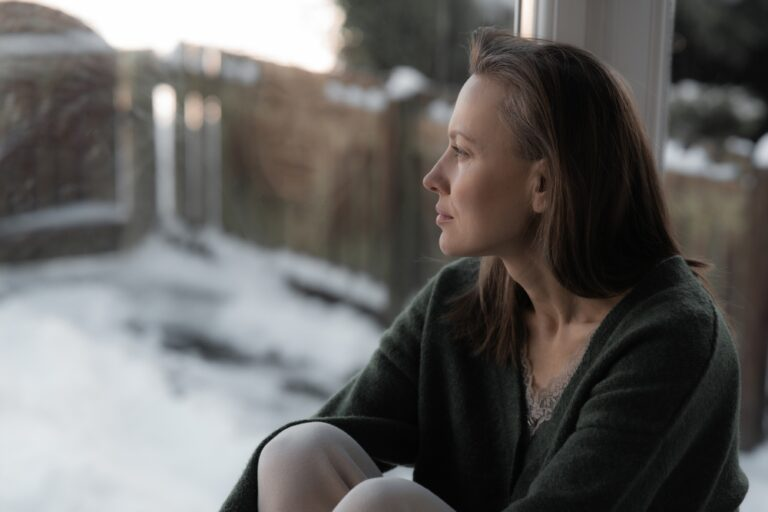
Image Credit: Shutterstock
In the end, choosing to stay in is often not about turning away from the world, but about turning toward a version of life that feels balanced and intentional. It is a way of honoring personal limits, protecting mental space, and valuing rest as something earned rather than postponed. Choosing peace over pressure becomes less of a statement and more of a natural outcome of knowing what truly matters.
Featured Image Credit: Shutterstock