Florida Moves Toward Stronger Protections for Dogs Under New DeSantis Proposal
We often reveal our values not in how we speak, but in how we treat the most vulnerable among us. Sometimes that vulnerability looks like a child without a voice. Other times, it looks like a living being that depends entirely on human care and compassion. This week in Florida, that reality came into focus through an unexpected but powerful lens: puppies.
When Governor Ron DeSantis stood at Big Dog Ranch Rescue in Loxahatchee to announce a proposal aimed at strengthening animal welfare protections, the moment was framed as a policy discussion. But beneath the legislative language was a deeper question, one that reaches far beyond politics or party lines. What does it say about us when cruelty is normalized, ignored, or hidden behind profit?
This proposal is not just about dogs. It’s about accountability, responsibility, and the kind of society we are actively creating or passively allowing.
What Florida’s Proposal Actually Seeks to Do
At its core, the newly announced proposal aims to take Florida’s existing animal welfare laws and push them further. Standing alongside animal advocates and state leaders, DeSantis described the plan as a way to bring animal welfare “to the next level,” focusing specifically on overbreeding, veterinary standards, and shelter overcrowding.
“In Florida, we will always fight to protect man’s best friend,” DeSantis said during the announcement.
The proposal calls for a statewide licensing system for dog breeders, guided by veterinary based Best Management Practices. The intent is to set clear, enforceable standards around safety, sanitation, nutrition, and care, standards that until now have often been inconsistent or inadequately enforced.
Pet stores would also be required to prioritize space for dogs from local shelters before sourcing animals from breeders. This addresses a growing crisis: overcrowded shelters and the heartbreaking reality that healthy, adoptable dogs are euthanized simply because there isn’t enough room.
Beyond prevention, the proposal emphasizes accountability. It includes plans for a public hotline to report abuse, an online database of individuals convicted of animal cruelty, and stronger penalties, particularly when abuse occurs in front of a minor.
“I haven’t seen anybody complain when somebody that’s cruel to the dogs gets the book thrown at them,” DeSantis remarked.
The Hidden Reality of Puppy Mills
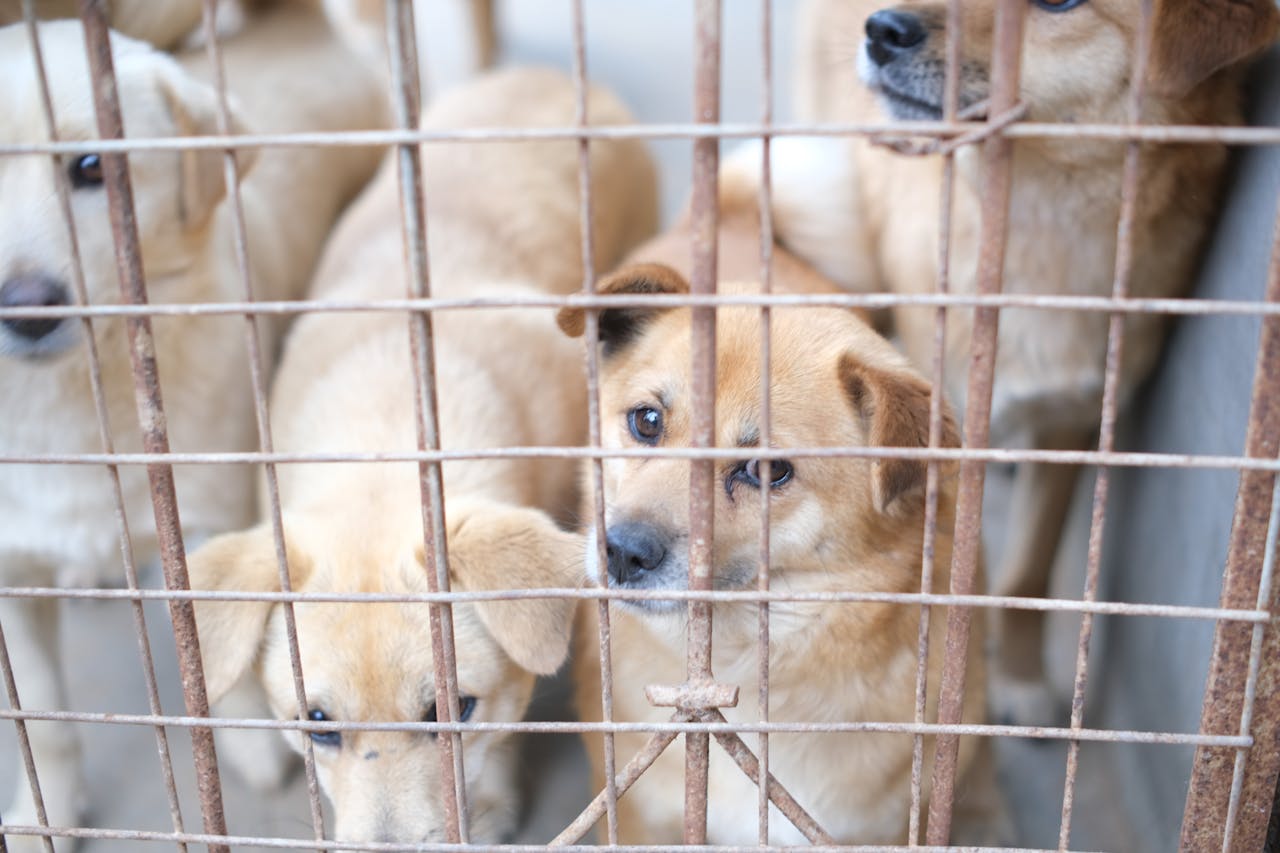
To understand why this proposal matters, it is important to examine how puppy mills function beyond the surface level description of cruelty. These operations are designed to maximize output while minimizing cost, which means every decision is driven by efficiency rather than welfare. Breeding schedules are determined by profit margins, not by what is physically or psychologically safe for the animal. Female dogs are often treated as production units, bred as frequently as possible until their bodies can no longer sustain pregnancy.
Oversight is limited in many jurisdictions, and enforcement gaps allow these facilities to continue operating legally or in gray areas of the law. Records are frequently incomplete or misleading, making it difficult for buyers to trace the origins of a puppy or assess the conditions in which it was raised. This lack of transparency enables mills to supply puppies to brokers, online sellers, and sometimes pet stores without meaningful scrutiny.
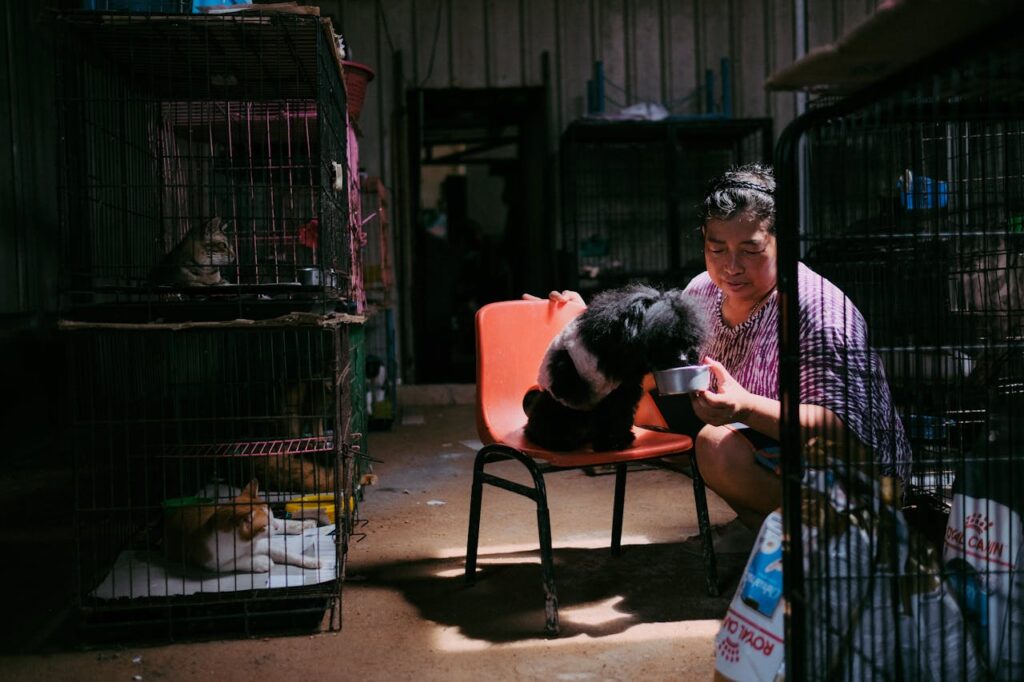
The long term consequences extend beyond immediate suffering. Puppies born in these environments often develop chronic health conditions and behavioral issues that surface months or years later, placing emotional and financial strain on families who believed they were purchasing a healthy companion. Shelters and rescues are left to absorb the fallout when owners can no longer manage the medical or behavioral challenges that stem from irresponsible breeding.
What allows this system to persist is distance. Distance between consumer and breeder. Distance between profit and pain. Distance between what we see in a window or on a screen and what happened long before that moment. Puppy mills survive not only because of cruelty, but because of invisibility.
Why Policy Still Matters in a Moral Conversation
Some people ask why laws are necessary when kindness should be enough. The uncomfortable answer is that history shows us kindness alone does not stop exploitation, especially when money is involved.
Policy matters because it creates boundaries where empathy fails. It sets minimum standards when conscience goes quiet. Licensing systems, inspections, and public databases are not about control; they are about transparency. They shine light into spaces that depend on darkness to survive.

The proposal builds on earlier Florida legislation, including Trooper’s Law and Dexter’s Law, which increased penalties for abandonment, torture, and killing of dogs and created a database to prevent convicted abusers from adopting animals again. This new plan extends that logic, recognizing that prevention is just as important as punishment.
The Human Cost We Rarely Talk About
Animal cruelty is often dismissed as a separate issue, tragic but isolated. In reality, it can signal deeper instability within a home or community. Research in criminology and public health has found consistent links between violence toward animals and violence toward people, including intimate partner violence and child maltreatment. The significance is not that harm always escalates, but that cruelty reflects a shared pattern of control and disregard for suffering.
This carries consequences far beyond individual cases. When cruelty is ignored or minimized, it shapes what communities tolerate. It teaches victims that their pain is negotiable and bystanders that silence is safer than intervention. That erosion of responsibility does not stay contained. It spreads into relationships, schools, and neighborhoods, quietly lowering the standard for how harm is addressed.
There is also a tangible strain on public systems. Investigations, enforcement, medical treatment, and long term sheltering require resources, while veterinarians, animal control officers, and rescue workers absorb repeated exposure to neglect and violence. Over time, this leads to burnout, trauma, and fewer resources for prevention.
Protecting animals, then, is also about protecting people. It is about interrupting harm early, reinforcing accountability, and affirming that empathy is not optional. In that sense, animal welfare is not a peripheral concern. It is one measure of a society’s ability to care for the vulnerable and, by extension, for one another.
Adoption, Responsibility, and the Role We Each Play
Legislation can establish standards, but responsibility ultimately shows up in personal decisions. Adoption is not simply an alternative to purchasing a dog. It is an ethical choice that directly affects demand. When shelters are chosen over commercial sources, it reduces the incentive structures that allow irresponsible breeding to continue. That impact is quiet, but it is real, and it accumulates with every decision made by an individual family.
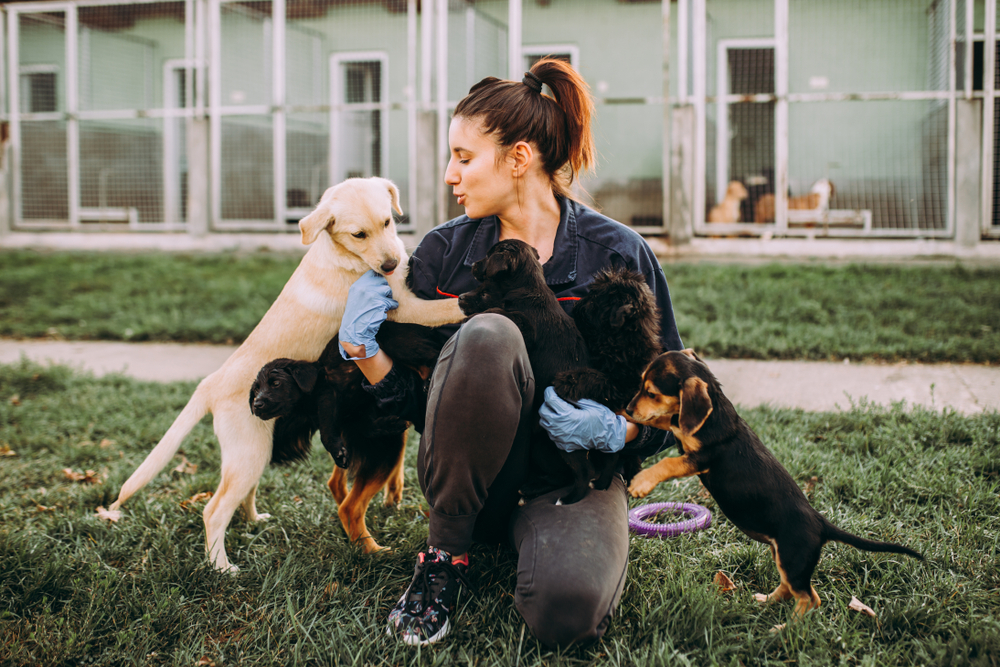
Responsibility also extends beyond where an animal comes from to how that animal is cared for over time. Bringing a dog into a home is a long term commitment that includes medical care, training, socialization, and stability. Many dogs enter shelters not because they were unwanted, but because expectations were unrealistic or preparation was incomplete. Understanding the needs of a breed or an individual animal is part of preventing that cycle from repeating.
This is where personal awareness matters. Asking informed questions, seeking reputable rescues, and resisting impulse decisions all help shift the culture around pet ownership. These choices do not require legislation, but they reinforce its purpose. When responsibility becomes the norm rather than the exception, fewer animals fall through the cracks, and fewer systems are pushed to the breaking point.
What This Moment Asks of Us
It is easy to treat this as a feel good headline and move on. A proposal is announced, cameras roll, and then the news cycle replaces it with something louder. But this moment asks for more than approval. It asks for attention. Because every time cruelty is addressed in public, we are being invited to decide what kind of standards we want to live by when no one is watching.
The deeper question is not whether we care about animals in the abstract. The question is whether we are willing to confront the parts of our culture that make suffering convenient. The parts that let profit hide behind distance. The parts that train us to see harm as someone else’s problem, until it reaches our door. If we want a society that protects the vulnerable, we cannot rely on sentiment. We have to practice responsibility as a habit.

That is why the most important work happens after the announcement. It happens when citizens pay attention to what is proposed, what is enforced, and what is quietly watered down. It happens when communities support rescues, report abuse, and refuse to treat living beings like disposable products. It happens when we demand transparency, then align our choices with it.
If this effort truly does save thousands of dogs, it will not be because a leader said the right words. It will be because enough people decided that cruelty should not be a business model, and that compassion should not depend on convenience. In the end, the measure of a society is not only what it punishes, but what it prevents. This moment asks us to become the kind of people who do both.
Image from Pexels