


Dark Empathy Is One of the Most Underrated Human Abilities. Here’s Why
Empathy is usually celebrated as emotional openness, softness, and the ability to feel deeply alongside others. From childhood onward, many people are taught that being empathetic means absorbing emotions, sharing emotional pain, and emotionally merging with those around them. While this type of empathy can create closeness and compassion, it also carries an unspoken downside. Constant emotional absorption can blur personal boundaries, distort judgment, and quietly drain mental energy. Over time, this can lead to emotional fatigue, burnout, and a loss of clarity, especially in a world that is emotionally saturated and socially demanding.
Dark empathy exists on the opposite side of this emotional spectrum, yet it is rarely discussed or understood. It is not cruelty, manipulation, or emotional detachment. Instead, it is emotional awareness paired with regulation. A dark empath understands what others feel without becoming consumed by those feelings. They see emotional patterns clearly, recognize motivations accurately, and respond with intention rather than impulse. In high pressure environments, complex relationships, and emotionally charged situations, this balance becomes a powerful advantage. Dark empathy turns emotional intelligence into something functional, protective, and quietly influential rather than overwhelming.

Image Credit: Shutterstock
Understanding Emotions Without Losing Control
One of the defining traits of dark empathy is the ability to recognize emotional states without internalizing them. Dark empaths can sense distress, insecurity, anger, or anxiety almost immediately, but these emotions do not destabilize them. Instead of reacting automatically, they observe first. This creates space between perception and response, allowing for thoughtful action rather than emotional reflex. Emotions are acknowledged as information, not absorbed as personal experience.
This emotional regulation allows dark empaths to remain present during intense conversations or emotionally heavy situations without becoming overwhelmed. They can listen deeply, engage sincerely, and offer meaningful support while staying grounded. Unlike those who emotionally merge with others, dark empaths retain a clear internal center. This makes them dependable in moments when emotions run high and clarity is scarce.
Over time, this trait builds resilience. Dark empaths do not carry emotional residue from every interaction. They process emotions efficiently and release them, preventing emotional overload. This makes them particularly effective in leadership, caregiving, conflict resolution, and any role that requires repeated emotional engagement without burnout.
Research from the Personality Research Institute in 2025 found that people with strong cognitive empathy but low emotional contagion were often in leadership roles. They stayed calm under pressure without becoming detached or unkind. Their decisions were guided by understanding rather than emotional intensity, allowing them to navigate complexity with stability.

Image Credits: Shutterstock
Reading Social Dynamics Without Absorbing Emotional Energy
Dark empaths are exceptionally attuned to social environments. They notice subtle changes in tone, body language, group tension, and unspoken power dynamics that others often miss. These signals register almost instantly, giving dark empaths a clear understanding of what is happening beneath the surface of social interactions. What makes this ability unique is not the perception itself, but how it is processed.
Rather than absorbing the emotional atmosphere of a room, dark empaths observe it objectively. Emotional energy is recognized, categorized, and released. Stress, anxiety, or negativity does not linger in their body or mind after the interaction ends. This emotional insulation protects their mental and physical energy over time.
As a result, dark empaths are far less likely to experience emotional exhaustion from social interaction. Long meetings, intense discussions, or emotionally charged environments do not drain them the way they drain others. They remain engaged without becoming emotionally responsible for everyone else’s feelings. This allows sustained performance in socially demanding environments.
Because they leave situations informed rather than depleted, dark empaths are able to maintain consistency. Their presence remains steady, their awareness sharp, and their emotional reserves intact, even when navigating complex group dynamics repeatedly.
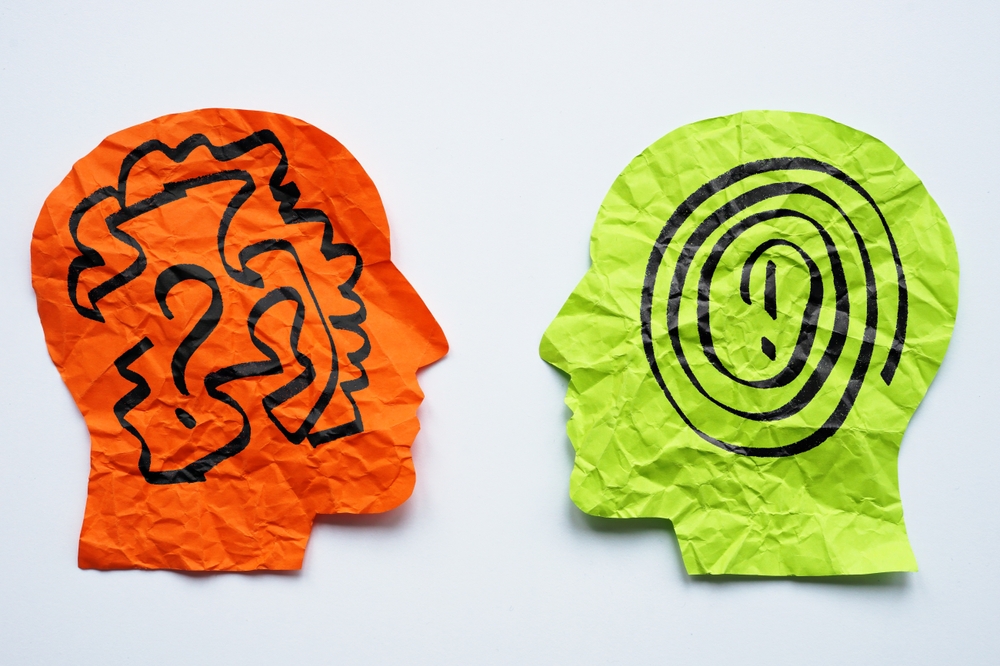
Image Credits: Shutterstock
Influence Rooted in Restraint and Precision
Dark empathy creates a unique form of influence that does not rely on emotional performance or dominance. Because dark empaths understand emotional motivations, they know how to communicate in ways that calm, redirect, or guide without escalating tension. Their words are chosen deliberately, their timing intentional, and their boundaries clear.
A 2025 study in The Journal of Applied Psychology referred to this skill as “tactical empathy.” Leaders who practiced it resolved conflicts faster than those who relied on emotional expression or force. The key factor was restraint. Emotional control allowed for clearer thinking, more accurate responses, and better long term outcomes.
Dark empaths do not seek validation through emotional intensity. They do not overexplain, overshare, or emotionally overextend themselves to gain trust or approval. Their influence remains quiet but effective because it is grounded in clarity rather than emotional display.
This restraint protects identity. Dark empaths guide outcomes without losing themselves in the process. Influence becomes sustainable, ethical, and consistent rather than draining or performative.

Image Credits: Shutterstock
Detecting Manipulation and Staying Calm Under Pressure
One of the most protective aspects of dark empathy is the ability to detect emotional inconsistency. Dark empaths notice when words do not match tone, when emotions feel rehearsed, or when charm appears strategically timed. These subtle mismatches register immediately, often before manipulation becomes obvious.
Because dark empaths track emotional patterns in real time, deception stands out clearly. They do not need dramatic proof to sense when something is off. Their awareness functions like an internal alert system, protecting them from gaslighting, emotional coercion, and psychological confusion. This early detection prevents emotional entanglement and preserves clarity.
Under pressure, this same regulation becomes a major advantage. While others may panic, react defensively, or become emotionally volatile, dark empaths remain composed. Their calmness allows them to think strategically, assess options, and anticipate outcomes without emotional interference.
A 2026 report from the Global Negotiations Forum found that individuals with high emotional detachment outperformed peers in complex negotiations by 40 percent. Their success was not based on dominance or aggression, but on regulation. Staying calm preserved perspective, and perspective led to better decisions.

Image Credits: Shutterstock
Ethical Power, Resilience, and the Quiet Advantage
Dark empathy becomes truly powerful when guided by ethics. Understanding emotions does not require exploiting them. When values are present, dark empathy stabilizes rather than manipulates. Power is exercised with restraint, awareness, and responsibility.
This balance allows dark empaths to protect themselves and others. They leave situations before they become toxic, intervene when dynamics turn harmful, and maintain boundaries without aggression. Their foresight prevents long term damage, preserving energy, reputation, and mental clarity.
Dark empaths also recover from rejection and setbacks more quickly. Emotional distance allows them to analyze failures rather than internalize them. A 2025 Harvard Business Review study found that emotionally detached individuals recovered from professional disappointments 50 percent faster, not because they avoided emotion, but because they maintained perspective.

Image Credits: Shutterstock
Dark empathy may sound mysterious, but it is ultimately a skill that can be cultivated. By learning to stay emotionally aware without losing control, people gain clarity, resilience, and influence. In a world overwhelmed by emotional noise, dark empathy stands out as a quiet superpower that works without demanding attention.
Featured Image Credits: Shutterstock