


Psychology Says: People Who Thank the Waitstaff Every Single Time Share These 7 Hidden Traits
Watch closely the next time you are out for dinner. Amidst the clatter of silverware and the hum of conversation, you will notice a small, quiet rebellion against the rush of modern life. It happens when a diner looks a server in the eye and offers a sincere “thank you” for a simple glass of water. This tiny gesture, often overlooked, is not just about manners. It is a secret language of character that separates the polite from the profound. It reveals a hidden map of the human heart, uncovering deep truths about who we really are when we think no one is watching.
Trait 1: They Practice Active Empathy
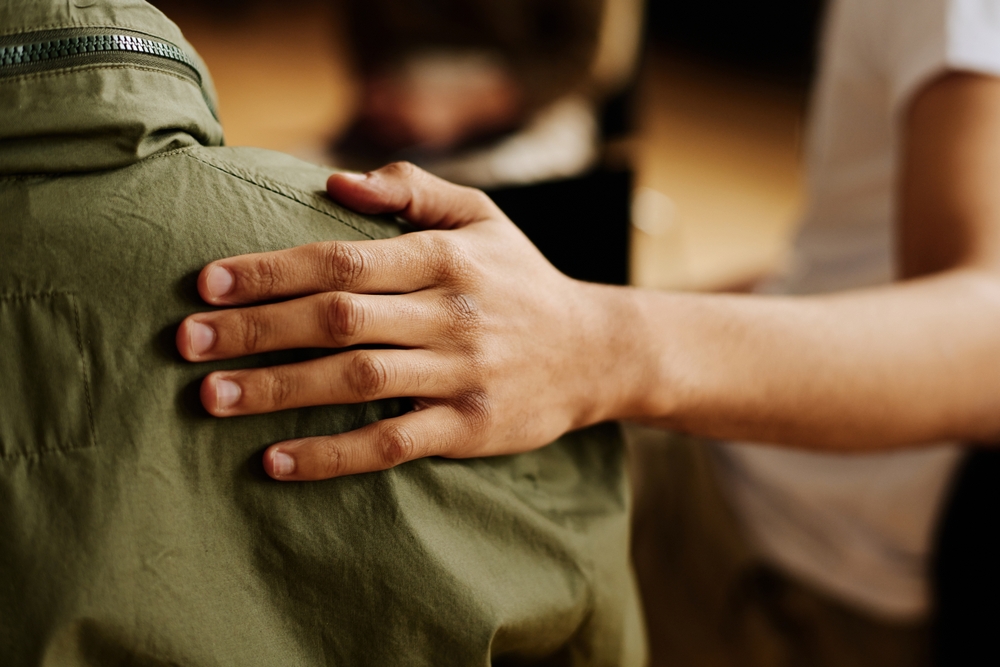
Empathy is not just a soft feeling. It is the ability to truly understand what another person is going through. In a busy restaurant, saying “thank you” is more than good manners. It is a sign that a person actually sees the human being standing in front of them.
Think about what a server endures during a shift. They stand on their feet for hours on end. They carry heavy trays while dodging crowds. They manage the demands of hungry and sometimes rude strangers. To a person with deep empathy, the server is not a robot delivering food. They are a person working hard under pressure.
Psychologists call this “cognitive empathy.” It is the skill of understanding someone else’s perspective. When a customer thanks a server for a water refill, they are acknowledging the labor behind the service. They realize that the meal did not appear by magic. It took effort.
This kind of awareness does not stay at the dinner table. A person who notices a server’s hard work is often the same person who notices when a friend is struggling. It shows a mind that is tuned in to others. They do not just walk through life blindly. They feel the world around them and ensure the people they meet feel valued and seen.
Trait 2: They Embrace Gratitude as a Lifestyle

For some, gratitude is a rare event saved for holidays. For those who consistently thank their servers, it is a daily habit. They do not limit their appreciation to grand gestures. They offer it freely to the barista who remembers their name or the stranger holding the elevator door.
This is not just about being polite. It is about perspective. These individuals choose to see the good in front of them. They do not focus on the five minutes they waited for a table. They focus on the person working hard to clean it. To them, every act of service is worthy of recognition.
Experts note that this mindset has powerful benefits. People who practice regular gratitude often experience lower stress levels and maintain better relationships. They build resilience by focusing on what is going right instead of what is going wrong.
This does not mean they ignore reality or pretend everything is perfect. It means they refuse to take things for granted. Gratitude is not a strategy they use to get what they want. It is a natural response to being present. When they say “thank you,” they are confirming that they value the life and effort around them.
Trait 3: They Possess High Emotional Intelligence

Emotional intelligence (EQ) is the secret sauce of social interaction. It is not just about being smart; it is about being tuned in. When a person thanks their server, they are demonstrating a mastery of two key EQ pillars:
- Social Awareness: They read the room. They sense when a server is overwhelmed or rushing, and they offer patience instead of pressure.
- Self-Regulation: They manage their own reactions. Even if a meal is delayed or an order is wrong, they do not let frustration take the driver’s seat. They respond with grace rather than anger.
This is emotional fluency in action. These individuals understand that servers are not invisible gears in a machine, but human beings who can have bad days. By choosing kindness over criticism, they validate the person serving them.
In a world often defined by disconnection, this trait is magnetic. People with high EQ build bridges where others build walls. Their simple “thank you” is a signal that they are safe, supportive, and deeply connected to the humanity around them.
Trait 4: They Respect the Soul, Not the Role

True respect is not a transaction. It is not a reward reserved for the powerful or the famous. For the person who thanks the waitstaff, respect is a gift given freely to everyone.
- Dignity Over Status: Society often teaches us to treat people according to their rank. We defer to the CEO but overlook the janitor. The person who consistently thanks their server breaks this pattern. They reject the idea that some people matter more than others. They understand that dignity is a birthright, not a badge to be earned. They know that the value of a human being is innate, not determined by their paycheck, their uniform, or their social standing. They realize that the person filling the water glass has dreams, fears, and a life just as complex and important as the person drinking from it.
- Breaking the Hierarchy: In a restaurant, the power dynamic is clear. One person serves; the other is served. It is easy to feel superior in this exchange. But the respectful diner rejects this. They treat the server as an equal partner in the experience. They do not care about titles or bank accounts. They care about the person. They speak to the busboy with the same warmth and eye contact they would offer a business partner. They understand that while roles may differ, our shared humanity remains the same.
- The Ripple Effect: This attitude changes how they move through the world. It means they listen without interrupting. It means they value human connection over social standing. They recognize that every job is essential and every person matters. Real respect is not selective. It is universal. It is a lens through which they see the world, recognizing that every person they meet has a story, a struggle, and a soul worthy of honor. By treating everyone with the same high level of regard, they create a culture of inclusivity wherever they go.
Trait 5: They Are Radically Present

Most people walk through life on autopilot. We sit down for dinner, but our minds are somewhere else. We are replaying an argument from yesterday, worrying about a deadline for tomorrow, or staring down at a glowing screen. The food arrives, and we barely notice the hand that places it down.
The person who says “thank you” breaks this trance.
They are radically present. When a server approaches the table, they do not just keep talking. They pause the conversation. They look up. They make eye contact. For that brief second, they are fully engaged with the person in front of them.
This might seem small, but in an age of constant distraction, giving someone your full attention is a rare gift. It signals that you are not too important or too busy to acknowledge another human being.
This habit keeps them grounded. By stopping to acknowledge the refill, the check, or the cleared plate, they snap themselves back into the “now.” They are not just consuming a meal; they are experiencing it. They notice the details that others miss because they are actually awake enough to see them. It turns out, you cannot be grateful for something you do not notice.
Trait 6: They Lead Without a Title
We often confuse leadership with authority. We think a leader is the person with the biggest office, the highest salary, or the loudest voice. But true leadership is not about power. It is about influence.
The person who consistently thanks the waitstaff is demonstrating leadership in its purest form.
Think about a dinner with friends or colleagues. The atmosphere is often set by the strongest personality at the table. If that person is demanding or rude, the tension rises. Everyone else creates a shield. But when someone treats the server with warmth and gratitude, the energy shifts.
This is what experts call the “ripple effect” of behavior. Emotions are contagious. By choosing kindness, this person sets a silent standard for the group. They are telling everyone around them, without speaking a word, that respect is the baseline.
They do not wait for a title to act with integrity. They do not need a stage to be a role model. They lead by example. They show that strength is not about how many people serve you, but how you treat the people who do.
In doing so, they often influence others to be more patient, more generous, and more human. They prove that you do not need to be a boss to be a leader. You just need to be someone worth following.
Trait 7: They Choose Connection Over Convenience

We live in an era of speed. We want our coffee instantly, our food immediately, and our checks automatically. In this rush for efficiency, human interaction often becomes collateral damage. We treat service workers like vending machines. We input an order and expect a product, with zero friction in between.
The person who says “thank you” rejects this transactional view of life.
They do not see a waiter as a means to an end. They see a fellow traveler. They understand that a restaurant is a place where lives intersect, however briefly. To them, a dining experience is not just about the food on the plate; it is about the energy at the table.
Most of us walk around in a bubble of our own concerns. This person pops that bubble. They ask the server how their shift is going, and they actually listen to the answer. They smile with genuine warmth. They use the server’s name if they know it.
They are not trying to be charming. They are simply prioritizing humanity over hustle.
This trait reveals a deep desire for community. They know that every interaction is a chance to make someone feel less invisible. They leave the restaurant having fed their body, but they also feed the human spirit. They prove that in a world obsessed with saving time, taking a second to connect is the best way to spend it.
Trait 8: They Possess True Inner Security

Some people mistake kindness for weakness. They think that being polite to a server makes them look soft. But psychology suggests the opposite is true. Rudeness is often a mask for insecurity.
When a person snaps at a waiter or complains loudly about a minor mistake, they are often trying to assert dominance. They need to feel big by making someone else feel small. This is the behavior of a fragile ego.
The person who says “thank you” has nothing to prove. They are secure in who they are. They do not need to flex their power to feel important. Their self-worth is internal, not external.
This is the quiet confidence of true security. Because they are comfortable in their own skin, they can afford to be gentle with others. They treat the waiter well not because of who the waiter is, but because of who they are. They know that blowing out someone else’s candle does not make theirs shine any brighter.
A Mirror of Character
At first glance, saying “thank you” might seem like a minor habit. It is just two words. But when spoken sincerely, they become a mirror reflecting the soul. These individuals do not practice kindness as a performance. They do not do it because they want a reward. They do it because they understand a fundamental truth. How you treat people who can do nothing for you says everything about you.
In a fast-paced world, it is easy to become cold. It is easy to treat interactions as transactions. But the person who thanks the waitstaff chooses a different path. They choose warmth. They choose connection. They choose to see the invisible labor that makes their life easier.
So, the next time the check drops or the water glass is refilled, take a moment. Pause. Look up. And say “thank you” like you mean it. It might just be the most important thing you do all day.