

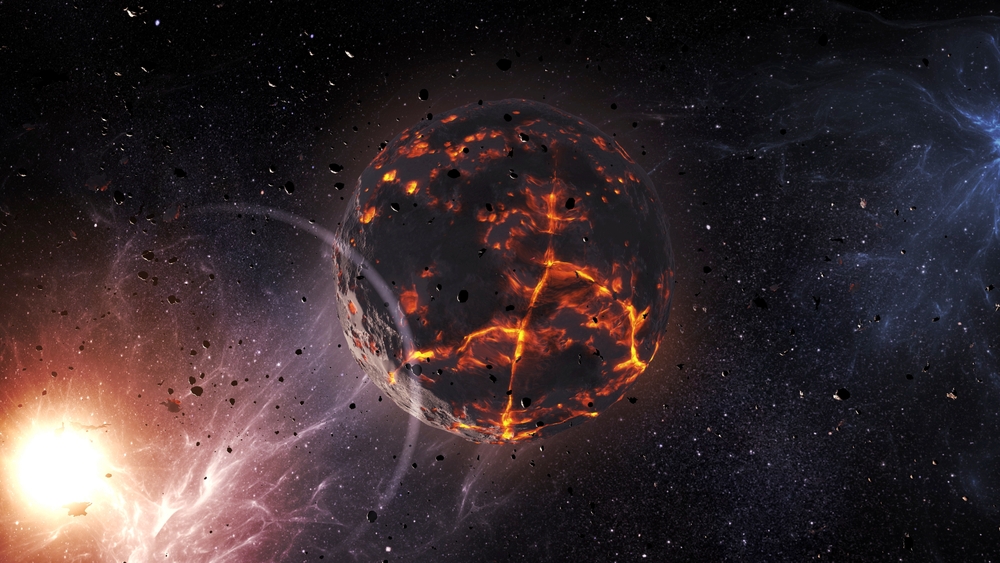
For as long as humanity has looked up, the Moon has been more than a celestial body. It has been a mirror, a timekeeper, a divine feminine presence, and an emotional compass. Across cultures and ages, the Moon has governed rituals, calendars, planting cycles, and inner tides of feeling. So when astronomers announce that a measurable chance exists for an asteroid to strike the Moon in 2032, the moment carries weight far beyond physics.
Asteroid 2024 YR4 is not just another near-Earth object quietly passing through space. It represents a rare alignment between scientific foresight and cosmic timing. With a four percent probability of lunar impact, this event sits in a strange liminal zone. It is unlikely enough to feel abstract, yet possible enough to demand attention. In astrology, moments like this are never meaningless. They arrive as signals, reflecting inner and collective processes that are ready to be confronted.
If this asteroid were to strike the Moon, scientists say it would be the most powerful lunar impact ever witnessed by human civilization. Astrologically, the symbolism is startling. A force from deep space colliding with the ruler of emotion, memory, and instinct suggests a disruption not only in the sky, but within the psyche of humanity itself. Whether or not the impact occurs, the archetype it activates may already be unfolding.
The Moon in Astrology: Keeper of Memory and Emotional Gravity
In astrology, the Moon is not passive. It is the most intimate of celestial influences. While the Sun represents conscious identity and purpose, the Moon governs the subconscious, emotional reactions, ancestral memory, and the sense of safety that underlies all human behavior.
The Moon is associated with water, rhythm, and cycles. It rules cancer in the zodiac, the sign of home, nourishment, and emotional bonding. It dictates how we respond under stress, how we attach, and how we retreat when overwhelmed. Lunar events have always been interpreted as moments when hidden material rises to the surface.
Historically, eclipses, unusual lunar events, and impacts have been read as omens. Ancient astrologers believed that disturbances involving the Moon often preceded changes in leadership, mass emotional shifts, or collective awakenings. A literal strike on the Moon, even the possibility of one, taps directly into this symbolic lineage.
The idea of an asteroid striking the Moon is not about destruction in the human sense. It is about interruption. Something ancient and familiar meeting something foreign and unexpected. In psychological terms, this mirrors moments when deeply ingrained emotional patterns are disrupted by new information or external shocks.
Asteroid 2024 YR4 as an Astrological Archetype
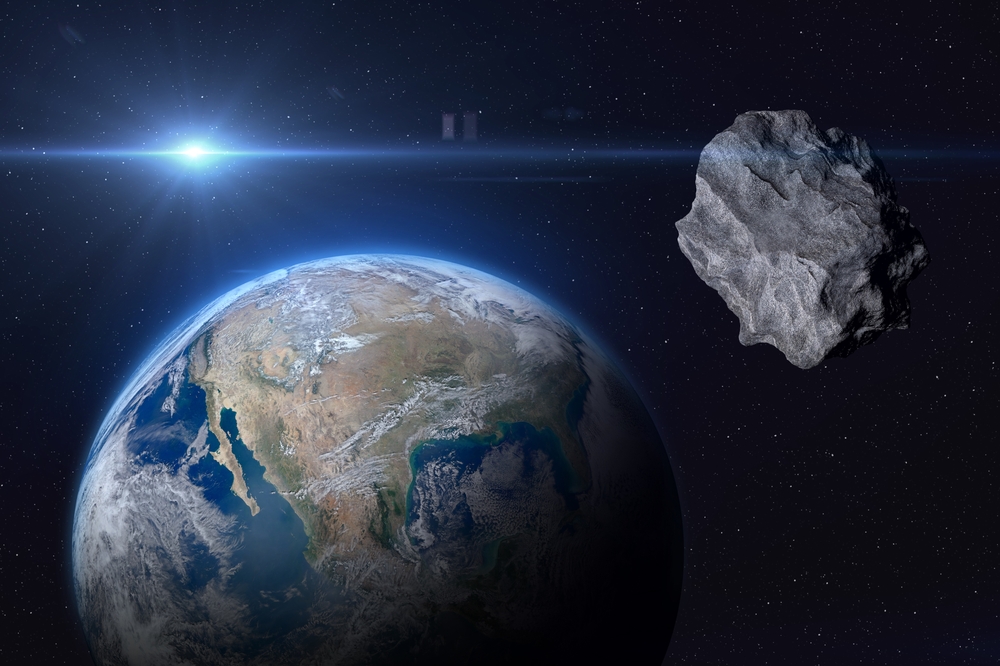
Asteroids in astrology often represent catalysts. Unlike planets, which govern ongoing processes, asteroids signify specific events or turning points. They arrive suddenly, deliver their message, and then pass on, leaving transformation in their wake.
Asteroid 2024 YR4 emerged into public awareness after passing through a blind spot near the Sun. Symbolically, this matters. It came from a place of invisibility, echoing the way unconscious material often remains hidden until it is too close to ignore. Its discovery after closest approach mirrors moments in life when we only recognize significance once something has already passed a threshold.
Astrologically, an asteroid aimed at the Moon can be read as an interruption of emotional continuity. It suggests revelations, shocks to collective comfort zones, and forced reckonings with truths that have been suppressed or overlooked.
The timing also matters. December 2032 places this event in a future landscape shaped by massive transitions in technology, governance, and human identity. The Moon, as ruler of habit and tradition, meeting an asteroid, a symbol of cosmic randomness, reflects tension between what is familiar and what is inevitable.
December 2032: The Sky as a Storyteller
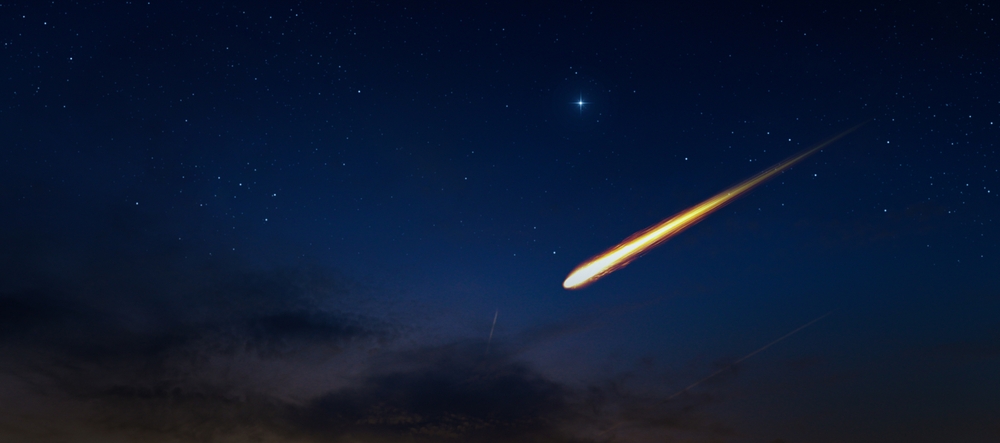
Astrology is never just about objects. It is about timing. December is traditionally associated with endings, reflection, and karmic closure. It aligns with the winter solstice in the northern hemisphere, a moment when light reaches its lowest point before returning.
A potential lunar impact near the end of the year amplifies themes of reckoning and renewal. In esoteric traditions, the Moon is seen as a recorder of human experience. Some mystics describe it as an archive of emotional history. An impact during this period symbolically suggests a clearing of old emotional debris to make room for a new cycle.
Even if the asteroid misses the Moon, the anticipation itself may coincide with heightened emotional sensitivity across the collective. Astrology often teaches that expectation can be as powerful as the event. When humanity collectively looks to the Moon with uncertainty, fear, and awe, something shifts in the shared psyche.
Science Meets Symbolism: The Lunar Impact as Initiation
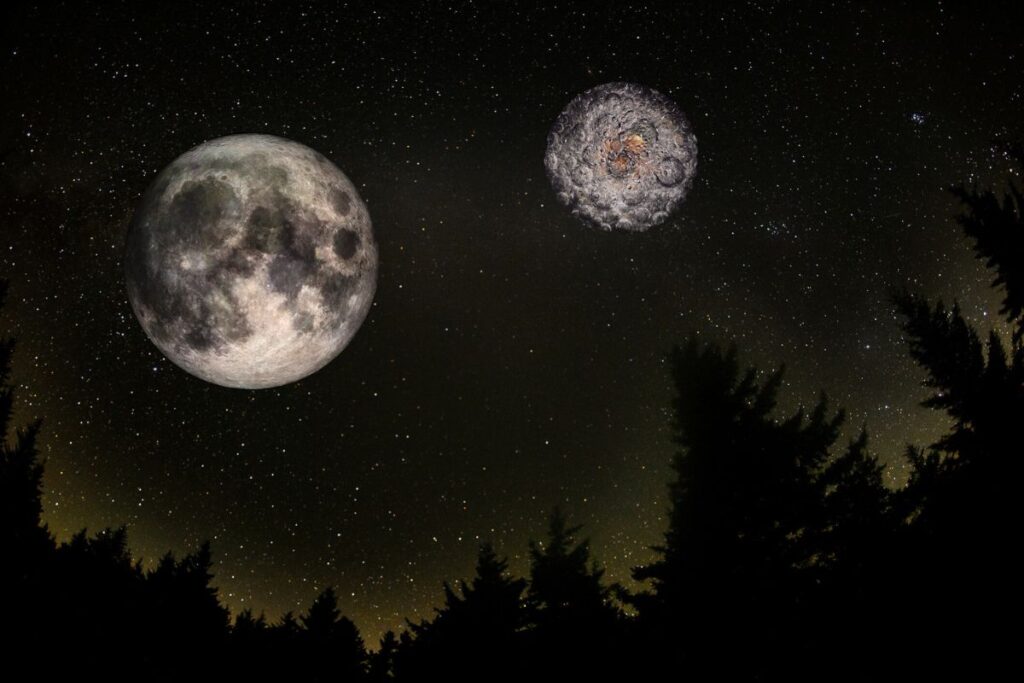
From a scientific perspective, the potential impact is staggering. A crater a kilometer wide. A molten pool glowing for days. A moonquake rippling through lunar stone. From a symbolic lens, these images resemble initiation rituals.
Initiation in spiritual traditions often involves symbolic death and rebirth. A breaking open. A confrontation with forces larger than oneself. The Moon being struck becomes an image of vulnerability, reminding humanity that even our most familiar cosmic anchor is not immune to change.
The possibility that lunar debris could reach Earth adds another layer of symbolism. Pieces of the Moon falling through our atmosphere evoke ancient myths of sky stones and divine messages. Meteor showers have long been seen as omens, moments when the heavens speak directly to Earth.
Astrologically, this suggests that insights gained from this period will not remain abstract. They will descend into lived experience. Emotional realizations may become unavoidable. Collective conversations around safety, technology, and interdependence may intensify.
The Emotional Climate of Anticipation

Long before 2032 arrives, the knowledge of this asteroid may influence the emotional climate of the world. The Moon governs anxiety, anticipation, and instinctive response. Knowing that a cosmic event could visibly affect the Moon may subtly heighten collective sensitivity.
This could manifest as increased attention to lunar cycles, astrology, and cosmic awareness. Historically, moments of celestial uncertainty often coincide with renewed interest in astrology and spiritual frameworks. People seek meaning when confronted with forces beyond human control.
The debate over whether to deflect the asteroid or allow a natural impact mirrors an internal conflict humanity faces repeatedly. Do we control nature at all costs, or do we allow certain events to unfold for the sake of learning? Astrologically, this tension reflects a struggle between Saturnian control and Uranian surrender.
Moonquakes and the Shaking of Inner Foundations
One of the most fascinating scientific predictions is the possibility of a magnitude five moonquake. The Moon, often perceived as static and unchanging, would quite literally tremble.
In astrology, earthquakes and quakes of any kind symbolize the shaking of foundations. When applied to the Moon, this suggests emotional ground shifting beneath humanity. Long held beliefs about safety, predictability, and permanence may be challenged.
This does not imply chaos for its own sake. In spiritual traditions, shaking is often necessary to loosen stagnation. What has become rigid must crack to allow growth. A moonquake becomes an external mirror of internal restructuring.

The Role of Observation: Humanity as Witness
One of the most striking aspects of this event is that humanity would likely witness it in real time. Telescopes across the world, including instruments like the James Webb Space Telescope, would be trained on the Moon. Millions of people might look up and see a flash on the lunar surface.
Astrologically, witnessing matters. Conscious observation transforms events into collective rites of passage. Seeing the Moon change, even slightly, reinforces the understanding that nothing in the cosmos is static.
This shared witnessing could foster a renewed sense of planetary identity. When humanity collectively looks upward, divisions often soften. Borders feel less relevant. The Moon has always been a unifying symbol, visible to all regardless of culture or nation.
Kessler Syndrome and the Fear of Collapse
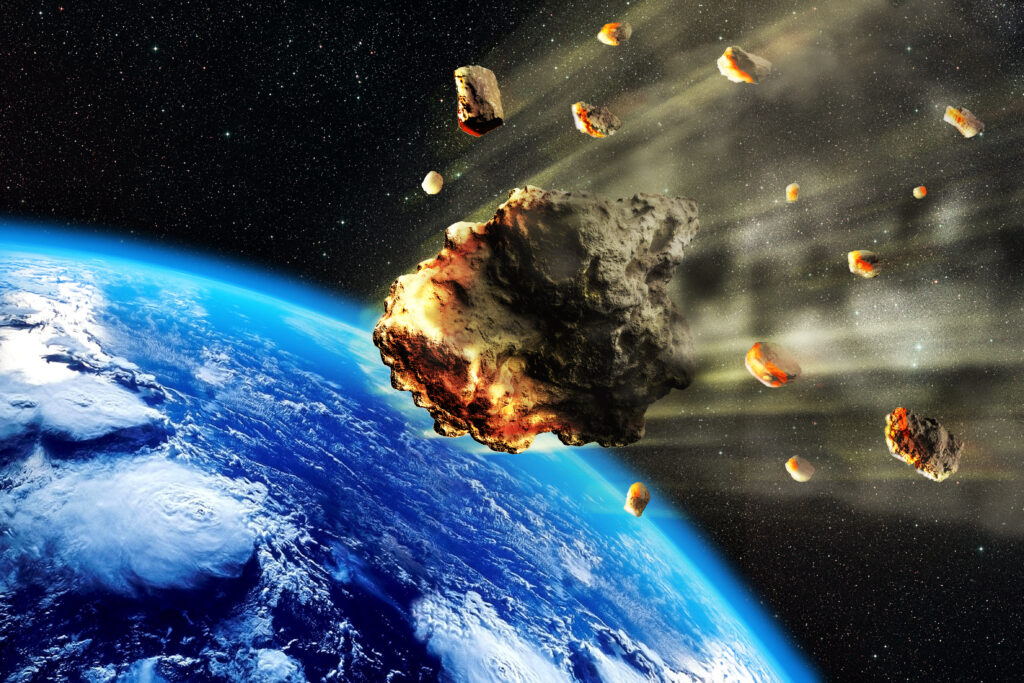
The concern about satellite debris and cascading orbital failures introduces a distinctly modern anxiety. Our technological infrastructure has become an extension of our nervous system. Communication, navigation, and data flow are lifelines.
Astrologically, this speaks to the Moon’s role in governing daily functioning and routine. Disruptions to satellites reflect disruptions to modern rhythms. The fear is not just of physical debris, but of emotional disorientation.
This period may prompt deeper questions about technological dependence. Are we aligned with our tools, or enslaved by them? The Moon encourages reflection on what truly sustains us when external systems falter.
The Blind Spot and the Shadow Self
Asteroid 2024 YR4 approached from the direction of the Sun, a region hidden from traditional observation. This detail is rich with symbolic meaning. In psychology and astrology, blind spots represent the shadow self.
The shadow contains aspects of humanity that are denied, ignored, or feared. The asteroid emerging from this blind spot suggests that unresolved collective issues may surface unexpectedly in the coming decade.
Astrology teaches that awareness reduces shock. By acknowledging blind spots, both individually and collectively, humanity can integrate rather than react. The story of this asteroid becomes a metaphor for the importance of foresight, humility, and self-examination.
Lunar Debris as Sacred Fragments
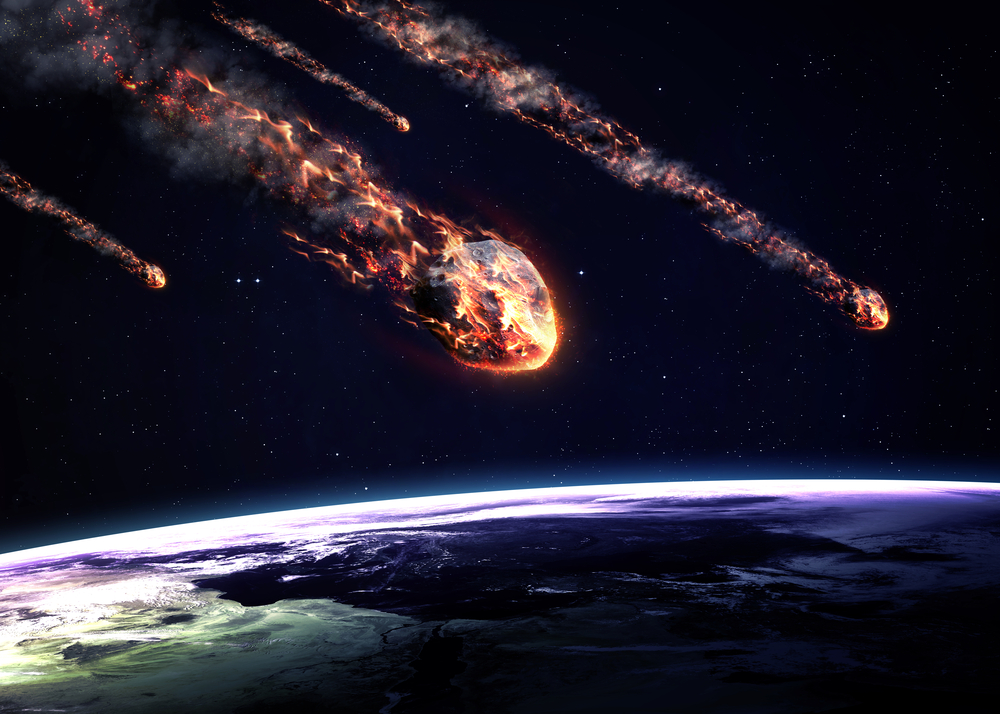
The possibility that fragments of the Moon could fall to Earth is deeply mythic. In ancient cultures, fallen sky stones were often considered sacred. They were seen as gifts from the gods or carriers of cosmic intelligence.
From a spiritual perspective, lunar fragments reaching Earth could symbolize the integration of subconscious wisdom into conscious life. What was once distant and reflective becomes tangible and immediate.
This does not require a literal impact to be meaningful. The idea itself invites humanity to consider what lunar wisdom might look like when embodied rather than idealized.
Rituals, Reflection, and Preparation
Astrologically inclined communities may respond to this event through ritual and reflection. Lunar ceremonies, meditations, and collective intentions could become more prominent as 2032 approaches.
Rather than focusing on fear, astrology encourages alignment. Aligning with lunar cycles, tending to emotional health, and cultivating adaptability are all ways of working constructively with this energy.
The Moon teaches responsiveness rather than resistance. Its phases remind us that change is natural and cyclical. Whether the asteroid strikes or passes by, the lesson remains.
A Mirror, Not a Threat
Ultimately, asteroid 2024 YR4 functions less as a threat and more as a mirror. It reflects humanity’s relationship with uncertainty, control, and cosmic belonging.
Astrology does not predict doom. It offers language for understanding. The potential lunar impact speaks of awakening, emotional honesty, and the courage to face the unknown without denial.
Even the four percent probability carries symbolic weight. It reminds us that certainty is rare, and that life unfolds within margins of possibility rather than guarantees.
When the Moon Calls Us to Attention
The Moon has always guided humanity through darkness. It does not shine by its own light, but by reflecting the Sun. In astrology, this teaches humility, receptivity, and trust in cycles larger than the ego.
The story of asteroid 2024 YR4 invites humanity to pause, look up, and remember its place in a vast, living cosmos. Whether the Moon remains untouched or bears a new scar, the collective consciousness will have been shaped by the anticipation.
Astrologically, this moment is not about catastrophe. It is about awareness. It is about recognizing that even the most familiar constants can change, and that growth often begins with disruption.
As 2032 approaches, the Moon continues its quiet orbit, reflecting light, regulating tides, and holding humanity’s emotional memory. The question is not whether an asteroid will strike, but whether humanity will listen to what the sky is already saying.