

How Evolution Turned a Toxic Plant Into Your Favorite Salad Ingredient
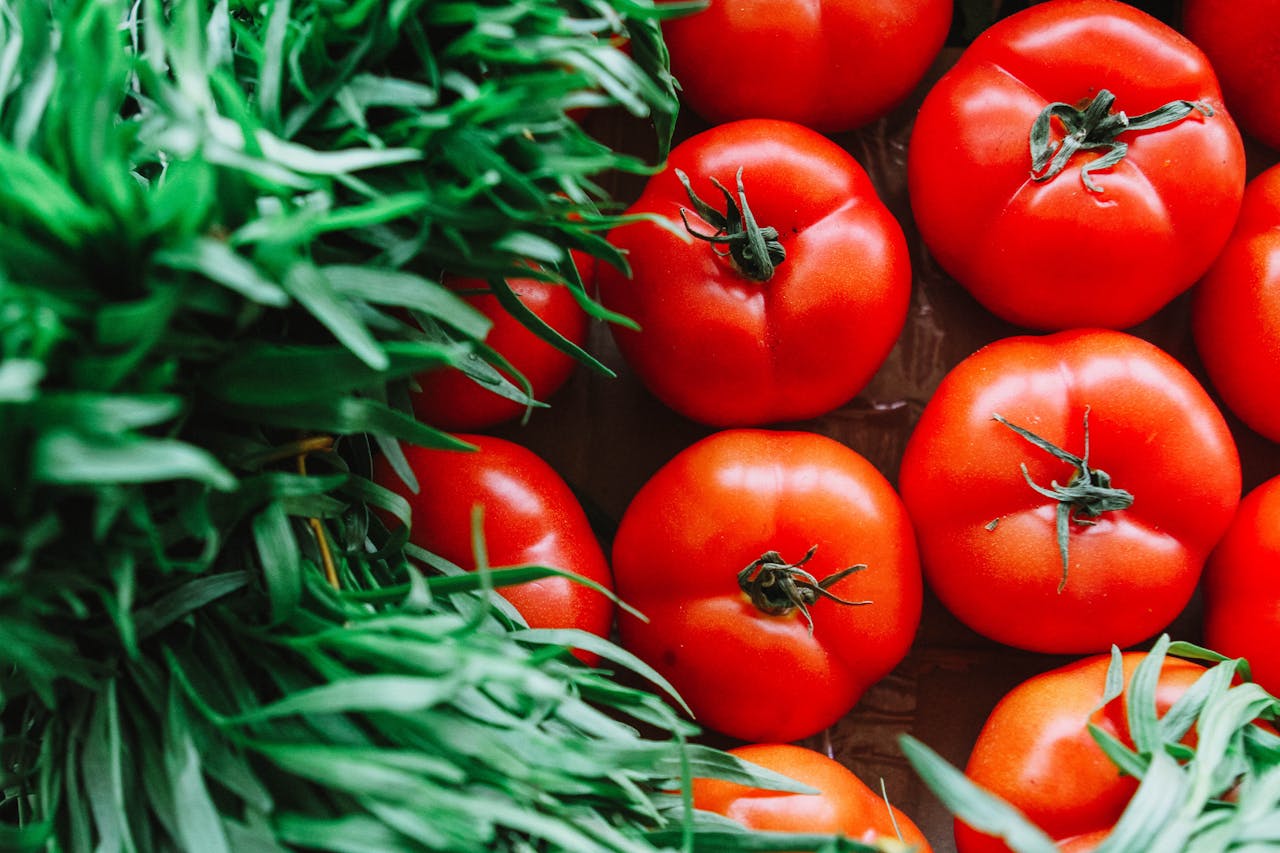
Tomatoes sit quietly in salads, sauces, and sandwiches across the world, blending into our meals so effortlessly that most of us rarely stop to question them. They are bright, juicy, and seemingly harmless, adding sweetness and acidity in perfect balance. Yet for centuries, people genuinely believed they were deadly. In fact, tomatoes were once feared as poison, blamed for mysterious illnesses, and even nicknamed the poison apple in parts of Europe.
Now, scientists have finally uncovered the precise biological reason tomatoes do not kill us, despite belonging to a plant family known for producing toxic compounds. According to recent research covered by YourWeather, Popular Science, and ScienceAlert, the answer lies deep within the fruit’s genetic instructions and chemical transformations that occur as it ripens. What appears simple on the outside hides a remarkably complex internal process.
The discovery not only solves a long standing botanical puzzle, it also reshapes how we understand plant evolution, food safety, and even the future of agriculture. By mapping the genes responsible for detoxifying the fruit, researchers have revealed how nature carefully balances protection and palatability. Here is what scientists found and why it matters more than you might initially think.
The Toxic Family Tomatoes Come From
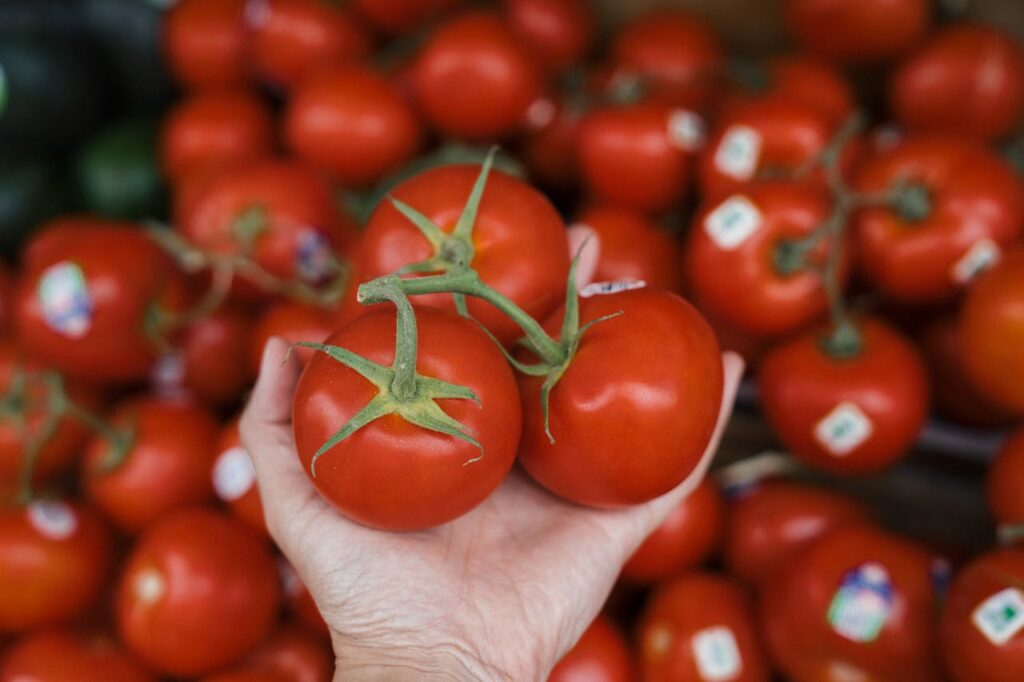
Tomatoes belong to the nightshade family, scientifically known as Solanaceae. This plant family includes some of the most notorious toxic plants in the world, including deadly nightshade and certain wild species that produce potent alkaloids capable of harming animals and humans. Alkaloids are natural chemical compounds that can disrupt nerve signals, interfere with cell membranes, and cause serious illness when consumed in sufficiently large amounts.
Many members of the nightshade family rely on these chemicals as a defense mechanism. Over millions of years, they evolved these compounds to deter insects, grazing animals, and pathogens from feeding on their leaves and fruit. From an evolutionary standpoint, toxicity can be an incredibly effective survival strategy. If predators become sick after eating part of the plant, they quickly learn to avoid it in the future.
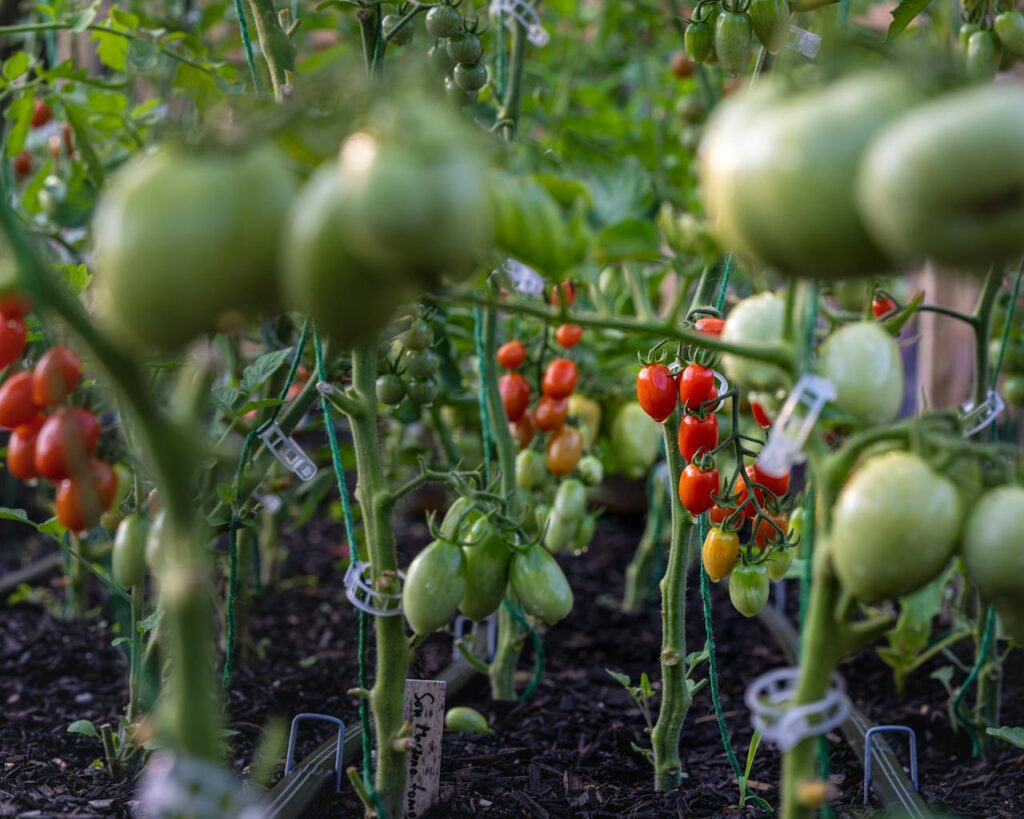
Tomatoes also produce a type of alkaloid called tomatine, particularly when the fruit is still green and unripe. In high concentrations, tomatine can be harmful, which is why unripe green tomatoes contain more of the compound than ripe red ones. It is also why tomato leaves and stems are generally not eaten and are considered inedible parts of the plant. The presence of tomatine raised an important scientific question that lingered for years. If tomatoes produce toxic chemicals, why are they safe for humans once ripened?
For decades, researchers suspected that something changed during the fruit’s ripening process, but the precise mechanism remained unclear. What they did not fully understand was how the plant chemically transforms itself from potentially dangerous to perfectly edible in such a controlled way. The new research finally connects the dots, revealing a finely tuned genetic switch that reshapes the fruit’s chemistry at just the right time.
The Genetic Switch That Changes Everything
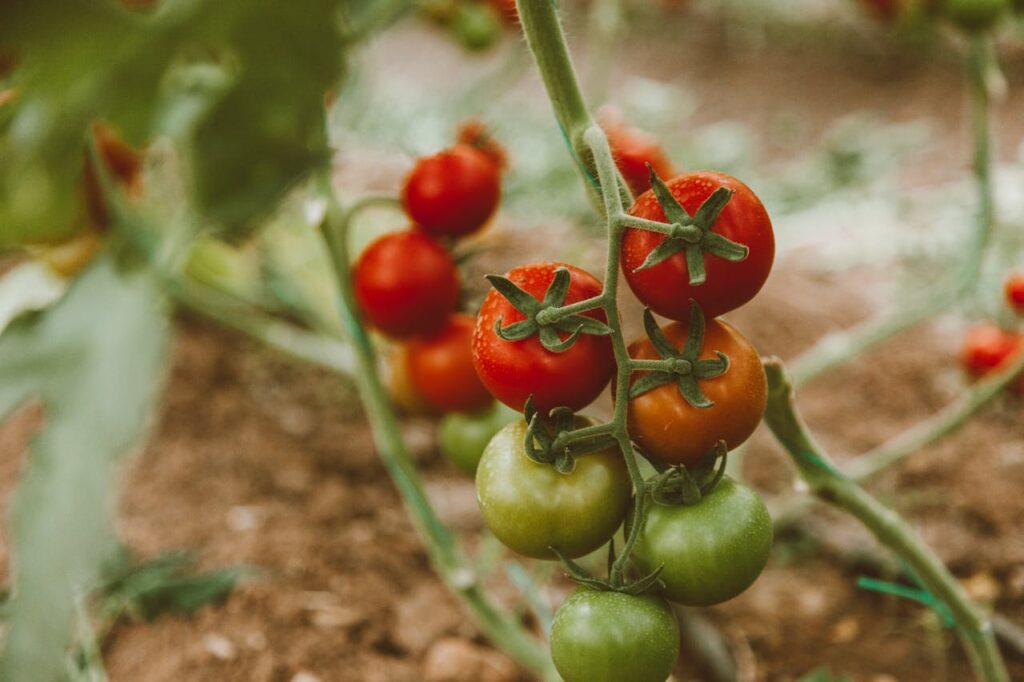
According to reporting from Popular Science, scientists identified a specific genetic mechanism responsible for reducing the toxic compounds as tomatoes ripen. During the early stages of development, tomatoes contain high levels of steroidal glycoalkaloids, which serve as built in pesticides. These compounds protect immature fruit from insects, fungi, and other threats that could damage the seeds before they are ready to spread.
As the tomato begins to ripen, a coordinated set of genes activates enzymes that convert these toxic alkaloids into a different, non toxic form. Instead of remaining harmful, the compounds are chemically modified into substances that no longer pose a significant threat to humans or other animals. This conversion process is not random or gradual in a vague sense. It is tightly regulated at the molecular level, guided by precise genetic instructions.
Researchers discovered that a particular gene cluster plays a crucial role in managing this chemical transition. When the fruit shifts from green to red, the genetic instructions effectively reprogram the fruit’s internal chemistry. The once defensive toxins are dismantled, reshaped, and replaced with safer molecules that do not carry the same toxic potential. It is as though the fruit follows a timed script written into its DNA.
This finding is significant because it shows how evolution fine tuned the tomato to balance protection and attraction. While unripe fruit needs chemical defenses to survive long enough to mature, ripe fruit benefits from being eaten. Animals and humans disperse seeds far from the original plant, allowing it to reproduce successfully. In other words, tomatoes evolved to become less toxic at precisely the moment they need to be consumed, ensuring both survival and propagation.
Why Early Europeans Feared Tomatoes
Understanding this discovery also helps explain a historical mystery that puzzled historians and botanists alike. When tomatoes first arrived in Europe during the sixteenth century, they were widely considered dangerous and even deadly. Some aristocrats who ate them reportedly became ill, reinforcing the belief that tomatoes were poisonous and unfit for human consumption.
However, historians now believe the problem was not the tomato itself but the context in which it was eaten. Wealthy Europeans often dined using pewter plates that contained high levels of lead. Tomatoes are naturally acidic, and when placed on lead based tableware, the acid could leach lead into the food. The resulting symptoms of lead poisoning were mistakenly blamed on the fruit rather than the dinnerware.
Compounding the confusion was the tomato’s resemblance to deadly nightshade, a truly toxic plant from the same botanical family. Since they looked somewhat similar and shared lineage within the nightshade group, fear spread quickly among those unfamiliar with the new crop. For generations, tomatoes were grown primarily as ornamental plants rather than food crops in certain parts of Europe.
Modern science now confirms what culinary traditions in Central and South America had long known through experience. Tomatoes were never inherently lethal when properly ripened and prepared. The new genetic research simply provides the biochemical explanation that people centuries ago did not have the tools to uncover, replacing suspicion with evidence based clarity.
What Happens Inside a Ripening Tomato
To truly appreciate the discovery, it helps to look closely at what happens during ripening, because a tomato does far more than change color from green to red. Inside the fruit, thousands of genes adjust their activity levels in response to developmental signals. Sugars increase, acids rebalance, and pigments such as lycopene accumulate to give the fruit its rich red hue and antioxidant properties.
At the same time, the concentration of toxic glycoalkaloids declines sharply as the fruit approaches maturity. According to the research, enzymes break down the original toxic molecules and restructure them into compounds that are significantly less harmful. This is not merely dilution but an active chemical remodeling process that transforms the structure of the molecules themselves.
Scientists describe this as a metabolic shift in priorities. Early in development, the fruit invests energy in defense, producing compounds that make it bitter and potentially harmful to would be predators. Later, it shifts toward attractiveness, increasing sweetness and reducing bitterness to encourage consumption. The chemical detoxification is part of that larger evolutionary strategy designed to invite animals to participate in seed dispersal.
This delicate timing underscores how sophisticated plant biology truly is. The tomato does not randomly become safe by chance. It follows a genetic script refined over millions of years of natural selection, balancing risk and reward. The recent findings give researchers a clearer map of how that script is written, regulated, and executed within each individual fruit.
Why This Discovery Matters for Agriculture
Beyond solving a scientific curiosity, this breakthrough could have meaningful practical implications for modern agriculture. By understanding the genes responsible for detoxifying tomatoes, scientists may be able to breed or engineer crops that maintain stronger natural pest resistance during growth without compromising food safety at harvest. This insight opens the door to more precise crop management strategies.
For example, if researchers can fine tune the balance of defensive compounds in crops, they may reduce reliance on synthetic pesticides that carry environmental and economic costs. A plant that defends itself effectively during early growth but becomes safe and palatable at harvest would be highly valuable in sustainable farming systems. The tomato provides a working model of how that balance can be achieved naturally.
There is also potential to apply this knowledge to other members of the nightshade family, such as potatoes and eggplants, which share similar chemical defenses. Potatoes, in particular, can accumulate harmful glycoalkaloids if improperly stored or exposed to light. Studying the tomato’s detoxification system could inspire safer crop breeding programs and improved storage guidelines.
Furthermore, the research deepens our understanding of how plants evolve to coexist with humans and animals over time. It highlights the dynamic relationship between toxicity and edibility, showing that what we eat is often the result of intricate evolutionary compromises. Agriculture is not just about planting seeds but about working alongside biological systems shaped by millions of years of adaptation.
A Simple Fruit With a Complex Story
The next time you slice a tomato for a salad or simmer it into sauce, consider the invisible molecular choreography that made it possible. Beneath its smooth skin lies a sophisticated genetic system that once prioritized defense and now prioritizes nourishment. Each bite represents a carefully timed shift in chemistry that transforms potential risk into everyday sustenance.
According to the combined reporting from YourWeather, Popular Science, and ScienceAlert, the key lies in enzymes that transform toxic alkaloids into harmless compounds during ripening. It is a quiet transformation that happens in kitchens, gardens, and farms around the world every single day without us noticing the science at work.
What makes this discovery remarkable is not simply that tomatoes are safe, because we already knew they were safe to eat. It is that scientists now understand precisely why they are safe at the molecular and genetic level. They can trace the process step by step, from gene activation to chemical conversion, offering clarity that was once out of reach.
In a world where food systems face mounting challenges from climate change, pest pressures, and growing populations, insights like this matter deeply. They remind us that even the most ordinary fruit carries extraordinary complexity. And sometimes, the biggest scientific revelations are hiding in plain sight on our plates, waiting for someone to look closely enough to see them.
Featured Image Credit: Photo by Rauf Allahverdiyev | Pexels