

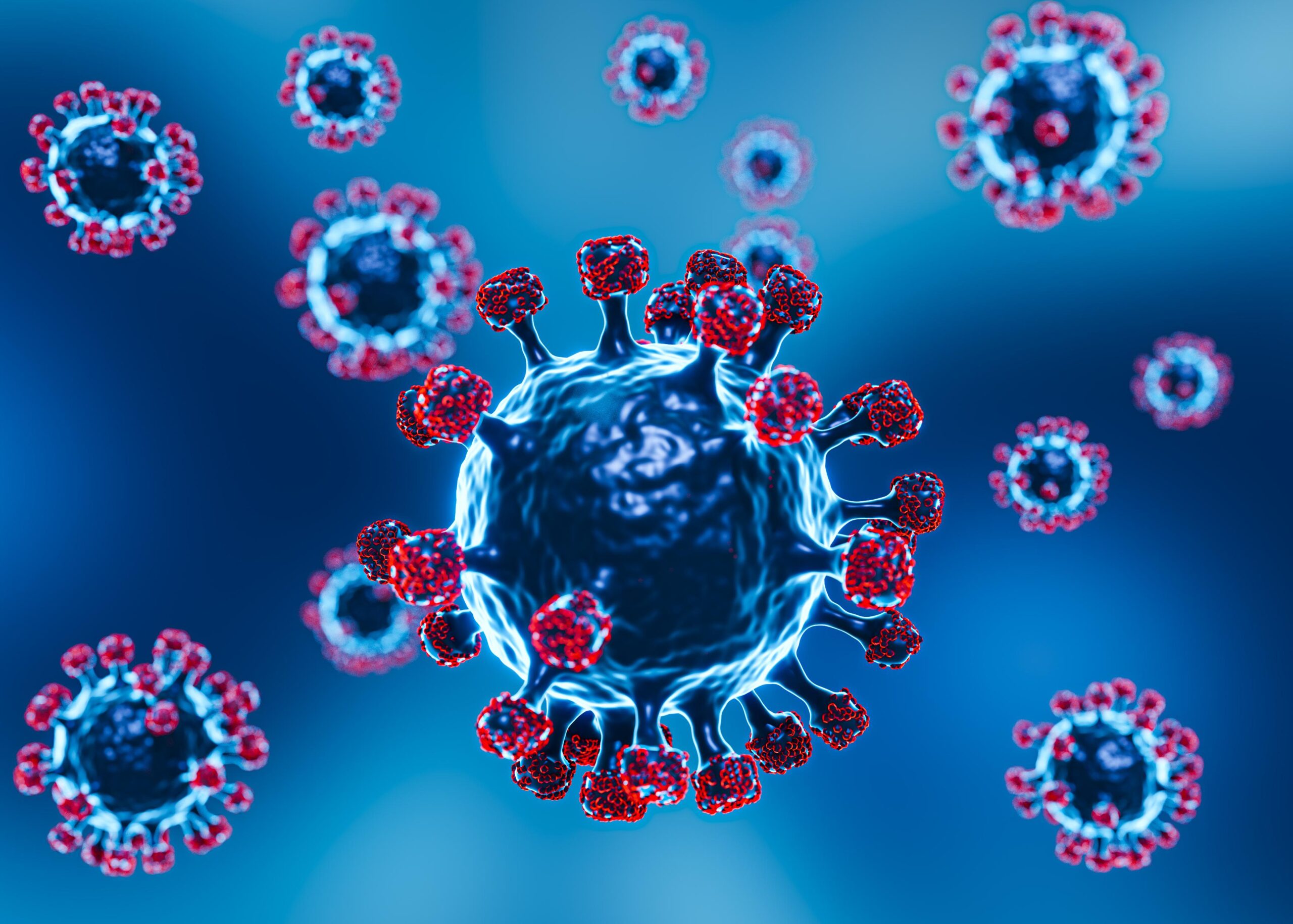
There are some viruses so common that most people barely think about them. They pass through childhood, teenage years, or early adulthood with little fanfare, then stay quietly tucked away in the body for life. Epstein-Barr virus, better known as EBV, is one of them. It is estimated to infect around 95 percent of the global population, which means it is not a niche medical curiosity but one of the most widespread infections on Earth.
That is exactly why a new scientific breakthrough is drawing so much attention. Researchers have now developed a first-of-its-kind antibody approach that could block Epstein-Barr virus from infecting immune cells, marking what many scientists see as a major leap in a field that has frustrated medicine for decades.
On paper, that may sound like a highly technical lab story. In reality, it could eventually have life-changing consequences for cancer prevention, transplant medicine, and the treatment of some of the most vulnerable patients in healthcare.
Why Epstein-Barr Virus Matters Far More Than Most People Realize
EBV is best known as the virus behind infectious mononucleosis, often called “mono” or the “kissing disease.” For many people, that is where the story ends. They may remember it as an unpleasant illness involving fatigue, fever, swollen glands, and weeks of feeling run down.
But that familiar image only captures a small part of what makes EBV so medically important.
Once someone is infected, the virus usually stays in the body for life in a dormant state. In many cases, it never causes obvious problems again. In other cases, however, it can reactivate or contribute to serious disease.
Scientists have linked EBV to several cancers, including certain lymphomas, and it has also been associated with chronic and neurological conditions, including multiple sclerosis.
That dual nature is part of what has made the virus so difficult to manage. For most people, it remains invisible. For a smaller but significant number, it can become deeply dangerous.
This is why researchers have spent years trying to answer a deceptively simple question: can EBV be stopped before it gets a foothold in the body’s immune system?
The Breakthrough Scientists Have Been Chasing for Years
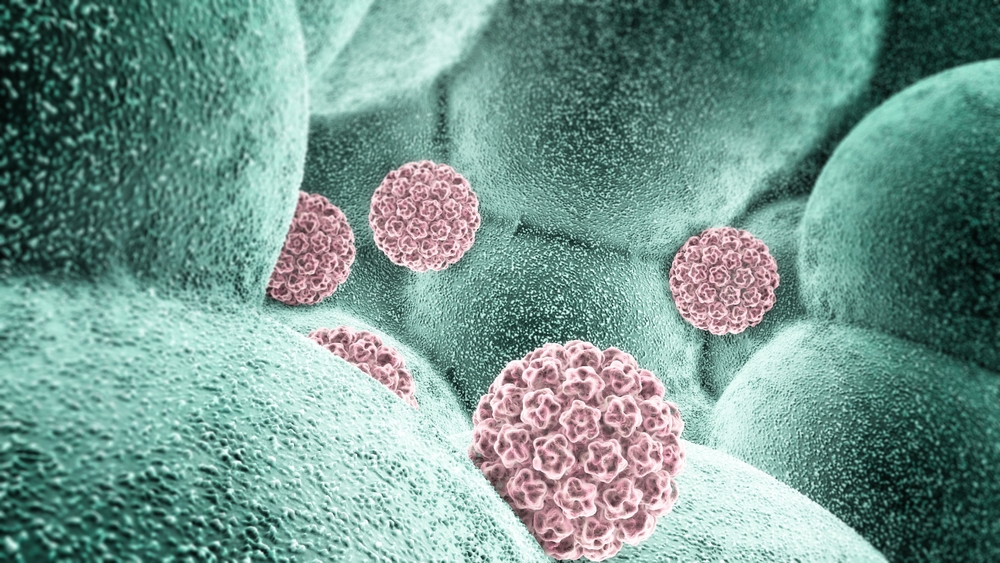
A team at Fred Hutch Cancer Center may now have found one of the clearest answers yet.
According to the new research published in Cell Reports Medicine, scientists developed genetically human monoclonal antibodies designed to block Epstein-Barr virus from entering human immune cells. The work was carried out using mice engineered with human antibody genes, allowing researchers to search for antibodies that behave more like the ones a human body would produce.
That distinction matters. One of the major challenges in antibody research is that antibodies raised in animals can sometimes trigger an unwanted immune reaction when used in people. By using a system built around human antibody genes, the team was trying to avoid that obstacle while also increasing the chances of finding something clinically useful.
The result was a collection of antibodies that target two of the virus’s most important surface proteins. These proteins are essentially the tools EBV uses to latch onto and invade cells.
Andrew McGuire, a biochemist and cellular biologist at Fred Hutch, described the challenge as particularly difficult because EBV has evolved to bind to a vast number of B cells, which are a crucial part of the immune system. In other words, this is not a virus that gives researchers many easy openings.
That is why the findings are being described as a genuine milestone rather than just another incremental lab result.
How the New Antibodies Actually Work

The science behind the discovery is complex, but the core idea is surprisingly straightforward.
Epstein-Barr virus relies on specific proteins on its surface to infect human cells. The Fred Hutch team focused on two of the most important ones: gp350 and gp42.
The gp350 protein helps the virus bind to receptors on the surface of human cells. Think of it as the first handshake. The gp42 protein plays another crucial role by helping the virus fuse with the cell and gain entry. Without those steps, EBV has a much harder time establishing infection.
Researchers developed ten monoclonal antibodies in total. Two were directed against gp350, while eight targeted gp42. When they tested these in laboratory models, one antibody against gp42 stood out in particular. It successfully prevented infection in mice that had human immune systems and were exposed to EBV.
Another antibody against gp350 also showed partial protection.
That may sound like a narrow technical success, but in virology, blocking infection at the entry stage is a huge deal. It means scientists may have identified a genuine vulnerability in a virus that has long seemed almost untouchable.
It also opens the door to something even bigger: the possibility of designing targeted therapies or even future vaccines around those same viral weak points.
Why This Could Be Especially Important for Transplant Patients
The most immediate real-world impact of this discovery may not be for the average healthy adult, but for a group of patients who face extraordinary risk.
Each year, more than 128,000 people in the United States undergo solid organ or bone marrow transplants. These procedures save lives, but they also require patients to take immunosuppressive drugs so their bodies do not reject the transplanted organ or cells.
That lowered immune defense creates an opening for infections and viral reactivation. EBV is one of the most concerning examples.
For transplant recipients, Epstein-Barr virus can trigger a serious and sometimes life-threatening complication called post-transplant lymphoproliferative disorder, or PTLD. In many cases, PTLD is an aggressive lymphoma linked directly to uncontrolled EBV activity.
Doctors have long struggled with this problem because there are very few targeted tools to prevent EBV from becoming dangerous in these patients. Clinicians are often forced into difficult trade-offs, such as reducing immunosuppressive medication to let the immune system recover, which can then raise the risk of organ rejection.
That is what makes this antibody research so compelling.
Rachel Bender Ignacio, an infectious disease physician at Fred Hutch and the University of Washington School of Medicine, said effective prevention of EBV viremia remains a major unmet need in transplant medicine. If scientists can stop the virus from infecting or reactivating in the first place, they may be able to reduce the incidence of PTLD and help preserve graft function at the same time.
In practical terms, this could one day mean that certain high-risk patients receive an infusion of monoclonal antibodies before or after transplant as a form of targeted viral protection.
That would not just be a scientific win. It could dramatically alter outcomes for patients whose recoveries are currently shadowed by the threat of EBV-related complications.
The Implications Go Well Beyond One Transplant Ward

Even though transplant medicine is one of the clearest early applications, the significance of this research stretches much further.
Epstein-Barr virus has increasingly become a virus of interest not only because it is common, but because scientists keep uncovering new links between it and serious disease.
In recent years, EBV has been associated with:
- Certain blood cancers and lymphomas
- Nasopharyngeal carcinoma and other malignancies
- Autoimmune and neurological conditions
- Long-term immune dysfunction in vulnerable patients
That does not mean EBV is the sole cause of every illness it has been linked to. Biology is rarely that simple. But it does mean that controlling EBV could have ripple effects across several major areas of medicine.
One of the most important things about this study is that it identifies “sites of vulnerability” on the virus. Those weak points can help researchers think not just about passive antibody therapy, but also about vaccine design.
That distinction matters.
A monoclonal antibody treatment is usually something given directly to a patient to provide immediate protection. A vaccine, by contrast, trains the body to generate its own immune defense in advance. If the same viral targets prove useful in both strategies, this breakthrough could end up influencing more than one branch of EBV prevention.
In that sense, the new antibodies may not just be a treatment candidate. They may also be a roadmap.
Why Creating an EBV Blocker Has Been So Difficult Until Now
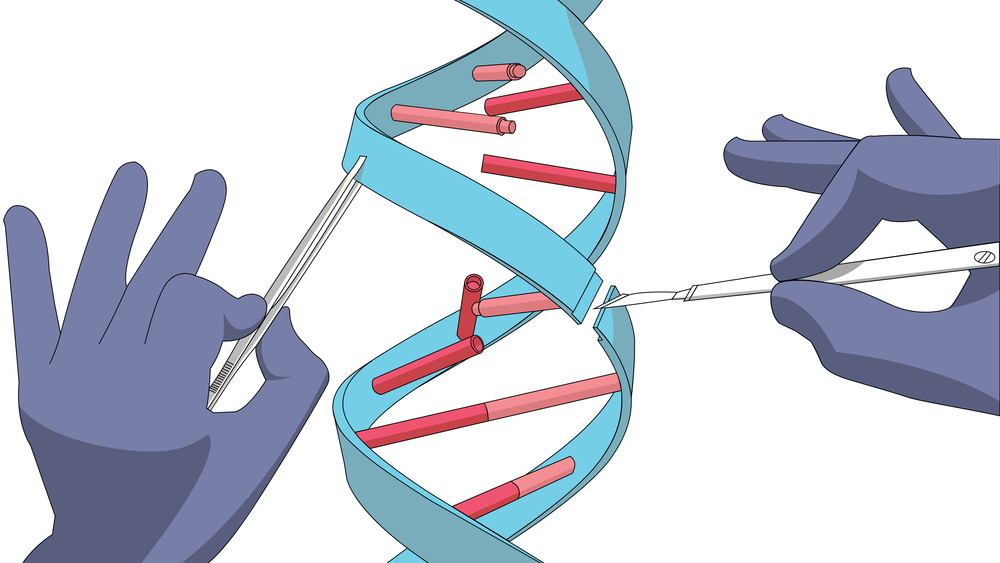
When people hear that a virus infects 95 percent of the global population, one obvious question tends to follow: why has it taken so long to get here?
The short answer is that EBV is unusually tricky.
Unlike some viruses that have relatively straightforward routes of infection, Epstein-Barr virus has evolved to interact with the body’s immune cells in highly effective ways. It is especially good at finding and infecting B cells, which are central to immune memory and antibody production.
That creates a frustrating scientific paradox. The very immune system meant to defend the body is also part of the environment EBV has learned to exploit.
Researchers have also had to navigate another challenge: finding antibodies that are potent enough to block infection but also suitable for eventual human use. It is one thing to generate an interesting result in a lab. It is another to produce a therapy that can realistically move toward clinical development without provoking harmful immune reactions.
This is part of why the Fred Hutch team’s use of mice carrying human antibody genes is so important. It did not just produce a promising result against EBV. It also validated a research strategy that could potentially be used against other difficult pathogens in the future.
Crystal Chhan, a PhD student involved in the work, said the study not only identified important antibodies against EBV but also highlighted an innovative way to discover protective antibodies more broadly.
That means the significance of the project may extend beyond one virus and into the wider future of infectious disease research.
What Happens Next Before This Reaches Real Patients

As exciting as the findings are, this is still an early-stage breakthrough. That is important to state clearly.
The antibodies have shown promise in advanced laboratory models and in mice with human immune systems, but they have not yet gone through human clinical trials. That means researchers still need to answer some of the biggest questions in medicine: Is it safe in people? How long does protection last? Which patients would benefit most? And what dose would be needed to meaningfully reduce risk?
The pathway from a strong laboratory result to an approved therapy is long, expensive, and often unpredictable.
Still, there are reasons for optimism.
Fred Hutch has already filed for intellectual property rights covering the monoclonal antibodies identified in the study, and the researchers are working with scientific collaborators and an industry partner to advance the therapy toward the next stages of development.
If the process moves forward successfully, a likely next step would be safety testing in healthy adult volunteers, followed by trials in the patient populations most likely to benefit, such as immunocompromised transplant recipients.
That timeline may not satisfy anyone hoping for an immediate medical revolution, but it reflects how serious science actually works. Real breakthroughs are rarely instant. They arrive piece by piece, through years of persistence, refinement, and careful validation.
And in many ways, that makes this moment more impressive, not less.
Why This Story is Resonating Far Beyond the Scientific World

Part of the reason this development is gaining so much traction is because it taps into something people instinctively understand: the idea that a common, mostly hidden virus could shape health in ways we are only beginning to grasp.
There is something profoundly unsettling about learning that a pathogen living inside most of humanity may play a role in cancers, immune complications, and chronic disease. But there is also something hopeful in seeing science finally pry open a weakness in it.
That contrast is what makes this such a compelling story. It is not just about antibodies, proteins, or lab models. It is about the possibility of taking control over something that has quietly affected millions of lives for generations.
It is also a reminder that some of the biggest medical breakthroughs do not begin with a dramatic emergency. They begin with a familiar problem that has been hiding in plain sight all along.
Epstein-Barr virus has never had the public profile of influenza, COVID-19, or HIV. Yet in hospitals, cancer clinics, and transplant centers, its impact has been very real. That gap between public awareness and medical significance is exactly why this discovery feels so striking.
Scientists are not claiming victory yet. But they are, for perhaps the first time in a very concrete way, showing that EBV might be blockable.
A Quiet Virus May Finally Be Facing Real Resistance
There is still a long road between a promising experiment and a therapy that changes patient care. That much is certain.
But if this research continues to hold up, it could mark the beginning of a new chapter in how medicine approaches Epstein-Barr virus. Not as an unavoidable infection that simply has to be tolerated, but as a target that can be intercepted, neutralized, and perhaps one day prevented more broadly.
For patients at the highest risk, especially those undergoing transplants or living with compromised immune systems, that possibility is more than scientific progress. It is the prospect of real protection where very little currently exists.
And for everyone else, it is a reminder that some of the most important advances in health are not always the loudest ones. Sometimes they emerge quietly from years of painstaking work, then suddenly reveal that a problem once considered almost impossible may no longer be out of reach.
If this antibody approach succeeds in the next phases of testing, the virus that 95 percent of the world has learned to live with may finally be meeting its match.