

The One Lesson Every Child Needs to Learn Early in Life
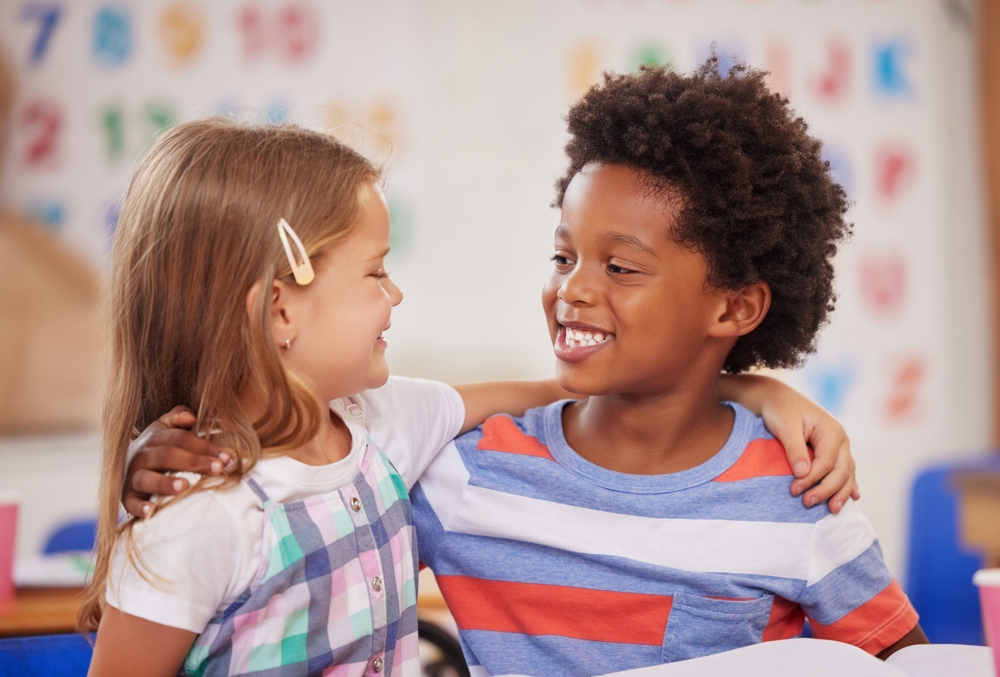
It started as one of those everyday parenting moments that almost feels too small to matter. A child gets frustrated, a friend refuses to share, voices rise, and patience wears thin. Sam had already been pushed to his limit that day, and when his best friend Kenny kept playing on his tablet instead of sharing, he snapped. “Kenny should go home. He’s being mean!” he demanded, loud enough for his mother to hear. From the kitchen, she responded with a familiar reminder, “Be nice, Sam, or Kenny will want to go home.” The situation quieted, but something about it lingered, especially later that evening when the story was retold at dinner and Sam’s grandfather responded with a simple but powerful thought: “Look, nice is good, but I’ll take kind over nice any day.”
That one sentence highlights a truth many families overlook. Teaching children to be nice is often about manners and avoiding conflict, but teaching them to be kind goes much deeper. Kindness involves intention, empathy, and the willingness to do something for someone else without expecting anything in return. In a world where children are constantly learning how to navigate relationships, emotions, and social expectations, kindness is not just a moral lesson. It is a foundational life skill that shapes how they treat others and how they see themselves.
Nice vs Kind: Why the Difference Matters
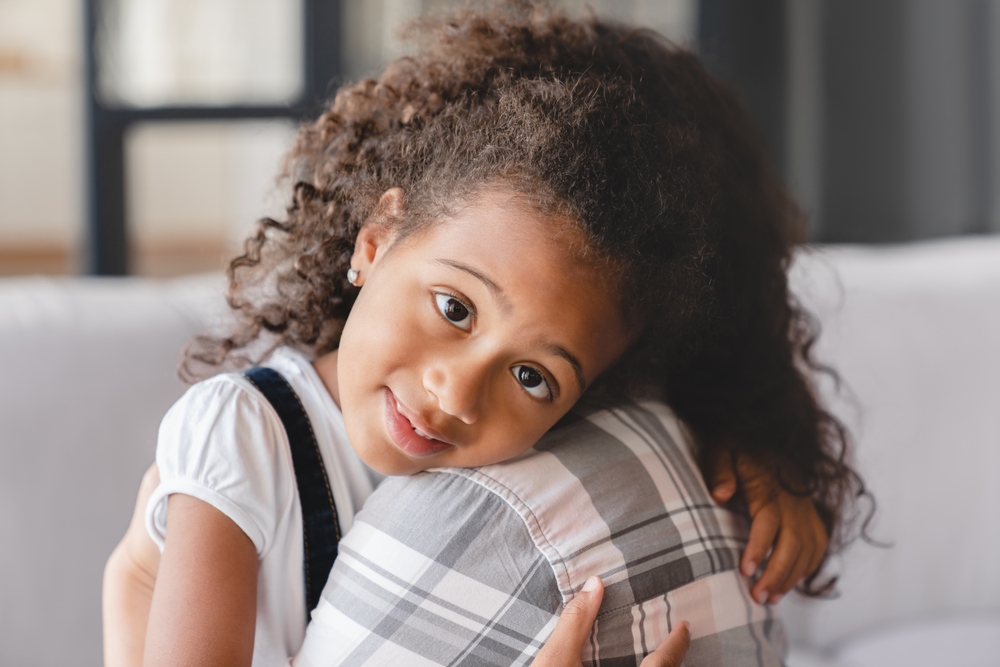
At a glance, being nice and being kind can seem identical, but the difference becomes clear when you look at motivation. Being nice often means following rules or trying to keep things pleasant. It can come from a place of obligation or fear of consequences. Kindness, on the other hand, comes from genuine care. It is a conscious choice to help or support someone else, even when there is no reward waiting at the end.
Children do not automatically understand this distinction because their thinking is still developing. Younger children often focus on outcomes rather than intentions. They see who got the toy, who had to wait, or who seemed to win the situation. That is why moments like Sam’s frustration are so common. In his mind, fairness meant getting a turn right away, not stepping back for someone else.
Yet even at a very young age, children show signs that kindness is already part of who they are. Toddlers have been observed walking across a room to offer comfort to a crying child, handing over a toy or simply standing nearby to see if it helps. They do not ask for praise or recognition. They just act. Afterward, they often linger, watching quietly, almost as if they are checking whether their kindness made a difference.
This natural instinct suggests that kindness is not something we build from nothing. It is something we nurture and strengthen. When children are guided to understand why their actions matter, they begin to connect those early instincts with intentional behavior.
Why Kindness Is a Foundational Life Skill
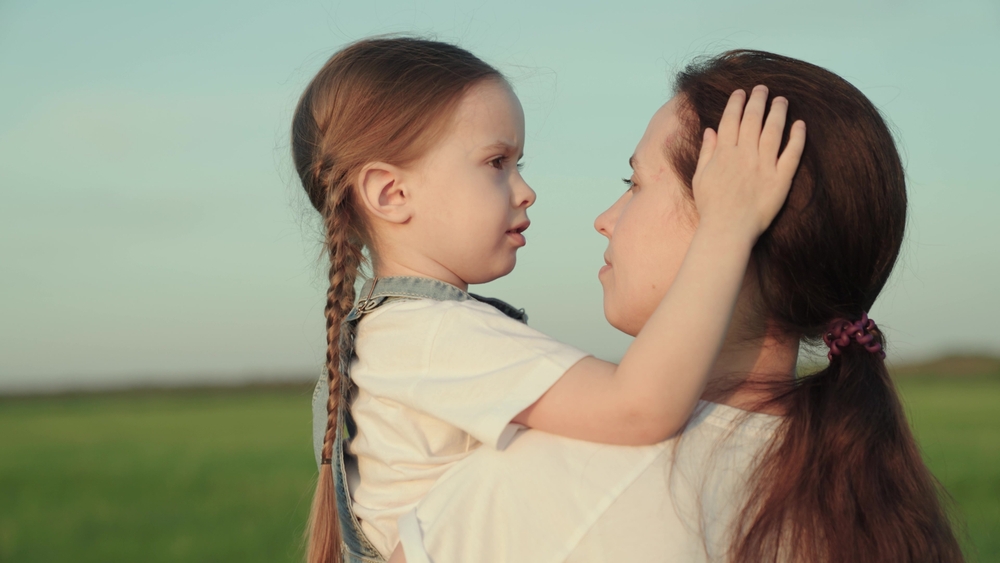
Kindness is often treated as a soft skill, something secondary to academic success or discipline. In reality, it plays a central role in how children develop socially and emotionally. It influences how they manage stress, how they form relationships, and how they respond to challenges.
One of the most immediate benefits of kindness is emotional regulation. When children act kindly, it can shift their focus away from frustration or anger. Instead of staying stuck in a negative feeling, they experience a sense of calm and satisfaction. This is especially important in moments like Sam’s, where emotions are running high and patience is thin.
Kindness also strengthens relationships. Children who practice kindness are more likely to build trust with their peers. They become the kind of friends others want to be around, which leads to more stable and meaningful connections. Over time, this contributes to a stronger sense of belonging and security.
Another key benefit is the development of empathy. When children are encouraged to think about how others feel, they begin to see situations from different perspectives. This ability does not just improve behavior. It shapes how they interact with the world, making them more understanding and less reactive.
The Science Behind Kindness
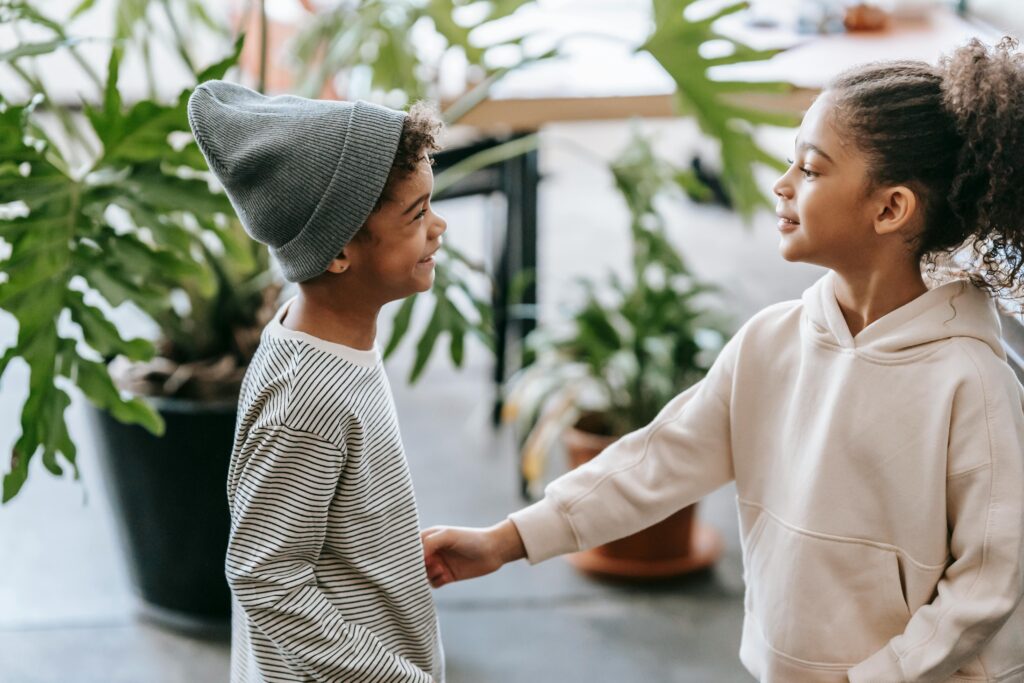
Kindness is not just a moral concept. It has measurable effects on the brain and body. Research has shown that acts of kindness trigger the release of chemicals associated with happiness and bonding. These include dopamine and oxytocin, which contribute to feelings of pleasure, connection, and reduced stress.
A meta-analysis from Oxford University’s KindLab found that performing acts of kindness improves the well-being of the giver more than it does the well-being of the receiver. This finding challenges the common assumption that kindness is primarily about helping others. It shows that kindness is equally beneficial for the person who chooses to act.
This creates a powerful cycle. When a child performs a kind act and feels good afterward, they are more likely to repeat that behavior. Over time, kindness becomes a habit rather than a one-time choice. It becomes part of how they respond to situations, even when no one is watching.
This is also why kindness spreads so easily. When children see kindness around them, they are more likely to mirror it. It becomes part of the environment, shaping expectations and behavior in subtle but meaningful ways.
Why Some Kids Struggle With Kindness
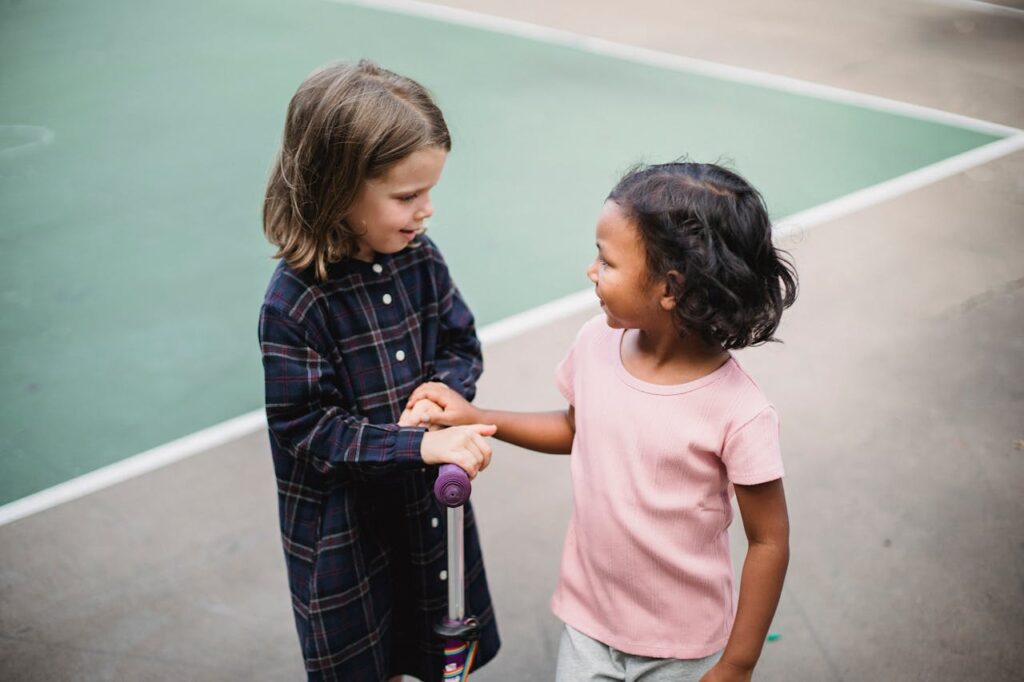
It can be unsettling for parents to see their child act in ways that seem unkind. Refusing to share, speaking harshly, or excluding others can feel like signs that something is wrong. In most cases, however, these behaviors are a normal part of development.
Children are still learning how to understand their own emotions. They may feel overwhelmed, frustrated, or confused but lack the words to express those feelings. When this happens, their behavior can come across as unkind even if that is not their intention.
They are also learning how to recognize the emotions of others. This skill takes time to develop. A child who grabs a toy may not fully understand how that action affects someone else. A child who raises their voice may simply be trying to be heard.
This is why teaching kindness requires patience. It is not about correcting every mistake immediately. It is about guiding children toward understanding, helping them connect their actions with the feelings of others, and giving them the tools to respond differently next time.
Practical Ways to Teach Kindness Every Day
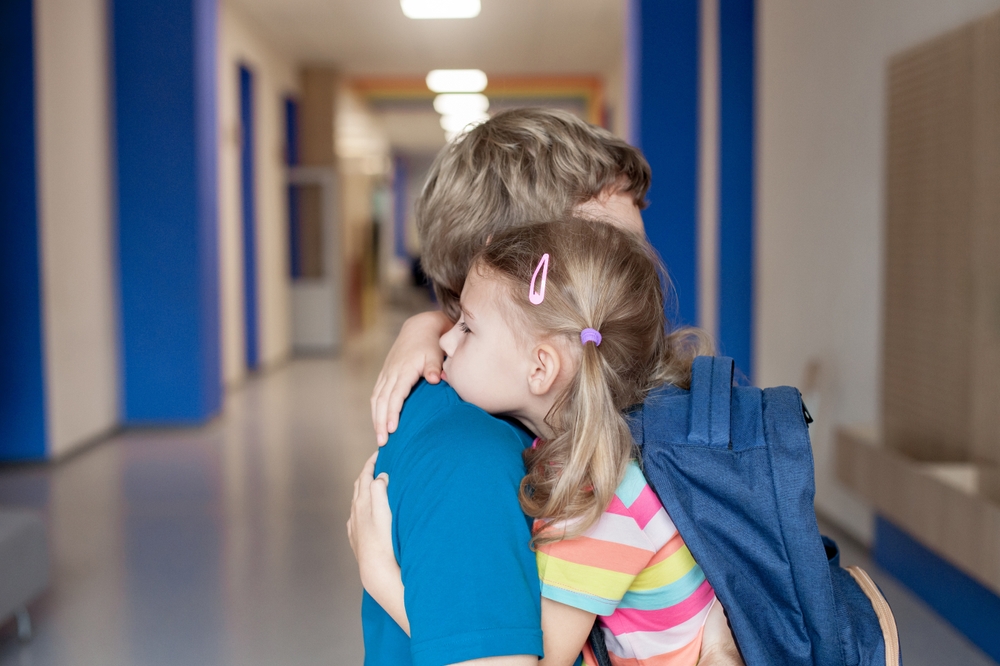
One of the most effective ways to teach kindness is to model it consistently. Children pay close attention to how adults behave, even in small interactions. When they hear “please” and “thank you” used regularly or see respectful communication during stressful moments, they begin to understand what kindness looks like in practice.
Talking about emotions is another essential step. When children can identify what they are feeling, they are better equipped to understand others. Simple conversations that name emotions such as sadness, anger, or fear can make a significant difference in how children process their experiences.
Reading together also plays a powerful role. Stories provide a safe space to explore different situations and outcomes. Asking questions about characters and their choices encourages children to think more deeply about kindness and its impact.
Taking action as a family reinforces these lessons. Volunteering, helping neighbors, or donating items can show children that kindness has real effects in the world. These experiences make the concept more tangible and meaningful.
Exposure to different people and environments further strengthens this understanding. Travel, even on a small scale, helps children see the world from different perspectives. When differences become familiar, they are less likely to be met with fear and more likely to be approached with curiosity and respect.
Making Kindness Part of Everyday Life
Kindness becomes more meaningful when it is part of daily life rather than an occasional lesson. Simple questions like “What’s one kind thing you did today?” or “Did someone do something kind for you?” encourage reflection and awareness.
These conversations help children recognize the role kindness plays in their experiences. They begin to notice it more often, both in their own actions and in the actions of others. This awareness strengthens their commitment to being kind.
It is also important to focus on effort rather than perfection. Children will make mistakes, lose patience, and act out at times. These moments are part of learning. What matters is helping them understand what they can do differently moving forward.
Consistency is key. When kindness is treated as a core value within the family, it becomes something children carry with them into other areas of their lives.
Sources:
- Curry, O., Rowland, L., Zlotowitz, S., McAlaney, J., & Whitehouse, H. (2018b). Happy to help? A systematic review and meta-analysis of the effects of performing acts of kindness on the well-being of the actor. ORA – Oxford University Research Archive. https://ora.ox.ac.uk/objects/uuid%3A4701365b-5760-4ece-a390-857a5f7b3c0c?
- Being kind to others does make you happy, concludes large-scale. (2016, October 5). https://www.ox.ac.uk/news/2016-10-05-being-kind-others-does-make-you-happy-concludes-large-scale-review-evidence?