

This Teen Invented a Simple Filter That Could Change How We Drink Water Forever
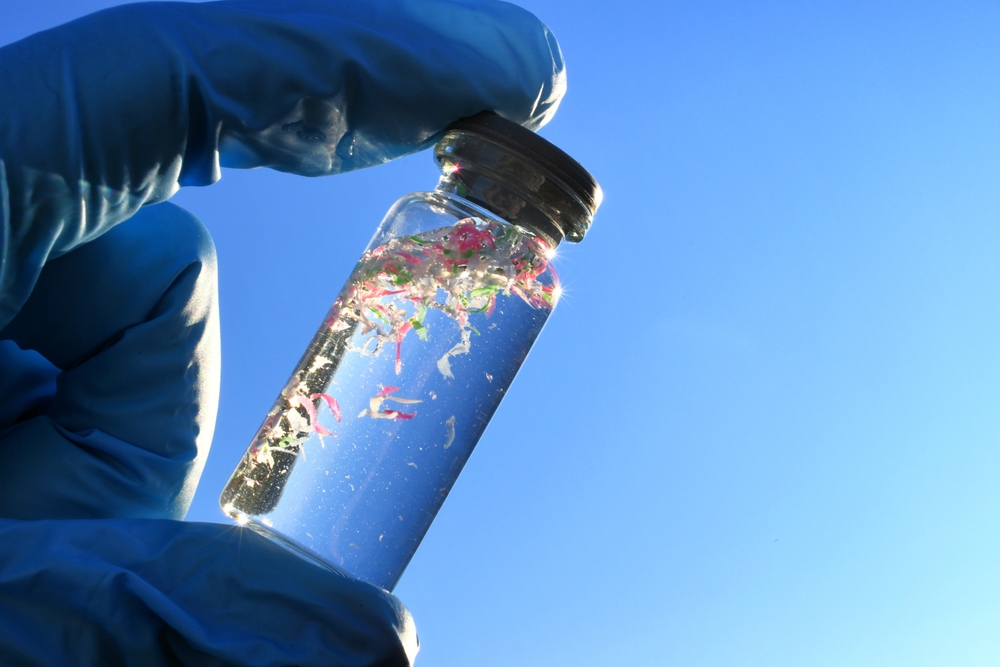
Water is often described as life’s most essential resource, yet in recent years it has quietly become a carrier of something far more troubling. Microplastics, tiny fragments of plastic less than five millimeters in size, have found their way into oceans, food systems, and even the water we drink every day. For many people, this issue feels overwhelming and distant, something that governments and scientists will eventually figure out, rather than a problem that directly touches their daily routines.
But sometimes, solutions come from unexpected places, emerging not from large laboratories or multinational organizations but from individuals who simply refuse to ignore a problem. In this case, it came from a high school student who decided to question what most people accept as unavoidable. At just 18 years old, this young innovator has developed a water filter capable of removing up to 95.5 percent of microplastics from drinking water, offering a glimpse into what the future of clean water could realistically look like.
What makes this story especially compelling is not just the invention itself, but the mindset behind it and the broader message it sends. It is a reminder that curiosity, persistence, and a willingness to question everyday problems can lead to remarkable breakthroughs, regardless of age or experience. In a world often dominated by complex systems, sometimes the most meaningful ideas begin with simple questions asked by fresh minds.
The Growing Problem of Microplastics in Drinking Water
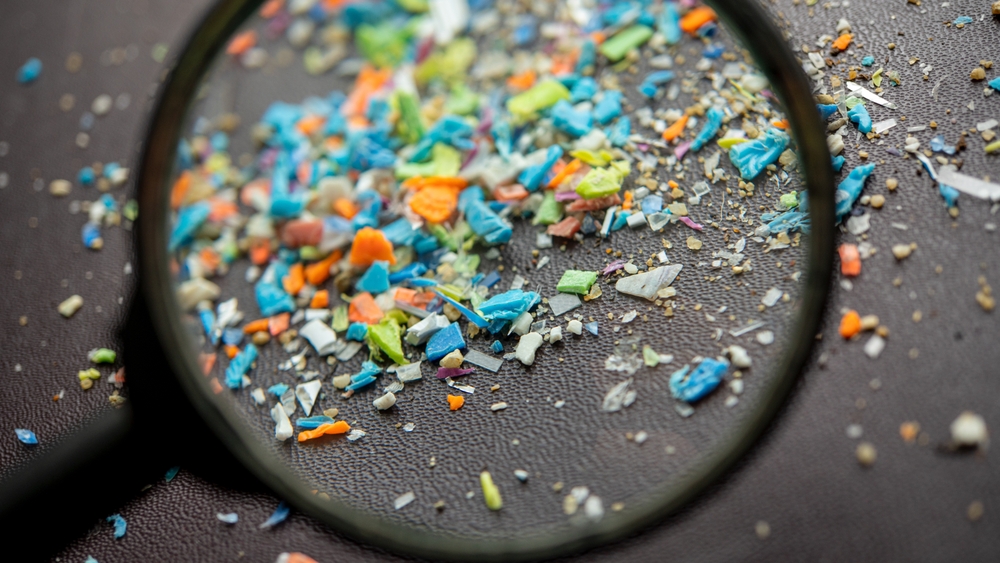
Microplastics have become one of the most pressing environmental concerns of the modern era, largely because of how invisible yet widespread they are. These tiny particles originate from a wide range of sources, including broken-down plastic waste, synthetic clothing fibers released during washing, and industrial processes that release microscopic debris into the environment. Once these particles enter ecosystems, they persist for years and travel easily through water systems.
Studies have shown that microplastics are now present in drinking water supplies around the world, affecting both developed and developing regions. According to environmental reports referenced in coverage by Smithsonian Magazine, both tap water and bottled water contain measurable levels of these particles. This has raised serious questions about long-term health effects, particularly as scientists continue to study how these particles interact with the human body over time.
One of the most concerning aspects of microplastics is their size and ability to evade conventional treatment methods. Because they are so small, they can pass through traditional filtration systems with relative ease, slipping through processes that were never designed to handle contaminants at such a microscopic scale. This gap in filtration capability highlights a growing mismatch between modern environmental challenges and existing infrastructure.
This growing awareness has sparked a wave of research and innovation across the globe. Scientists and engineers are actively working to find effective solutions, but many of these technologies are either expensive, energy-intensive, or difficult to implement on a large scale. That is why the idea of a simple, efficient, and affordable filter is so significant, as it could bridge the gap between innovation and accessibility.
A Teenager With a Big Idea
The story begins with an 18-year-old high school student who became increasingly curious about the quality of drinking water and the unseen risks associated with it. Like many young people today, he was exposed to information about environmental issues through school lessons, documentaries, and online platforms that highlight global challenges. However, instead of feeling overwhelmed or disengaged, he chose to take a more active role in understanding the problem.
According to reports, the student began researching microplastics in depth and quickly realized just how widespread and under-addressed the issue had become. He was particularly struck by the lack of practical solutions that could be used in everyday households, especially those that were both effective and affordable. This realization became a turning point that pushed him toward experimentation.
Rather than waiting for experts or institutions to solve the issue, he decided to explore whether he could create something himself using available knowledge and resources. This decision marked the beginning of a journey that would involve extensive trial and error, careful observation, and a willingness to learn from setbacks. It also required balancing academic responsibilities with independent research, which added another layer of challenge.
What sets this story apart is the level of dedication and self-motivation involved in the process. Balancing schoolwork with research and development is no small task, yet he managed to pursue both with remarkable focus and discipline. It is a testament to how passion can drive innovation, even in the face of limited resources, and how determination can turn curiosity into something tangible and impactful.

How the Innovative Filter Works
The student’s invention is not just impressive because of its effectiveness, but also because of its thoughtful and practical design. The filter uses a combination of materials arranged in a way that maximizes their ability to capture microplastics without significantly reducing water flow. This balance between efficiency and usability is what makes the design particularly noteworthy.
According to the sources, the system relies on both natural and engineered components that work together to trap particles at a microscopic level. Each layer of the filter serves a specific purpose, contributing to the overall ability to remove contaminants. This layered approach allows it to achieve a removal rate of approximately 95.5 percent, which is significantly higher than many standard household filtration systems currently available.
One of the key advantages of the design is its accessibility and adaptability. Unlike some advanced filtration systems that require complex machinery or specialized maintenance, this invention is relatively straightforward and user-friendly. This makes it more feasible for widespread use, particularly in communities where access to advanced infrastructure is limited.
Another important factor is cost, which often determines whether an innovation can be widely adopted. Many existing solutions for microplastic removal are prohibitively expensive, making them inaccessible to large portions of the global population. By focusing on affordability alongside effectiveness, the student has created something that could potentially reach far more people and make a real difference in everyday life.
Recognition and Public Reaction
As news of the invention spread, it quickly captured public attention and resonated with audiences across different regions. Media outlets such as highlighted the story, emphasizing both the innovation itself and the age of its creator. The idea that a high school student could tackle such a complex and global issue struck a chord with readers.
The response has been overwhelmingly positive, with many people expressing admiration for the student’s initiative, creativity, and determination. Social media platforms have played a significant role in amplifying the story, allowing it to reach a much wider audience and turning it into a viral moment that inspired conversations about environmental responsibility and youth innovation.
Experts have also taken notice of the development, acknowledging its potential while emphasizing the need for further testing and refinement before large-scale implementation. Even so, the initial results are promising and suggest that the concept has real-world applicability. The invention demonstrates that fresh perspectives can lead to breakthroughs that established systems might overlook.
This kind of recognition can be transformative, not just for the individual but for the broader conversation around innovation and problem-solving. It challenges assumptions about who can contribute to scientific progress and highlights the importance of encouraging young minds to explore complex issues rather than shy away from them.
Why This Matters for the Future
The implications of this invention go far beyond a single filter or a single success story. If scaled effectively, this technology could play a meaningful role in reducing microplastic exposure in everyday life, particularly as awareness of environmental health continues to grow among consumers and policymakers alike.
Clean water is a fundamental human need, yet access to it remains uneven across the globe due to economic, geographic, and infrastructural barriers. Innovations like this have the potential to bridge some of those gaps by providing practical and affordable solutions that can be implemented in a variety of settings, from urban homes to rural communities.
There is also a broader lesson about sustainability and how society approaches environmental challenges. Addressing these issues requires a combination of large-scale policy changes and grassroots innovation. While governments and corporations play a crucial role, individual efforts and small-scale inventions can also contribute significantly to long-term progress.
This story serves as a powerful reminder that solutions can come from anywhere and that meaningful change often begins with a single idea. It encourages a mindset of curiosity and responsibility, showing that even small actions, when pursued with dedication, can lead to outcomes that benefit a much larger community.
A Small Idea With Global Potential
At first glance, a high school science project might not seem like something that could change the world in a meaningful way. However, this story challenges that assumption by showing how a single idea, when developed with care and persistence, can have far-reaching implications.
The journey from curiosity to innovation is rarely straightforward and often involves overcoming obstacles, refining ideas, and learning from failure. Yet, as this example shows, the process itself can lead to extraordinary outcomes that extend beyond the original goal.
For readers, there is an important takeaway that goes beyond the specifics of microplastics or water filtration. You do not need to be an expert or have access to advanced resources to start making a difference. Sometimes, all it takes is asking the right question and being willing to explore the answer with determination and creativity.
As the conversation around microplastics continues to evolve, innovations like this offer a sense of hope and direction. They remind us that while the challenges we face are complex, the solutions may already be taking shape in places we least expect, driven by individuals who simply choose to act.
Featured Image Credit: Photo by MargJohnsonVA | Shutterstock
References
- Microplastics Research | US EPA. (2026, March 19). US EPA. https://www.epa.gov/water-research/microplastics-research
- Thompson, R. C., Courtene-Jones, W., Boucher, J., Pahl, S., Raubenheimer, K., & Koelmans, A. A. (2024). Twenty years of microplastic pollution research—what have we learned? Science, 386(6720), eadl2746. https://doi.org/10.1126/science.adl2746
- Prata, J. C., Padrão, J., Khan, M. T., & Walker, T. R. (2024). Do’s and don’ts of microplastic research: a comprehensive guide. Water Emerging Contaminants & Nanoplastics, 3(21). https://doi.org/10.20517/wecn.2023.61