


New DNA Analysis on the Shroud of Turin Reveals Surprising Results
For hundreds of years, people have traveled across the globe just to catch a glimpse of the Shroud of Turin. It bears the faded image of a crucified man, sparking endless arguments between strict skeptics and devoted believers. But recently, researchers decided to look past the visible image and sequence the microscopic DNA hidden deep within the fabric’s dust.
What they found trapped in those ancient threads challenges everything society assumes about history, preservation, and human connection. Sometimes the most profound secrets of existence are not found in the grand picture, but in the tiny, unseen fragments left behind by time.
The Biological Story of the Shroud
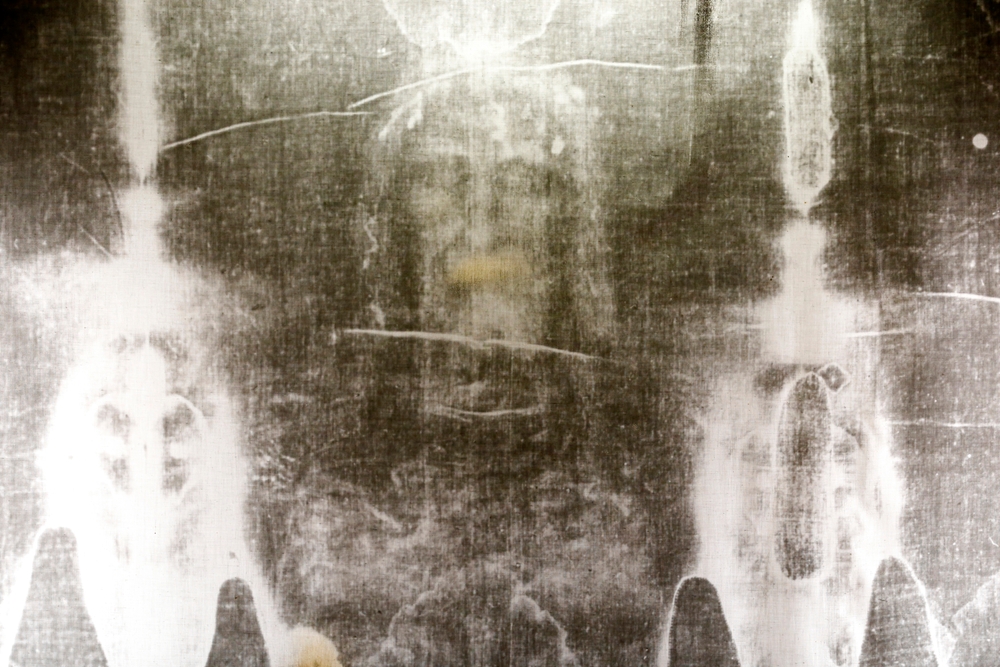
Inside a cathedral in Italy rests a piece of linen that has commanded global attention for centuries. The Shroud of Turin bears the faint image of a man with crucifixion wounds. For millions, standing before this cloth is a profound spiritual experience. But recently, a completely different kind of observation took place. Researchers applied modern genomic sequencing to the ancient fabric. They did not just examine the faded image. They looked at the microscopic dust resting directly on it.
In 2015, a team of scientists extracted genetic material from dust particles carefully vacuumed from the relic. The scientific goal was straightforward. They wanted to read the biological history trapped within the fibers. Observers expected these results to finally settle the long arguments over exactly where and when the cloth was created.
Science often enters spaces previously reserved strictly for faith. When researchers placed the Shroud under the lens of DNA analysis, they sought a clear, geographic origin story. Instead, the genetic material revealed a sprawling, complex timeline. The DNA showed traces of plant and human life that tell a story much larger than a single region in the Middle East or Europe.
Not One Man’s Image, But All of Humanity’s Grasp
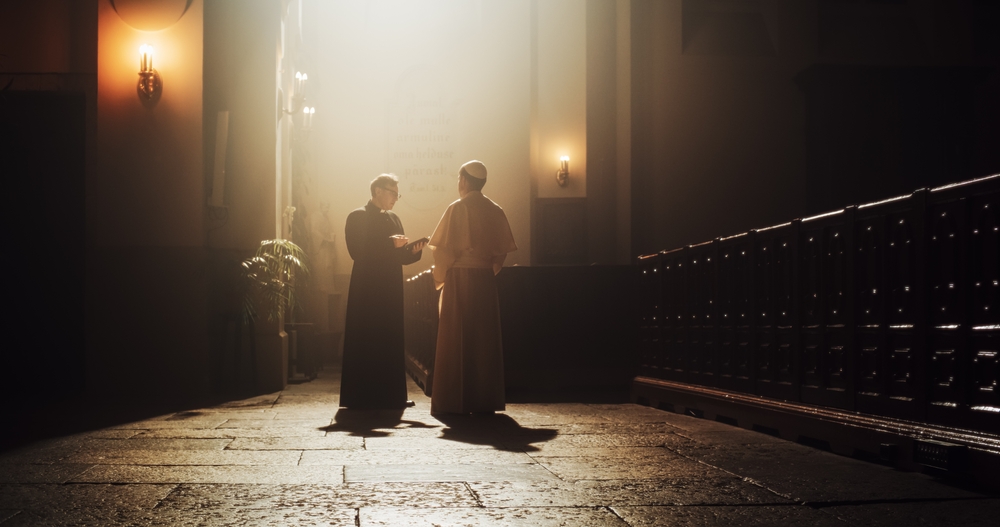
When researchers decoded the genetic material vacuumed from the Shroud, the data was astonishing. They did not find DNA isolated to a single ancient era. They found a biological record of a massive, global journey. The fabric contained traces of 19 different plant species. Some were native to the Mediterranean. Others, like maize and tomatoes, originated in the Americas and were not introduced to Europe until centuries later.
The human DNA was even more diverse. The genetic markers did not just point to the Middle East. They revealed lineages from Western Europe, North Africa, and the Arabian Peninsula. Surprisingly, a significant portion of the human DNA matched lineages from India. This suggests the original linen might have been manufactured near the Indus Valley or heavily handled by people of Indian descent along ancient trade routes.
Instead of narrowing down an exact date and location of origin, the science showed that the Shroud has collected pieces of the world. It is essentially a biological passport. Every pilgrim who touched it, every church that housed it, and every environment it passed through left a microscopic signature.
This heavy contamination makes it impossible to isolate the original DNA of the man whose image rests on the cloth. However, this fact does not erase the significance of the artifact. In 2015, Pope Francis referred to the Shroud as an “icon of love.” The scientific data actually supports this view in a unique way. The physical evidence proves that for centuries, diverse people from all over the globe have traveled to this cloth, leaving behind tiny pieces of themselves in a shared search for hope.
A Coat of Many Centuries
In 1988, an international team of scientists performed radiocarbon dating on a small corner of the Shroud. The results were announced with great certainty. The linen was dated to the Middle Ages, specifically between 1260 and 1390. For many observers, the book was officially closed. The artifact was widely labeled a medieval creation rather than an ancient burial cloth.
However, scientific discovery is rarely a straight line. Recent genomic studies add a massive layer of complexity to those earlier conclusions. Lead researcher Gianni Barcaccia and his team discovered that the cloth has suffered from severe environmental contamination. The DNA extracted from the fibers includes traces of marine life, common farm animals, and even plants like maize and tomatoes that were only introduced to Europe from the Americas centuries later.
This incredible volume of foreign genetic material proves that the Shroud has not existed in a sterile vacuum. It was handled, repaired, and transported through numerous environments over hundreds of years. Every public display, every fire it survived, and every relocated shrine added new biological data to the fabric. Because of this profound contamination, isolating the original state of the cloth or the true identity of the man imprinted on it remains an extraordinary challenge.
We Are All Carrying Something

The relic is not just a piece of ancient linen; it is a sprawling, invisible ecosystem. When researchers looked deeper into the fabric, they uncovered a massive biological melting pot. A 2026 metagenomic study led by geneticist Gianni Barcaccia analyzed dust from the cloth and found far more than just human and plant DNA. The team discovered a rich tapestry of microbes, including bacteria commonly found on human skin, like Staphylococcus. They even identified traces of Mediterranean red coral and microscopic organisms that only thrive in environments with extremely high salt concentrations.
What does this mean for the everyday observer? It proves that the Shroud has never been kept in perfect, sterile isolation. In the study, Barcaccia noted that the DNA traces suggest the “potentially extensive exposure of the cloth in the Mediterranean region.” Every person who wept over it, every pair of hands that repaired it, and every coastal town it passed through left an invisible, biological mark. The cloth absorbed the breath, the touch, and the environments of countless generations.
There is a profound lesson hidden within this deep contamination. Society often views purity as perfection. People want historical artifacts to remain completely untouched and pristine. Yet, the physical evidence proves that true value comes from connection. The Shroud of Turin is a literal time capsule of human interaction. The heavy presence of skin bacteria and salt-loving organisms tells the raw story of a journey through different climates, hands, and cultures.
Life operates the exact same way. Nobody moves through the world without picking up pieces of the environments and the people they encounter. The dust and the foreign DNA found on the cloth do not ruin its history. Instead, they write a brilliant new chapter about the beauty of shared human experience.
The Mark of the Journey
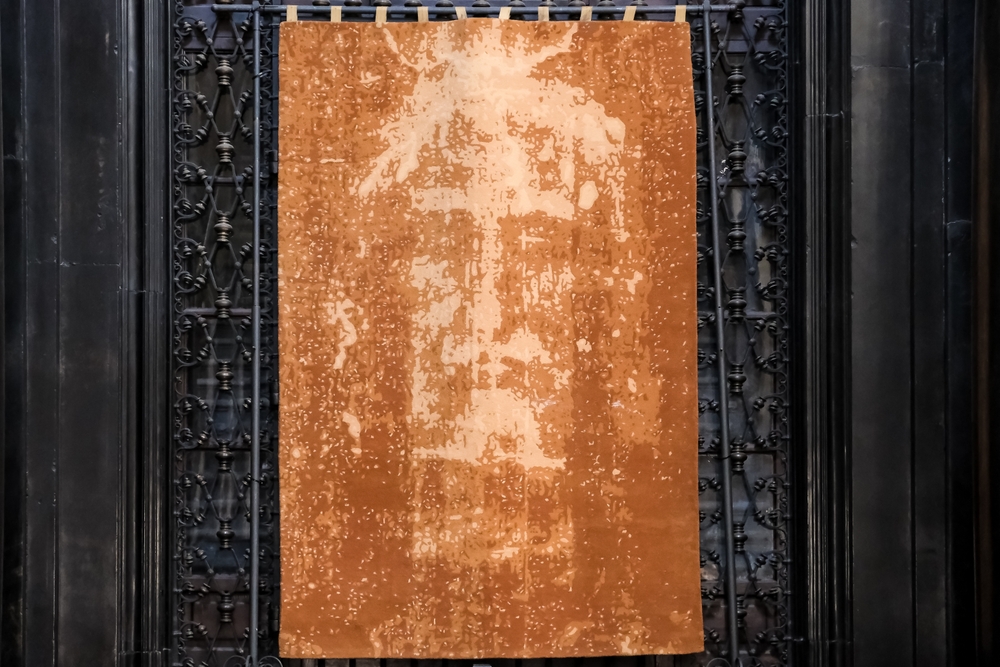
The debate over the Shroud of Turin often traps people in a desperate search for absolute proof. Society wants a sterile, perfectly preserved artifact that definitively answers the greatest mysteries of faith. But the recent DNA evidence tells a different, much more powerful story. It reveals that the most revered things in this world are rarely untouched. They are deeply connected to the messy, complicated reality of human existence.
When you look at the complex genetic map left on the ancient linen, it offers a striking mirror for personal growth. People constantly strive for a pristine version of themselves, believing that perfection is the only path to finding true value. Yet, just like the Shroud, your true worth is not found in remaining isolated or untarnished by the world. Your value is built through the environments you navigate, the struggles you survive, and the diverse people you encounter. The biological contamination found on the relic is actually a brilliant record of devotion, endurance, and profound global connection.
Let this famous cloth serve as a direct call to action. Stop waiting for perfect conditions to find meaning in life. Embrace the complex, beautiful history of your own experiences. Science and faith do not have to be enemies fighting over a piece of fabric. They can both point toward the exact same truth. The greatest evidence of something sacred is not that it remained completely untouched by time, but that it brought humanity together in search of hope. Step out into the world, connect deeply with others, and allow the journey to leave its lasting mark on you.
Featured Image Source: Shutterstock
Source:
- Barcaccia, G., Migliore, N. R., Gabelli, G., Agostini, V., Palumbo, F., Moroni, E., Nicolini, V., Gao, L., Mattutino, G., Porter, A., Palmowski, P., Procopio, N., Perego, U. A., Iorizzo, M., Sharbel, T. F., Bollone, P. B., Torroni, A., Squartini, A., & Achilli, A. (2026). DNA traces on the Shroud of Turin: Metagenomics of the 1978 official sample collection. bioRxiv (Cold Spring Harbor Laboratory). https://doi.org/10.64898/2026.03.19.712852