

Scientists Discover Unexpected Hair Regrowth Solution in Natural Sugar
Hair loss is something many people quietly struggle with, often beginning earlier than expected and progressing in ways that feel difficult to control. For decades, treatments have remained limited, often expensive, and sometimes accompanied by frustrating side effects. That is why a recent scientific discovery is drawing attention across the world. What began as an unrelated experiment has turned into one of the most intriguing developments in the search for a solution to hereditary hair loss.
Researchers studying wound healing stumbled upon something unexpected. A naturally occurring sugar, already present in the human body, appeared to trigger significant hair regrowth in laboratory mice. The discovery was not the result of a targeted attempt to cure baldness, but rather a chance observation that has since opened a new avenue in medical research.
While it is still early, the implications are difficult to ignore. The idea that something as simple as a sugar molecule could influence hair growth challenges long-standing assumptions about how baldness might be treated in the future.
An Accidental Discovery That Changed the Direction of Research
The story begins with a team of scientists from the University of Sheffield and COMSATS University in Pakistan. For nearly eight years, their work focused on understanding how certain biological compounds could accelerate wound healing. In particular, they were interested in how blood vessels form during recovery, a process known as angiogenesis.
During these experiments, researchers applied a sugar called 2-deoxy-D-ribose to wounds in mice. This sugar plays a crucial role in the structure of DNA and is naturally produced within the body. The goal was to observe whether it could help tissue regenerate more efficiently.

What they noticed, however, went beyond wound healing. The fur surrounding treated areas appeared to grow back faster than in untreated regions. At first, this observation may have seemed incidental, but repeated patterns made it difficult to ignore.
Curiosity led the team to investigate further. If this sugar could influence hair growth during healing, could it also impact conditions like androgenic alopecia, commonly known as male pattern baldness?
Understanding Androgenic Alopecia and Why It is So Difficult to Treat
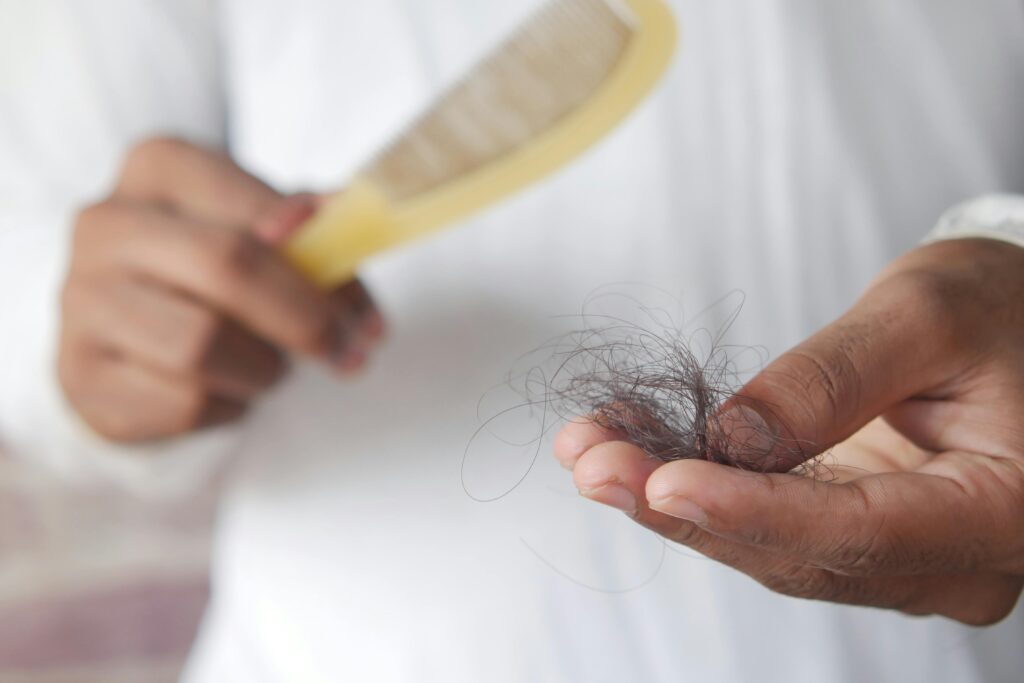
Androgenic alopecia affects a significant portion of the global population. Estimates suggest that up to half of men experience some degree of pattern baldness during their lifetime. It can also affect women, though the pattern and progression often differ.
The condition is influenced by genetics, hormones, and age. In many cases, hair follicles gradually shrink over time due to sensitivity to a hormone called dihydrotestosterone. As follicles shrink, hair becomes thinner until growth eventually stops.
Despite how common this condition is, treatment options remain limited. Currently, only a small number of medications are widely approved for use. These include topical solutions like minoxidil and oral treatments such as finasteride. While effective for some individuals, these treatments do not work for everyone and often require continuous use to maintain results.
Some treatments also carry unwanted side effects, which can discourage long-term use. This has left many people searching for alternatives that are both effective and easier to tolerate.
Testing the Sugar on Hair Loss Models
To explore the potential of 2-deoxy-D-ribose, researchers developed a controlled model of testosterone-driven hair loss in mice. This model closely mimics the biological processes seen in human pattern baldness.
The scientists applied a small amount of the sugar to areas of hair loss over a period of time. The results were striking. Within weeks, the treated areas showed visible signs of regrowth, including longer and thicker strands of hair.
The regrowth was not random or patchy. Instead, it appeared consistent and robust across the treated regions. This suggested that the sugar was not simply stimulating surface-level growth but was influencing deeper biological processes within the skin.
Photographic evidence collected throughout the study showed clear differences between treated and untreated areas. The findings were compelling enough to warrant further investigation.
How a Simple Sugar May Stimulate Hair Growth

One of the most interesting aspects of this discovery lies in how the sugar appears to work. Rather than directly targeting hormones or blocking specific biological pathways, the compound seems to improve blood flow to hair follicles.
Researchers observed an increase in the formation of new blood vessels in treated areas. This improved circulation likely provides hair follicles with more oxygen and nutrients, creating an environment that supports growth.
Hair follicles are highly active structures that depend on a steady supply of nutrients. When this supply is limited, growth slows or stops altogether. By enhancing blood flow, the sugar may help restore conditions that allow follicles to function more effectively.
This approach is notably different from many existing treatments. Instead of suppressing hormonal activity, it focuses on improving the local environment around hair follicles. This could make it a more accessible and potentially safer option if future studies confirm its effectiveness in humans.
Comparable Results to Existing Treatments

One of the most surprising outcomes of the research was how the sugar performed compared to minoxidil, a widely used treatment for hair loss. In controlled experiments, both approaches produced similar levels of hair regrowth in mice.
This finding is significant because minoxidil has long been considered one of the most reliable options available. The fact that a naturally occurring sugar could achieve comparable results suggests that alternative treatment pathways may be more viable than previously thought.
In some cases, combining treatments did not produce significantly better results than using either one alone. This indicates that the sugar may already be activating key mechanisms involved in hair growth.
While it is important to remember that these results are based on animal models, the consistency of the findings has generated considerable interest among researchers.
Why This Discovery Matters Beyond the Laboratory
Hair loss is often viewed as a cosmetic concern, but its impact can extend much deeper. For many individuals, it affects self-image, confidence, and emotional well-being. The psychological effects can be significant, especially when hair loss begins at a young age.
The possibility of a new treatment that is both effective and accessible could change how this condition is approached. A naturally occurring compound that can be delivered through simple topical applications may offer a more practical solution for many people.
Researchers have also noted that the sugar is relatively inexpensive and stable, which could make it easier to produce and distribute compared to more complex treatments. This raises the possibility of broader accessibility if future studies confirm its benefits.

The Role of Diet and Lifestyle in Hair Health
While the sugar discovery has captured attention, other research continues to highlight the importance of overall health in maintaining strong hair. Studies have shown that diet can play a significant role in hair growth and loss.
For example, higher consumption of sugary drinks and alcohol has been linked to increased hair loss. On the other hand, nutrients such as vitamin D, iron, and protein have been associated with healthier hair growth.
Hair follicles are among the most metabolically active structures in the body, meaning they require consistent nourishment. Even mild deficiencies in key nutrients can affect hair quality and growth patterns.
A balanced approach to nutrition can include:
- Adequate protein intake to support keratin production
- Iron-rich foods that help maintain oxygen delivery to follicles
- Vitamin D to support follicle cycling and immune balance
- Omega-3 fatty acids that may help reduce inflammation
Incorporating balanced nutrition, reducing stress, and maintaining general health remain important components of any approach to managing hair loss. New treatments may enhance results, but they are unlikely to replace the need for a healthy foundation.
What Still Needs to Be Proven

Despite the excitement surrounding this discovery, researchers have been clear about one important point. The work is still in its early stages.
So far, the experiments have been conducted only on mice. While these models provide valuable insights, human biology can respond differently. Clinical trials will be necessary to determine whether the same effects can be replicated safely in people.
There are also questions about dosage, application methods, and long-term outcomes. Scientists will need to understand how often the treatment should be used, whether it works for different types of hair loss, and how it interacts with other treatments.
Another consideration is whether the sugar could benefit individuals beyond those with androgenic alopecia. Some researchers have suggested it might also support hair regrowth after medical treatments such as chemotherapy, though this remains speculative.
Expanding the Implications for Real-World Use
If future studies confirm that this naturally occurring sugar works in humans, its real-world applications could be significant. One of the biggest challenges with current hair loss treatments is consistency. Many require daily use over long periods, and results can vary widely between individuals. Even when treatments work, stopping them often leads to renewed hair loss.
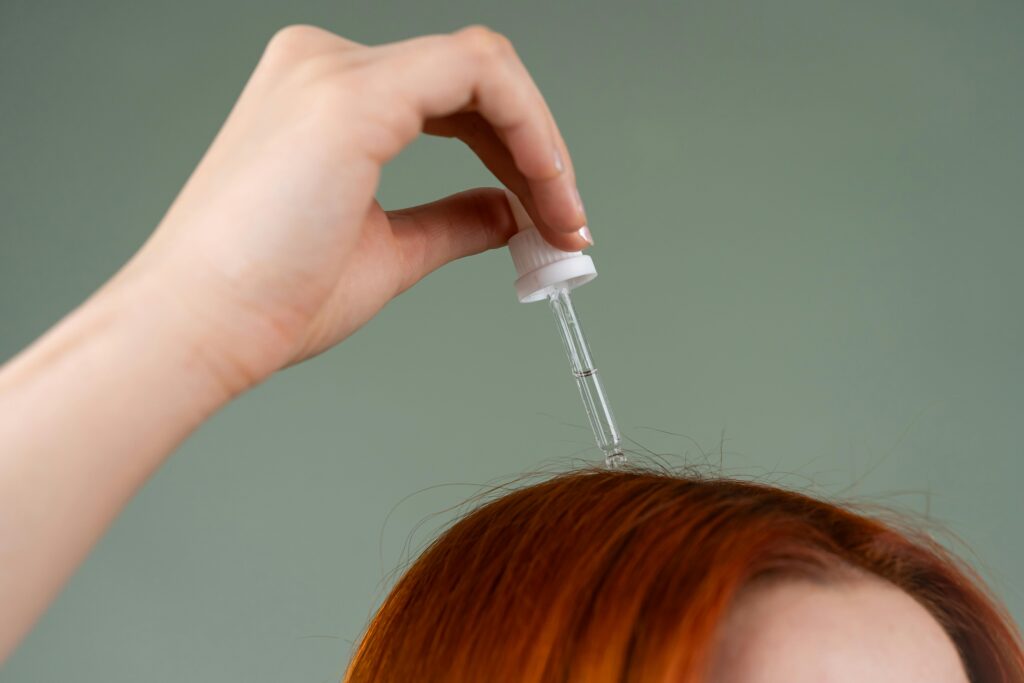
A treatment based on 2-deoxy-D-ribose could potentially be developed into a gel, cream, or dressing that is easy to apply and integrate into daily routines. Researchers have already suggested that the sugar can be delivered through biodegradable gels, which could make it practical for both clinical and at-home use.
There is also the question of cost. Many existing treatments can become expensive over time, especially when used continuously. Because this sugar is naturally occurring and relatively simple to produce, it may offer a more affordable alternative. This could make effective hair loss treatments accessible to a wider population.
Another important factor is stability. Some treatments degrade quickly or require specific storage conditions, which can limit their usability. Early findings suggest that this sugar is stable, which could simplify manufacturing and distribution.

The Science of Blood Flow and Follicle Health
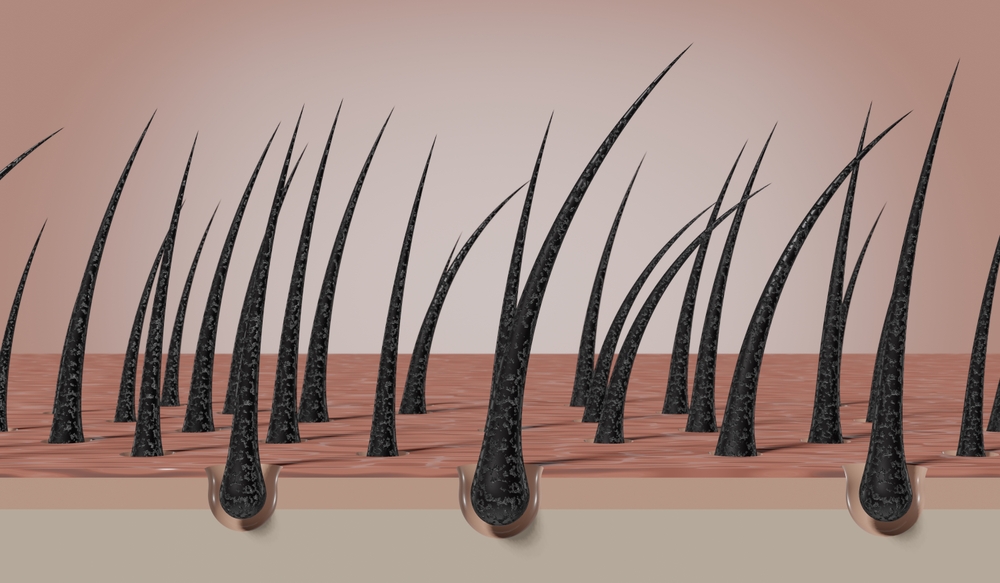
To understand why this discovery is so promising, it helps to look more closely at how hair follicles function. Each follicle operates like a tiny organ, cycling through phases of growth, rest, and shedding. These cycles are influenced by a range of factors, including hormones, genetics, and local blood supply.
When blood flow to the scalp is reduced, follicles may receive fewer nutrients and less oxygen. Over time, this can lead to weaker hair growth and eventually follicle miniaturization. This is a key feature of androgenic alopecia.
By promoting angiogenesis, the formation of new blood vessels, 2-deoxy-D-ribose may help reverse some of these effects. Increased circulation could restore the conditions needed for follicles to produce thicker and healthier hair.
This mechanism is particularly interesting because it focuses on supporting the follicle environment rather than directly altering hormonal pathways. It suggests that improving the health of the scalp itself may be just as important as targeting internal factors.
Comparing Traditional Treatments and Emerging Approaches
Hair loss treatments have historically followed two main approaches. The first involves stimulating hair growth directly, often through topical applications. The second focuses on modifying hormonal activity to prevent further follicle damage.
Minoxidil works by widening blood vessels and increasing blood flow to the scalp. Finasteride reduces the production of the hormone linked to follicle shrinkage. Each method has its advantages and limitations.
The emergence of a sugar-based treatment introduces a different approach. Instead of directly manipulating hormones or relying solely on vasodilation, it appears to encourage the body’s natural processes in a more balanced way. This could make it a valuable addition to existing options, either as a standalone treatment or in combination with others.
Addressing Myths and Misconceptions About Hair Loss
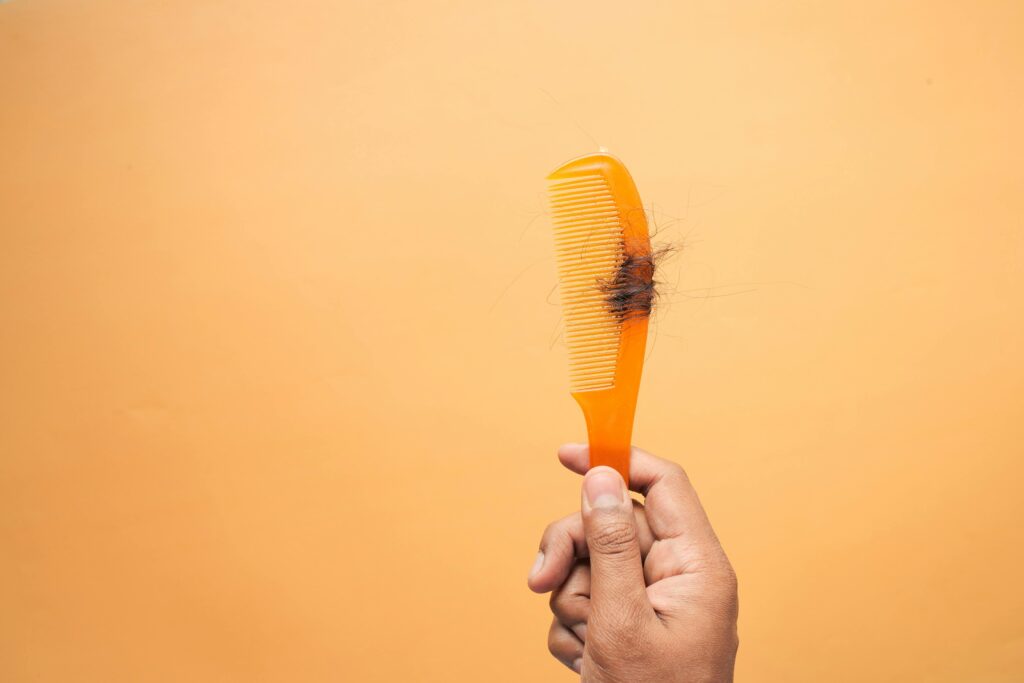
Hair loss is surrounded by myths that can make it difficult for individuals to understand what is actually happening. One common belief is that baldness is inherited only from the mother’s side. Research has shown that this is not accurate. Genetic factors from both parents play a role.
Another misconception is that hair loss is purely cosmetic. While it does affect appearance, it can also have deeper psychological effects. Many people report reduced confidence and increased anxiety as their hair changes over time.
There is also a tendency to believe that all treatments are equally effective. In reality, responses vary widely depending on the individual, the underlying cause, and how early treatment begins.
The Role of Early Intervention
Experts often emphasize the importance of starting treatment as early as possible. Once hair follicles have been inactive for an extended period, it becomes more difficult to stimulate regrowth.
This is why many dermatologists recommend seeking advice at the first signs of thinning or shedding. Early intervention can help preserve existing hair and improve the chances of successful regrowth.
If treatments based on this sugar become available, they may also benefit from early use, when follicles are still responsive.
A Turning Point in Hair Loss Research
The discovery that a simple sugar can stimulate hair regrowth in mice has captured attention for good reason. It challenges conventional thinking and introduces a new perspective on how hair loss might be treated.
As research continues, clinical trials and further studies will determine whether these promising results can be translated into safe and effective treatments for humans.
For now, the story stands as a reminder of how innovation often begins. With careful observation, unexpected results, and the willingness to explore new ideas. In a field that has seen limited breakthroughs for many years, even a small discovery can have a lasting impact.