

The Dolphin Who Asked For Help On The Open Ocean
A quiet day off the coast of Los Angeles turned into the kind of moment people remember because it asked something immediate from everyone involved. Nicole Isaacs was on a boat with a friend when a wounded dolphin surfaced nearby, moving slowly enough to make the scene feel urgent before anyone fully understood what was happening.
The dolphin was marked by deep red gashes, with remoras attached near the injuries. Isaacs was pregnant at the time, yet she found herself standing at the edge of the boat, facing a choice most people never expect to make.
A Wounded Dolphin Appeared Beside The Boat
Isaacs first reacted the way many people might when a wild animal appears close enough to look vulnerable. Leaning over the side of the boat, she asked, “Are you hurt?” When the dolphin rolled and showed the wounds, the fear in the moment became harder to ignore. Isaacs said, “Oh, no! I think [she’s] hurt! She got bit. I’m sorry, baby. I don’t know what to do. It’s dying.”
The video, shared by Isaacs on TikTok in late January, later drew millions of views and was covered by viral news outlets because it captured something unusually raw. There was no polished rescue scene, no trained wildlife team already in place, and no certainty about what would happen next. There was only a wounded animal, a small boat, and two women trying to understand what help could even look like.
What made the scene especially difficult was the presence of remoras, often called suckerfish. These fish commonly attach themselves to larger marine animals, but in this case they were latched close to visible wounds while the dolphin appeared distressed. Isaacs then asked the question that shifted the story from observation to action: “Should I get in with him?”
The Rescue Became A Test Of Trust
After Isaacs entered the water, the encounter became less like a dramatic rescue and more like a fragile exchange between fear and trust. The dolphin did not simply swim away. In Isaacs’s own overlay on the video, she wrote, “She began to fully cooperate and turn over for us to make it easy to grab the remoras.”
That moment is one reason the story resonated so widely. A wild dolphin in pain appeared to remain close enough for humans to help, while Isaacs and her friend tried to remove fish that were built to cling. It is important not to overstate what anyone can know from a video. We cannot prove exactly what the dolphin understood, but we can say the behavior described in the footage was unusual enough to stop millions of people in their tracks.
The rest of the pod reportedly stayed nearby while the women worked. That detail gives the story a quiet emotional force because it suggests the dolphin was not alone, even while the rescue itself unfolded between the animal and the people in the water.
Why Removing The Remoras Was So Difficult
Remoras are not ordinary hitchhikers. They have a specialized suction disc on the top of the head that allows them to attach to larger marine animals, boats, and other surfaces. Scientific Reports describes remora attachment as a biological system involving soft tissue, suction, and structures that help the fish hold on with impressive strength.
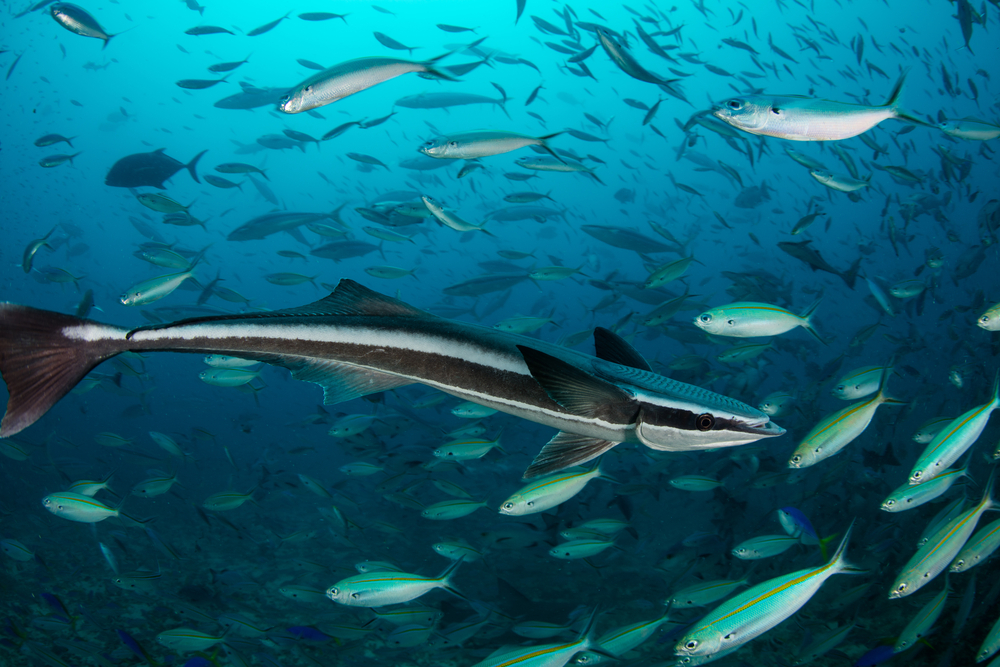
That anatomy helps explain why this rescue was not as simple as pulling something loose from the dolphin’s skin. The women were in open water, dealing with a distressed marine mammal and fish that were physically adapted to resist easy removal. At one point, a remora that had been pulled away slipped free and attached to Isaacs instead.
Isaacs said in the video, “It slipped out of the captain’s hand and latched onto me. I was pregnant and freaking out.” The remora eventually released her, then returned to the dolphin. The women had to make multiple attempts before both remoras were finally removed and brought onto the boat.
What Dolphin Intelligence Adds To The Story
The dolphin’s apparent cooperation is part of what made the video feel so powerful, but wonder should still be paired with humility. Dolphins are known for complex social behavior, long-term bonds, communication, and cooperation, yet no human can translate this exact dolphin’s experience with certainty.
A study found evidence that bottlenose dolphins can use vocal signals while solving a cooperative task. That does not mean this dolphin was consciously communicating in the way a person would, but it does support the broader understanding that dolphins are socially and cognitively complex animals.
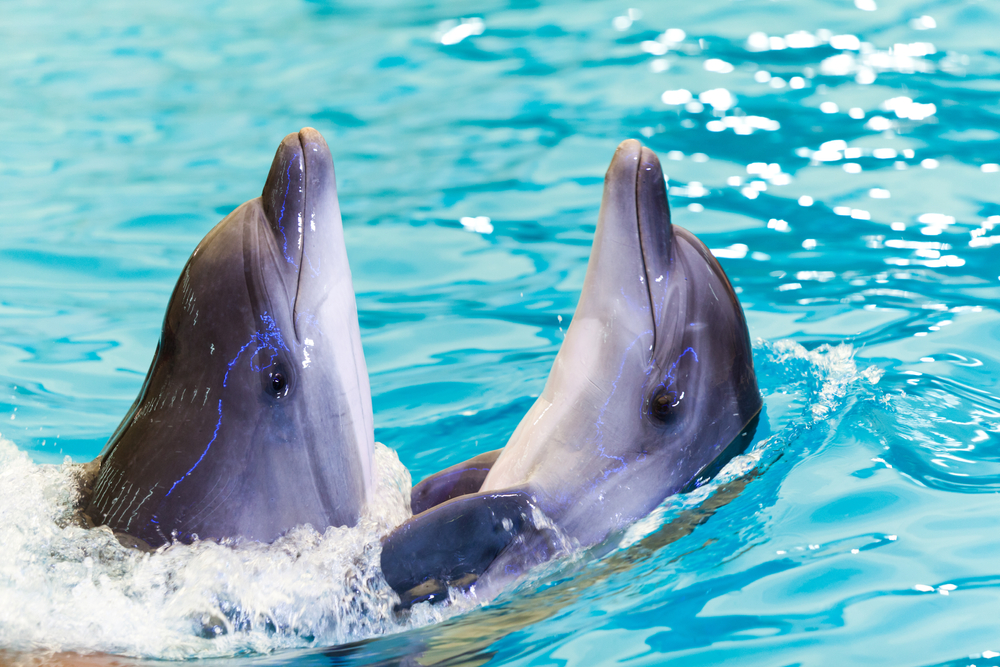
The most honest reading of the video is also the most moving one. A wounded wild animal stayed close while humans tried to help, and the humans responded with persistence even when the situation became frightening. That is powerful without needing to turn the dolphin into a symbol beyond what the evidence supports.
The Pod Returned After The Dolphin Was Freed
After the remoras were removed, the dolphin reportedly leapt from the water. Isaacs later wrote, “All of the dolphins reappeared out of nowhere and swam around us to celebrate.” Viewers understandably saw that moment as emotional because the timing seemed immediate and the pod’s presence gave the rescue a sense of release.
There is room for both awe and caution here. A person watching the footage may describe the pod’s return as celebration, while a scientist may use more measured language. What remains clear is that the scene changed after the remoras were removed. The dolphin was no longer carrying the same visible burden, and the pod came close again.
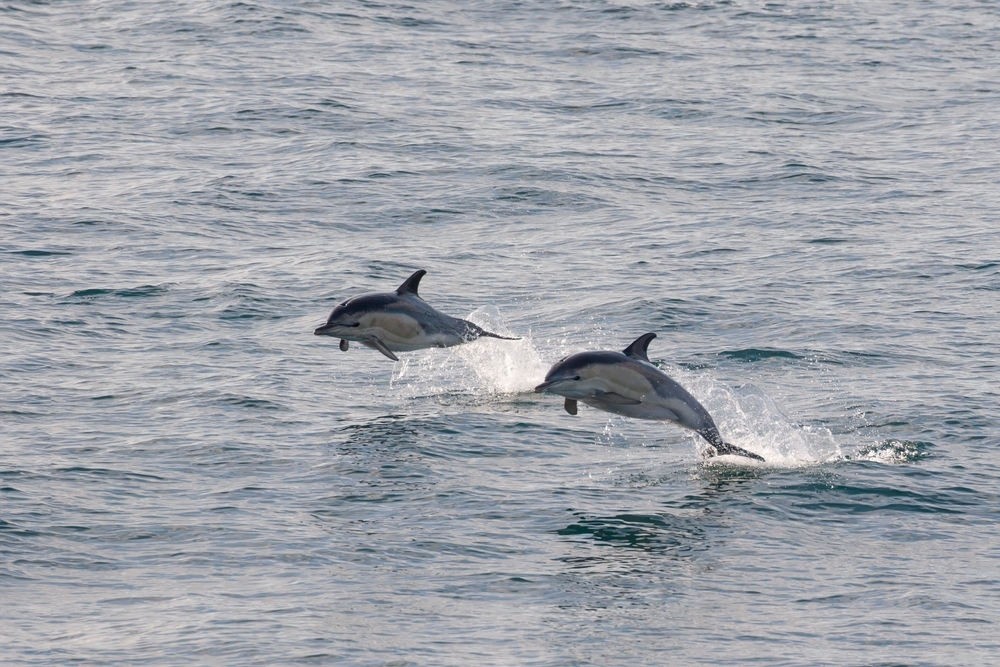
That is why the video spread beyond people who follow wildlife stories. It gave viewers a moment where suffering, risk, and relief all met in the same stretch of ocean. In a digital culture often filled with outrage, the clip offered something more difficult to manufacture: a direct encounter with compassion under pressure.
Why Wildlife Help Requires Restraint
Isaacs was careful to say she does not generally advocate touching wild animals, and that caution is essential. A dramatic rescue can move people deeply, but it should not become a casual example for how to behave around dolphins or other marine mammals. Most encounters with distressed wildlife should be handled by trained responders whenever possible.
NOAA Fisheries advises people to admire wild dolphins from a distance, avoid feeding or touching them, and report animals that appear injured or stranded. The agency’s marine life viewing guidance also recommends staying at least 50 yards away from dolphins in the wild, which helps protect both animals and people.
If you see a marine animal in distress, the safest response is usually to slow down, keep distance, and contact local wildlife authorities. A few practical steps can help without increasing risk:
- Keep Space Between You And The Animal: Do not crowd, chase, feed, touch, or enter the water with a marine mammal unless trained authorities instruct you to do so.
- Call The Proper Responders: Report the location, visible injuries, species if known, and behavior to local marine mammal rescue teams or wildlife officials.
- Document From A Distance: Photos or videos can help experts assess the situation, but they should be taken without blocking the animal’s movement.
- Avoid Creating More Stress: Turn off loud engines when safe, keep pets away, and make sure the animal has a clear path to leave.
- Follow Official Instructions: Trained rescuers can decide whether intervention is needed and what kind of help is safest.
Compassion becomes stronger when it is guided by wisdom. Wanting to help is beautiful, but helping well often begins with knowing when to step closer and when to call someone better equipped.
The Deeper Lesson Is About Courage With Care
The reason this story reached so many people is not only that a dolphin was rescued. It is that Isaacs faced a moment where the right thing felt risky, uncertain, and uncomfortable. She did not have a script. She had a frightened voice, a wounded animal, and a decision to make.

That is where many meaningful acts begin. They do not always arrive with confidence. Sometimes they begin with trembling hands and a question spoken out loud before the heart has fully caught up.
This story should not send people rushing toward wild animals in distress. It should send people toward a deeper form of responsibility. Care is not only a feeling we have when life is suffering in front of us. Care is the discipline of responding with courage, humility, and enough wisdom to protect the very life we hope to help.
Featured Image from Shutterstock