

Millions Grew Up Chasing Fireflies. Scientists Warn That Childhood Memory Is Fading Fast
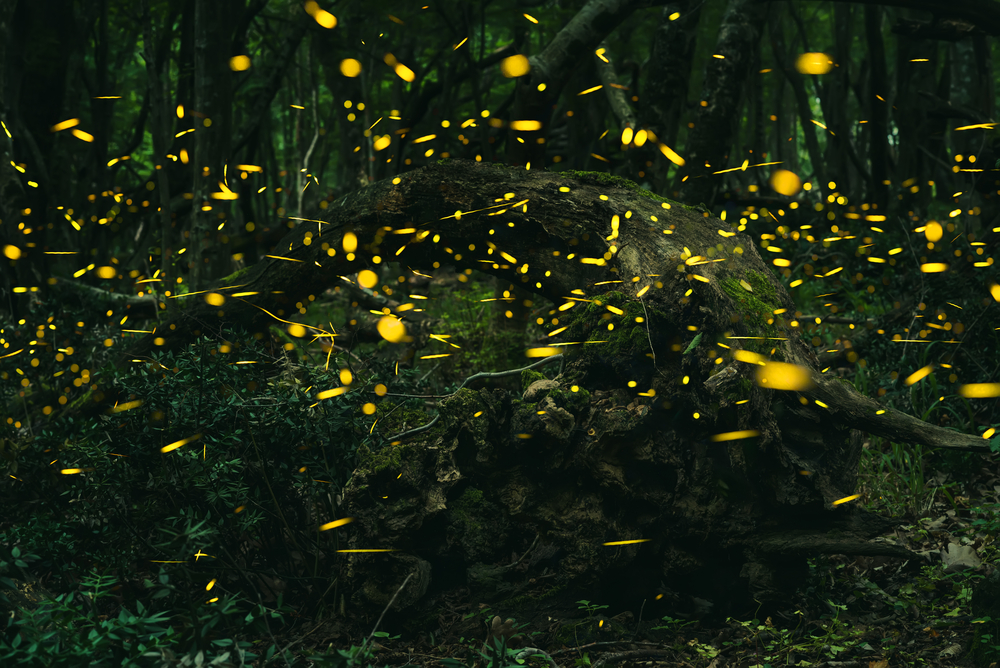
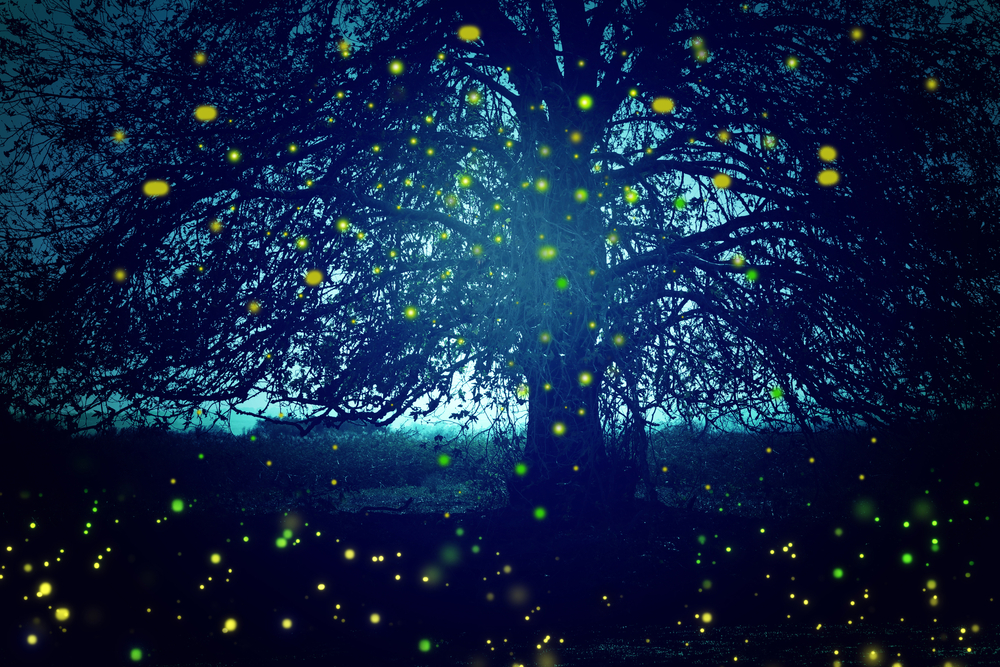
Millions of people grew up watching tiny flashes dance across backyards, fields, and quiet country roads after sunset. Fireflies have long been one of the most recognizable signs of summer, turning ordinary evenings into something that felt almost magical. That is why a viral claim spreading online has captured so much attention. According to the alarming posts, today’s children could be the last generation to ever see fireflies. For many people who remember chasing them with mason jars on warm nights, the idea feels both shocking and strangely believable.
The concern is not coming out of nowhere. Across North America, people have reported seeing fewer fireflies than they remember from decades ago. Scientists have documented declines in some species, and growing environmental pressures are making survival more difficult for many insects. Yet the claim that fireflies are about to vanish completely does not match what researchers are currently seeing. The real problem is less dramatic than social media suggests, but it reveals a much larger environmental challenge that extends far beyond a few glowing insects in the summer dark.

Fireflies Are Facing Real Trouble
Fireflies belong to the beetle family Lampyridae and are found throughout much of the world. More than 2,400 species have been identified globally, with hundreds living across North America. While most people only notice the glowing adults during summer evenings, fireflies spend the majority of their lives hidden underground or within leaf litter as larvae. In many cases, they remain in this stage for two years or more before emerging as adults for a brief period dedicated primarily to reproduction.
Researchers studying North American fireflies have found evidence that some species are experiencing significant declines. Conservation assessments have identified multiple species that are now considered vulnerable, endangered, or critically endangered. These findings have fueled growing concern among scientists who are trying to understand what is happening before more species disappear.
At the same time, many firefly species continue to survive across large portions of their historical ranges. The common eastern firefly, one of the species most familiar to people throughout the eastern United States, remains relatively widespread and is currently classified as a species of least concern. This distinction is important because it highlights the difference between declining populations and complete extinction.
The challenge is that researchers do not have enough information on many species to confidently determine whether their populations are stable, increasing, or falling. That uncertainty has become one of the biggest obstacles facing firefly conservation efforts today.
The Viral Extinction Claim Isn’t Supported By Science
The idea that humanity is witnessing the final generation of fireflies has spread rapidly online because it combines nostalgia with environmental anxiety. It taps into a broader fear that familiar parts of nature are quietly disappearing before people realize what is happening.
Scientists studying fireflies say there is currently no evidence that all fireflies are approaching extinction. While some species are clearly under pressure, the available research does not support claims that fireflies as a group will disappear in the near future. Many populations continue to exist across North America, and some regions have even reported temporary increases in abundance during favorable environmental conditions.
Researchers caution that dramatic headlines often oversimplify a much more complex situation. Firefly populations vary widely depending on geography, habitat quality, weather patterns, and species-specific characteristics. What may be true in one area is not necessarily true in another.
That does not mean people should ignore the warnings. The declines that scientists are documenting are real. The concern comes from understanding that biodiversity can erode gradually over time, often without attracting public attention until the losses become severe.
Climate Change May Be The Biggest Threat
Although fireflies face multiple challenges, many researchers believe changing climate conditions may pose the greatest long-term risk. Firefly larvae depend heavily on moisture-rich environments during their development. Soil conditions, rainfall patterns, humidity levels, and seasonal temperatures all play critical roles in determining whether young fireflies survive long enough to reach adulthood.
As weather patterns become increasingly unpredictable, many species are finding it harder to adapt. Extended droughts can dry out habitats that larvae depend upon, while severe flooding can also disrupt development. Sudden temperature swings may alter emergence patterns and interfere with breeding cycles that evolved over thousands of years.
Darin McNeil from the University of Kentucky summarized the issue clearly when he said, “Weather and climate appear to be the most important variables for predicting firefly abundance.”
The effects are not uniform across the continent. Some northern regions may temporarily benefit from warmer temperatures, while southern populations could face steeper declines. Scientists are still working to understand how these shifting environmental conditions will affect individual species over the coming decades.

The Modern World Is Making It Harder For Fireflies To Survive
Climate change is only one piece of the puzzle. Human development has transformed enormous areas of natural habitat that fireflies once relied upon. Wetlands have been drained, forests have been fragmented, and native grasslands have disappeared beneath roads, parking lots, and housing developments.
For fireflies, habitat loss can be devastating because different species require very specific environmental conditions. Some need moist woodland floors covered in leaf litter. Others depend on wetlands, marshes, or native grasslands. As these habitats shrink, populations become increasingly isolated from one another.
Light pollution has emerged as another major problem. Fireflies rely on bioluminescent signals to attract mates. Their flashing patterns function as a highly specialized communication system developed over millions of years. Artificial lighting disrupts this process by overwhelming the darkness they depend upon.
Porch lights, streetlights, illuminated buildings, security systems, and landscape lighting all contribute to a brighter nighttime environment. For humans, these lights may seem harmless. For fireflies attempting to find mates, they can create conditions that make reproduction significantly more difficult.
Fireflies Are Part Of A Much Bigger Insect Crisis
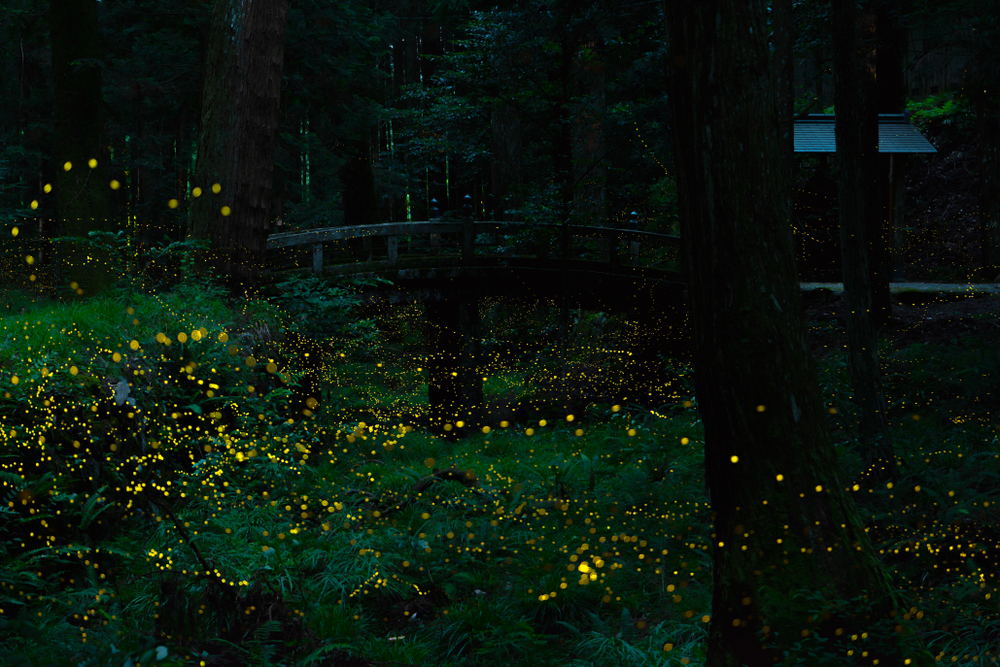
The decline of fireflies reflects a larger pattern unfolding across the natural world. Scientists have become increasingly concerned about widespread insect biodiversity loss occurring in many regions around the globe.
Current estimates suggest that roughly 10% of insect species face extinction risks, although some researchers believe the actual number could be much higher. Given that more than one million insect species have already been identified and millions more remain undiscovered, even small percentage declines represent enormous losses of biodiversity.
Insects perform countless ecological functions that support healthy ecosystems. They pollinate plants, break down organic matter, recycle nutrients, control pest populations, and provide food for birds, amphibians, reptiles, and mammals. When insect populations decline, the effects ripple throughout entire food webs.
Fireflies happen to attract attention because people notice when the flashes disappear from summer nights. Countless other insect species are experiencing similar pressures without receiving the same level of public awareness. Their declines often occur quietly, hidden from view until populations have already fallen dramatically.
For many conservation scientists, fireflies serve as a visible symbol of a much broader environmental challenge that extends far beyond a single insect group.
Scientists Still Don’t Know Enough About Many Species
One of the most surprising discoveries from recent firefly research is how much remains unknown. Despite widespread public affection for these insects, scientists lack basic population data for many species.
The species that receive the most attention tend to be the ones that flash visibly at night. They are easier to observe, easier to count, and more likely to attract research funding. As a result, scientists have developed a better understanding of their conservation status.
Other species remain far more mysterious. Many glow worms and day-active fireflies have not been studied extensively enough to determine whether their populations are stable or declining. Large numbers of species are classified as data deficient because researchers simply do not have enough information to make reliable assessments.
This lack of knowledge creates a serious conservation challenge. Protecting species becomes much harder when scientists do not know where populations exist, how large they are, or what threats they face. Some species may already be experiencing significant declines without anyone realizing it.
For researchers, filling these information gaps has become one of the most urgent priorities in firefly conservation.
Small Changes Could Help Protect Future Generations Of Fireflies
The encouraging news is that protecting fireflies does not require massive lifestyle changes. Many of the actions that support firefly populations also benefit birds, pollinators, and countless other forms of wildlife.
People can help by:
- Reducing unnecessary outdoor lighting during summer evenings
- Choosing warmer-colored bulbs instead of bright white LEDs
- Preserving native plants and natural vegetation
- Leaving leaf litter undisturbed in parts of their yard
- Limiting pesticide and insecticide use
- Supporting local habitat conservation efforts
These actions may seem small individually, but they can have a meaningful impact when adopted across communities.
Fireflies are still lighting up summer nights across much of North America. The greater danger is not that they will suddenly disappear tomorrow. It is that the slow loss of biodiversity continues largely unnoticed until familiar sights become rare enough that people begin wondering where they went.
Sources:
- Fallon, C. E., Walker, A. C., Lewis, S., Cicero, J., Faust, L., Heckscher, C. M., Pérez-Hernández, C. X., Pfeiffer, B., & Jepsen, S. (2021). Evaluating firefly extinction risk: Initial red list assessments for North America. PLoS ONE, 16(11), e0259379. https://doi.org/10.1371/journal.pone.0259379
- Wagner, D. L., Grames, E. M., Forister, M. L., Berenbaum, M. R., & Stopak, D. (2021). Insect decline in the Anthropocene: Death by a thousand cuts. Proceedings of the National Academy of Sciences, 118(2). https://doi.org/10.1073/pnas.2023989118