


A Cheap Fiber Supplement May Sharpen Your Memory in Weeks, Scientists Say
Something strange happens when you swallow a type of fiber your body cannot digest. It passes through your stomach, slips past your small intestine, and arrives in your gut completely intact. Your enzymes ignore it. Your digestive acids leave it alone. And yet, within weeks, it might sharpen your memory.
Most people associate fiber with digestion and nothing more. Few would connect it to their ability to remember a name, recall where they parked, or hold onto new information as they age. But a growing body of research now points to a relationship between the gut and the brain that could change how we think about cognitive decline, aging, and one of the most feared diagnoses of our time.
Before we get to the supplement itself, we need to understand why scientists started looking at the stomach in the first place.
Your Gut Has Been Talking to Your Brain All Along
Trillions of microorganisms live inside your digestive system. Bacteria, fungi, and other microbes form a busy ecosystem called the gut microbiome. For decades, scientists believed these organisms existed simply to help break down food. But newer research tells a different story.
Bacteria in the gut produce chemical messengers that travel through pathways connected to the nervous system. Immune signals triggered during digestion can influence inflammation in the brain. Hormones released in the stomach may shape how you feel, how well you concentrate, and how clearly you think. The health of gut bacteria can have a ripple effect throughout the body.
When the balance of microbes shifts, it can affect learning, attention, and the way your brain forms new memories. And here is where the story gets interesting for anyone worried about aging. As people grow older, the diversity of gut bacteria tends to drop. Certain beneficial species become less abundant. At the same time, the body becomes weaker at regulating inflammation. All of these shifts can chip away at cognitive performance over time.
So researchers began asking a question that, even a decade ago, might have sounded absurd. If gut bacteria send signals to the brain, could feeding those bacteria the right fuel actually protect memory?
A Team in London Decided to Find Out
Dr. Mary Ni Lochlainn, a specialist in aging and brain health at King’s College London, led a study designed to test that exact idea. Her team recruited participants over the age of sixty, including pairs of twins, and gave half of them a daily supplement made from two types of dietary fiber called inulin and fructooligosaccharides, or FOS.
Both of these fibers are classified as prebiotics. Human enzymes cannot break them down, so they travel through the digestive system without being absorbed. Instead, they arrive in the gut and become food for beneficial bacteria.
You can find FOS naturally in artichokes, chicory, onions, leeks, garlic, and asparagus, though most people consume it in supplement form when they want a concentrated dose.
Over three months, the research team tracked what happened inside the participants’ bodies, inside their guts, and inside their minds.
What Happened Under the Surface

Inside the guts of those who took the prebiotic, one group of bacteria increased noticeably. Bifidobacterium, a genus long associated with positive health effects, responded strongly to the fiber. Bifidobacteria help break down complex carbohydrates and produce compounds that nourish gut cells.
A separate meta-analysis published by Dou and colleagues in 2022 backed up these findings on a larger scale. After reviewing eight randomized controlled trials involving 213 people who took FOS supplements and 175 controls, the researchers said that “FOS supplementation could increase the number of colonic Bifidobacterium spp. while higher dose (7.5–15 g/d) and longer duration (>4 weeks) showed more distinct effects and was well tolerated.”
Participants in the King’s College study reported only mild digestive discomfort in some cases, which is common whenever someone increases their fiber intake. Most volunteers continued taking the supplement throughout the full three months. And the meta-analysis confirmed that FOS did not cause any significant increase in bloating, flatulence, abdominal pain, or stomach rumbling across the studies it reviewed. But changes in gut bacteria were only half the story. What happened to their memory mattered far more.
Memory Scores Shifted in a Way That Caught Attention
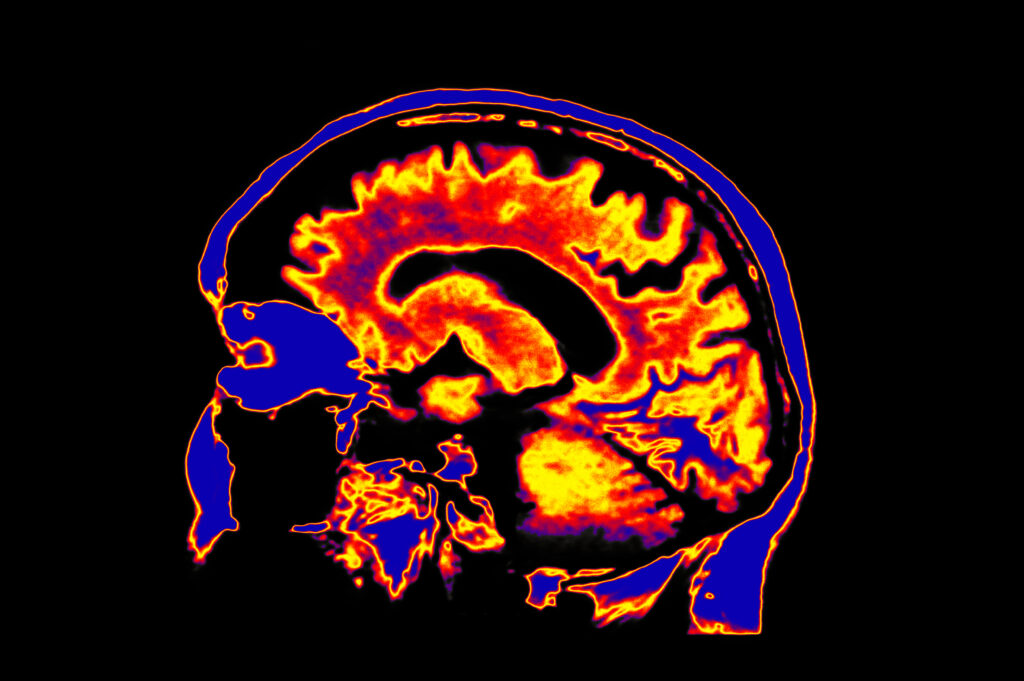
Participants who received the prebiotic performed better on tests measuring memory and learning. In particular, they made fewer mistakes during something called a Paired Associates Learning test, often referred to as PAL.
PAL works by showing participants a set of shapes placed in different areas of a screen. Later, they must recall where each shape originally appeared. Scientists commonly use PAL to detect early warning signs of memory problems associated with Alzheimer’s disease, because it measures something specific and deeply important. It measures how well someone can form new associations.
Associative memory powers everyday life. It allows you to remember where you left your keys, connect a new face with a name, or recall directions to a restaurant you visited last week. In neurological conditions like Alzheimer’s, associative memory is often among the first abilities to fade. Any improvement in PAL performance, even a modest one, signals that certain brain processes involved in learning and memory formation may be responding to whatever changed.
Recent research suggests the answer might be yes. A simple and inexpensive supplement known as a prebiotic fiber may improve memory performance in older adults within just a few months, the study reported.
How Gut Bacteria Might Actually Sharpen Your Thinking
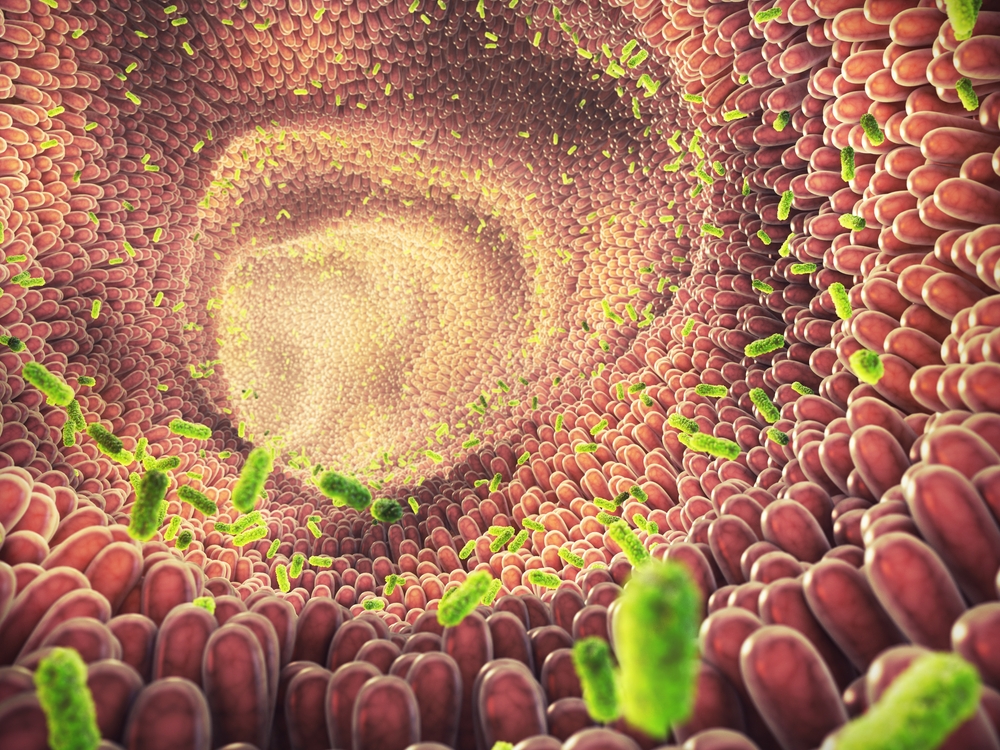
When bacteria ferment fibers like inulin, they produce molecules known as short-chain fatty acids. SCFAs do several things at once. They reduce inflammation. They nourish intestinal cells. They influence immune function.
Some of these molecules also reach the brain. SCFAs can interact with nerve pathways that connect the gut to the central nervous system, and they may influence the production of neurotransmitters, the chemical messengers brain cells rely on to communicate with one another.
Beyond that, SCFAs appear to support synaptic plasticity, which is the brain’s ability to strengthen connections between neurons during learning. Picture it like a path through a forest. Every time you walk that path, it becomes a little clearer, a little easier to follow. Synaptic plasticity works the same way. And as people age, changes in the gut microbiome may weaken that process. Feeding helpful bacteria the right fuel could, in theory, restore some of those lost connections.
Prebiotics Are Not the Only Supplement Worth Watching
While prebiotic fibers have captured attention for their gut-brain connection, other supplements have shown their own promise for cognitive health. A 2023 narrative review by Fekete and colleagues analyzed 42 randomized controlled trials involving nearly 12,000 patients and found several categories of supplements that supported brain function in different ways.
B vitamins, especially B6, B9, and B12, play a direct role in homocysteine metabolism. Elevated homocysteine levels are linked to neurodegeneration. In one trial, a 24-month course of folic acid at 400 micrograms per day improved cognitive function and reduced blood levels of amyloid-beta protein in people with mild cognitive impairment.
Vitamin D supplementation at 800 IU per day produced significant improvements in cognitive test scores across multiple studies, a finding worth noting given that roughly 40 percent of the European population runs low on vitamin D, especially during winter months.
Omega-3 fatty acids, particularly EPA and DHA, support neuronal signaling and reduce brain inflammation. Some trials showed memory and mood improvements with just one gram of fish oil per day, although results remain mixed across different study populations.
Among antioxidants, resveratrol at 75 milligrams per day improved overall cognitive performance in postmenopausal women by 33 percent. Vitamin C at 1,000 milligrams per day boosted attention and work absorption. Carotenoids like lutein and zeaxanthin improved composite memory, sustained attention, and processing speed.
Minerals like magnesium, selenium, and zinc each support brain function in their own way, from neurotransmission to antioxidant defense.
What Researchers Still Cannot Answer

None of these findings comes without caveats, and honest science demands we name them. Only 72 participants took part in the King’s College prebiotic study, and most of them were women. All were healthy older adults, not people already diagnosed with dementia. Researchers measured performance on cognitive tests rather than real-world changes, so it remains unclear whether improvements would translate into fewer memory lapses during daily life.
Every person’s gut microbiome differs based on diet, medications, lifestyle, and genetics. People may respond to the same supplement in completely different ways. And while the prebiotic appeared to help memory, it did nothing for physical strength. Measures like chair-rise time and muscle performance did not improve after twelve weeks, likely because muscle adaptations require longer training periods.
For supplements more broadly, dosage, bioavailability, and individual health conditions create wide variation in outcomes. What works for one person at one dose may produce no effect in another.
Where Research Heads Next

Scientists plan to compare different fiber types to determine which ones produce the strongest cognitive effects. Future studies will test higher doses and longer treatment periods to see whether benefits keep growing or plateau.
One of the most pressing questions is whether improvements in lab tests carry over into daily life. Do people taking prebiotics actually lose their keys less often? Do they recall conversations more clearly? Researchers want to find out.
Tracking the specific chemical compounds gut bacteria produce, and mapping how those compounds affect brain networks, is another priority. And remote research methods like video visits and at-home testing kits could make much larger studies possible.
For nutritional supplements in general, future randomized controlled trials will need to account for baseline health conditions, individual dietary habits, and biological markers of aging to personalize recommendations.
What You Can Do With What We Know Right Now
Prebiotic fibers like inulin and FOS are inexpensive, widely available, and well-tolerated. Adding them to your routine requires no prescription and carries minimal risk.
But no single supplement can cure or prevent dementia on its own. A diet rich in fruits, vegetables, whole grains, lean proteins, and healthy fats remains the strongest foundation for brain health. Supplements should complement that foundation, not replace it.
Physical activity, mental engagement, quality sleep, and regular check-ins with a healthcare provider all matter just as much. If you take medications or manage a health condition, talk to your doctor before starting any new supplement.
Early findings are encouraging. Gut health and brain health appear far more connected than anyone imagined a generation ago. And while science still has much to learn, one thing is already clear. Paying attention to what you feed your gut bacteria might be one of the simplest, most affordable things you can do for your mind as you age.
Source: Dou, Y., Yu, X., Luo, Y., Chen, B., Ma, D., & Zhu, J. (2022). Effect of fructooligosaccharides supplementation on the Gut Microbiota in Human: A Systematic Review and Meta-Analysis. Nutrients, 14(16), 3298. https://doi.org/10.3390/nu14163298