

A Diver Spent an Entire Tank of Air Convincing an Octopus to Upgrade Its Home
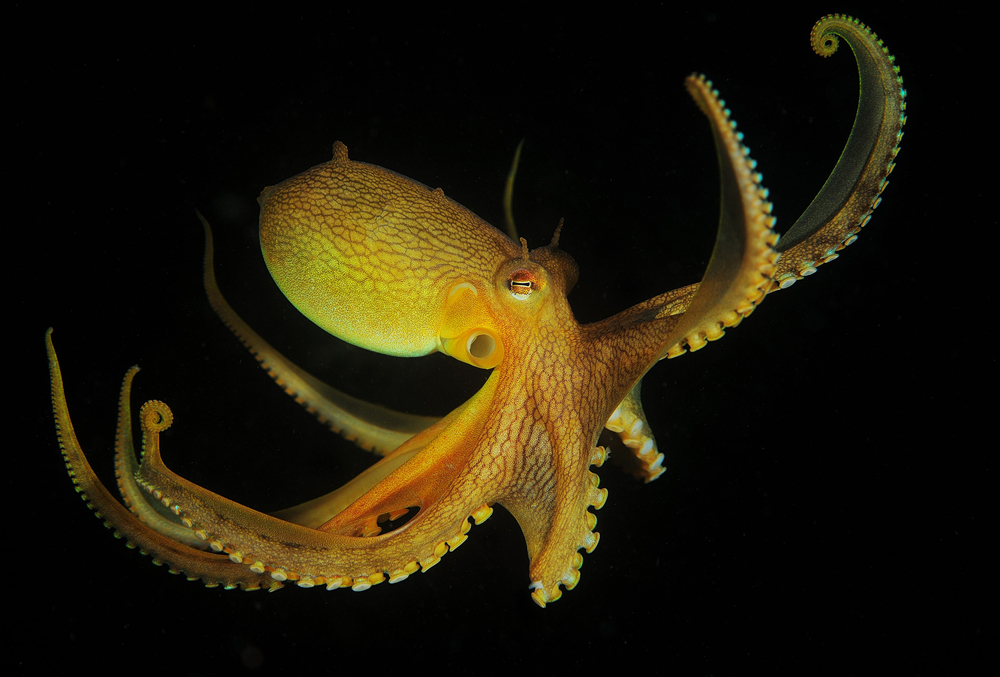
Somewhere beneath the turquoise waters of Lembeh, Indonesia, a creature no bigger than a human fist had made a choice that would seal its fate. Pall Sigurdsson, a diver and YouTuber known for his underwater footage, descended 20 meters below sea level in December 2018 expecting another routine dive with friends. What he found instead was a small coconut octopus clutching a possession it refused to release, and Sigurdsson knew he could not swim away without doing something about it.
Coconut octopuses enter the world carrying an instinct that tells them to find protection, to build a mobile fortress from whatever hard shell they can locate on the ocean floor. Most of these clever cephalopods grab coconut husks or clam shells and carry them everywhere, folding their soft bodies inside whenever danger approaches. But one particular octopus had wandered through waters littered with human waste and selected something that glinted in the dim light, something that felt like shelter but offered none of the protection a shell would provide.
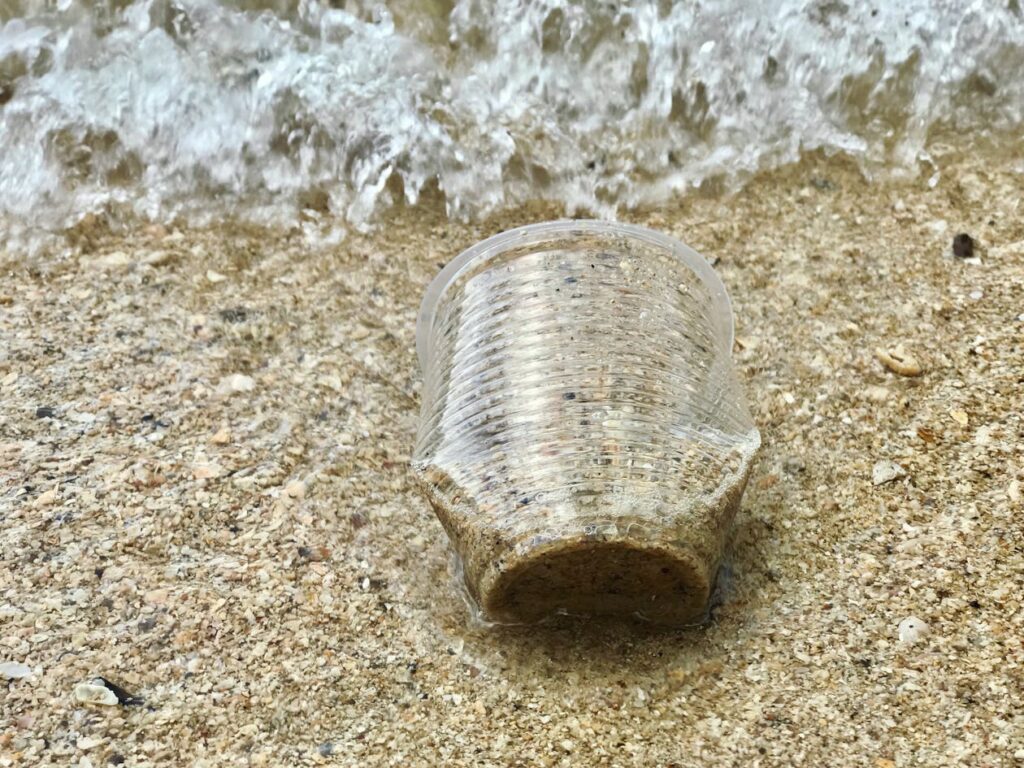
A disposable plastic cup had become home.
Sigurdsson watched the octopus peek out from its transparent dwelling, and he understood what would happen if he left it there. He made a decision that would cost him an entire dive, most of his oxygen supply, and more patience than he expected to spend on one stubborn mollusk.
Why a Plastic Cup Spells Doom for an Octopus and Its Predators
Picture an eel gliding through the water, hungry and hunting, when it spots what appears to be an easy meal. An octopus hiding inside a sturdy clam shell can clamp down and wait for the predator to lose interest, but an octopus inside a plastic cup has no such defense. Sigurdsson calculated the grim arithmetic of what would happen next, and his conclusion extended far beyond one small creature.
While a shell is a sturdy protection, a passing eel or flounder would probably swallow the cup with the octopus in it, most likely also killing the predator or weakening it to a point where it will be soon eaten by an even bigger fish.
One piece of plastic could trigger a chain of deaths moving up through the food chain, harming creatures that never touched the cup themselves. Even if the octopus abandoned its plastic shelter and survived, that cup would remain on the ocean floor for decades, breaking into smaller fragments that other marine animals would mistake for food. Sigurdsson refused to let that story unfold without attempting to rewrite the ending.
Shell Shopping at 20 Meters Below Sea Level
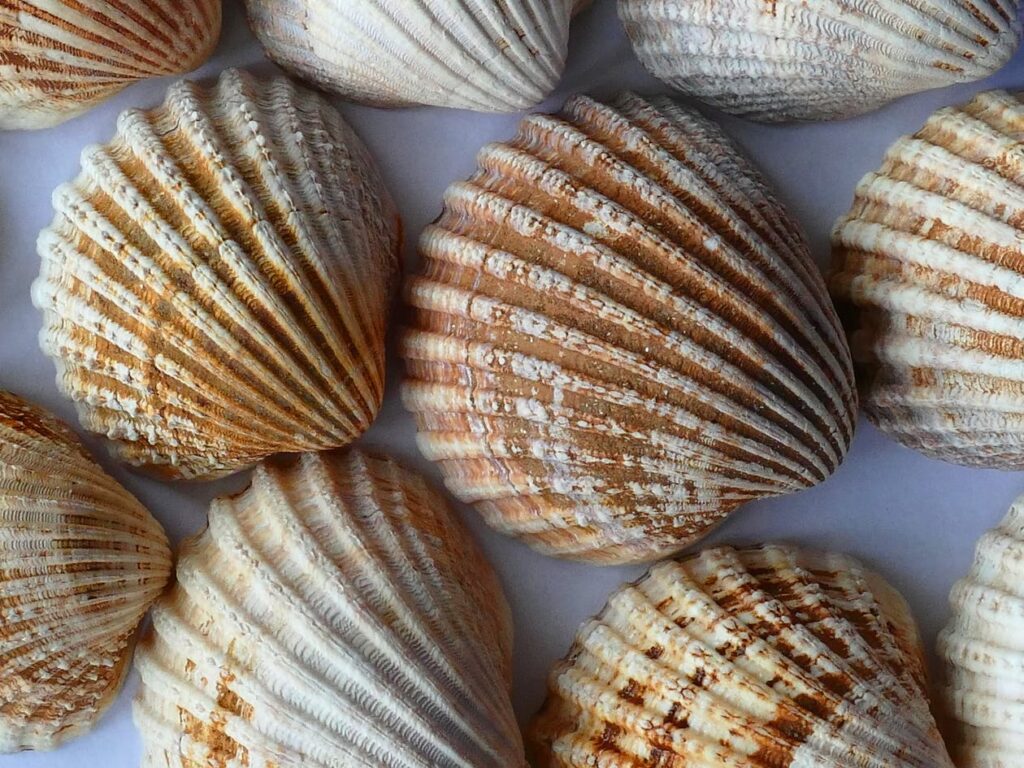
Convincing an octopus to move house sounds simple enough until you learn how these animals think. Coconut octopuses treat shell selection the way some humans treat buying a home, rejecting option after option until they find something that meets standards no one else can see. Sigurdsson and his dive team began scouring the ocean floor for alternatives, gathering shells of different sizes and presenting them to the octopus like real estate agents hoping to close a difficult sale.
C”Coconut octopus are famous for being very picky about which shells they keep,” Sigurdsson said online. “So we had to try with many different shells before it found one to be acceptable.”
Each time Sigurdsson offered a shell, the octopus extended its tentacles to test the weight, the texture, the way it balanced in the water. Each time, the octopus pulled back into its plastic cup and refused the offer. Minutes passed as the divers checked their oxygen gauges and continued searching, knowing they could not stay much longer but unwilling to abandon their mission. Watching the footage feels like watching a negotiation between two species who share no common language yet somehow communicate through gesture and patience.
One Hollowed Clam Shell Seals the Deal
Hope arrived in the form of a hollowed clam shell that caught the octopus’s attention in a way the previous offerings had not. Tentacles reached out and wrapped around the shell, testing and considering while Sigurdsson held his breath and his camera steady. Seconds stretched into what felt like minutes as the octopus made its decision, and then something shifted.
Slowly, with movements that seemed almost reluctant, the octopus released its grip on the plastic cup and transferred its soft body into the clam shell. Sigurdsson helped position additional shell fragments around the octopus, giving it complete coverage from any predator that might pass by. What had seemed impossible moments earlier now felt like a small victory won through stubbornness and compassion in equal measure.
“We spent a whole dive and most of our air saving this octopus from what was bound to be a cruel fate.” Sigurdsson noted.
Footage of the exchange has drawn comparisons to animated short films, and anyone who watches will understand why. Suspense builds as the octopus evaluates each shell, and relief washes over viewers when the creature accepts its new home with something that looks almost like satisfaction.
20 Million Views and a Reminder About Ocean Plastic
Sigurdsson uploaded his video to YouTube, where it has accumulated more than 20 million views from people around the world who found themselves invested in the fate of one small octopus. Comments poured in from viewers who laughed at the creature’s pickiness, cheered when it accepted the shell, and asked themselves hard questions about plastic pollution in our oceans.
Numbers can feel abstract until you see them translated into a single struggling animal, so consider what researchers have discovered about the scale of the problem. Billions of pounds of plastic now cover roughly 40 percent of the world’s ocean surfaces according to the Center for Biological Diversity, and more than 700 species find themselves entangled in debris that humans discarded without a second thought. Hawaiian monk seals wrap themselves in fishing nets. Pacific loggerhead sea turtles swallow plastic bags that look like jellyfish. Industrial fishing operations contribute about 20 percent of ocean plastic pollution through abandoned nets and equipment according to UNESCO.
Somewhere in the north Pacific Ocean, a mass of plastic debris called the Great Pacific Garbage Patch has grown to the size of a small country, spinning in currents that carry waste from coastlines thousands of miles away.
What One Small Rescue Says About Human Connection to Marine Life
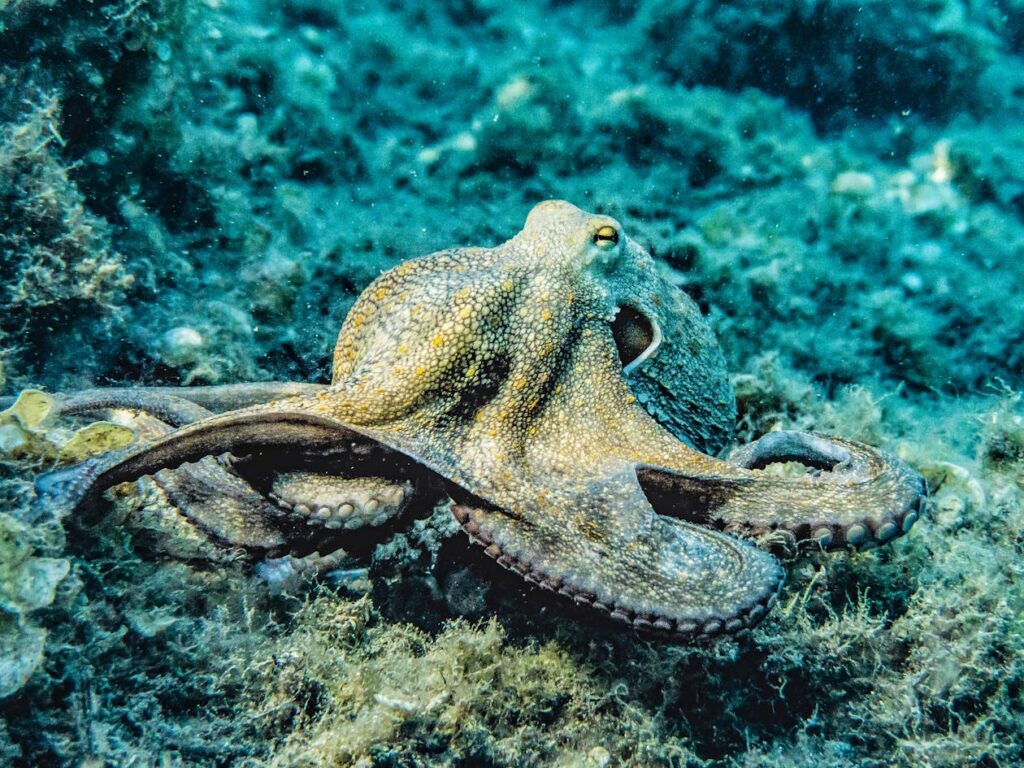
Scientists who study octopuses have learned that these creatures possess intelligence that surprises anyone who assumes the ocean produces only simple minds. Octopuses solve puzzles designed to challenge them, escape mazes and traps with clever maneuvering, and disassemble objects with curiosity that seems almost playful. Sigurdsson has shared other videos showing octopuses reaching out to touch divers, making contact with something that looks like genuine interest in creatures so different from themselves.
What was that tiny octopus thinking when Sigurdsson offered shell after shell? Did it recognize help when help arrived, or did it simply evaluate options until one met its mysterious criteria? We cannot know the answer, but we can recognize something meaningful in the exchange between a human diver running low on air and a cephalopod clutching a plastic cup.
Saving one octopus will not reverse the damage humans have done to marine ecosystems, and no one should pretend otherwise. But every large problem breaks down into small moments when individuals choose to act or choose to swim away, and those moments accumulate into something larger than themselves. Sigurdsson spent an entire dive convincing one stubborn creature to accept a gift it did not ask for, and 20 million people watched that footage because it stirred something in them.
Perhaps that stirring matters more than we realize, because caring about one tiny octopus might be the first step toward caring about the millions of creatures we will never see. You can find more underwater footage from Pall Sigurdsson on his YouTube channel, and you can carry the memory of one successful shell negotiation into every choice you make about the plastic you use and discard.
An octopus chose a new home because someone refused to leave it trapped in a bad decision, and there might be a lesson in that for all of us.