

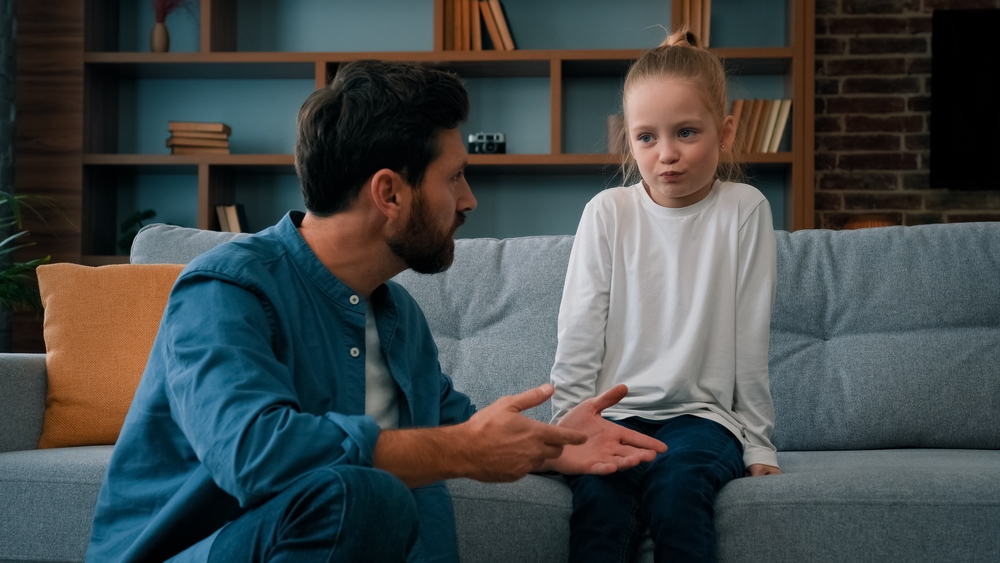
Why The Family Scapegoat Often Becomes The Strongest Child
There is nothing remotely fair about being the person a family blames for everything that feels broken, tense, or unresolved. For many people, the role begins so early that they do not even have language for it. They simply grow up with the feeling that they are somehow the problem. They are the one who is “too sensitive,” “too difficult,” “too emotional,” or “too much,” even when they are only reacting to treatment that would hurt anyone.
In recent years, more adults have started putting a name to that experience: the family scapegoat. It is a pattern often found in dysfunctional or emotionally immature households where one person, frequently a child, absorbs blame that never truly belonged to them. The damage can last for decades. But mental health experts and survivors alike are also pointing to a difficult truth that feels almost contradictory at first: sometimes the scapegoated child grows up with the clearest view of the family’s dysfunction.
That does not make the experience a gift. It does not erase the harm. But it may help explain why, in some families, the child who was treated as the outcast is also the one most likely to break the cycle.
What It Really Means to Be the Family Scapegoat
Scapegoating is more than being the sibling who gets blamed a little more often. It is a deeply entrenched family role in which one person becomes the emotional dumping ground for everyone else’s discomfort, shame, anger, and unresolved pain. Instead of addressing the real issues inside the home, the family unconsciously or deliberately projects them onto one person.
That person is often painted as the source of conflict. If there is tension, it is somehow their fault. If there is an argument, their reaction becomes the bigger issue than what caused it. If something goes wrong, even in ways that make little sense, they are often treated as the natural suspect.

Psychology writers and trauma-informed therapists often describe this role as one that allows the rest of the family to preserve a comforting myth. If only this one child were easier, calmer, more grateful, less outspoken, less needy, or less “dramatic,” then everything would be fine. That story is powerful because it helps the family avoid a far more painful reality: the system itself is unhealthy.
This dynamic is especially common in homes where there is narcissism, emotional immaturity, addiction, untreated trauma, or a strong culture of denial. In those environments, accountability feels threatening. Someone has to carry the blame, and the scapegoat becomes the easiest place to put it.
Why One Child Often Gets Chosen
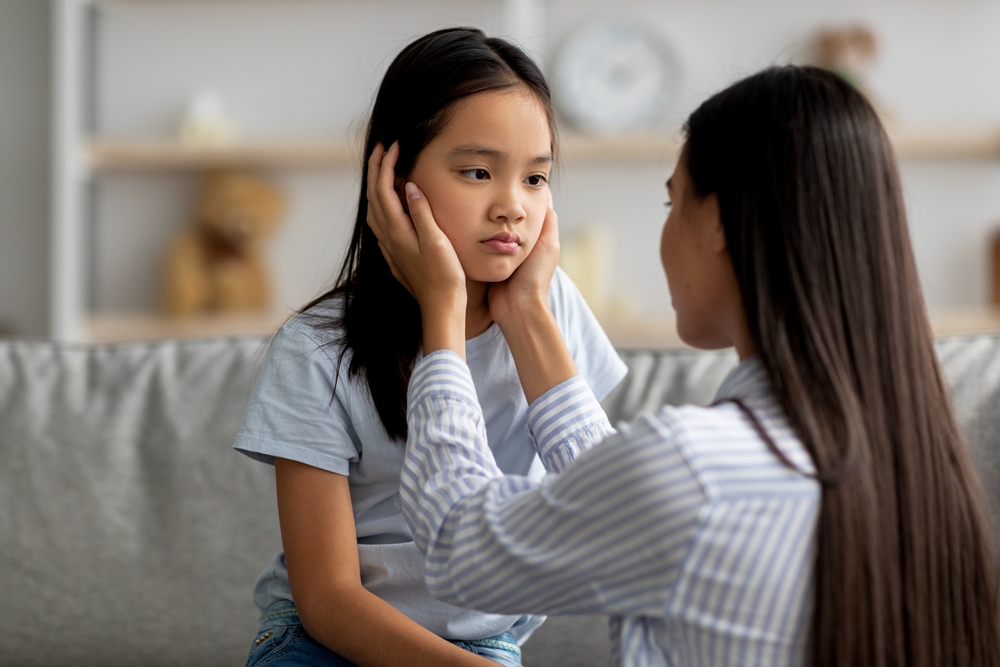
People who grow up in these families often spend years asking the same question: Why me?
There is rarely a simple answer, but patterns do emerge. The scapegoated child is often the one who is emotionally perceptive, independent-minded, or less willing to go along with the family script. Sometimes they are the child who notices what others are pretending not to see. Sometimes they are simply more sensitive and therefore more reactive to mistreatment, which then gets used against them.
In some cases, the child is different in a way the family does not know how to accept. They may be neurodivergent, queer, intellectually curious, strong-willed, or emotionally expressive in a home that rewards silence and compliance. In other cases, there is no obvious difference at all. They are simply the child who became the most convenient target.
Writers on family systems have long observed that dysfunctional households often assign rigid roles to maintain stability. One child may become the “golden child,” praised and protected as proof that the family is doing fine. Another may become the peacekeeper, the invisible one, or the caretaker. The scapegoat is the child who ends up carrying the family’s disowned pain.
That role can be reinforced in subtle and obvious ways. A parent may compare siblings constantly. One child’s mistakes are treated as proof of bad character, while another’s are brushed off. The scapegoated child may be mocked more harshly, punished more often, or spoken about in language that slowly teaches them they are fundamentally defective.
The Hidden Wounds That Follow Into Adulthood

The damage of being scapegoated does not stop when childhood ends. In many ways, adulthood is when the deeper consequences become impossible to ignore.
People who were assigned this role often carry a painful combination of hyper-awareness and self-doubt. They become highly attuned to other people’s moods because they had to be. They may read a room quickly, anticipate conflict before it happens, and over-explain themselves to avoid being misunderstood. On the outside, these can look like strengths. Underneath, they are often survival skills.
Many scapegoated adults struggle with chronic guilt, anxiety, perfectionism, or a constant feeling that they are one mistake away from rejection. They may apologize too quickly, tolerate poor treatment for too long, or feel uneasy in relationships that are actually safe. Some become relentless high achievers, driven by a need to prove the family wrong. Others internalize the criticism so deeply that they shrink their goals and avoid risks altogether.
There is also a quieter grief involved. The scapegoated child is not only wounded by criticism or blame. They are wounded by exclusion. At the heart of the role is a profound lack of belonging. Home, the place that should have taught them safety and acceptance, instead taught them to brace for impact.
That is why so many adults raised this way later describe feeling like outsiders even in rooms where they are welcomed. They may have successful careers, close friendships, or loving partners, and still feel a reflexive fear that they are too much, too flawed, or too difficult to truly stay loved.
The Uncomfortable “Upside” Experts and Survivors Keep Noticing

This is where the conversation becomes more nuanced.
Several writers and therapists who focus on family dysfunction have noted a pattern: among siblings raised in toxic homes, the scapegoated child is often the one most likely to eventually recognize that something was deeply wrong.
That clarity can become a strange kind of advantage.
Because the scapegoat was not fully embraced by the family myth, they are sometimes less invested in protecting it. They have fewer emotional rewards tied to pretending everything was normal. While siblings who were favored or less targeted may continue defending the family narrative into adulthood, the scapegoated child often has more reason to question it.
That awareness matters.
The children who adapt by pleasing, performing, or blending in can grow up carrying distorted ideas about love, loyalty, and self-worth without ever fully examining them. They may continue repeating familiar patterns because those patterns were rewarded. The scapegoat, by contrast, is often forced into painful insight much earlier. They know what it feels like to be treated unfairly. They know how denial operates. They know what manipulation sounds like when it is disguised as concern.
In other words, they often become the first person in the family to say, “This is not normal.”
That moment is not easy. In fact, it often comes after years of confusion, therapy, burnout, or relationship struggles. But once it happens, it can be life-changing.
Why the Scapegoat Can Become the Cycle-Breaker

One of the most powerful observations to come out of survivor accounts is that scapegoated children often develop a deep capacity for self-reflection. They have had to examine people, patterns, and motives from an early age. Once healing begins, that same instinct can become a strength instead of a wound.
Many adults who grew up as the family scapegoat become unusually skilled at spotting manipulation, reading emotional undercurrents, and recognizing toxic dynamics in workplaces, friendships, and romantic relationships. They may also develop high empathy, especially once they have done enough healing to stop abandoning themselves in the process.
This does not happen automatically. Unhealed pain can just as easily lead to people-pleasing, emotional exhaustion, or repeated entanglement with controlling people. But when that pain is named and worked through, the traits that once existed as survival mechanisms can evolve into real wisdom.
That is one reason so many scapegoated adults end up in helping professions, creative work, advocacy, or leadership roles built on emotional intelligence and resilience. They often know what it means to be unseen, unheard, or unfairly judged. And once they stop believing the family’s version of them, they can become fiercely grounded in truth.
There is also another reality many survivors describe: the family scapegoat often becomes the first person willing to leave.
Not always physically at first, but emotionally. They may be the first to stop chasing approval. The first to refuse the old role. The first to set boundaries. The first to seek therapy. The first to say no to family gatherings that always end in humiliation or conflict. In some cases, they are the first to go low-contact or no-contact entirely.
That is not pettiness. For many, it is survival.
Why Healing Often Makes the Family Even Angrier

One of the cruelest parts of this dynamic is that families do not always respond well when the scapegoat starts getting healthier.
In fact, healing can make the role more obvious.
When someone stops accepting blame, stops over-explaining, or stops participating in dysfunctional patterns, the family system often pushes back. Trauma experts sometimes compare this to a machine malfunctioning when one of its most relied-upon parts no longer behaves as expected.
That pushback can look like guilt-tripping, mockery, denial, or smear campaigns. The adult scapegoat may suddenly be described as selfish, unstable, ungrateful, or “brainwashed” by therapy. Family members who once ignored the harm may close ranks to protect the shared narrative. The person who names the dysfunction often becomes even more threatening than the child who silently absorbed it.
This is one reason healing can feel so lonely at first. The truth is liberating, but it can also cost people the illusion that their family will one day wake up, apologize, and finally understand.
For many survivors, part of recovery is grieving that fantasy.
That grief is real. It deserves to be acknowledged, not rushed past. Because the goal is not simply to become “strong enough” to tolerate mistreatment. The goal is to build a life where mistreatment no longer feels like home.
What Healing Actually Looks Like in Real Life

For adults who are beginning to recognize themselves in this pattern, healing rarely arrives in one dramatic breakthrough. It is usually much quieter than that.
It looks like learning to trust your memory after years of being told you were overreacting. It looks like noticing when guilt is old conditioning rather than actual wrongdoing. It looks like choosing not to answer every baiting text, not to explain every boundary, not to defend yourself to people committed to misunderstanding you.
It also looks like building a life outside the family story.
That might mean therapy with someone who understands complex trauma and emotionally abusive systems. It might mean cultivating friendships where your feelings are not treated as burdens. It might mean learning to rest without earning it, speak without rehearsing, or feel anger without turning it inward.
Sometimes healing is practical. Survivors often talk about keeping records of manipulative interactions, creating exit plans for family events, or limiting the personal information they share with relatives who weaponize it later. These are not signs of being cold or dramatic. They are signs of learning how to stay emotionally safe.
And over time, many people notice something unexpected: the traits that once made them vulnerable begin to transform.
The sensitivity they were shamed for becomes emotional depth. The independence they were punished for becomes self-trust. The “difficult” honesty they were criticized for becomes discernment. The very qualities that made them a target often become the qualities that help them build a healthier life.
The Truth Many Scapegoats Need to Hear
There is a reason so many adults feel emotional when they first encounter the term “family scapegoat.” It gives shape to a pain that often lived for years without a name.
And perhaps that is the real upside, if there is one at all.
The scapegoated child, for all the harm they endured, may be the one with the clearest path toward reality. Not because they were lucky. Not because the abuse helped them. But because being pushed outside the family illusion sometimes gives a person a better view of it.
That clarity can be devastating at first. It can dismantle old loyalties, expose painful truths, and force a person to rebuild their sense of self from the ground up. But it can also become the foundation for something the family system could never offer: an honest life.
For many survivors, that is the turning point. The moment they stop asking, “What is wrong with me?” and start asking, “What happened to me?”
That shift changes everything.
Because once the blame is no longer carried as identity, healing can begin. And when healing begins, the role that once defined someone starts to lose its power.
The scapegoat was never the problem. More often than not, they were simply the one who ended up closest to the truth.
And in the long run, truth can be the very thing that sets a person free.