

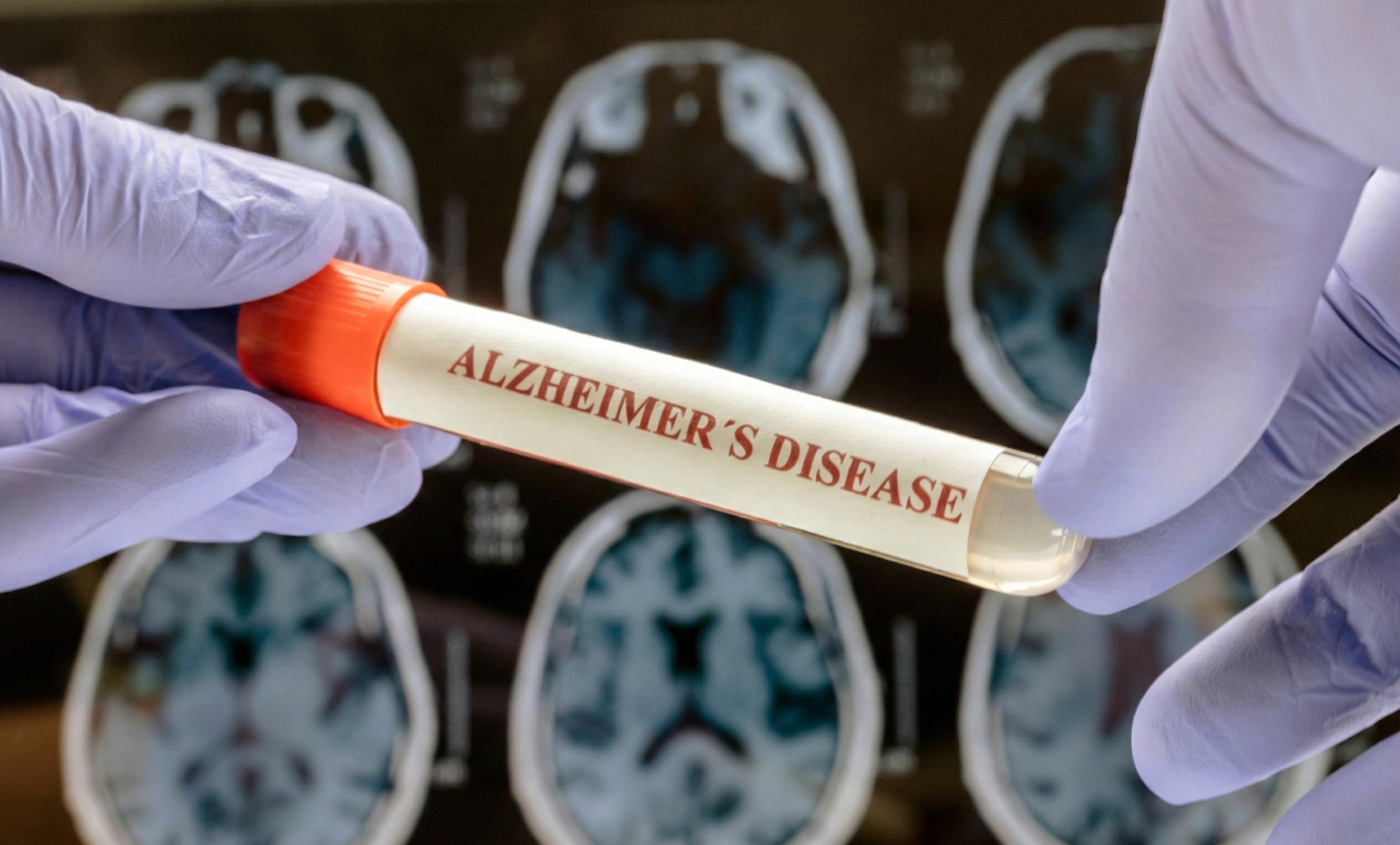
Without This One Gene, 93% of Alzheimer’s Cases Would Not Happen
Memory is the glue that holds our lives together, the silent architect of our identity. For years, we have watched it crumble in the hands of Alzheimer’s, believing the damage was just an inevitable tragedy of aging or bad luck. But what if the true culprit has been hiding inside us all along, written into the very code of our existence?
A revolutionary discovery is challenging everything we thought we knew, shifting the focus from the wreckage we see to the blueprint we cannot, and in doing so, offering a glimmer of hope that we might finally be able to rewrite the ending of this story.
The Hidden Blueprint Behind the Disease

When we think of Alzheimer’s, we usually picture the end result: the confusion, the memory loss, and the physical decay of the brain. For years, science chased the visible signs, specifically the sticky plaques and tangles that clog up neural pathways. But a massive piece of the puzzle was hiding in plain sight, tucked away in our own DNA. New research suggests that a single gene, known as APOE, isn’t just a minor player. It is the main event.
Recent findings from the UCL Division of Psychiatry indicate that up to 93 percent of Alzheimer’s cases might not even exist without the influence of specific variants of this gene. Think about the weight of that number. Nearly every instance of this devastating condition is tied to this one biological thread.
Why was this overlooked for so long? The scientific community spent decades fighting the symptoms rather than the source. Dr. Dylan Williams, the study’s lead author, explains that “the full importance of APOE has probably not been sufficiently recognized by dementia researchers.” Focus remained locked on the physical proteins accumulating in the brain, leaving the genetic root largely unchallenged. Shifting our gaze to this gene changes the entire battlefield. It turns a mysterious, unstoppable force into a “natural target” that medicine can finally aim at.
Redefining the Risk Spectrum

We all carry two copies of the APOE gene, creating a specific genetic makeup based on three possible variants: ε2, ε3, and ε4. For years, the medical narrative was black and white. Researchers believed the ε4 variant was the primary danger, while ε2 offered protection. The ε3 variant, which is the most common, was largely written off as neutral or harmless.
New analysis shows this assumption was a significant oversight. Dr. Dylan Williams explains that the view of ε3 as neutral led to a “longstanding misperception among dementia researchers.” Risk is not a simple switch; it is a spectrum. While ε2 carriers have the lowest risk and ε4 carriers the highest, those with the ε3 variant actually sit at an intermediate level of risk rather than having no risk at all.
This nuance is critical. Williams compares the previous focus on only ε4 to studying lung cancer by looking exclusively at heavy smokers while ignoring moderate smokers. By doing so, you miss a massive portion of the problem. Recognizing that risk exists on a sliding scale rather than just at the extremes changes how we identify vulnerability in the general population.
APOE’s Role in Up to 90% of Alzheimer’s Cases

Scientific breakthroughs require more than just a hunch; they demand rigorous proof. To validate the massive impact of the APOE gene, the research team employed a comprehensive, three-fold strategy. They analyzed electronic medical records, studied brain scans, and reviewed the results of postmortem examinations across large groups of patients. This was not a narrow glimpse into the disease but a wide-lens view using concrete data.
The conclusion was staggering. The analysis suggests that without the contribution of the APOE ε3 and ε4 variants, approximately 72 to 90 percent of Alzheimer’s cases would not occur. Additionally, nearly half of all dementia cases could be prevented. These numbers transform our understanding of the disease from a random occurrence to a condition heavily driven by specific genetic factors.
For decades, a few keen researchers suspected this link but lacked the tools to prove it. Dr. Dylan Williams noted that finding such a strong match between theory and reality is rare, stating, “Expectations and findings seldom align really well in research, so it was a nice surprise in that sense.” This alignment validates the work of past investigators and provides the solid ground needed to push for new treatments.
Why Current Treatments Fall Short

We have seen headlines about new Alzheimer’s drugs, often hailed as major breakthroughs. However, the reality in the clinic has been less celebratory. Most of these treatments focus on clearing beta-amyloid, the sticky gunk found in patients’ brains. While they succeed at cleaning up the mess, they often fail to stop the disease itself.
Dr. Dylan Williams offers a sober assessment regarding these anti-amyloid therapeutics, stating they “show, at best, limited effectiveness at slowing disease.” He goes further to point out that despite these drugs doing exactly what they are supposed to do in molecular terms, “there are still reasons to doubt whether these drugs are effective at all.” It is a hard truth to swallow. We have tools that work in a test tube but struggle to change the lives of patients.
This disconnect suggests we might be fighting the wrong battle. If clearing the plaques doesn’t restore memory or stop the decline, perhaps the plaques are just smoke, and the fire is burning elsewhere. This brings us back to APOE. Instead of endlessly mopping up the damage, targeting this gene offers a chance to cut the fuel line. It is, as Williams describes, a “natural target crying out for much more research activity.”
A Future Where No One Is Left Behind

The failure of past drugs isn’t the end of the road; it is a detour sign pointing toward better options. Dr. Dylan Williams highlights that while targeting APOE was historically difficult, the landscape has changed. We have witnessed “vast improvements in the prospects for gene therapy” over the last decade. Techniques like gene editing and silencing are no longer science fiction; they are practical tools that could potentially disarm the genetic variants responsible for so much suffering.
But fixing the gene is only half the battle; we also need to understand the people who carry it. The current data has a blind spot as it primarily focused on individuals of European descent. To truly solve this puzzle, science must widen its lens. There are active plans to investigate the role of APOE in “a more ethnically diverse cohort,” ensuring that future breakthroughs benefit everyone, not just a select demographic.
Furthermore, genetics is not destiny. Not everyone with a high-risk genotype develops dementia, which implies that environmental factors play a crucial role. Understanding why some people remain healthy despite their genetic load is the next great frontier. By combining advanced gene therapy with a deeper understanding of our environment and diversity, we can move from simply managing symptoms to fundamentally rewriting the narrative of the disease.
Source:
- Williams, D. M., Heikkinen, S., Hiltunen, M., FinnGen, Davies, N. M., & Anderson, E. L. (2026). The proportion of Alzheimer’s disease attributable to apolipoprotein E. Npj Dementia, 2(1), 1. https://doi.org/10.1038/s44400-025-00045-9