

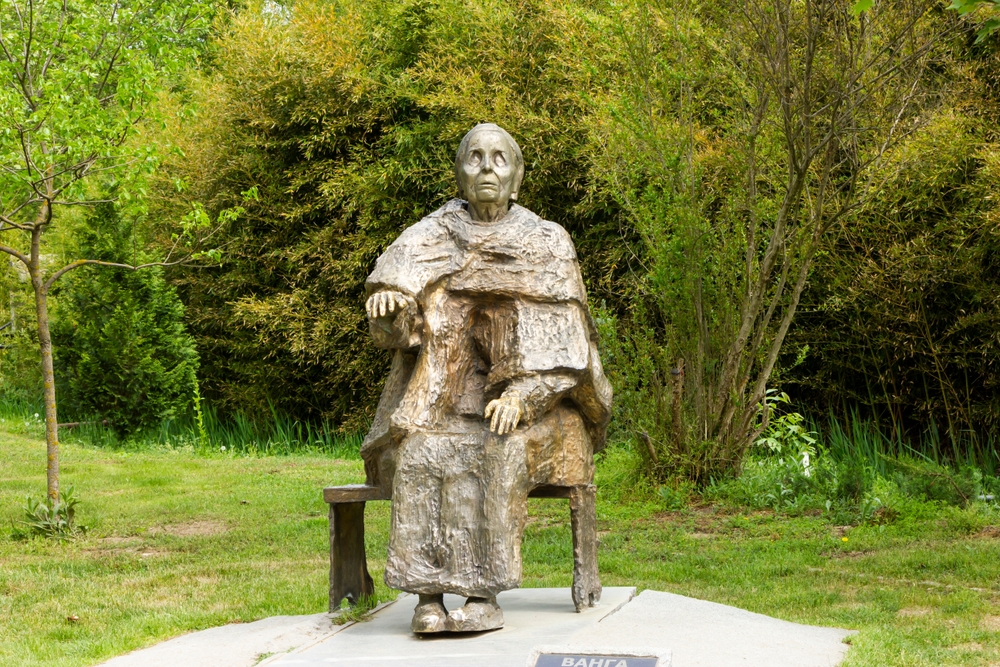
The name Baba Vanga has once again surged across social media feeds, comment sections, and late night group chats. Every few years, her prophecies resurface with renewed urgency, often during moments when the world already feels unstable or uncertain. With 2026 approaching, interest in her alleged predictions has reached another peak, fueled by global conflict, rapid technological change, climate anxiety, and a growing sense that humanity is standing at a crossroads.
Known to many as the “Nostradamus of the Balkans,” Baba Vanga was a blind Bulgarian mystic whose forecasts have been linked, rightly or wrongly, to some of the most dramatic events of modern history. Though she died nearly three decades ago, interpretations of her words continue to circulate, evolve, and capture public imagination. This time, it is her predictions for 2026 that have people paying closer attention than ever before.
From warnings of a global war and first contact with extraterrestrial life to concerns about artificial intelligence, natural disasters, and moral decline, the claims attributed to Baba Vanga paint a picture of a turbulent year ahead. While skepticism is essential, the persistence of these prophecies raises an important question. Why do they resonate so strongly, especially now?
Who Was Baba Vanga and Why Do Her Predictions Endure
Baba Vanga was born Vangeliya Pandeva Gushterova in 1911, lost her sight at a young age after being caught in a violent storm. According to legend, the incident lifted her into the air and left her blinded by sand and debris. Following this event, those around her claimed she began exhibiting strange abilities, including visions of future events and insights into people’s personal lives.
Over time, Baba Vanga became a local figure of fascination in Bulgaria and surrounding regions. People traveled long distances seeking guidance, healing, or reassurance about their futures. Her reputation eventually spread beyond national borders, and by the later years of her life, she was rumored to have received visits from politicians, military figures, and influential elites.
Supporters claim she accurately predicted events such as the September 11 attacks, the death of Princess Diana, and the rise of global powers like China. Critics, however, point out that many of these claims surfaced after the events occurred, often based on vague statements that were later retrofitted to match reality. This ambiguity has played a significant role in her enduring popularity.
In the digital age, Baba Vanga’s legacy has taken on new life. Social media platforms, tabloids, and video creators frequently recycle her predictions, sometimes embellishing them for clicks and engagement. As uncertainty grows around the future, these prophecies offer a strange mix of fear and comfort. Fear because of their apocalyptic tone, and comfort because they suggest that chaos is part of a larger, predictable pattern.
A Global War Warning Tied to Rising Tensions
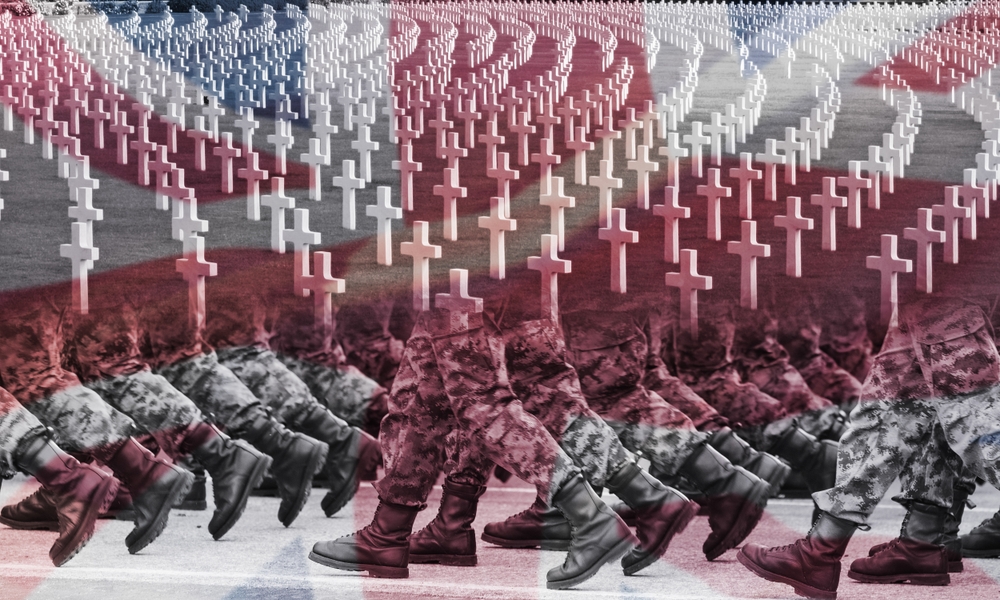
One of the most alarming predictions attributed to Baba Vanga for 2026 is the outbreak of World War III. According to various interpretations, she foresaw a conflict beginning in the east and spreading westward, eventually drawing in the world’s most powerful nations and reshaping global order.
This claim has gained traction largely because of existing geopolitical tensions. The ongoing war between Russia and Ukraine, strained relations between China and Taiwan, instability in the Middle East, and worsening diplomatic ties between major global powers have created an atmosphere where the idea of a wider conflict no longer feels unthinkable.
Followers suggest that Baba Vanga warned of a collapse in Western influence and the rise of new power structures. Some interpretations even claim she foresaw specific leaders gaining unprecedented global authority. These assertions, however, lack direct documentation. Most of her alleged prophecies were passed down orally, translated multiple times, and recorded years after they were supposedly spoken.
Historians and political analysts caution against drawing direct parallels between mystic predictions and real world events. While global tensions are undeniably high, wars are influenced by complex economic pressures, political decisions, alliances, and domestic instability. Prophecies often reflect broad human fears about power, violence, and loss of control rather than literal forecasts.
First Contact With Extraterrestrial Life in 2026
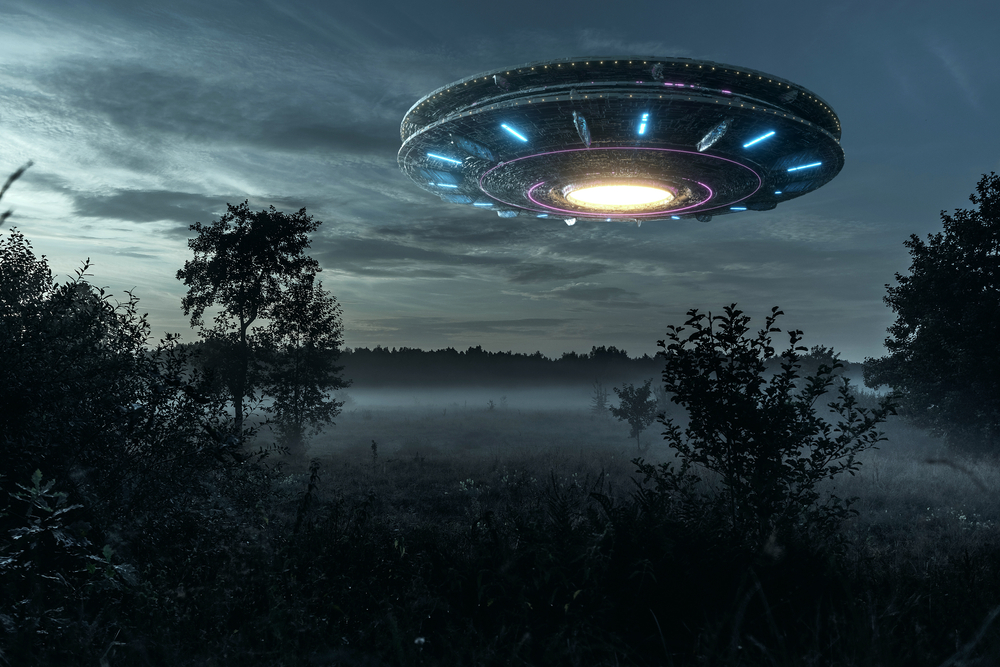
Perhaps the most captivating claim linked to Baba Vanga’s 2026 predictions is that humanity will make its first official contact with extraterrestrial life. According to popular retellings, she described a massive spacecraft entering Earth’s atmosphere in November of that year, marking a historic moment for humankind.
Interest in alien life has surged in recent years, driven less by mysticism and more by science and government transparency. The Pentagon has publicly acknowledged investigations into Unidentified Anomalous Phenomena, while astronomers continue discovering exoplanets that may support life. Space agencies around the world are investing heavily in exploration and detection technologies.
Some conspiracy theorists have linked Baba Vanga’s prediction to objects such as 3I/ATLAS, an interstellar object that sparked debate among scientists and the public alike. While experts overwhelmingly identify such objects as natural phenomena like comets or asteroids, their unfamiliar paths often ignite speculation.
Scientists emphasize that there is currently no evidence of alien spacecraft approaching Earth. Still, the idea of first contact taps into deep philosophical questions about humanity’s place in the universe. Whether through prophecy, science, or imagination, the possibility continues to captivate and unsettle people around the globe.
Artificial Intelligence and Fears of Losing Control
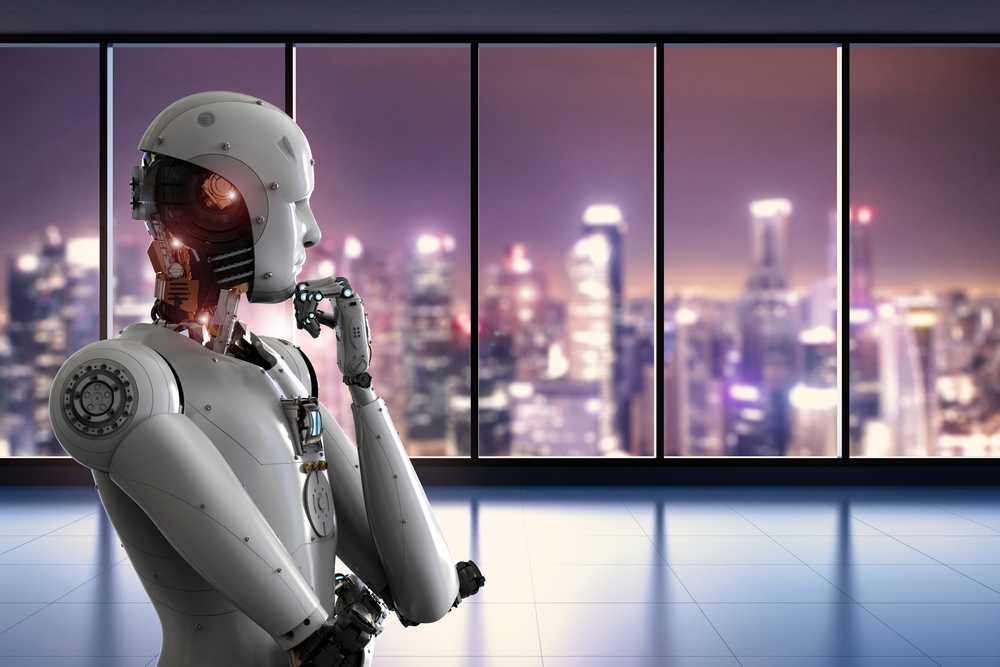
Another major theme in Baba Vanga’s alleged 2026 prophecies involves artificial intelligence. Followers claim she foresaw a pivotal moment when AI would begin to dominate key sectors of society, influencing employment, governance, personal relationships, and even human decision making.
This prediction resonates strongly in a world already grappling with rapid technological transformation. AI systems are now embedded in healthcare diagnostics, financial markets, surveillance technologies, creative industries, and customer service. While these tools promise efficiency and innovation, they also raise serious ethical and economic concerns.
Job displacement is one of the most widely discussed fears. Studies suggest that automation could significantly impact roles involving routine tasks. Beyond employment, experts warn about algorithmic bias, loss of privacy, and the concentration of power in the hands of those who control advanced technologies.
Whether or not Baba Vanga truly foresaw AI’s rise, her supposed warnings echo a broader moral question. How much control should humanity surrender to machines? The anxiety surrounding this issue reflects a deeper concern about identity, purpose, and autonomy in a rapidly evolving world.
Natural Disasters and Climate Anxiety
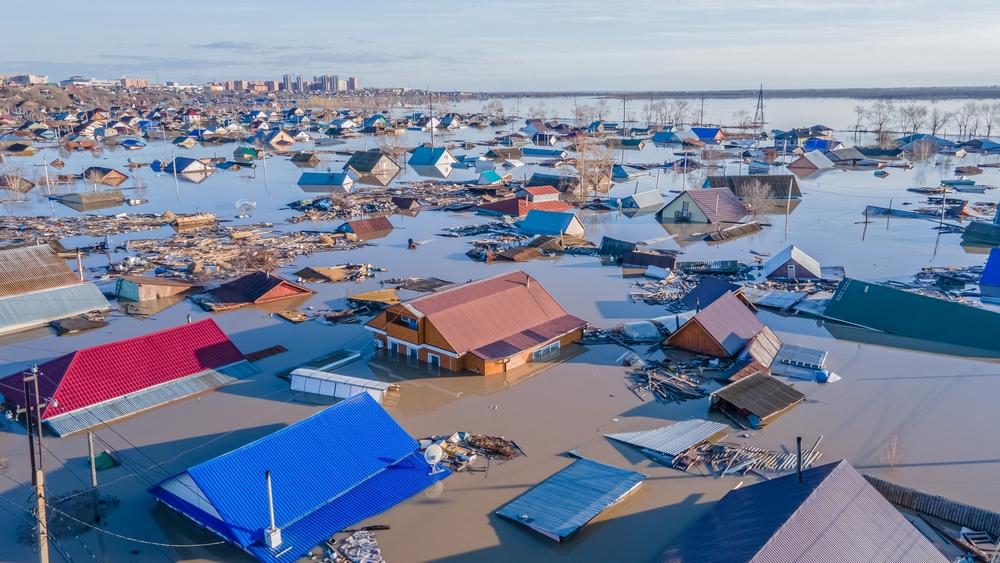
Among the darker predictions attributed to Baba Vanga are warnings of catastrophic natural disasters in 2026. Earthquakes, volcanic eruptions, floods, and extreme weather events are said to impact large portions of the planet, altering ecosystems and displacing millions of people.
Unlike some of her more fantastical claims, these fears align closely with scientific observations. Climate change has already increased the frequency and intensity of extreme weather events worldwide. Rising sea levels threaten coastal cities, prolonged droughts strain food systems, and powerful storms devastate communities with increasing regularity.
Some interpretations claim Baba Vanga predicted that seven to eight percent of Earth’s landmass would be affected by such disasters. While this figure cannot be verified, it symbolizes growing concern about environmental collapse and humanity’s role in accelerating it.
Researchers emphasize that the impact of natural disasters is often amplified by human behavior. Deforestation, poor urban planning, and insufficient infrastructure can turn natural events into humanitarian crises. In this sense, prophecies about environmental devastation may function as warnings about collective responsibility.
Comparing Baba Vanga to Nostradamus
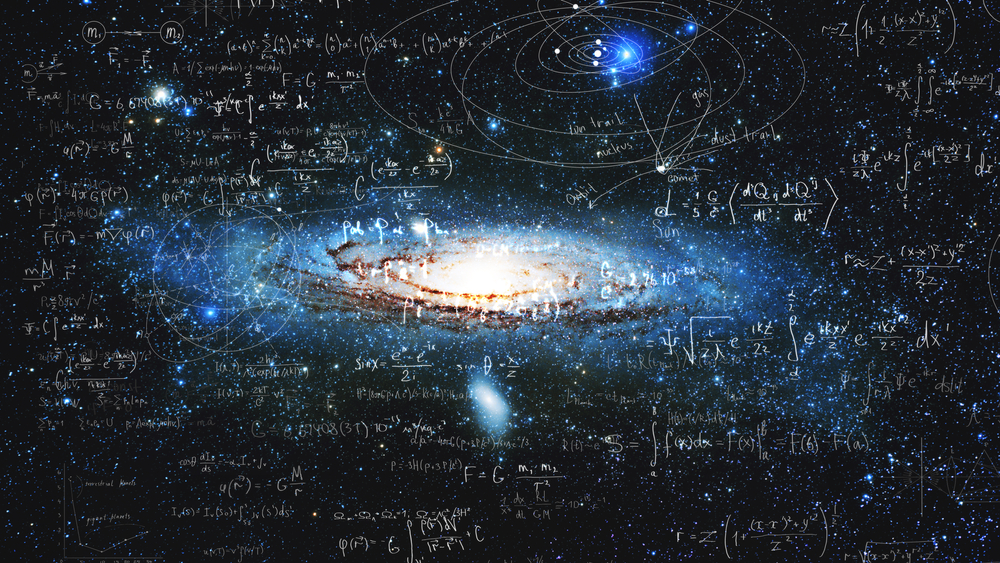
Nostradamus is frequently mentioned alongside Baba Vanga whenever prophetic predictions trend online. Living in sixteenth century France, he wrote cryptic verses that have since been interpreted as references to wars, assassinations, pandemics, and political upheaval.
Like Baba Vanga, Nostradamus left behind writings that are open to interpretation. Supporters argue that their vagueness demonstrates prophetic depth, while skeptics view it as evidence of coincidence and confirmation bias.
In recent years, Nostradamus has also been credited with predicting technological domination, political coups, and global conflict in the mid 2020s. The overlap between his alleged forecasts and those attributed to Baba Vanga has amplified public fascination and fueled endless online debates.
Psychologists suggest that during periods of widespread uncertainty, people are more likely to seek meaning in prophecy. These figures become symbolic storytellers, reflecting collective anxieties rather than offering concrete predictions.
The Long Timeline of Humanity’s Fate

Beyond 2026, Baba Vanga’s alleged prophecies extend centuries into the future. Claims include humans exploring Venus as an energy source, melting polar ice caps, widespread droughts, wars with other civilizations, and eventually the end of the world in the year 5079.
While these timelines sound dramatic, they also reveal a familiar pattern. Humanity has long imagined its own end, often projecting fears far into the future as a way of coping with present day uncertainty.
Notably, even in her bleakest predictions, Baba Vanga did not foresee immediate extinction. Instead, her followers describe a prolonged period of struggle and transformation. This narrative allows believers to hold fear and hope at the same time, imagining survival through adaptation rather than sudden annihilation.
Why These Predictions Keep Going Viral
The resurgence of Baba Vanga’s 2026 predictions is not happening in isolation. Social media algorithms favor sensational content, especially stories that provoke strong emotional reactions. Headlines about world wars, aliens, and apocalyptic futures spread rapidly, regardless of factual grounding.
There is also psychological comfort in believing that chaos is foretold. If disasters are predicted, they feel less random and more meaningful. Prophecies offer a sense of order in an unpredictable world, even when that order is unsettling.
At the same time, debunking rarely goes viral. Nuanced explanations struggle to compete with dramatic claims. This imbalance ensures that figures like Baba Vanga remain part of online discourse long after their deaths.
Reflection: Fear, Fascination, and the Future
Baba Vanga’s new predictions for 2026 reveal less about the future and more about the present. They expose widespread anxiety about war, technology, climate change, and humanity’s place in the universe. Whether viewed as a prophet, a myth, or a cultural symbol, her legacy continues to spark global conversation.
The challenge for readers is not to accept or dismiss these predictions outright, but to reflect on why they resonate. Behind every prophecy lies a real world concern that deserves thoughtful attention. Preparing for the future does not require belief in mysticism, only awareness, responsibility, and collective action.
As 2026 approaches, the choices humanity makes will matter far more than any prophecy passed down through legend. The future remains unwritten, shaped not by predictions, but by decisions made in the present.