


The ‘Buy Nothing Rebellion’ Is Taking Over: Why We Are Finally Waking Up From The Consumer Trap
You work hard for your money, yet it seems to vanish the moment it hits your bank account. We live in a world that promises happiness is just one click away, yet many of us have never felt more anxious or empty. It is a strange trap where the more we consume, the less satisfied we feel. But a quiet shift is happening right now, a growing wave of people who are deciding to step off the treadmill of endless spending to find something real, something that cannot be bought.
Why Misery Drives Consumption
You look at your bank account and feel a knot in your stomach. You worry about inflation, job security, and the future. According to recent surveys, people are more stressed and unhappy about the economy than they have been in decades. Logic says that when you are scared, you should close your wallet and save every penny.

But you aren’t doing that. In fact, most people aren’t.
Despite the fear, spending is actually going up. Retail numbers show that people are spending more at stores and restaurants than they did last year. It is a confusing cycle: we are miserable, yet we keep shopping. Why is there such a massive gap between how we feel and how we act?
It is because you are looking for comfort. When the big goals—like buying a house—feel out of reach, you settle for small indulgences to boost your mood. Years ago, experts called this the “lipstick effect,” noticing that lipstick sales went up during hard times. Today, it is fragrances, with perfume sales jumping 17% this year.
You buy these things not because you need them, but because you want to feel better. You are trying to buy a moment of relief. But you have to ask yourself: Is that temporary high worth the long-term cost?
The Trap of Manufactured Desire

Scrolling through your phone and it feels like the device is reading your mind. You search for comfortable socks once and suddenly you drown in ads for “astronaut-tested” socks for the next three months. They promise to make every step feel like walking on a cloud. Then you see your favorite influencer raving about them. Before you know it, you feel a sudden urgency to own them.
Marketing teams design this specific pressure. They do not really sell you a product. They sell you a story about who you could be. They target your insecurity and convince you that you are one purchase away from happiness. As Amare, the host of the YouTube channel Amare’s Approach, explains, “Companies have been training us to chase this sense of not enough, and we fall for it again and again. We buy what we don’t need, hoping to feel complete.”
You chase the new thing thinking it will finally fix how you feel. But once the package arrives and the excitement fades, you are left with the same emptiness and a lighter bank account. Amare puts it perfectly: “The product is never the point. It’s the craving, the desire that they’re actually selling us.”
The rebellion begins when you stop looking at the price tag and start looking at the pattern. You have to realize that no amount of memory foam or microfiber can fill a hole in your spirit. The trap keeps you running on a treadmill of desire, but you have the power to step off.
The Community Beneath “Buy Nothing”

Buying nothing might sound like a strange gimmick or a trap to get you to buy an expensive course. It is neither. The “Buy Nothing” trend has evolved into a quiet rebellion against the new economy. There is no secret formula here. People are simply returning to what humans did for centuries before credit cards existed. They are sharing.
Across social media and dedicated apps, thousands of local groups have sprung up where neighbors list items they do not want and ask for what they need. No cash trades hands. No services are sold. It is strictly giving and receiving.
Consider the story of Lauren Click. She found a batch of dying aloe plants in her local group. Most people would see yard waste. She saw potential. She salvaged the plants, repotted them, and turned them into beautiful gifts for others. As she told Scripps News, she saw “multiple gifts” where others saw nothing.
This shift changes how you view your community. You stop seeing neighbors as strangers and start seeing a support system. Liesl Clark, the founder of the Buy Nothing Project, describes it best: “This is mutual aid. We are taking care of each other by sharing the things that we might no longer need but it will make a world of difference to a nearby family.”
When you strip away the price tag, you find the human connection underneath.
Your Secret Tool Against Impulse Buys

In a world of one-click ordering, you can spend a hundred dollars before you even finish your morning coffee. The Buy Nothing movement acts as a necessary brake. It forces you to slow down. When you decide to look for an item in your community instead of a store, you introduce a natural delay. You have to find the item, message the neighbor, and arrange a time to meet.
This process gives you a gift: time. It creates a gap between the sudden urge to buy and the actual transaction. In that gap, you get the chance to think. You can ask yourself if you truly need the item or if you were just bored. Extending the timeline stops emotional spending cold.
It also changes your relationship with shopping. Many people shop just to feel a spark of excitement. The Buy Nothing lifestyle turns acquiring things back into a simple task rather than a form of entertainment. When the thrill of the “add to cart” button disappears, your savings start to grow.
You do not have to commit to a lifetime of zero spending to feel the difference. Start small. Try a “Buy Nothing Day” or a weekend. You will be surprised at how often you reach for your wallet out of habit rather than necessity. That pause is where your financial freedom begins.
Valuing What You Already Have
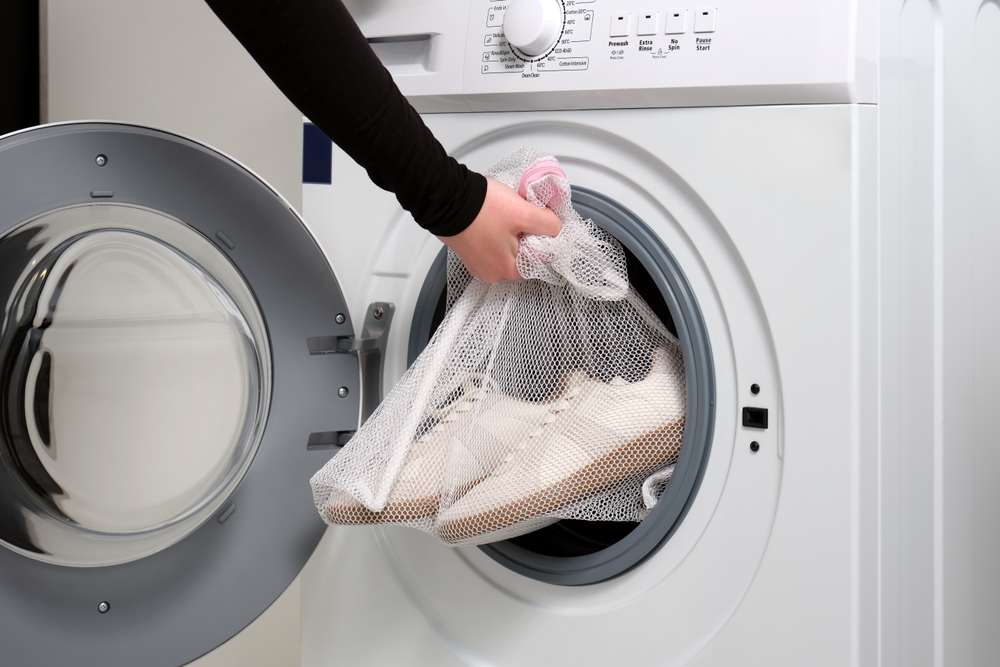
Think about how quickly we throw things away. A toaster stops working, so it goes in the trash. A shirt gets a small hole, so it goes in the bin. We are used to replacing things the moment they show a sign of wear. This habit fills landfills and empties bank accounts.
The Buy Nothing approach asks you to look at your stuff differently. Instead of seeing trash, you look for potential. Can you repair it? Can a neighbor use it? This is what experts call “creative frugality.” It means using what you have until it is truly done.
This mindset does more than just help the planet. It changes how you feel. When you trade, share, or fix an item, you practice gratitude. You stop obsessing over what you do not have and start appreciating what sits right in front of you. It turns out that contentment does not come from the next purchase. It comes from valuing what is already in your hands.
The Real Rebellion

We spend so much of our lives working. We trade hours of our time for money, and then we trade that money for stuff that ends up sitting in a dark closet. We run on a hamster wheel, thinking the next purchase will finally make us happy. But it never does.
This movement is not about depriving yourself. It is about waking up. When you decide to buy nothing, you actually gain everything. You gain time. You gain connection with your neighbors. You gain freedom from the constant pressure to own more.
So try this. The next time you are about to click “buy” or tap your card, just stop. Take a breath. Ask yourself a simple question: Do I actually need this item, or do I just need to feel something else?
Happiness is not something you can order online. You cannot put a price tag on peace of mind. Step off the wheel. Join the rebellion.