

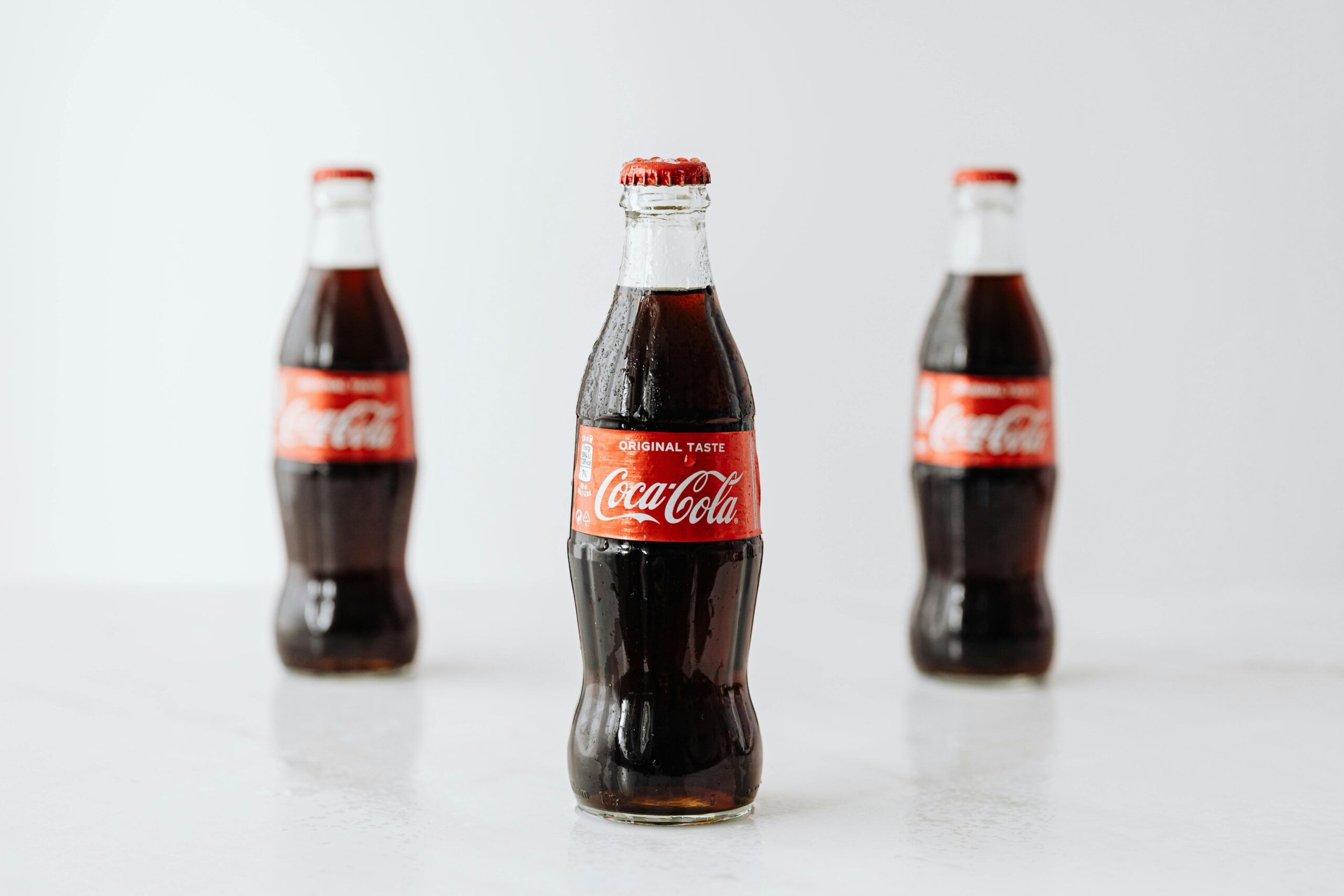
The Surprising Tradition Behind Yellow Cap Coca Cola
If you have ever wandered down a grocery store aisle on autopilot, reached for your usual bottle of Coke, and suddenly stopped because something looked different, you are not alone.
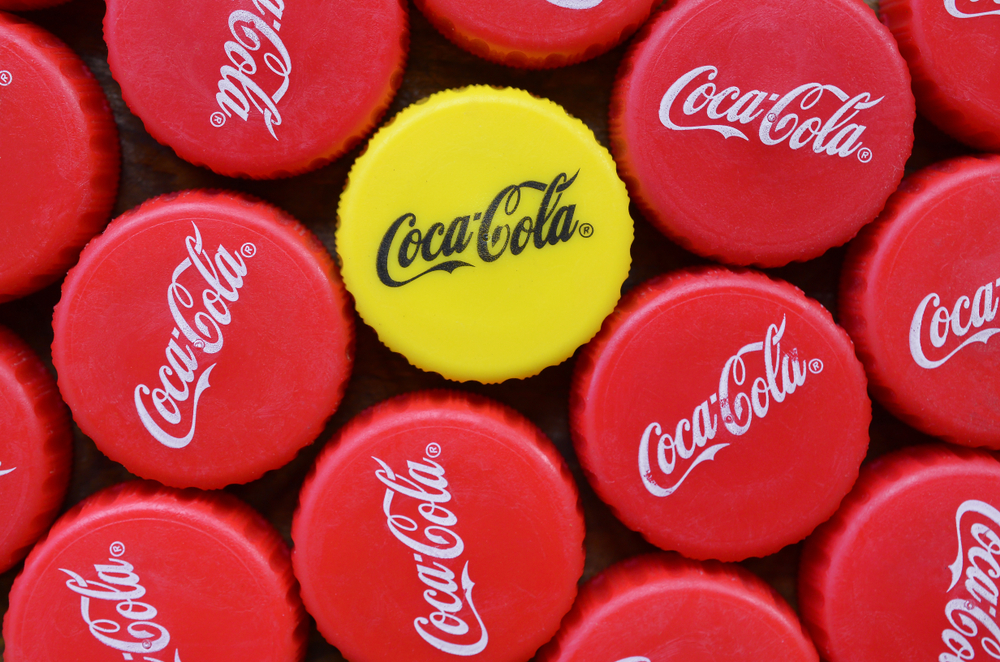
For many shoppers, the moment of confusion starts with something incredibly small. The bottle cap. Instead of Coca-Cola’s familiar red, it is bright yellow. Not a promotional label. Not a seasonal design. Just a cap that looks out of place on one of the most recognizable products in the world.
That tiny flash of yellow has sparked countless online posts, grocery store debates, and viral explainers. And while it might seem like a random packaging choice, the truth behind it is far more intentional, deeply rooted, and quietly meaningful.
A Design Change That Stops People in Their Tracks
Coca-Cola is famous for consistency. The red label, white script, and iconic bottle shape have remained almost unchanged for generations. That level of uniformity is not accidental. It is branding discipline at the highest level.
Because of that, even the smallest deviation feels significant. When shoppers notice a yellow cap, it often feels like spotting a typo in a familiar word. Something is off, and curiosity takes over.
Social media platforms are filled with people admitting they had seen yellow-capped Coke bottles for years without ever knowing what they meant. Others say they assumed it was a limited edition, a supply chain issue, or a regional variation. Some even worried the soda inside might taste different.
According to reporting from outlets like TODAY Food and The New York Times, that confusion has been happening for decades. The difference is that now, more people are stopping to ask why.
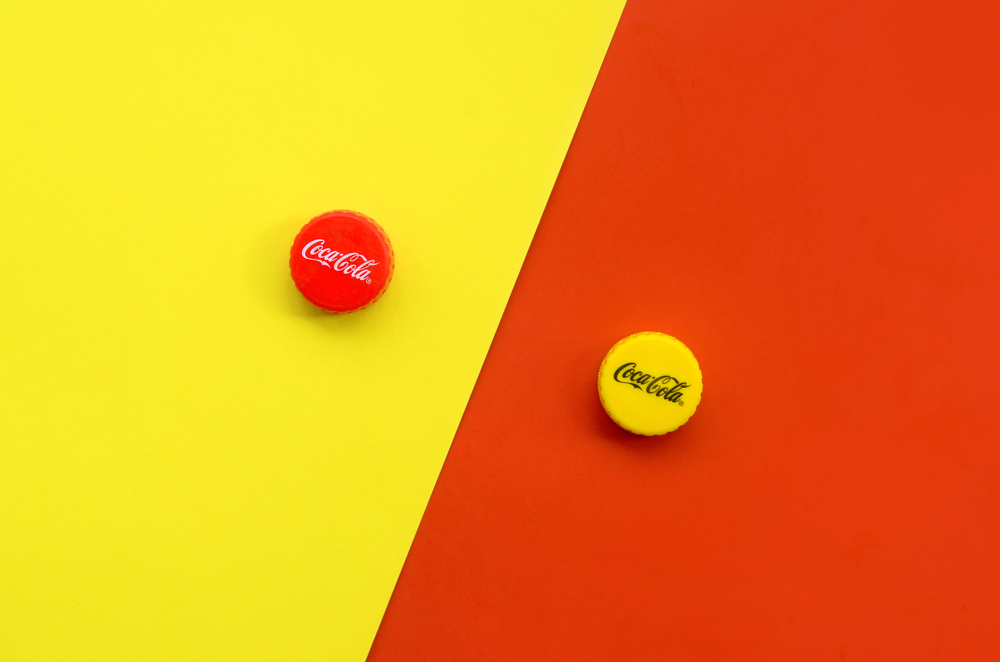
What the Yellow Cap Actually Signals
The yellow cap is not decorative. It is functional.
Coca-Cola bottles topped with yellow caps are certified kosher for Passover. That certification carries a specific meaning that goes beyond standard kosher labeling.
Kosher dietary laws guide what observant Jewish people can eat throughout the year. These laws cover permitted animals, preparation methods, and how foods are processed. During the spring holiday of Passover, those rules become more restrictive.
Passover commemorates the Exodus from Egypt, when the Israelites left slavery in such haste that there was no time for bread to rise. Because of this, Jewish law prohibits the consumption and even possession of chametz, which includes leavened foods or foods derived from certain grains.
For many Jewish communities, particularly Ashkenazi Jews, additional restrictions apply. These include avoiding kitniyot, a category of foods that includes rice, legumes, and corn.
This is where Coca-Cola’s usual recipe becomes an issue.
Why Regular Coca-Cola Does Not Work for Passover
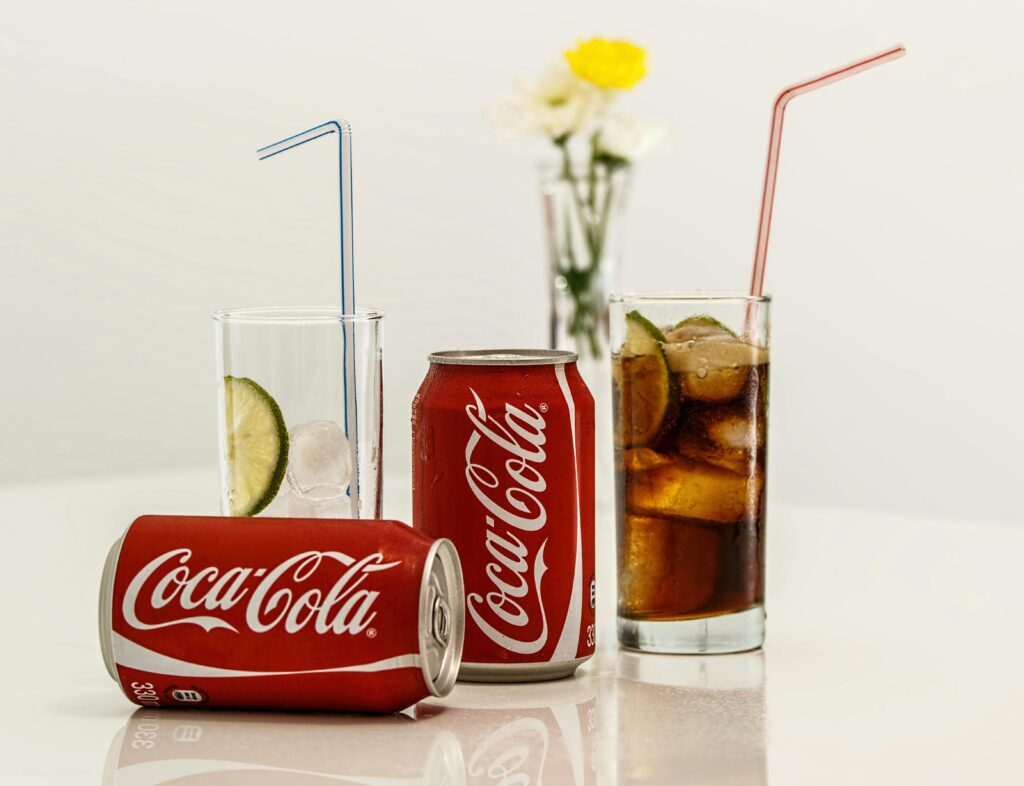
In the United States, standard Coca-Cola is sweetened with high-fructose corn syrup. While the drink is certified kosher year-round, corn syrup makes it unsuitable for Passover for those who avoid kitniyot.
Rather than asking consumers to go without a familiar product during the holiday, Coca-Cola produces a separate version of the drink specifically for Passover. In this version, the corn-based sweetener is replaced with cane or beet sugar.
The yellow cap serves as a quick and unmistakable visual signal. Shoppers observing Passover can identify the correct bottle instantly, without needing to read ingredient lists or certification symbols during a busy grocery run.
How Serious the Certification Process Really Is
Producing kosher-for-Passover Coca-Cola is not a simple ingredient swap. According to statements from The Coca-Cola Company reported by TODAY Food, the entire production process must be supervised by designated rabbinical organizations. Facilities are thoroughly cleaned, ingredients are closely monitored, and production runs are carefully scheduled.
Only finished products bearing the logos of approved certification agencies can be guaranteed to meet Passover standards. In many cases, bottles also include markings such as O-U-P, which indicate Orthodox Union Passover certification.
This process happens every year in the weeks leading up to Passover and ends shortly after the holiday concludes. Once that window closes, the yellow-capped bottles disappear.
A Quiet Return to Coca-Cola’s Original Taste
The yellow-capped bottles have gained attention for another reason that has nothing to do with religion.
They taste different. Or at least, many people believe they do.
When Coca-Cola was first introduced in the late 1800s, it was sweetened with cane sugar. That formula remained in place for decades. In the 1980s, the company transitioned to high-fructose corn syrup in the United States, largely due to cost efficiency and agricultural policy.
Some longtime fans insist the switch changed the flavor. They describe cane sugar Coke as smoother, cleaner, or less artificial. Others say the difference is subtle or psychological.
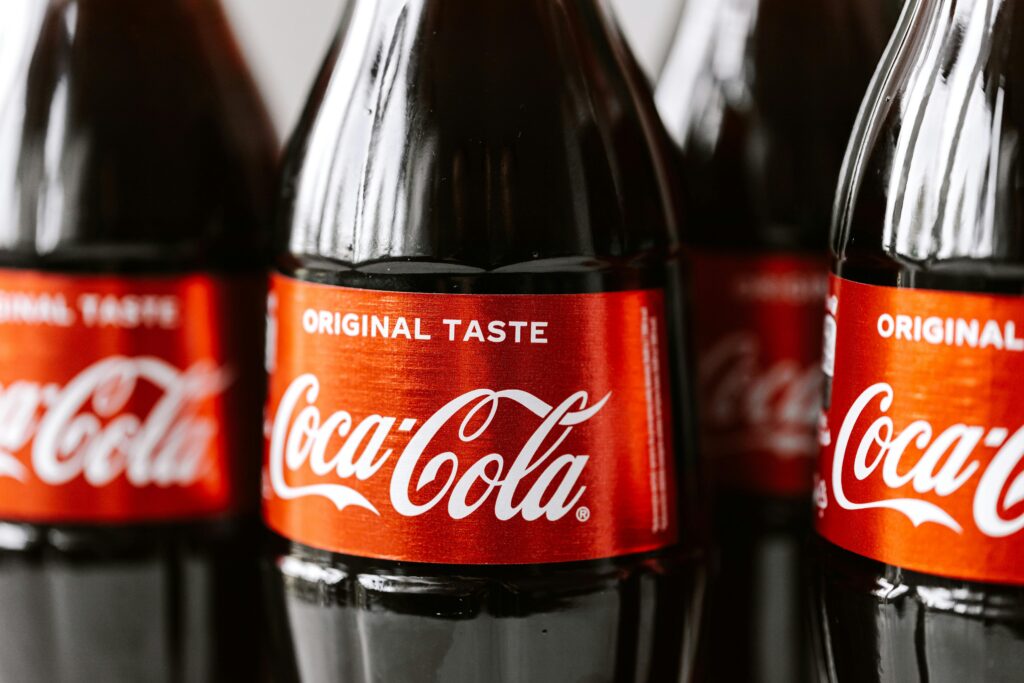
The Passover version of Coca-Cola, made with cane sugar, closely resembles the formula used in Mexican Coke, which is imported and sold in glass bottles. That version has developed a devoted following, but it is often priced at a premium.
For some shoppers, the yellow-capped bottle is the easiest and most affordable way to enjoy a cane sugar Coca-Cola.
Why It Is Not Marketed as a Special Edition
Despite the extra effort and different ingredients, Coca-Cola does not charge more for kosher-for-Passover bottles. They are typically priced the same as standard Coke.
The company has also avoided turning the yellow cap into a marketing moment. There are no flashy labels, no advertising campaigns, and no limited-edition branding language.
The cap exists primarily as a signal for those who need it.
That restraint is part of why the discovery feels so striking. In an era when brands often highlight every change, Coca-Cola has quietly maintained this practice for decades.
Where Yellow-Capped Bottles Usually Appear
Not everyone will encounter yellow-capped Coke during their grocery runs.
These bottles are most commonly stocked in areas with larger Jewish populations, including cities such as New York, Los Angeles, Miami, and Chicago. They tend to appear in select grocery stores, big-box retailers, and markets that already carry kosher or Passover-specific products.
Availability is limited to a short seasonal window. Miss it, and the bottles vanish until the following spring.
This limited visibility is one reason so many people are only now learning what the yellow cap means.
A Tradition That Dates Back Nearly a Century
Coca-Cola’s relationship with kosher certification goes back to the 1930s.
At that time, Rabbi Tuvia Geffen of Atlanta worked with the company to address concerns about certain ingredients that posed kosher issues. His efforts helped Coca-Cola become one of the first major American brands to secure kosher certification.
When corn syrup later became part of the recipe, the Passover question resurfaced. Rather than abandoning a segment of consumers, Coca-Cola adapted once again.
That cooperation between religious authorities and a global corporation has quietly continued ever since.
Why the Yellow Cap Keeps Going Viral
The renewed attention around yellow-capped Coke is largely driven by social media.
A single post pointing out the cap can spark thousands of comments from people who had seen it before but never questioned it. Others express surprise, appreciation, or curiosity about kosher laws and Passover traditions.
Unlike many viral moments, this one is not fueled by outrage or controversy. It is driven by discovery.
People enjoy learning that something familiar has a hidden story, especially when that story involves culture, history, and quiet consideration.
When Curiosity Turns Into a Scramble
As awareness spreads, demand often increases.
Every year, shoppers post about hunting for yellow-capped bottles. Some want them for Passover observance. Others want them for the cane sugar formula.
This surge in interest can sometimes lead to shortages. Members of Jewish communities have occasionally reminded others online that the product exists primarily to support a religious holiday.
For families navigating a week filled with dietary restrictions, being able to enjoy a familiar drink can be deeply comforting. When shelves empty quickly, that comfort can disappear.
More Brands Do This Than You Realize
Coca-Cola is not alone in adapting products for Passover.
Many food companies release modified versions of familiar items during the holiday. Snack foods may be fried in different oils. Packaged goods may replace restricted ingredients. Special certification symbols appear across grocery store shelves.
What makes Coca-Cola stand out is its ubiquity. It is not a niche product. It is a global symbol, which makes its quiet seasonal adjustment feel especially significant.
The Meaning Packed Into a Small Detail

The yellow cap may seem insignificant at first glance, but it carries layers of meaning.
It represents respect for tradition. It reflects decades of cooperation. It shows how a massive corporation can adapt without making the change about itself.
For many shoppers, it is simply a practical marker. For others, it is a pleasant surprise. For some, it is a reminder that their needs were considered.
Why This Story Resonates So Deeply
Part of what makes the yellow cap story resonate is how understated it is.
There is no press release announcing its return each year. No viral campaign explaining its purpose. The meaning exists quietly, waiting to be noticed.
In a world full of loud branding and constant messaging, that subtlety feels refreshing.
What to Know If You Spot One
If you see a Coca-Cola bottle with a yellow cap, there are a few things to keep in mind.
It is seasonal. It is intentional. And it is primarily meant for those observing Passover.
While anyone can buy it, its existence is rooted in tradition rather than trend.
A Small Flash of Yellow With a Big Story Behind It
The next time you notice a yellow cap on a bottle of Coca-Cola, you will know it is not a mistake.
It reflects nearly a century of cultural cooperation, a temporary return to an older recipe, and a quiet effort to make space for tradition in a modern marketplace.
Sometimes, the most meaningful stories are not printed on the label. They are hiding in plain sight, sealed under a small, bright cap.