


Temu Range Rover Buyer Demands Action After Car Shuts Down Suddenly
It started as an exciting upgrade. A modern SUV with sleek styling, advanced technology, and a price that seemed almost too good to ignore. For one Birmingham father, the decision felt practical and forward-thinking. But within just two weeks, that same purchase became the center of a frightening experience that has since sparked debate about safety, accountability, and the risks of trusting new automotive brands too quickly.
For Alan Lee, a 37-year-old father, what began as a routine drive with his four-year-old son quickly turned into a moment of fear on a busy 60mph road. His story is now spreading widely, not just because of what happened, but because of what it might represent for thousands of other drivers.
A Purchase That Seemed Too Good to Miss
Alan had not rushed into buying a new car. Like many parents, he wanted something reliable, comfortable, and suitable for everyday family life. He had previously been driving a Volkswagen Tiguan, a dependable SUV, but he began exploring newer options that offered more features for a similar or lower price.
That search led him to the Jaecoo 7 PHEV Luxury. The vehicle had quickly gained attention across the UK market. It was praised for offering premium design and high-end technology at a significantly lower price point than traditional luxury SUVs.
At around £35,000, it appeared to deliver strong value. Reports suggested it had been among the UK’s best-selling vehicles in late 2025, and early reviews painted it as a smart alternative to more expensive models. For buyers like Alan, it seemed like a chance to access modern automotive innovation without stretching finances.
He later explained that everything he saw encouraged him to take the leap. The car appeared to match competitors in its category while offering more advanced features. As a family man, he believed it would suit his lifestyle perfectly.
The decision reflected a growing trend among consumers. Many are now willing to explore newer brands that promise affordability combined with cutting-edge technology. The appeal is clear. Why pay significantly more for a badge when similar features are available at a lower cost?
But as Alan would soon discover, the reality of a new product does not always match its promise.
Early Warning Signs That Felt Easy to Ignore

The first sign that something was not quite right came just days after the car was delivered on March 18, 2026. It was not a dramatic failure or a major breakdown. Instead, it was a small detail that could easily be dismissed.
While driving, Alan noticed that the headlights flickered whenever he turned a corner. At first, it seemed unusual but not alarming. Many drivers might assume it was a minor electrical quirk or something that could be fixed during a routine check.
He admitted that he did not think much of it at the time. The excitement of owning a new car often overshadows minor concerns, especially when everything else appears to function normally.
This moment is important in hindsight. Small issues can sometimes act as early indicators of deeper problems. However, for most people, it is natural to trust that a brand-new vehicle will perform as expected.
There was no immediate reason to believe that this flickering light would lead to something far more serious.
The Moment Everything Went Wrong
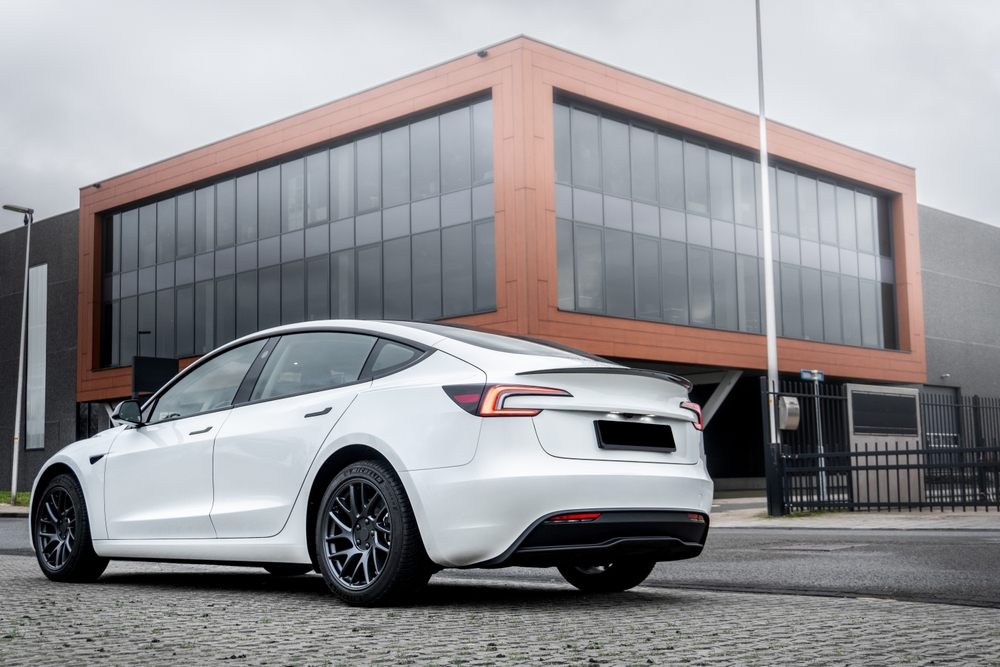
On April 2, 2026, just over two weeks after purchasing the vehicle, Alan set out on what should have been a simple journey. He was driving his four-year-old son to nursery along a busy A road with a speed limit of 60mph.
As he approached a roundabout, the situation changed instantly.
The car suddenly lost power and came to a complete stop. There was no gradual slowdown or warning that allowed him to prepare. According to Alan, the vehicle simply died.
What followed added to the confusion and fear. Around 20 warning lights appeared on the dashboard, flashing simultaneously. The car displayed what he described as every possible error. Crucially, he was unable to shift into drive or reverse, leaving the vehicle stranded in the middle of a busy road.
His immediate concern was safety. With his young son in the car and traffic moving around them, the situation quickly became dangerous.
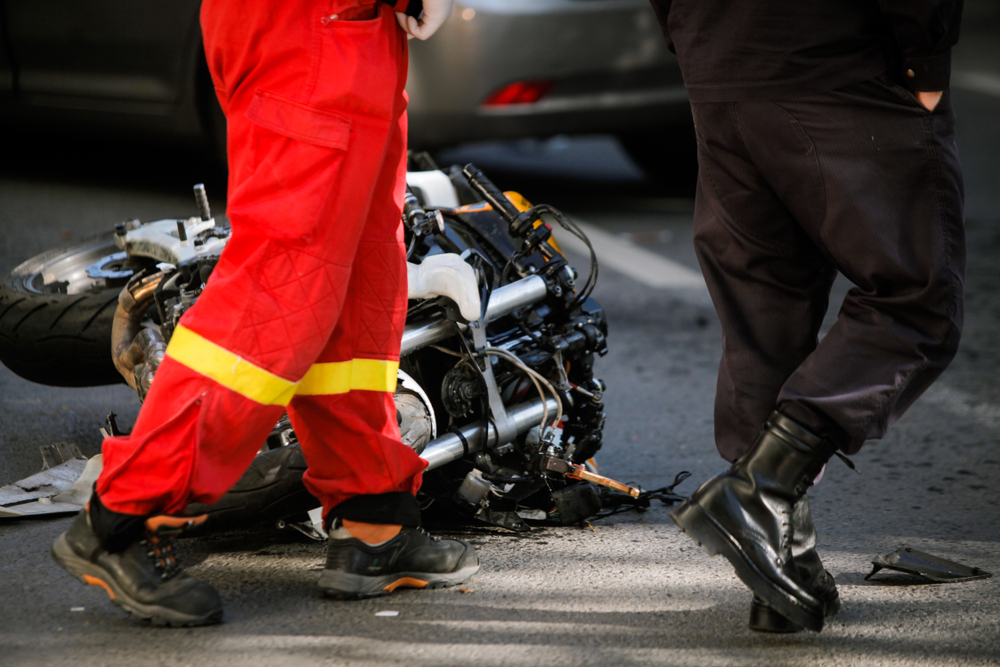
He called emergency services, and police responded by closing off the lane to protect them and other drivers. The vehicle was later towed to a recovery compound, where it remained.
The experience left a strong impression on Alan. What had started as a routine morning turned into a situation that could have had far more serious consequences.
A Wider Issue Already Under Scrutiny
Alan’s experience did not occur in isolation. Earlier in 2026, the UK Government had already issued a recall affecting around 7,500 Jaecoo 7 models. The recall focused on vehicles manufactured between April and December 2025 and was linked to a fault in the electronic control unit wiring harness clip.
This defect had the potential to cause unexpected engine stalling, a problem that closely mirrors what Alan described.
Despite this recall, his specific model was not included. This has become a central point in his frustration. From his perspective, the issue he experienced suggests that the problem may not be limited to the models already identified.
His case raises an important question about how recalls are determined and whether they always capture the full scope of a potential defect. For consumers, the assumption is often that recalls represent a complete and accurate response to known risks. Situations like this challenge that assumption.
From Excitement to Frustration

In the days following the incident, Alan’s feelings about the car changed dramatically. What had once seemed like a smart purchase now felt like a mistake.
He has been vocal about his dissatisfaction, describing himself as a real-life example of a customer who feels let down. His frustration is not only about the breakdown itself but also about what he sees as a lack of effective support afterward.
He stated that he had been offered a courtesy car but had not received one at the time he spoke publicly about the issue. This added to his sense that the company was not responding quickly enough to a serious situation.
He has also made it clear that he no longer trusts the brand and would not consider purchasing another vehicle from them.
The phrase he used to describe the car, comparing it to a low-cost online product, has gained traction online. It reflects a broader skepticism that can emerge when expectations and reality do not align.
The Manufacturer’s Response
Jaecoo has responded to the situation by stating that it takes aftersales service seriously. According to the company, a courtesy vehicle was provided and the customer has been kept informed through the appropriate channels.
This difference in perspective highlights a common challenge in customer disputes. While companies may believe they are following proper procedures, customers often judge the experience based on how quickly and effectively their immediate concerns are addressed.
In cases involving safety, the stakes are particularly high. Delays or miscommunication can quickly erode trust, even if solutions are eventually provided.
The Rise of Affordable High-Tech Vehicles

Alan’s experience comes at a time when the automotive industry is undergoing significant change. New manufacturers are entering established markets, offering vehicles that combine modern technology with competitive pricing.
This shift is reshaping consumer expectations. Features that were once considered premium are becoming more accessible, and buyers are increasingly open to trying unfamiliar brands.
There are clear benefits to this trend. Increased competition can drive innovation and make advanced features available to a wider audience. However, it also introduces new challenges.
Newer brands may not have the same track record as long-established manufacturers. This can make it harder for consumers to assess reliability and long-term performance.
Alan’s story highlights the importance of balancing innovation with trust. While new options can be appealing, they also require careful consideration.
Safety, Regulation, and Accountability
Following the breakdown, Alan has called for greater regulation and stricter checks on new vehicles entering the market.
His argument is straightforward. If cars are being sold with potential faults that could lead to sudden breakdowns, there should be stronger safeguards to prevent them from reaching consumers in the first place.
This perspective is likely to resonate with many drivers, particularly those who rely on their vehicles for daily family life.
Regulation in the automotive industry is already extensive, but rapid technological change can create gaps. As vehicles become more complex, ensuring that all systems function reliably becomes more challenging.
Situations like this can act as a catalyst for review. They draw attention to potential weaknesses and encourage both regulators and manufacturers to reassess their processes.
The Human Impact Behind the Headlines
Beyond the technical details and industry implications, this story is ultimately about a personal experience.
For Alan, the most significant aspect of the incident was not the mechanical failure itself but the context in which it occurred. He was driving with his young son, and the breakdown happened on a busy road where the risks were immediate and real.
Moments like this can leave a lasting impression. They shape how people think about safety, trust, and the decisions they make as consumers.
It is easy to view such incidents as isolated cases, but they often reflect broader concerns that affect many people. When a story like this gains attention, it is usually because others see themselves in it.
A Reminder for Consumers
There are several takeaways from this situation that extend beyond a single vehicle or brand.
First, it highlights the importance of paying attention to early warning signs. Even minor issues can indicate deeper problems.
Second, it underscores the value of researching not just features and price but also reliability and aftersales support.
Third, it serves as a reminder that new and popular products can still carry risks, especially when they have not been tested over time.
Consumers today have more choices than ever before. With that freedom comes the responsibility to make informed decisions.
When Value Meets Reality
Alan Lee’s experience is more than just a story about a faulty car. It reflects a moment where expectation and reality collided in a way that could not be ignored.
The appeal of affordable innovation is powerful, and it is shaping the future of industries like automotive manufacturing. But as this case shows, price and features are only part of the equation.
Reliability, safety, and trust remain just as important. When those elements fall short, the consequences can extend far beyond inconvenience.
For now, Alan’s vehicle remains in a recovery compound, and his call for a recall continues to gain attention. Whether it leads to broader action or not, his experience has already sparked an important conversation.
It is a reminder that behind every purchase is a person, and behind every product is a responsibility. When those two do not align, the impact can be felt far and wide.