

Look at the chair you are sitting in. It seems completely harmless. Most people spend hours locked into one every single day, assuming they are just resting. Medical research, however, tells a very different story.
Sitting down for long periods is actively damaging the human body. It is not just about a stiff neck or a sore back. Staying completely still weakens muscles, strains the heart, and impacts mental health. Knowing exactly what happens when movement stops is the first step to taking control of your physical future.
The Silent Risk of a Sedentary Life
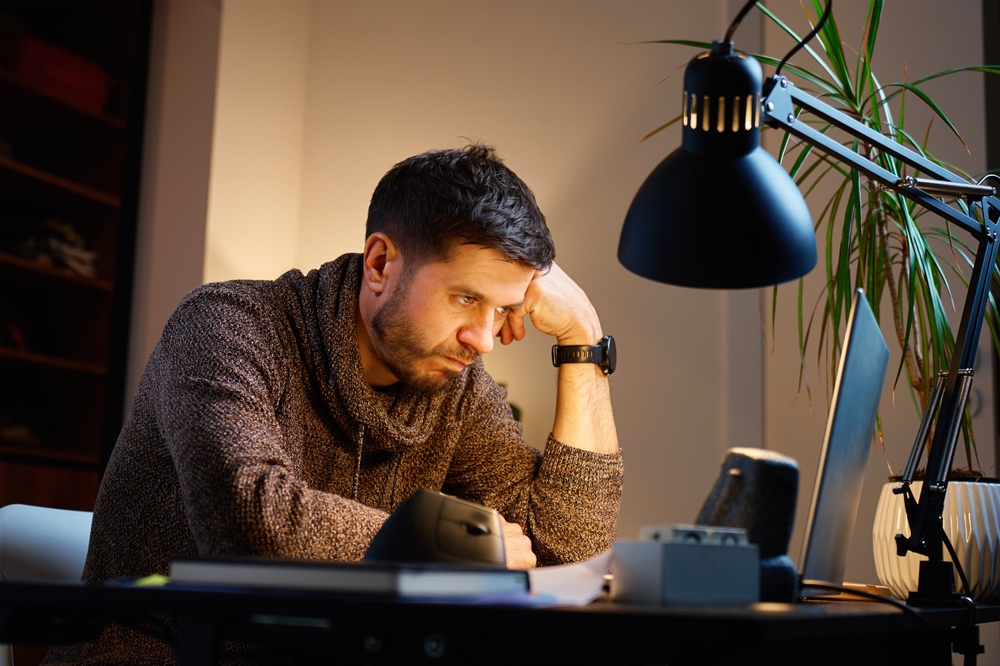
Right now, there is a hidden danger woven into the very fabric of daily life. Look at the chair you are sitting in. It feels comfortable, safe, and productive. Yet, science reveals a much darker reality. Spending hours stationed at a desk or staring at a screen is quietly wreaking havoc on the human body.
Dr. Eric K. Holder, a Yale Medicine physician, notes that prolonged sitting is now deeply ingrained in society. People are constantly seated in front of computers, watching television, or traveling in vehicles. This daily inactivity is a major health problem that leads to severe chronic diseases. One of the most immediate and terrifying risks of this modern lifestyle is a condition called venous thromboembolism, or VTE.
When you sit for extended periods, gravity takes over. Blood and fluid begin to pool in the lower legs. Dr. Britt H. Tonnessen, a vascular surgeon at Yale Medicine, explains that simply being still is a primary reason blood clots form. Without movement to pump blood out of the calf muscles, a clot can develop in a deep leg vein. This condition is known as deep vein thrombosis.
The danger does not stop in the legs. These clots can break free and travel directly to the lungs, creating a pulmonary embolism. According to the Centers for Disease Control and Prevention, these specific blood clots kill up to 100,000 Americans every single year. The modern work environment demands hours of stillness, but the human body was built for motion. Acknowledging this invisible danger is the very first step toward reclaiming vitality and protecting your physical future.
Why Sitting is a Heart Attack Risk Factor

The damage inflicted by a sedentary lifestyle goes far beyond tired, aching legs. When you remain seated for hours on end, your entire cardiovascular system suffers. The human body is magnificent, biologically designed to stand upright and remain in motion. In that natural, vertical state, the heart pumps efficiently and the cardiovascular system thrives.
However, the modern habit of prolonged sitting forces the body into a state of unnatural stagnation. Dr. Rachel Lampert, a Yale Medicine cardiologist, warns that sitting actively alters the normal function of blood vessels. It disrupts how the body regulates sugar and manages blood pressure. These silent physiological changes feed directly into the development of diabetes and heart disease.
The statistics paint a sobering picture. A study published in the Annals of Internal Medicine, which observed 8,000 adults, found a direct link between prolonged sitting and a higher risk of early death from any cause. The research is clear: the more time spent sitting, the greater the likelihood of suffering a heart attack or facing fatal cardiac events.
It is a compounding problem. Inactivity leads to weight gain and increased waist circumference, both of which add even more strain to a struggling heart. Even if a person exercises regularly, spending the majority of the day trapped in a chair can still trigger profound health issues like metabolic syndrome.
The Stagnant Body, The Anxious Mind

The human body is an architectural marvel. It is built to stand strong and move with purpose. Yet, folding that frame into a chair for hours forces it to literally decay. The large muscles in the legs and gluteals are essential for walking and stability. When ignored, these muscles weaken and waste away. This loss of strength makes injuries from simple falls or basic movements far more likely.
The damage creeps up the spine. Prolonged sitting causes hip flexor muscles to shorten and tighten, leading to severe joint problems. The back bears the brunt of this structural collapse. Slumping over a keyboard with poor posture compresses the discs in the spine. This constant pressure triggers premature degeneration and agonizing, chronic pain. The physical foundation begins to crumble.
However, the toll of this sedentary lifestyle extends beyond muscle and bone. It silently attacks the mind. Research shows a stark connection between extensive sitting and mental health struggles. The risk of developing both anxiety and depression is significantly higher in those who remain inactive. The body and the mind are deeply connected. When physical movement stops, mental momentum stalls. A stagnant body often creates a stagnant, anxious mind, robbed of the natural, uplifting effects of physical fitness.
Rewrite Your Story, Defy Your DNA

Genetics might deal the hand, but daily choices play the cards. For a long time, many believed that a family history of blood clots or heart issues meant an inescapable fate. Modern science proves otherwise. The power to rewrite that narrative lies in simple, deliberate actions.
Dr. Mary Cushman, a researcher at the University of Vermont Medical Center, uncovered a profound truth about venous thromboembolism. Her studies show that lifestyle modifications drastically lower the danger of clots, even for those with a high genetic predisposition. She noted that the impact of physical activity and maintaining a normal weight was even more significant than she originally imagined.
The numbers offer immense hope. Engaging in just one to three sessions of physical activity a week, enough to work up a sweat, drops the risk of developing blood clots by 28 percent. Furthermore, maintaining a healthy body mass index reduces that risk by a staggering 45 percent compared to being obese.
These actions belong to a framework known as the American Heart Association Life’s Simple Seven. This includes managing blood pressure, controlling cholesterol, reducing blood sugar, eating better, losing weight, quitting smoking, and getting active. Dr. Peter Henke, a vascular surgeon at the University of Michigan, emphasizes that knowing about a high family risk is the perfect catalyst to adopt these habits.
Biology is not an absolute life sentence. The chair does not have to be a trap. By embracing movement and making mindful health choices, a person actively shields their body from preventable decay.
Stand Up and Start Living

You do not need to train like an elite athlete to protect your health. You just need to remember how to move. Dr. Britt H. Tonnessen offers a highly effective, simple fix: stand up every thirty minutes. Let the blood flow back through your calves. Take a short walk down the hall or simply stand up while reading an email. If your legs already feel heavy and tired, medical professionals often suggest wearing compression stockings to provide relief and keep circulation strong.
Tracking daily habits is the ultimate wake-up call. A basic step counter or a free phone app will quickly reveal exactly how much time is spent frozen in place. Once those numbers are clear, the solutions are surprisingly easy. Take the stairs instead of the elevator. Park at the very back of the parking lot. Push the office trash can across the room so throwing a piece of paper away forces you out of your seat. Set a timer during a television show to break the spell of the screen.
Every time you choose to stand, you cast a vote for a stronger future. The human body is not meant to be a prisoner to a desk. It is a dynamic, miraculous machine built for vitality. Do not let it wither away in the comfort of a padded chair. Stand up right now. Take a deep breath. Take a step forward. Your life is waiting. Claim it.
Featured Image Source: Shutterstock