

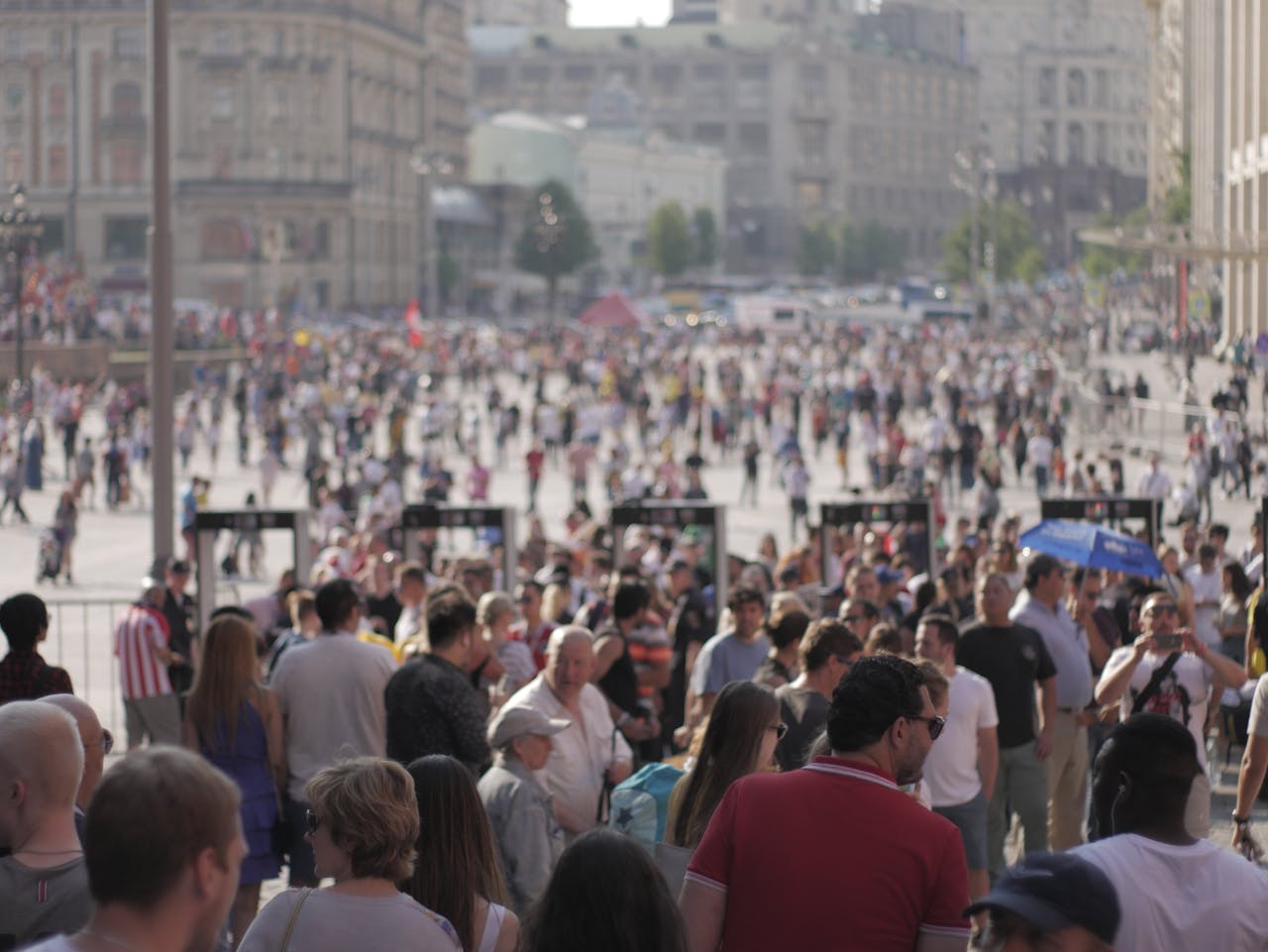
Global Population Hits 8.3 Billion But Experts Warn We Are Far Beyond Sustainable Limits
The idea that Earth might not be able to support the number of people currently living on it sounds like something out of a dystopian novel. Yet, according to a growing body of scientific discussion, this concern is becoming harder to ignore. With the global population now exceeding 8.3 billion, questions about sustainability, resource limits, and long-term survival are moving from academic circles into everyday conversation.
Recent studies and expert analyses suggest that the planet’s true carrying capacity may be far lower than our current population. Some researchers argue that Earth can sustainably support only around 2.5 billion people if we are to maintain ecological balance and a decent quality of life for all. While this figure is debated, the implications are profound and raise urgent questions about how humanity chooses to live moving forward.
For many readers, this raises an uncomfortable but necessary reflection about the modern world. The conveniences, technologies, and lifestyles that define contemporary life are deeply intertwined with resource use, often in ways that are not immediately visible. As awareness grows, so does the realization that sustainability is not just a scientific issue but a personal and collective responsibility that touches every aspect of how societies function.
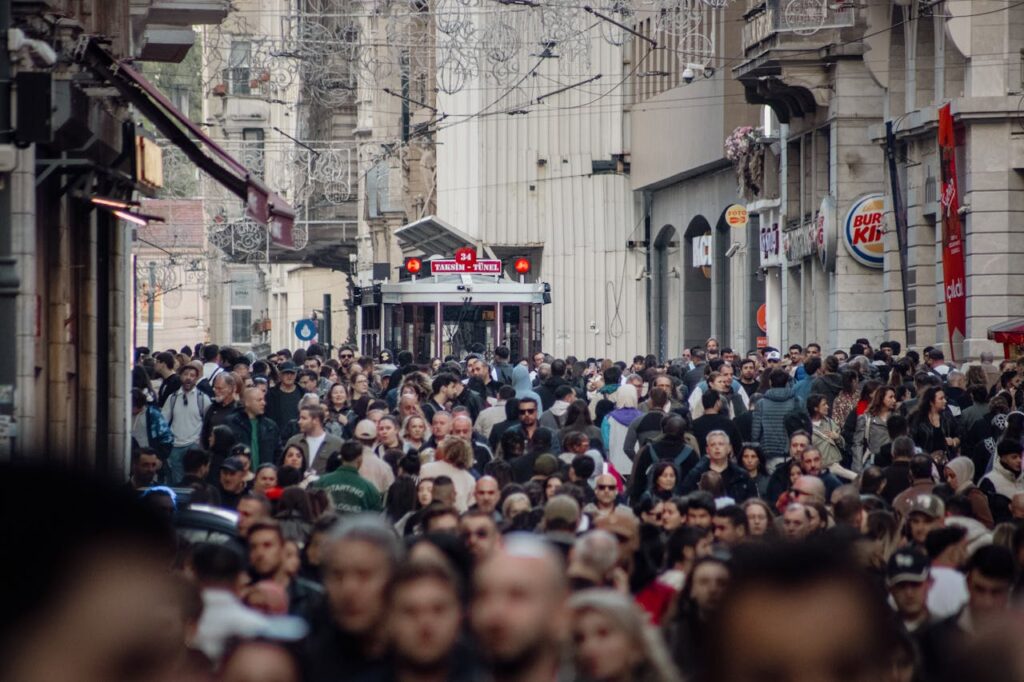
The Growing Population and a Finite Planet
Human population growth has been one of the most defining trends of the last two centuries. From just 1 billion people in the early 1800s, humanity has expanded at an unprecedented rate due to advances in medicine, agriculture, and technology. These innovations have reduced mortality rates and extended life expectancy, allowing populations to grow rapidly across the globe.
However, Earth itself has not expanded alongside us. The planet’s resources remain finite, including fresh water, arable land, and essential minerals. While technological progress has helped us stretch these resources further, it has not eliminated their limits. Instead, it has often masked the strain by increasing efficiency without addressing long-term sustainability.
According to reporting, some scientists argue that current consumption patterns are the real issue. It is not just how many people exist, but how much each person consumes. High-income countries, for example, use disproportionately large amounts of energy and materials compared to lower-income regions, placing additional pressure on global systems.
This imbalance raises a critical point. Even if population growth slows or stabilizes, unsustainable consumption habits could still push the planet beyond its limits. In other words, the problem is not just about numbers but about behavior, systems, and priorities.
What Scientists Mean by ‘Carrying Capacity’
The concept of carrying capacity is central to this discussion. In ecological terms, it refers to the maximum number of individuals an environment can sustain indefinitely without degrading. For humans, however, defining this number is far more complex than for other species.
Unlike animals, humans shape their environment in significant ways. We build infrastructure, develop technologies, and trade resources globally. This means our carrying capacity is not fixed but influenced by innovation, policy, and cultural choices. Still, there are limits to how much adaptation can compensate for environmental strain.
A study highlighted by EurekAlert explores how different lifestyle scenarios dramatically change the number of people Earth can support. For instance, a world where everyone consumes resources at the level of high-income nations would have a much lower carrying capacity than one where consumption is more evenly distributed and sustainable.
The estimate of 2.5 billion people comes from models that assume a fair distribution of resources, minimal environmental damage, and long-term sustainability. While this number is not universally accepted, it serves as a thought-provoking benchmark that challenges current trajectories.
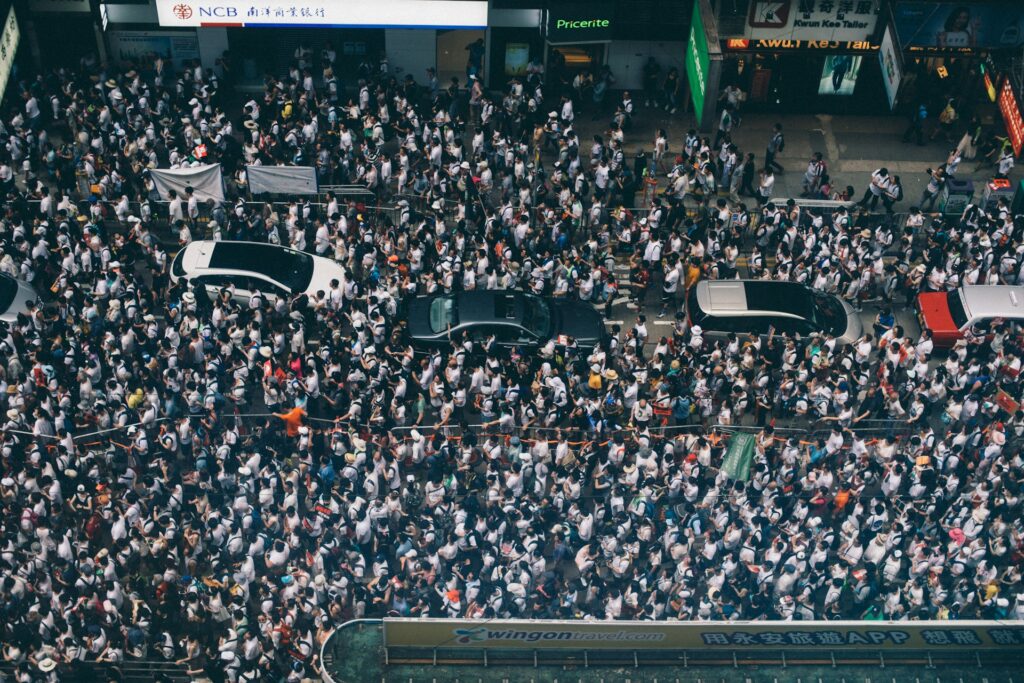
Consumption, Inequality, and Environmental Strain
One of the most striking aspects of the population debate is the role of inequality. Not all people contribute equally to environmental degradation. In fact, a relatively small portion of the global population is responsible for a large share of carbon emissions and resource use.
If everyone on Earth lived like the average person in high-income countries, we would need multiple planets to sustain that lifestyle. This highlights the importance of consumption patterns rather than population alone. Reducing waste and improving efficiency could have a significant impact without requiring drastic population changes.
At the same time, billions of people still lack access to basic necessities such as clean water, nutritious food, and reliable energy. Addressing these disparities is essential, but doing so will likely increase overall resource use unless sustainable solutions are implemented.
This creates a delicate balance. Efforts to improve living standards must be paired with strategies to reduce environmental impact. Otherwise, the combined pressure of population growth and rising consumption could accelerate ecological decline.
Can Technology Solve the Problem
Many people look to technology as the ultimate solution to population and sustainability challenges. Innovations in renewable energy, agriculture, and resource management have already made a significant difference. For example, advances in crop yields have allowed us to feed more people using less land than in the past.
However, relying solely on technology carries risks. Some experts warn that technological solutions can create a false sense of security, encouraging continued growth without addressing underlying issues. This phenomenon, sometimes referred to as the rebound effect, occurs when efficiency gains lead to increased overall consumption.
The EurekAlert study suggests that while technology can expand Earth’s carrying capacity to some extent, it cannot do so indefinitely. There are physical and ecological limits that even the most advanced innovations cannot overcome. Soil degradation, biodiversity loss, and climate change are examples of challenges that require more than just technological fixes.
Ultimately, technology should be seen as part of the solution rather than a complete answer. Sustainable practices, policy changes, and shifts in cultural values are equally important in ensuring that progress does not come at the expense of the planet.
What the Future Could Look Like
Looking ahead, the future of human population and sustainability will depend on the choices we make today. Population growth is already slowing in many parts of the world, with some countries experiencing declining birth rates. This trend could help ease pressure on global resources over time.
At the same time, urbanization and economic development are changing how people live and consume. Cities, for example, can be more efficient in terms of energy use and infrastructure, but they also concentrate demand in ways that can strain local environments.
Experts emphasize that there is no single solution to the challenges posed by population growth. Instead, a combination of approaches will be needed, including improved education, access to family planning, sustainable resource management, and changes in consumption habits.
The idea of a 2.5 billion sustainable population is not a prediction but a warning. It highlights the gap between current practices and what might be required for long-term balance. Bridging that gap will require cooperation on a global scale.
Living Within Earth’s Limits
The discussion around Earth’s carrying capacity is not about assigning blame or creating fear. Instead, it offers an opportunity to reflect on how humanity interacts with the planet. It challenges us to consider what kind of future we want to build and what sacrifices or changes might be necessary to achieve it.
One of the key takeaways from this debate is the importance of balance. Growth, whether in population or consumption, must be aligned with the planet’s ability to sustain it. Ignoring this balance could lead to consequences that are difficult to reverse.
At the same time, there is reason for cautious optimism. Human history is filled with examples of adaptation and innovation. By learning from past mistakes and embracing more sustainable practices, it is possible to create a future where both people and the planet can thrive.
In the end, the question is not just how many people Earth can support, but how we choose to live within its limits. The answer to that question will shape the world for generations to come.
Featured Image Credit: Photo by Kuba Podgórzak | Pexels
References
- United Nations. (n.d.). Population | United Nations. https://www.un.org/en/global-issues/population
- Population growth – Understanding Global Change. (2025, November 12). Understanding Global Change. https://ugc.berkeley.edu/background-content/population-growth/
- Ritchie, H., Rodés-Guirao, L., Mathieu, E., Gerber, M., Ortiz-Ospina, E., Hasell, J., & Roser, M. (2023, July 11). Population growth. Our World in Data. https://ourworldindata.org/population-growth