

He Owns $600m In Bitcoin But Forgot The Password And Now Has Only Two Chances Left
For most people, forgetting a password is a small annoyance that leads to a reset email, a security question, or a few wasted minutes before moving on with the day. For Stefan Thomas, that same mistake has stretched into a decade long ordeal that could cost him one of the largest lost fortunes in modern financial history. Thomas, an early Bitcoin pioneer and respected technologist, is locked out of a digital wallet containing 7,002 Bitcoins, now valued at roughly $609 million. The situation is terrifyingly simple and brutally final. He has only two remaining attempts to enter the correct password before the device permanently erases everything inside, leaving the fortune inaccessible forever.
What makes the story so unsettling is not just the amount of money involved, but the fact that Thomas knows exactly where it is. The Bitcoin still exists. It has not been stolen, misplaced, or transferred. It sits untouched on a secure device, protected by the very systems that once made Thomas feel confident in his decision. As Bitcoin’s value climbed from obscurity to global prominence, the pressure surrounding that forgotten password intensified. Each failed attempt narrowed his options, turning what once seemed like responsible security into a psychological weight that follows him every day, suspended between hope and irreversible loss.
Image Credit: Shutterstock
The early crypto genius who helped bring Bitcoin to the masses
Stefan Thomas is not simply someone who bought Bitcoin early and waited for it to rise in value. Long before the cryptocurrency became a cultural phenomenon, he was actively shaping how people understood it. In 2011, when Bitcoin was still widely dismissed or misunderstood, Thomas created the animated explainer video titled “What is Bitcoin?” The video quickly spread across the internet and became one of the most widely shared introductions to the concept, helping countless people grasp how decentralized digital currency worked at a time when reliable explanations were rare.
Around the same time, Thomas launched WeUseCoins.com, which grew into one of the largest educational resources for Bitcoin beginners. The website offered clear and accessible information on topics that were often confusing or intimidating, such as wallets, mining, and blockchain technology. For many early users, it served as a trusted entry point into the crypto world, free from hype and focused on understanding. His approach emphasized education over speculation, something that stood out during Bitcoin’s formative years.
Beyond education, Thomas also made lasting technical contributions to the industry. With more than 15 years of experience as an open source developer, he went on to co invent the Interledger Protocol, an open payments standard designed to connect different financial networks globally. His work consistently reflected a belief that digital currencies could reduce barriers in global finance and offer access to people traditionally excluded from the banking system.
From a tech prodigy in Germany to a crypto heavyweight in the US
Born in 1986 near Munich, Germany, Thomas showed an aptitude for coding from a young age and was writing software well before entering university. He later graduated with top honors in computer science from the Technical University of Munich, building a strong technical foundation that prepared him for emerging technologies. Even early in his career, he gravitated toward open systems and decentralized ideas, which would later align closely with Bitcoin’s core philosophy.
Thomas discovered Bitcoin around 2011, when it was still viewed as experimental and risky rather than revolutionary. Recognizing its potential early, he made the decision to move to the United States in 2012, placing himself at the center of the rapidly developing blockchain ecosystem. That move allowed him to work alongside some of the most influential figures and companies in the space during its most critical growth phase.
At Ripple, Thomas rose to become Chief Technology Officer and later served as Chair of the Interledger Foundation. During his tenure, he played a major role in projects such as Codius, a smart contracts platform, and Mojaloop, an initiative focused on improving financial access for underserved communities. Throughout his career, he consistently framed cryptocurrency as a tool for inclusion rather than a vehicle for short term profit.
How $2,000 in Bitcoin turned into $609 million
The origin of Thomas’s locked fortune can be traced back to a single transaction in 2011. He was paid 7,002 Bitcoins for creating his educational Bitcoin explainer video. At the time, that payment was worth roughly $2,000, reflecting Bitcoin’s low value during its earliest days. Few could have predicted how dramatically that number would grow in the years that followed.
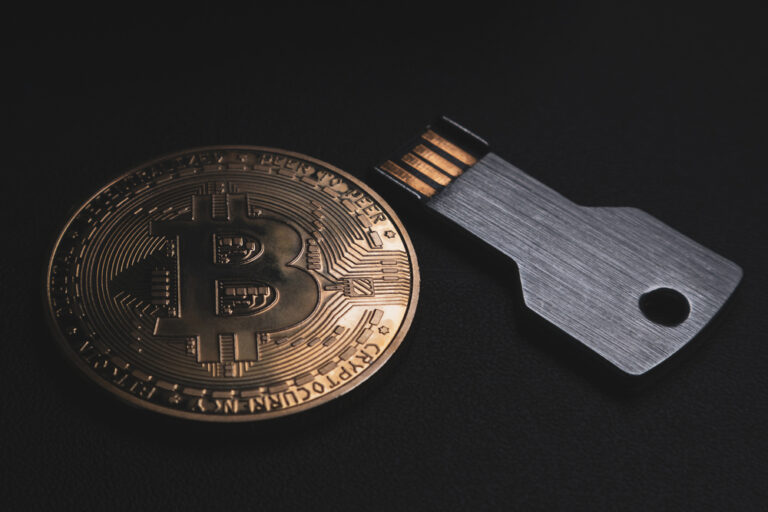
Like many early adopters, Thomas stored the Bitcoin on a hardware wallet known as an IronKey, a highly secure USB device designed to protect sensitive information. To safeguard access, he wrote the password down on a piece of paper, believing that keeping it offline was the safest option. Over time, that paper was misplaced, lost, or discarded, an oversight that seemed insignificant at the time.
As Bitcoin’s value surged over the next decade, the forgotten password transformed into a life altering problem. With Bitcoin now valued at around $87,000 per coin, the wallet’s contents have ballooned to approximately $609 million. Despite the staggering number, the wealth remains completely inaccessible, frozen behind a password that Thomas can no longer remember.
The brutal security rule that makes this situation so dangerous
IronKey devices are designed with extreme security measures intended to prevent unauthorized access at all costs. One of those protections is a strict limit on password attempts. After ten incorrect entries, the device automatically wipes itself, permanently deleting all stored data with no recovery option.
Thomas has already used eight of those attempts. That leaves him with just two chances to unlock the wallet. If both guesses are wrong, the Bitcoin will be erased forever, effectively removing hundreds of millions of dollars from circulation in an instant.
This is where cryptocurrency sharply diverges from traditional finance. There is no customer support line to call, no identity verification process, and no authority capable of restoring access. Ownership in crypto is absolute, and mistakes are permanent, a reality that many enthusiasts praise until they experience it firsthand.

Image Credit: Shutterstock
“It’s a high-stakes situation with no easy solution”
According to bit2me crypto news, Thomas has openly acknowledged the gravity of his predicament, describing it as “a high-stakes situation with no easy solution.” Over the years, he has explored nearly every option available to him, including seeking help from friends, cybersecurity professionals, and password recovery specialists.
As reported by Coinpaper, some of those efforts involved hackers who specialize in breaking into secure systems. Despite their expertise, none have been able to bypass the IronKey’s layered defenses without risking the device’s self wipe mechanism. Each attempt brings Thomas closer to a point where one wrong move could destroy everything.
The emotional toll has followed him for years. Knowing that the fortune exists yet remains unreachable has become a persistent source of stress, one that intensifies as Bitcoin continues to make headlines for its soaring value and cultural impact.

Image Credit: Shutterstock
A controversial glimmer of hope and why Thomas said no
There has been at least one moment that suggested a possible breakthrough. Cybersecurity firm Unciphered claims it developed a technique capable of simulating 200 trillion password attempts without triggering the IronKey’s self destruct function. The company reportedly contacted Thomas and offered to help retrieve the Bitcoin.
Despite the promise, Thomas declined the offer. According to reports, he had previously made verbal agreements with two other recovery teams, promising them a share of the Bitcoin if they succeeded. Introducing another party could create legal and ethical complications, especially with such an enormous sum at stake.
As of now, there is no confirmed information indicating that the IronKey has been unlocked. If it has been, experts believe the outcome would likely remain private due to security concerns and potential legal implications.

Image Credit: Shutterstock
What this story reveals about crypto’s double edged reality
Thomas’s situation highlights the fundamental trade off at the heart of cryptocurrency. While self custody allows individuals to control their wealth without intermediaries, it also removes the safeguards that exist in traditional financial systems. Security becomes both protection and prison.
The story underscores several harsh lessons. Systems designed to keep attackers out can permanently lock owners out as well. Small mistakes can grow into irreversible consequences. And in crypto, responsibility cannot be shared or outsourced.
It is estimated that millions of Bitcoins have already been lost due to forgotten passwords, discarded hard drives, and destroyed wallets. Each loss permanently reduces the total supply, making stories like Thomas’s more common than many realize.
A lesson still unfolding
For now, Stefan Thomas remains in limbo. He can attempt the final two password guesses and risk losing everything, or he can wait and hope that future technology or agreements offer a safer solution. Neither option is free from fear.
His story is not only about money. It is about memory, trust in technology, and the human cost of systems that demand perfection. As digital ownership becomes more common, Thomas’s experience stands as a stark reminder that the smallest decisions can carry consequences that last a lifetime.
Featured Image Credit: Shutterstock