

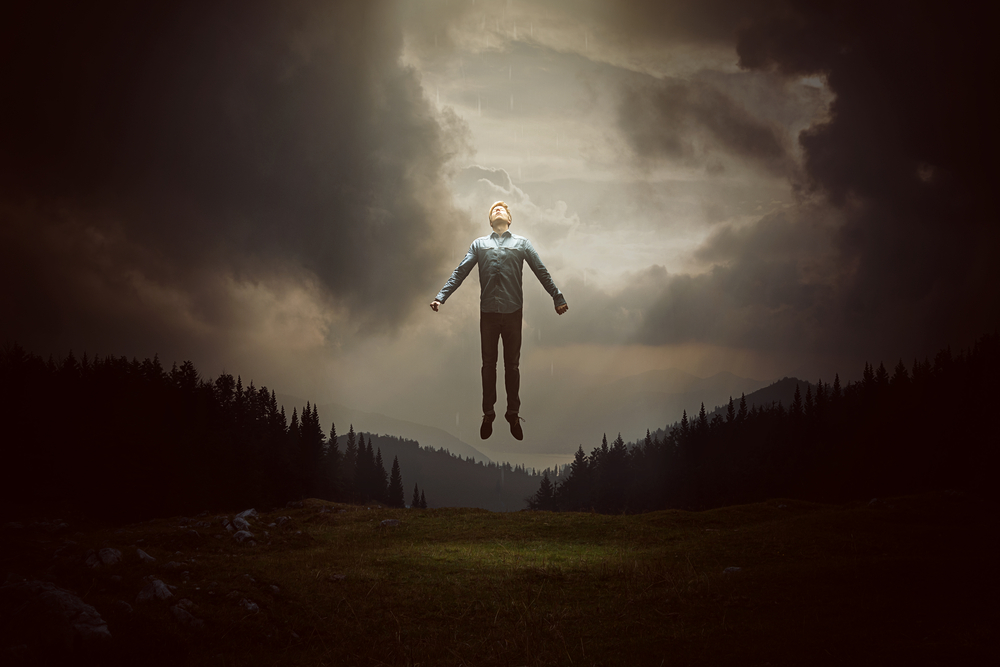
Hospital Patient’s After-Death Experience Goes Viral After They Describe What They Saw While Dead
In late 2025, one of the most talked-about stories on social media came from a remarkable first-person account shared online by a hospital patient who was reportedly declared clinically dead before being resuscitated and brought back to life. In their description of what they saw during that extraordinary moment, the post quickly went viral across Reddit, Facebook, and video sharing platforms, captivating millions with its detail, emotion, and mystery. The account didn’t just spark curiosity, it reignited a global conversation about near-death experiences and what they might mean for our understanding of consciousness, life, and possibly even what lies beyond our physical existence.
This viral narrative isn’t an isolated phenomenon. Stories of people who have “died” and then reported vivid experiences before returning to life span decades and continents. Some recount tunnels and bright lights, others describe out-of-body awareness and encounters with loved ones, and still others portray completely unique and deeply personal visions. These reports frequently challenge the boundary between science and spirituality, inspiring both awe and skepticism in equal measure.
In this article we dive into the full viral story that took the internet by storm, explore what the person claimed to have seen and felt, and look at how this fits into broader patterns of near-death experiences as studied by scientists, historians, and clinicians. We also examine how such stories resonate culturally and personally for people around the world who are fascinated by the mystery of death and what, if anything, lies beyond it.
The Viral Account That Shocked the Internet
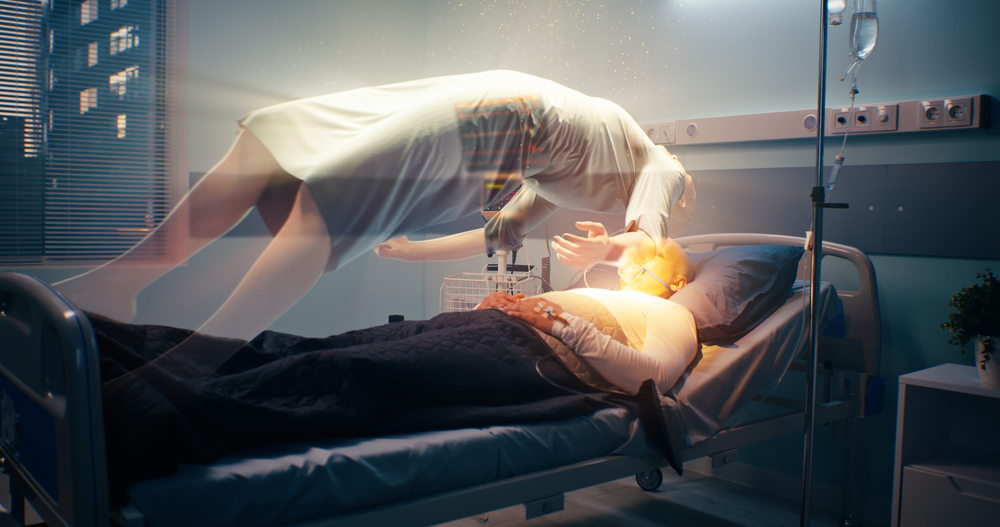
The epicenter of this viral sensation was a Reddit post in which the user who had been in a critical medical state with no heartbeat and unmeasurable vital signs described an experience unlike anything most of us could imagine. According to the account, they found themselves in a state of awareness that transcended the typical confines of consciousness, observing scenes and sensations that defy easy explanation.
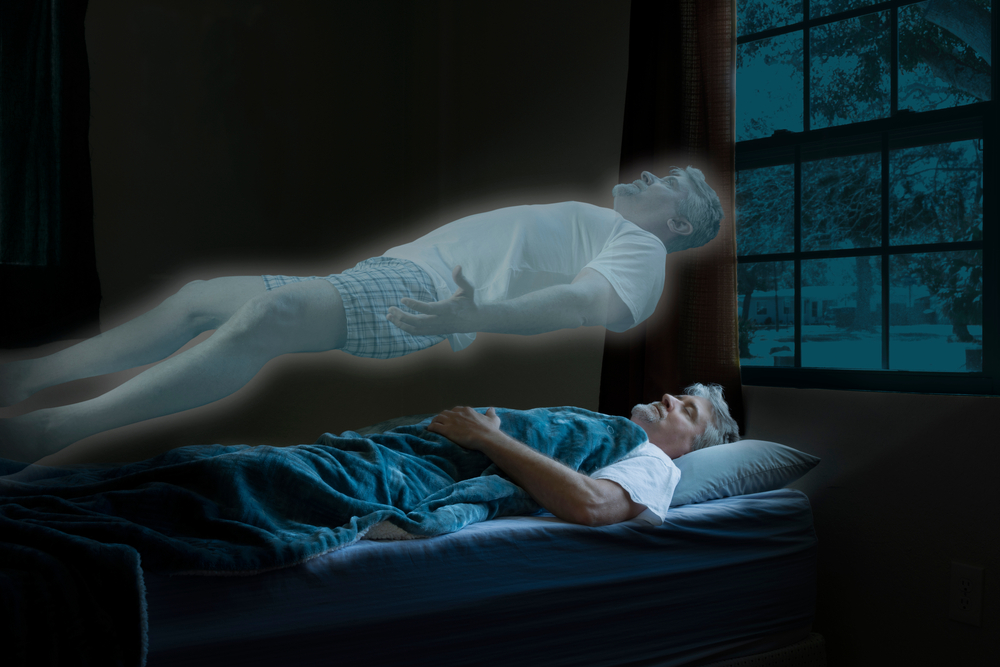
In the moments described, the individual claimed to have felt a detachment from their physical body, a sensation that many people who report near-death experiences describe as floating out of their body and observing their surroundings from afar. They recounted seeing familiar faces and a profound sense of calm that stood in stark contrast to the clinical chaos of the emergency room below. This mix of clarity, peace, and vivid imagery pushed the story to go viral almost instantly as readers shared it across platforms, each adding their reactions, interpretations, and personal reflections.
Comments from thousands of readers ranged from unequivocal belief in an afterlife to scientific skepticism, with many sharing their own or loved-ones’ near-death experience stories in response. The emotional impact was unmistakable, some readers felt comforted by the notion of a peaceful transition, while others were unsettled by the sheer unknown at the heart of such experiences.
What the Patient Claimed to See
According to the original account that circulated online, the individual reported a series of surreal and deeply personal impressions during the time when their body was clinically non-responsive. They described a brilliant sense of light and clarity, almost as if they had stepped outside the traditional boundaries of life itself and into a realm that was at once familiar and profoundly different.
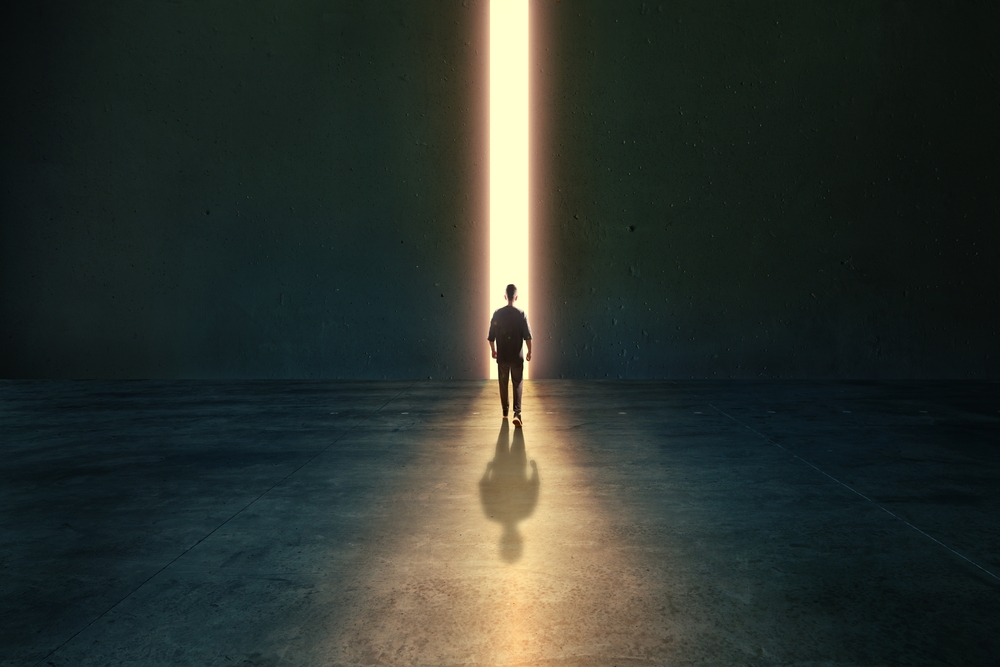
Many near-death experience stories contain recurring elements such as bright lights, feelings of peace, and encounters with deceased relatives or comforting presences often interpreted by those who experience them as spiritual or metaphysical. Other research and anecdotal reports suggest that some individuals describe sensations of moving through a tunnel, meeting beings of light, or even experiencing a life review where moments of their past flicker by in rapid succession. These patterns hint at common features across many near-death narratives.
Medical professionals and neuroscientists emphasize that brains under extreme stress, especially without sufficient oxygen can produce vivid hallucinations and memories that feel real and tangible to the person experiencing them. This could involve the release of neurochemicals or specific brain wave patterns that create powerful subjective experiences. Others interpret these accounts through different lenses, considering them evidence of consciousness beyond physical survival. The truth may lie somewhere between or beyond these interpretations, inviting profound questions about existence itself.
Near-Death Experiences: History and Perspectives
Stories of individuals returning from clinical death have been documented throughout history. In modern times, researchers have collected hundreds of firsthand accounts that exhibit striking similarities across cultures and eras. Some documented cases predate contemporary medicine, yet still share familiar themes such as light, peace, and a sense of transcendence.
One of the most famous near-death accounts is the Pam Reynolds case, where a patient undergoing a high-risk surgical operation reported detailed observations during a period when her brain activity was confirmed to be flatlined and she was clinically dead. What made this case particularly notable was her accurate description of surgical tools and conversations in the operating room details that, if accurate, would challenge conventional explanations for near-death phenomena.
Another notable figure is Betty Eadie, whose extensive written account of her near-death experience includes encounters with beings of light and profound insights about life and existence. Her narrative, like many others, blurs the lines between what science can currently explain and what remains mysterious.
Historical figures like George G. Ritchie also described experiences of leaving the body and exploring realms beyond the physical, later writing about them in memoirs that have influenced generations of readers interested in the afterlife and consciousness.
Science, Skepticism, and the Brain at the Brink
Scientifically, near-death experiences are a fertile area of debate and inquiry. Neuroscientists have studied the brain’s activity during episodes of cardiac arrest and resuscitation, sometimes suggesting that the brain remains active in specific ways even when clinical signs of life have ceased. For example, a study capturing brain wave patterns around the moment of death found coordinated neural activity that could relate to memory recall or dream-like states.
Critics argue that what people describe during near-death experiences are hallucinations caused by a brain deprived of oxygen, a surge of neurochemicals like endorphins or DMT, or the brain’s attempt to make sense of extreme stress. These theories propose that the vivid imagery and sensations are generated entirely within the nervous system rather than pointing to any continuation of consciousness beyond physical life.
At the same time, proponents of metaphysical or spiritual interpretations maintain that the consistency of many near-death experience reports suggests something more than biological quirk. They point to patterns across accounts from diverse cultures and historical contexts, suggesting that these shared elements could reflect a universal dimension of human consciousness. Whether one leans toward science, spirituality, or somewhere in between, near-death experiences remain a compelling area of human inquiry.
How People Are Reacting and Why It Matters
The viral near-death account has prompted millions of people worldwide to think about their own mortality more closely than usual. On social media platforms, readers are sharing personal experiences and speculations, and debates rage between believers in an afterlife and skeptics insisting on neurological explanations. These discussions tap into deep human fears, hopes, and the desire to understand what happens when life ends.
For many, stories like this offer comfort. The idea that consciousness could exist beyond the limitations of the body and that there might be peace or continuity after death can be deeply soothing. Others find the ambiguity unsettling, preferring definitive scientific explanations or fearing the implications of an unknown beyond. Still others are inspired to explore philosophical and existential questions they had never seriously considered before.
The story also highlights how vulnerable we all are in the face of mortality. Whether viewed through the lens of medical science, spirituality, or personal belief, near-death experiences push us to confront what it means to live, to die, and possibly to continue in some form afterward.
Where Science and Mystery Meet at the Edge of Life
The account of a hospital patient who described what they saw after being pronounced dead before being revived has captivated the world, not just for its dramatic narrative, but for the larger questions it raises about life, death, and consciousness. Whether interpreted as neurological phenomena, spiritual experience, or something entirely different, near-death stories have a remarkable power to challenge our assumptions and expand our thinking. They remind us that death is not just a medical event but a deeply human milestone that touches every culture, belief system, and individual experience.
As science advances and more stories are shared, we may get closer to understanding these experiences. But perhaps the most enduring lesson is this: the mystery of death invites us all to explore what it means to live fully and with awareness of the precious, fleeting nature of our time here.
Beyond the scientific questions and spiritual interpretations, near death accounts remind us how deeply interconnected human experiences truly are. When someone shares a moment from the edge of life, it resonates because it reflects the universal search for meaning that lives inside all of us. These stories invite a kind of collective reflection, reminding us that even with all our differences, every person wonders what lies beyond their final breath. In that shared wondering there is a rare sense of unity, a quiet recognition that the mysteries surrounding death shape the way we choose to live.
Featured Image Credit: Photo by lassedesignen | Shutterstock