

If You Hate Wearing Clothes at Home, You Might Have This Rare Inner Superpower
There is a moment that happens quietly, almost invisibly. You walk through your front door after a long day, and without thinking, you begin to peel away the layers, your shoes, your jacket, your shirt, until what remains is simply you. No labels, no expectations, no performance. It feels ordinary, almost automatic, something you have done countless times without questioning why it feels so right.

And maybe you have never thought much about it, maybe it is just comfort, maybe it is habit, but what if this small, instinctive act is revealing something deeper about your mind. Not about rebellion, not about laziness, not even about confidence, but about freedom, and possibly, intelligence.
What If Your Habits Are Trying to Tell You Something?
Most of what you do each day is not the result of conscious decisions but of patterns your brain has learned to trust. Neuroscience shows that habits are formed through repeated loops of cue, action, and reward, allowing the brain to conserve energy by automating behavior. Over time, these patterns become less about what you choose in the moment and more about how your mind is wired to respond to your environment. This means that even the smallest preferences, especially those you return to without thinking, can offer insight into how you process comfort, control, and awareness.
When you pay attention to these automatic choices, you begin to see that they are not random at all. They reflect how you regulate stress, how you seek ease, and how you create a sense of safety in your own space. Psychologists often point out that consistent personal habits can act as signals of internal alignment or tension, depending on whether they bring clarity or avoidance. In this sense, what you do when no one is watching becomes one of the most honest indicators of how you relate to yourself, not filtered through expectation, performance, or external pressure.
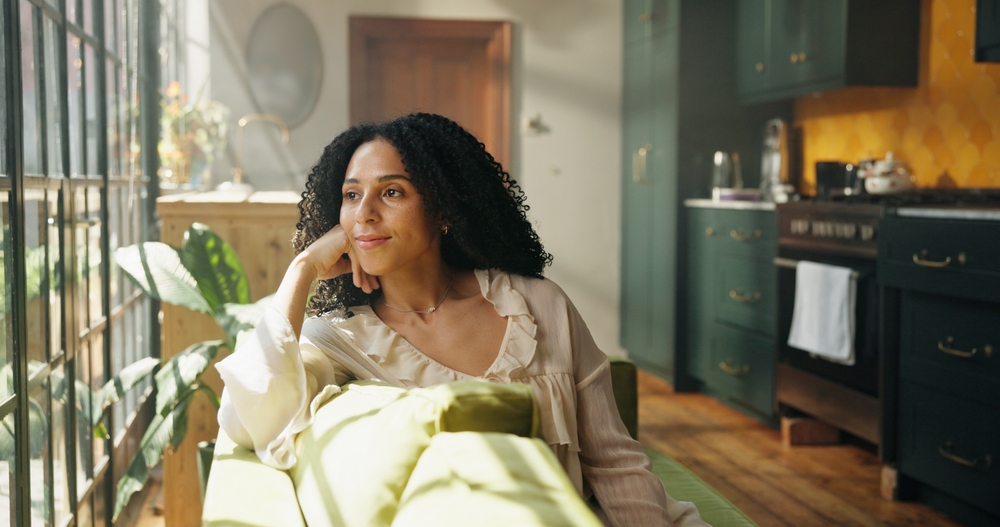
So instead of dismissing these behaviors as insignificant, it may be worth asking what they reveal about your internal world. Not in a way that overanalyzes every action, but in a way that recognizes patterns as information. Because the more aware you become of your habits, the more intentional you can be about shaping them, and in doing so, you begin to understand not just what you do, but why you do it.
The Psychology Beneath the Skin
To understand this pattern more precisely, it helps to ground it in established personality research. The Big Five personality traits remain one of the most widely validated frameworks in psychology, and openness to experience consistently stands out as a predictor of intellectual engagement, creativity, and cognitive exploration. Openness reflects a person’s tendency to engage with novel ideas, appreciate complexity, and tolerate ambiguity, all of which are linked to higher levels of intellectual curiosity and adaptive thinking. This is not about raw intelligence alone, but about how the mind chooses to interact with the world.

In the 2017 study conducted by Lewis R. Goldberg and Benjamin P. Chapman, participants were asked to report everyday behaviors, including whether they enjoyed being naked at home. The findings revealed that those who did were more likely to score higher in openness to experience, alongside other expressive behaviors such as a preference for spicy food and frequent swearing. These correlations suggest a broader pattern of behavioral flexibility, where individuals are less constrained by convention and more guided by internal preference. Importantly, this does not imply causation, but it does reinforce a consistent psychological profile of individuals who are more willing to engage with life in unconventional ways.
What emerges from this is not a statement about clothing, but about cognitive style. People who score high in openness tend to process experiences with less rigidity, allowing them to reinterpret norms rather than simply follow them. This flexibility supports problem solving, creativity, and emotional nuance, particularly in environments that require adaptation and independent thinking. In this context, seemingly minor behaviors can act as surface expressions of deeper mental tendencies, offering a glimpse into how a person navigates complexity, novelty, and self direction.
The Courage to Break Invisible Rules
Many of the expectations that shape daily behavior operate quietly through what sociologists call social conditioning, a process where norms are internalized over time until they feel natural rather than learned. Research in social psychology has long shown that people tend to conform even in private settings, not because they are being observed, but because norms become embedded in identity itself. A classic example is explored in Solomon Asch’s conformity experiments, which demonstrated how individuals align with group expectations even when those expectations conflict with their own perceptions. While those experiments were conducted in group settings, the underlying principle extends inward, shaping how people behave even when no one else is present.
Choosing differently in a private space, then, is not simply about preference but about cognitive independence. It reflects an ability to separate internal values from inherited expectations and to act without the need for external validation. Psychologists often associate this with a stronger internal locus of control, where individuals believe their actions are guided by personal choice rather than social pressure. This orientation has been linked to greater psychological resilience, improved decision making, and a clearer sense of identity, particularly in environments where norms are constantly shifting.
What makes this significant is not the act itself but the mental posture behind it. When a person is willing to examine and, when necessary, release unwritten rules, they create space for intentional living rather than automatic compliance. This is the foundation of self authorship, a concept in developmental psychology that describes the ability to define one’s beliefs and behaviors from within rather than adopting them from outside structures. In that sense, small private choices can reflect a deeper capacity to live deliberately, guided not by habit or expectation, but by awareness.
When the World Slowed Down, So Did We
The global pause during the COVID 19 pandemic did more than disrupt routines, it created a rare psychological condition where external structure was suddenly reduced. With fewer social cues to respond to, many people experienced what behavioral scientists describe as a shift from externally regulated behavior to internally guided action. Research published in Frontiers in Psychology highlights how changes in daily structure during lockdowns led individuals to reassess habits, priorities, and sources of comfort, often increasing self awareness and introspection. This environment made it easier for people to notice what genuinely contributed to their well being without the constant reinforcement of social norms.
Within this context, choices that once felt insignificant became more visible and meaningful. Without the usual performance tied to workplaces or public spaces, people began to align their behaviors more closely with personal comfort and mental ease. The reported increase in working from home without clothing and the preference for being unclothed indoors can be understood as part of this broader recalibration, where individuals explored what felt natural rather than what was expected. This was not about rejecting norms outright, but about temporarily stepping outside of them long enough to evaluate their necessity.
What makes this moment significant is that it revealed how adaptable human behavior is when external pressure is reduced. It showed that many habits are not fixed, but responsive to context, and that when given the opportunity, people often move toward choices that prioritize psychological comfort and authenticity. In that sense, the pandemic did not just slow the world down, it offered a clearer view of how people function when they are guided less by obligation and more by awareness.
The Quiet Benefits and the Question of Power
Let’s bring this back to you. Beyond personality traits and cultural differences, there are real psychological shifts that can happen when you feel at ease in your own body. In a safe and private environment, removing the pressure to present yourself a certain way can reduce anxiety, especially the kind tied to comparison and appearance. Over time, this can support a more neutral and accepting relationship with your body, not driven by judgment but by familiarity. It can also heighten sensory awareness, allowing you to feel more present and connected to your physical environment in a way that is often dulled by routine and distraction.
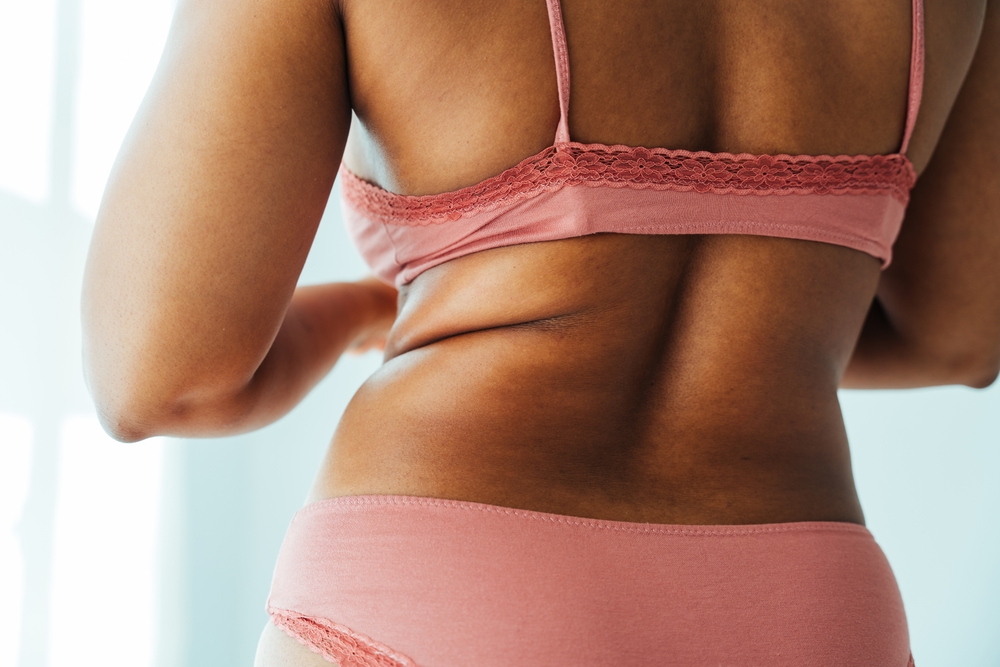
These changes are not immediate or dramatic, but they are consistent. And consistency shapes identity. The way you relate to your body often reflects the way you relate to yourself, including how you process discomfort, how you define acceptance, and how much permission you give yourself to simply exist without evaluation. This is where the deeper significance begins to emerge, not in the act itself, but in what it represents over time through repeated, quiet choices.
So no, this alone does not make someone more intelligent, but it can point to qualities that matter. The willingness to be yourself without performance, the ability to question what is necessary versus what is expected, and the awareness to choose comfort without guilt are all traits connected to personal growth and self direction. And maybe the more important question is not whether this is a superpower, but what other parts of your life are still being shaped by rules you never consciously chose.
The Deeper Invitation
This was never really about nudity, and it was never meant to be. It is about what happens when you stop performing and allow yourself to exist without the constant weight of expectation. Every day, in ways both visible and unseen, we carry layers shaped by labels, social pressure, and the quiet fear of judgment. Over time, those layers can become so familiar that they feel like part of who we are. But when you step away from them, even briefly, you begin to notice the difference between who you have been taught to be and who you actually are beneath it all.
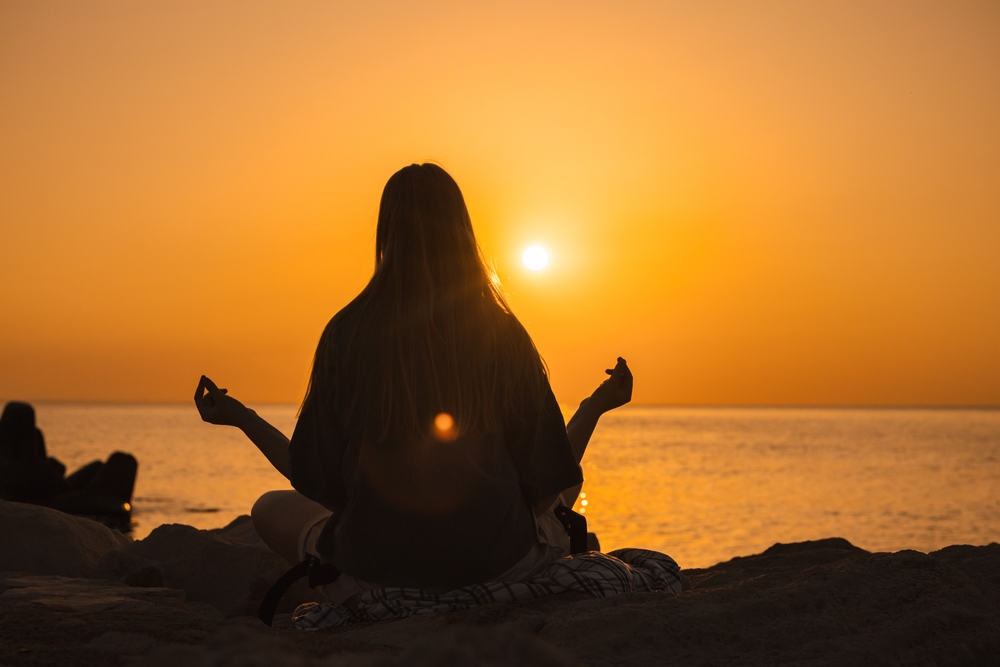
So the next time you find yourself alone, in a space where nothing is required of you, take a moment to ask an honest question. Who are you when there is no audience, no standard to meet, and no role to play. And beyond that, do you have the courage to live as that person even when the world is watching. Because intelligence is not only measured by knowledge, but by the freedom you give yourself to think independently, to feel fully, and to exist without apology. And sometimes, the clearest version of that freedom appears when you finally let go of everything you were told you had to wear.
Featured Image from Shutterstock