

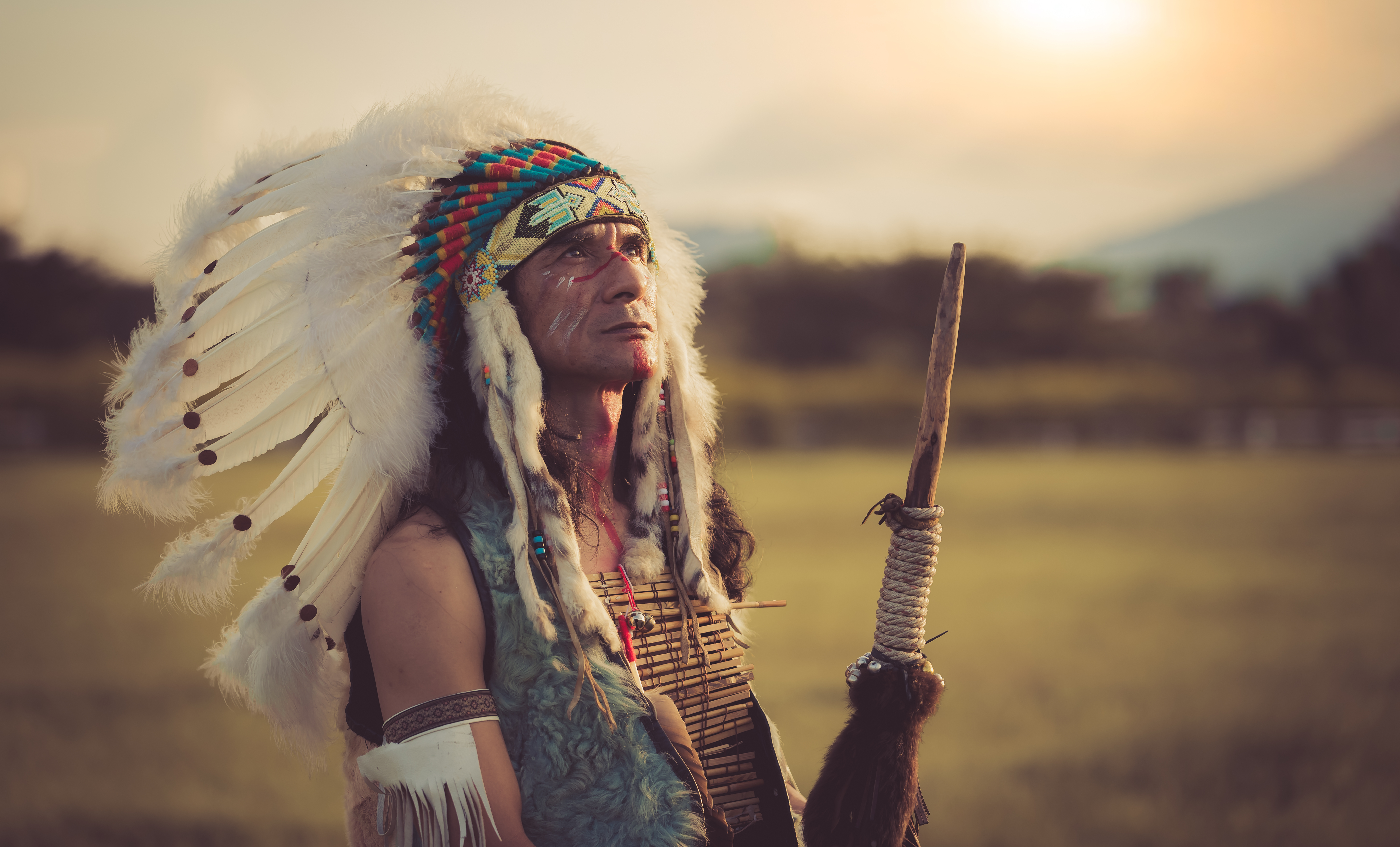
This Interactive Map Reveals Which Indigenous Lands You Call Home
Every day, we walk across pavement and soil that holds secrets we rarely stop to hear. We define our world by street signs, property lines, and country borders, often believing that history began when the first deed was signed. But beneath the concrete of your city and the floorboards of your home, there is a pulse that beats much older than the modern map suggests, waiting for you to peel back the layers of time and discover the original stewards who honored the very ground you stand on right now.
Seeing Beyond the Borders
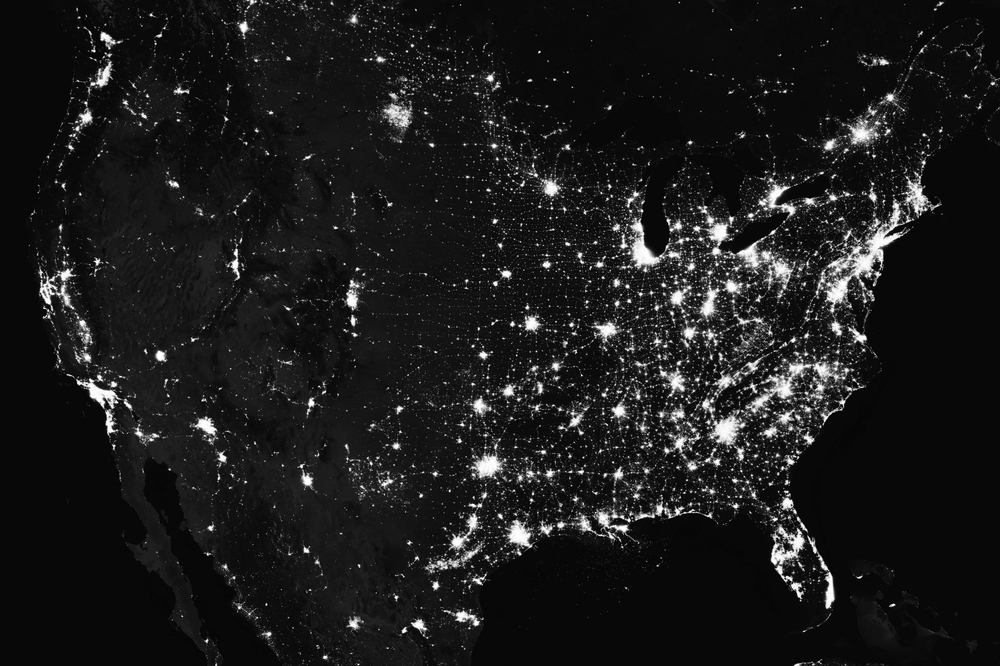
When we look at a map, we usually see borders, highways, and property lines. We see who owns what right now. But the ground beneath our feet holds a much older story, one that concrete and city grids often cover up.
A Canadian nonprofit called Native Land Digital has created a tool to help us read that story. They built an interactive globe that strips away modern political boundaries to reveal the Indigenous territories, languages, and treaties of the past. It serves as a digital bridge, connecting us to the deep history we often overlook in our daily lives.
You can try it yourself very easily. You simply type in your current address, your childhood home, or a famous location. If you search for the White House in Washington D.C., for example, the map reveals that the seat of American power rests on the ancestral home of the Nacotchtank people.
This project arrives at a vital time. With the official recognition of Indigenous Peoples’ Day in the United States, there is a growing desire to honor the original inhabitants of these lands. This map teaches us that the earth is not just dirt to be divided, bought, and sold. It is a living history book. For the first time, we have the pages open right in front of us, inviting us to see the world with new eyes.
Navigating a Complex Truth
Creating this kind of resource is not as simple as drawing lines on a page. History is fluid, moving like water rather than staying fixed like stone. The organization openly acknowledges the immense difficulty in defining boundaries for communities that existed across vast spaces and changing times. To address this, Native Land Digital relies on a mix of oral history, written documents, and community contributions to build these maps.
The platform offers specific features that help users navigate these complexities. You can zoom in and out or toggle “settler labels” to see how contemporary state lines often slice directly through traditional nations. It is a visual representation of two different worlds occupying the same space.
However, users should view these maps as a starting point rather than a final legal authority. The creators frankly admit that the project is a work in progress. In cases where historical maps conflict, they tend to err on the side of being more expansive to ensure inclusivity. They constantly update the data based on tips from users and Indigenous communities. The goal is not perfection but participation. It encourages everyone to do their own research and engage with the history themselves, moving beyond a passive glance at a screen to an active understanding of the past.
Turning Awareness into Action
Knowledge serves little purpose if it does not lead to understanding and change. This map is designed to be more than a piece of trivia; it is a toolkit for education and connection. Native Land Digital explicitly aims to build stronger relationships between Indigenous and non-Indigenous people by helping to “right the wrongs of history.”
To support this mission, the platform offers specific resources beyond just the map itself. It includes teacher’s guides and a territory acknowledgement generator, which help users respectfully recognize the original stewards of the land.
The National Museum of the American Indian suggests that acknowledging an area’s original inhabitants is a valuable process. They note that while many Indigenous people may no longer live on their specific ancestral lands, communities today “sustain their sense of belonging to ancestral homelands and protect these connections through Indigenous languages, oral traditions, ceremonies, and other forms of cultural expression.”
Using these tools allows individuals to practice land acknowledgements at the start of public or private gatherings. However, this should not be a performative act. The museum advises reaching out to local Indigenous communities for guidance to ensure these statements are accurate and respectful. By doing so, we move from simply looking at a screen to actively honoring the history and people who have shaped the world we live in.
A Timeline of Recognition
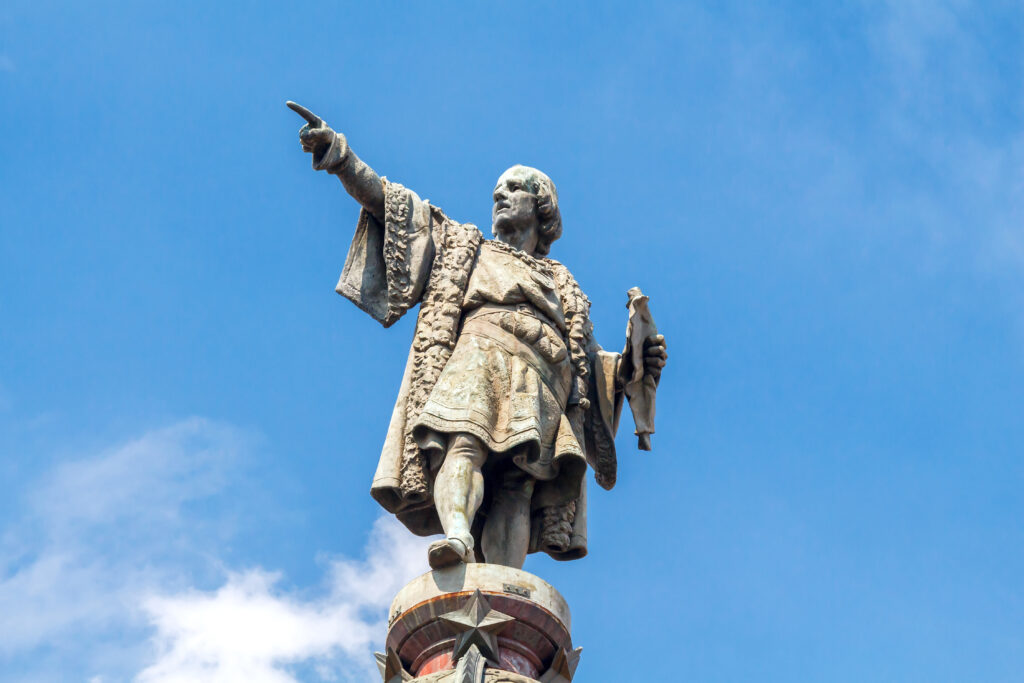
History is often written by the victors, but the narrative is finally beginning to shift. The date October 12 marks the 1492 arrival of Christopher Columbus in the Bahamas, a place originally known to the Lucayan people as Guanahani. For generations, this day was celebrated solely as Columbus Day.
However, the conversation has expanded. In 2021, President Biden became the first U.S. president to officially recognize Indigenous Peoples’ Day. This official acknowledgment mirrors a grassroots movement to honor the original stewards of the continent.
Native Land Digital emerged within this climate of change. The project launched in 2015 and formalized as a nonprofit in 2018. What started as a digital experiment has grown into a global database. From the first landfall in 1492 to the creation of this app, the timeline reveals a slow but necessary journey toward acknowledging the full truth of our past.
Honoring the Ground We Walk On
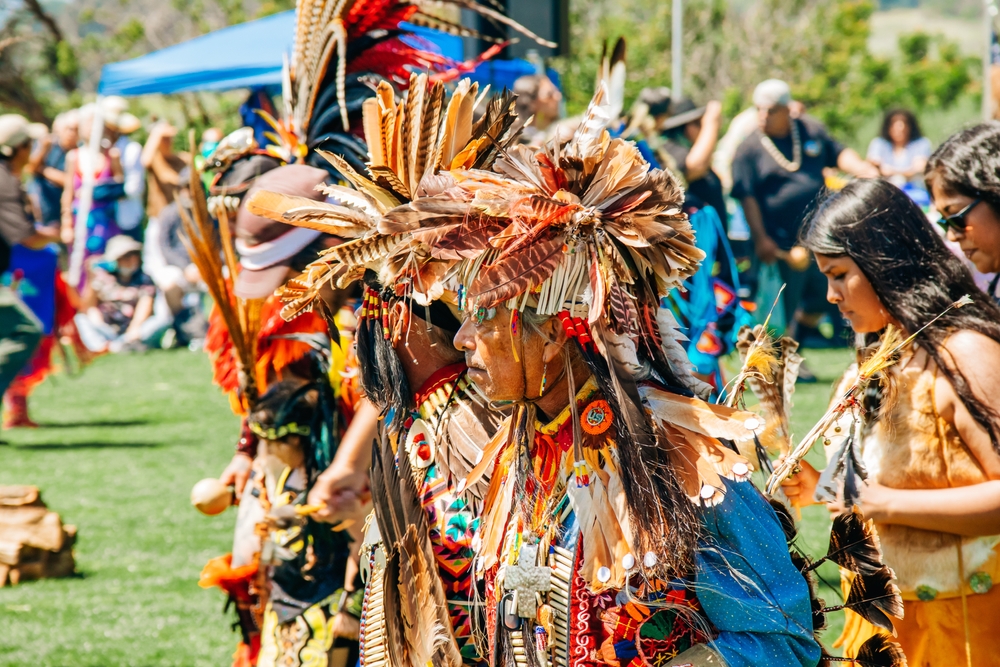
Technology often disconnects us from the physical world, but this tool achieves the opposite. It forces us to look down at the earth and recognize it as more than just real estate. As the creators at Native Land Digital remind us, the land is not merely something to be bought, sold, and exploited. It is “something to be honoured and treasured.”
This map offers a chance to change how we relate to our environment. When we type in an address, we are not just finding a coordinate on a grid. We are uncovering a legacy. We are acknowledging that long before modern cities rose, communities lived here in harmony with nature. This realization shifts our role from owners to stewards.
So, take a moment to use the map. Find out whose ancestral home you currently inhabit. Learn the names of the tribes and the languages that once echoed in your neighborhood. This simple act of awareness is a vital step toward healing old wounds. We can move forward into a better future only when we understand the past. It is time to treat the ground beneath our feet with the respect it deserves.
Featured Image Source: Shutterstock