


Loud Phone Calls Are Now Costing People Money on Trains and Stations
Public spaces have always required a delicate balance between personal freedom and shared courtesy. Over the years that balance has been tested by everything from loud music to intrusive video calls that spill into shared environments. What once felt like background noise has increasingly become a source of irritation for people simply trying to get through their day.
What once felt like a minor annoyance has gradually become a flashpoint for frustration among commuters travelers and everyday city dwellers who rely on shared spaces. From packed trains to quiet platforms the sound of one sided conversations blasting from phones has pushed patience to its limits. For many it is not just about noise but about a lack of awareness toward others.
Across parts of Europe and beyond people are now being fined for using their phones on speaker in public spaces. The move has sparked debate celebration and criticism in equal measure across social media and news platforms. For some it is long overdue while for others it feels like an unnecessary intrusion into personal habits. Either way the message is clear. Public etiquette is being enforced in new ways.

Where These Fines Are Being Issued
One of the most talked about examples comes from France where transport authorities have begun issuing fines to passengers who use their phones on speaker while riding trains. According to reporting from the BBC this rule is part of a broader effort to improve the travel experience for everyone using public transport. Officials say complaints about noise have steadily increased over the years.
French train operators have long had rules about noise levels particularly on long distance and high speed routes. These include restrictions on loud music and disruptive behavior that interferes with other passengers. Speakerphone calls are now being treated the same way as any other form of excessive noise that disrupts a shared environment.
CNN reports that these fines can amount to several dozen euros depending on the severity of the disturbance and whether the passenger complies when asked to stop. Enforcement has been especially visible on popular routes where passengers spend hours in close proximity. Authorities say repeat offenders may face stricter penalties.
The approach is not limited to trains alone. Quiet zones in stations and designated silent carriages are also being monitored more closely by staff. Authorities argue that these spaces are explicitly designed for rest work or reflection and that speakerphone calls fundamentally undermine their purpose.
Why Speakerphone Calls Became Such a Big Issue
The rise of speakerphone use did not happen overnight. As smartphones evolved call quality improved and people became more comfortable holding conversations without pressing a device to their ear. What was once a novelty gradually became an everyday habit for many users.
During the pandemic this behavior intensified dramatically. People grew accustomed to taking calls anywhere at any time often without headphones because they were primarily at home. Those habits carried over into shared spaces once restrictions eased and normal routines resumed.
VICE points out that speakerphone calls are uniquely disruptive because they include two sources of sound. The person speaking nearby and the amplified voice of someone who is not physically present combine to dominate the space. This creates a sense of intrusion that feels harder to ignore than a standard phone call.
Psychologists have also noted that humans are more sensitive to partial conversations than full ones. Hearing only fragments of dialogue can increase stress and distraction levels. In confined environments like trains buses and waiting rooms this effect becomes even more pronounced.

The Public Reaction So Far
Reaction to the fines has been swift and sharply divided. Many commuters have expressed relief and even celebration at the idea that their daily journeys might finally be quieter. Online comments sections are filled with stories of long rides ruined by loud calls and constant notifications.
For these supporters the fines are not about punishment but about restoring basic courtesy in shared spaces. They argue that public transport is a collective experience and that everyone has a responsibility to minimize disruption for others. To them the rules simply formalize common sense behavior.
Others see the policy as excessive or difficult to enforce fairly. Critics question how noise levels are judged and whether enforcement will be consistent across different regions and staff members. Some worry that misunderstandings could escalate into unnecessary confrontations.
There is also a cultural element at play. Norms around noise and personal space vary widely across countries and even cities. What feels unacceptable in one place may be tolerated in another which complicates attempts to create universal standards of behavior.
How Authorities Justify the Crackdown
Transport officials say the fines are not about controlling personal behavior but about improving overall quality of life for passengers. According to the BBC, the rules align with existing regulations that already prohibit disruptive noise. Speakerphone calls are simply being addressed more explicitly.
Authorities emphasize that passengers are usually given a warning before any fine is issued. Enforcement staff are encouraged to resolve situations calmly whenever possible. Fines are intended as a last resort for those who refuse to comply with reasonable requests.
There is also a safety dimension to the policy. Loud calls can prevent people from hearing important announcements about delays emergencies or platform changes. In busy transport hubs this lack of awareness can have real consequences for both individuals and staff.
By enforcing noise rules officials hope to create a calmer more predictable environment. They argue that small improvements in everyday experiences can have a meaningful impact on stress levels productivity and overall well being for commuters.
Are Other Countries Likely to Follow
France is not alone in grappling with issues of public noise. Cities around the world have experimented with measures to reduce sound pollution from traffic nightlife and construction. Phone use represents a newer and more personal frontier in that effort.
Some countries already have strong informal norms that discourage loud calls in public. In places like Japan commuters are expected to keep phone conversations to a minimum on trains. Enforcement relies largely on social expectations rather than financial penalties.
Experts suggest that other European cities may watch the French experiment closely. If complaints decrease and public satisfaction rises similar policies could be introduced elsewhere. Public transport authorities often share data and best practices.
However implementation would depend heavily on local attitudes and legal frameworks. Noise regulations vary widely and what is considered acceptable enforcement in one country may face strong resistance in another.

What This Says About Changing Social Norms
The fines reflect a broader shift in how societies think about shared spaces and mutual responsibility. As cities grow denser and daily life becomes more interconnected the need for consideration increases. Personal habits now have wider impacts.
Technology has made communication effortless but it has also created new challenges. The ability to broadcast personal conversations anywhere blurs boundaries that once felt clear. This has forced communities to rethink what respectful behavior looks like.
Sociologists note that etiquette often evolves in response to new tools. Just as smoking indoors gradually became unacceptable norms around phone use are now being renegotiated. These shifts rarely happen without debate or resistance.
What seems obvious to one generation may feel restrictive to another. The discussion itself is part of the social process of redefining public behavior and shared expectations.

Practical Tips for Avoiding Fines and Conflict
For travelers and commuters, the safest approach is simply being aware of your surroundings. Paying attention to who is nearby and how your actions might affect them can prevent uncomfortable situations and unnecessary conflict. By being mindful, even small adjustments in behavior can make daily journeys more pleasant for everyone sharing the space.
Using headphones or earbuds when taking calls in public is an easy way to minimize disturbance. These tools allow you to communicate without broadcasting your conversation to everyone around you, helping to maintain a calm and respectful environment. It also ensures that others can focus or relax without being interrupted by unintended noise.
Stepping outside or moving to designated areas for longer conversations is another simple habit that can prevent conflicts. Taking a moment to find a quieter spot respects others’ need for peace and shows consideration for shared spaces. This approach allows you to handle personal matters while keeping communal areas comfortable for all.
Keeping call volume low and avoiding speaker mode in enclosed environments is a small yet effective step. Even casual conversations can become disruptive when amplified, and lowering the volume demonstrates awareness of those around you. Observing posted rules and following staff instructions further supports a harmonious environment and helps avoid unnecessary fines or confrontations.

A Quiet Reminder About Shared Spaces
At its core, the issue is not really about phones but about coexistence. Public spaces require compromise, patience, and empathy from everyone using them. These fines serve as a reminder that individual convenience should not outweigh collective comfort, and that small actions can make a noticeable difference in shared environments.
While enforcement may feel strict to some, it also highlights a growing recognition of mental and sensory well-being. Reduced noise is increasingly seen as a public good rather than a luxury, something that benefits everyone navigating busy urban spaces. Awareness of how our habits affect others is becoming part of modern social responsibility.
As cities continue to adapt to modern life, rules like these may become more common and widely accepted. Whether through formal penalties or evolving social norms, expectations of courtesy are being reinforced in ways that reflect a more mindful approach to community living. Small adjustments by individuals can create environments that feel calmer, safer, and more respectful for everyone.
In the end, the debate invites reflection on how we want our shared spaces to feel. It challenges each of us to consider the impact of our actions and encourages small changes in daily routines that improve the experience of all. By fostering awareness and consideration, communities can create spaces that are both functional and pleasant for everyone.
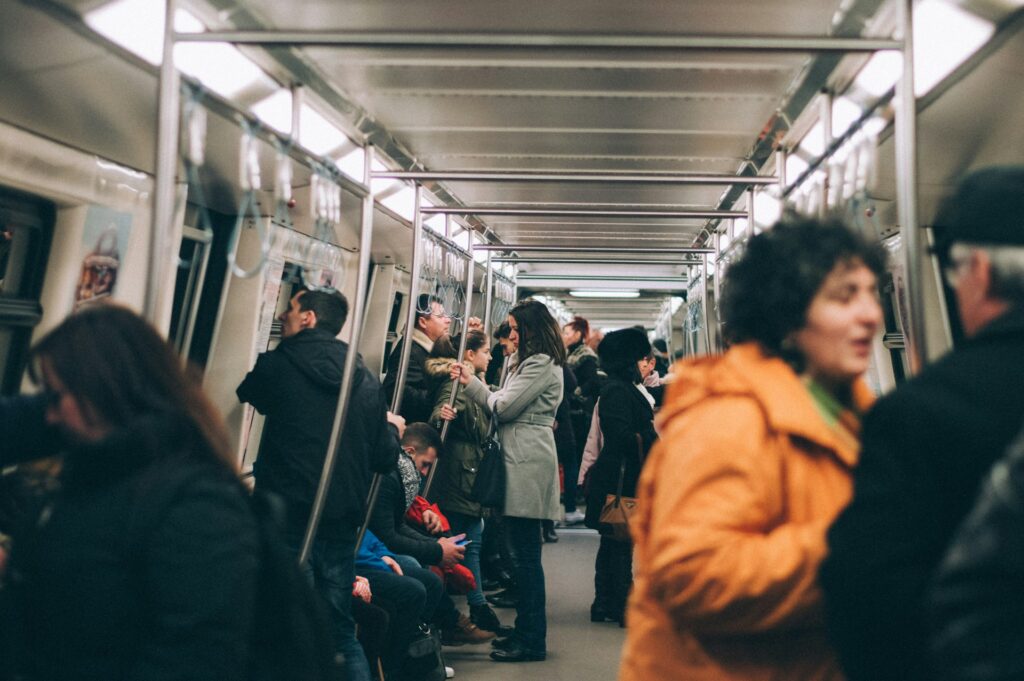
Featured Image Credit: Photo by Dmytro Hai | Shutterstock