

Three Nations Unite to Protect the Great Maya Forest
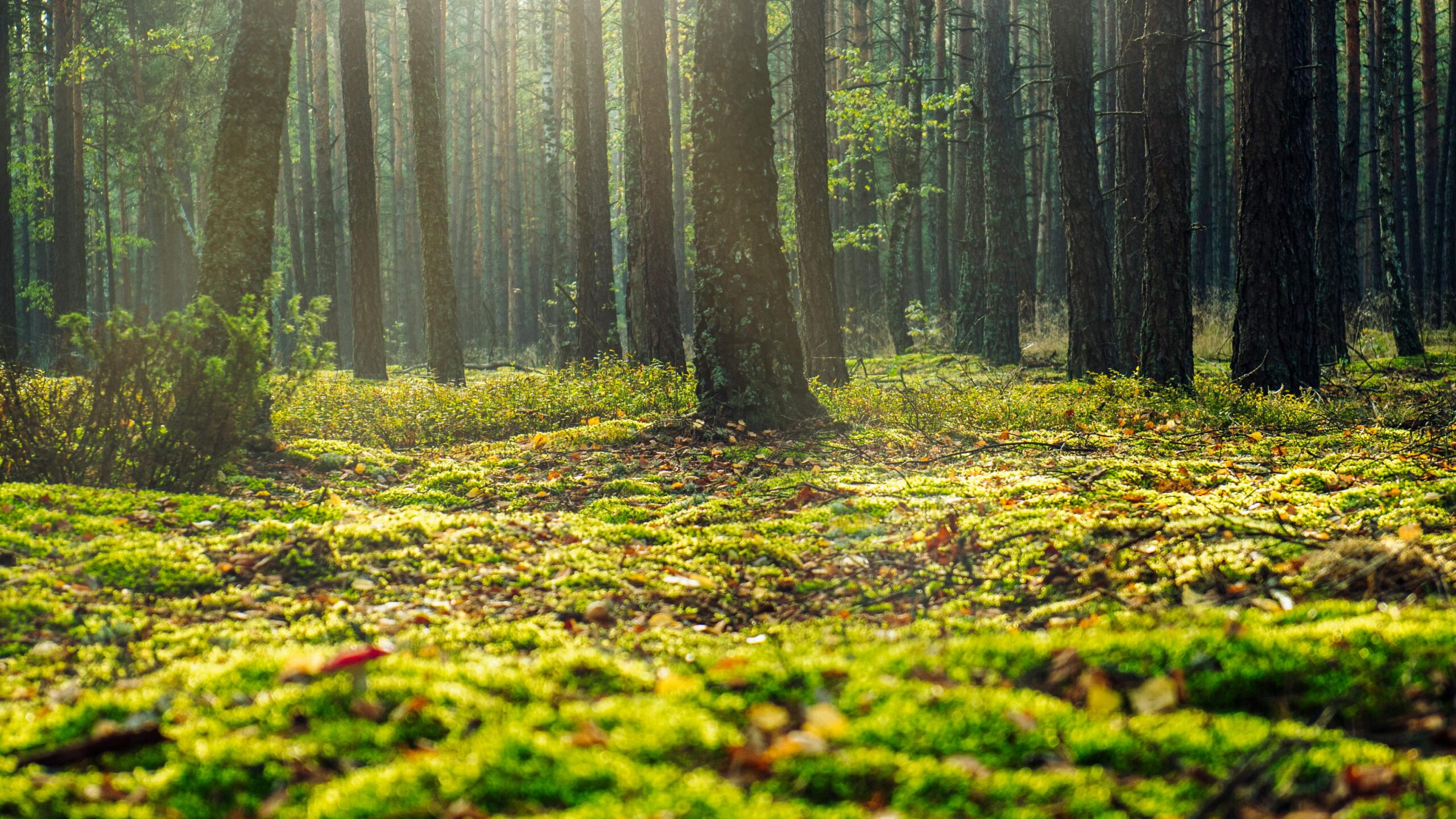
In a rare moment of environmental unity across borders, Mexico, Guatemala, and Belize have announced the creation of a vast tri national nature reserve designed to safeguard one of the most biodiverse regions in the Americas. Spanning 5.7 million hectares, or roughly 14 million acres, the newly declared Great Maya Forest Biocultural Corridor connects protected lands across all three countries in what leaders are calling a historic conservation breakthrough.
The agreement, signed near the ancient archaeological site of Calakmul, signals a coordinated effort to protect tropical rainforest ecosystems that have survived for thousands of years. It also arrives at a complicated time. Even as leaders pledged to preserve the jungle, discussions continued around expanding Mexico’s controversial Maya Train project into neighboring nations.
A Forest That Rivals the Amazon in Ecological Importance
Often described as the second largest tropical rainforest in the Americas after the Amazon, the Maya Forest stretches across southern Mexico, northern Guatemala, and Belize. While smaller than the Amazon basin, it holds extraordinary biological richness within a more compact area. Scientists estimate that approximately 7,000 species inhabit this ecosystem, with around 200 currently at risk of extinction.
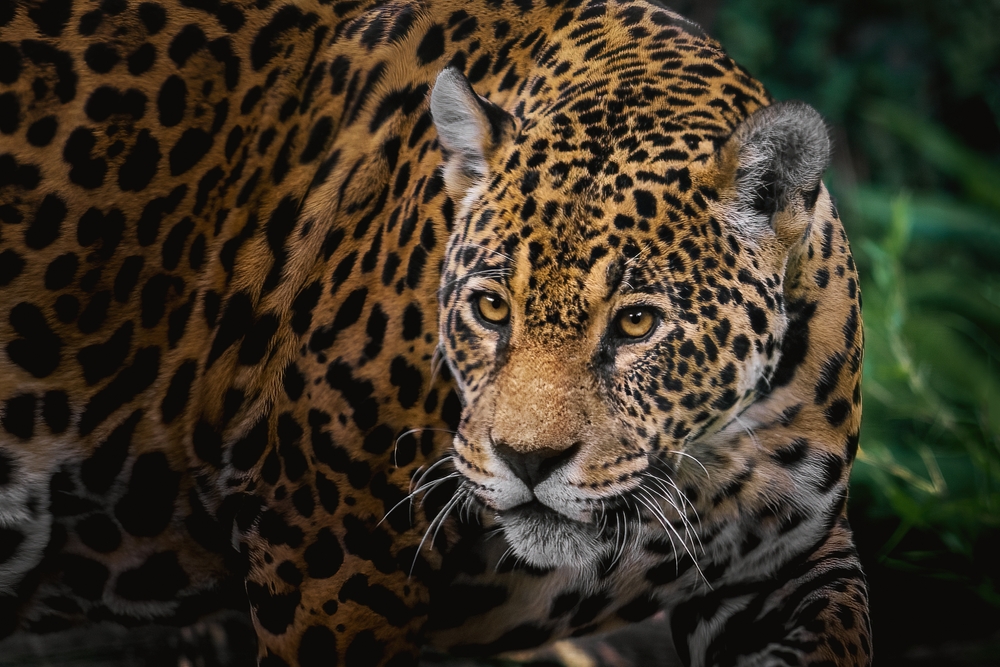
This forest is home to one of Central America’s healthiest jaguar populations. It also shelters spider monkeys, Baird’s tapirs, pumas, white lipped peccaries, and the resplendent quetzal. In Mexico’s Calakmul region alone, researchers have recorded more than 350 bird species and nearly 100 mammal species. The forest supports an estimated 80 percent of the plant diversity found across the Yucatán Peninsula.
Tropical forests like this one are more than wildlife sanctuaries. They act as carbon sinks that absorb greenhouse gases, regulate rainfall cycles, stabilize soils, and filter freshwater systems. As climate change intensifies droughts and extreme weather patterns across Central America, preserving intact forest landscapes becomes a frontline climate strategy rather than simply a conservation goal.
The corridor connects 50 existing protected areas, including Calakmul Biosphere Reserve in Mexico, Mirador Río Azul National Park in Guatemala, and extensive reserves across Belize. By linking these landscapes into a coordinated system, the three governments aim to maintain habitat connectivity essential for wide ranging species such as jaguars, which require large territories that frequently cross national boundaries.
Why This Agreement Is Being Called Historic

Mexican President Claudia Sheinbaum described the agreement as historic during the signing ceremony. It marked the first time the three heads of state formally convened to focus collectively on environmental cooperation in this region. The Calakmul Biocultural Corridor Declaration commits the nations to share information, technology, and training in areas such as fire management, anti logging enforcement, and sustainable forestry.
The corridor spans approximately 2.4 million hectares in Mexico, 2.7 million hectares in Guatemala, and 600,000 hectares in Belize. Around two million people live within this broader landscape, many of them Indigenous Maya descendants whose communities have stewarded these forests for centuries.
Importantly, the agreement emphasizes the concept of a biocultural corridor. Leaders framed the initiative not only as ecological preservation but also as cultural protection. The jungle contains some of the most significant archaeological remains of ancient Maya civilization, including monumental pyramids and ceremonial centers that draw visitors from around the world.
By recognizing living Indigenous communities as guardians of nature, the declaration signals an effort to integrate traditional ecological knowledge into modern conservation planning. This approach reflects a broader shift in global environmental policy that acknowledges Indigenous land management practices as critical to biodiversity protection.
The Shadow of the Maya Train
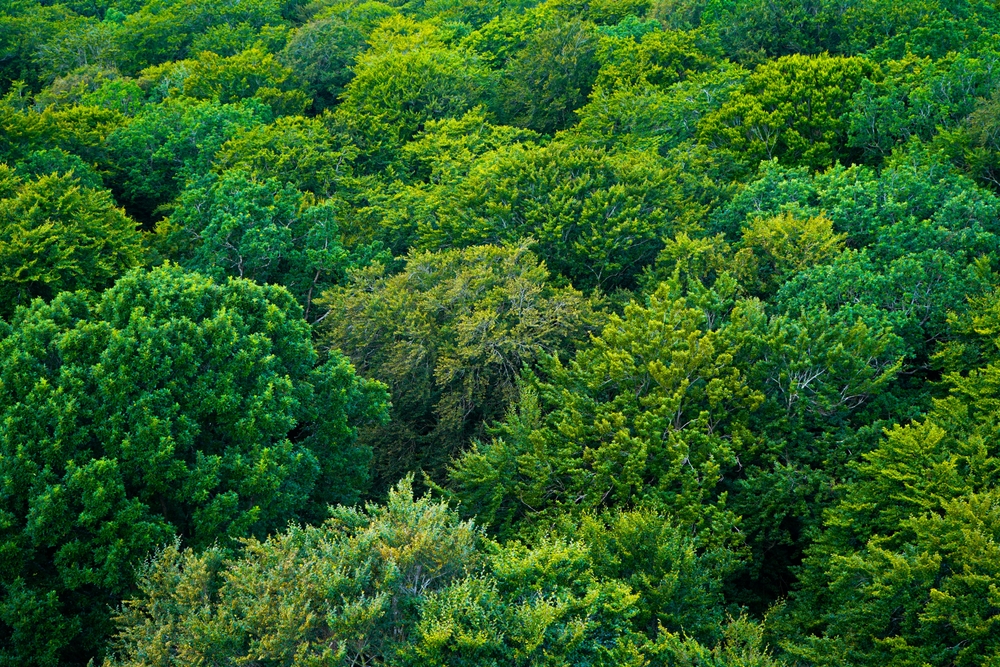
Despite widespread celebration, the announcement unfolded against the backdrop of ongoing controversy surrounding Mexico’s Maya Train project. The thousand mile railway, built to connect Caribbean tourist hubs with inland archaeological and jungle regions, has drawn criticism for its environmental footprint.
During four years of construction, authorities acknowledged that roughly 7 million trees were cut down. Environmental groups argue that sections of the railway sliced through sensitive jungle habitats and damaged fragile cave systems that serve as vital freshwater sources.
Mexico’s previous administration accelerated construction without comprehensive environmental impact assessments, leading to legal challenges and protests from conservationists. President Sheinbaum has continued to support the project, including proposals to extend the train into Guatemala and Belize as a way to stimulate economic development in rural areas.
Guatemalan President Bernardo Arévalo has made clear that any extension would not pass through protected areas in his country. He has insisted on comprehensive environmental studies and has explored alternative routing options that would loop around sensitive forests rather than cut directly through them. Belizean Prime Minister Johnny Briceño has similarly emphasized sustainable development and regenerative tourism as guiding principles.
The central tension remains unresolved. Can infrastructure expansion coexist with meaningful conservation commitments? The answer will depend on how rigorously environmental safeguards are enforced and whether economic incentives align with long term ecosystem health.
On the Ground: Rangers, Technology, and Cross Border Patrols
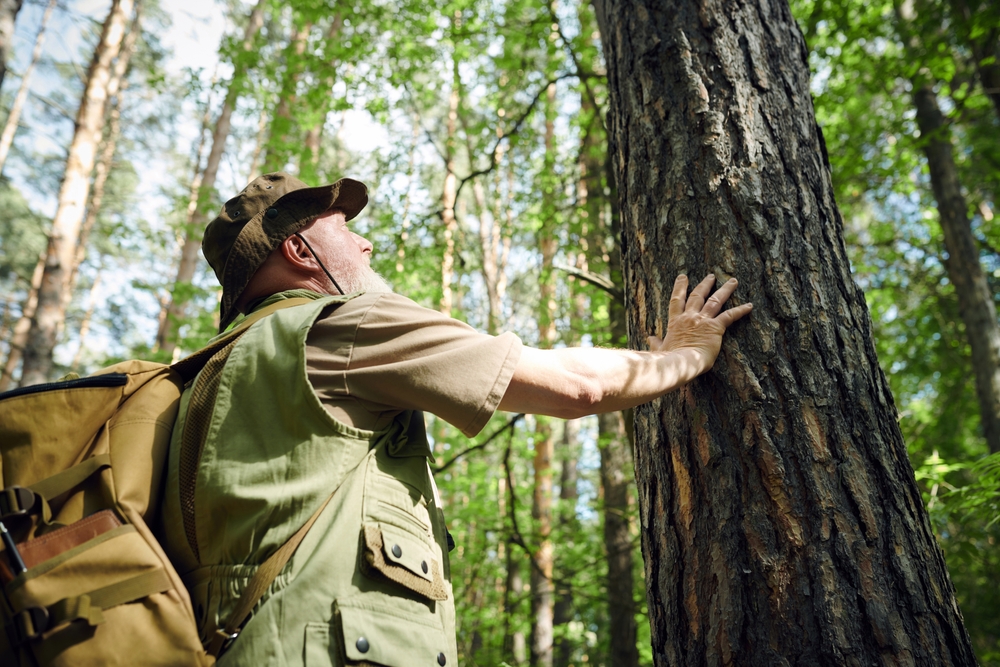
While high level declarations capture headlines, much of the real conservation work unfolds in remote forest camps and along porous borders. Organizations such as Global Conservation have spent years supporting anti poaching units and community ecoguards across the region.
In Guatemala’s Mirador Río Azul National Park, rangers recently stopped groups attempting to mark and invade protected lands along the Mexico Guatemala border. Patrol teams destroyed illegal boundary markers and dismantled hunting camps discovered during multi day expeditions conducted under heavy rain.
Collaborative patrols now bring together rangers from Mexico, Guatemala, and Belize at strategic border points such as Tres Banderas. These joint operations signal a practical embodiment of the corridor’s cooperative vision.
Technological upgrades are also part of the strategy. Plans include enhancing solar energy systems in ranger camps with lithium battery storage, deploying drones equipped with infrared sensors to monitor high risk border areas, and expanding the use of digital monitoring tools such as SMART and Earth Ranger systems. These technologies allow authorities to track illegal logging, wildlife trafficking, and land clearing activities with greater precision.
Financial support from foundations, international donors, and national governments has strengthened mobility and infrastructure, including the overhaul of patrol vehicles and the acquisition of new all terrain vehicles. Though less visible than summit declarations, these investments are critical to translating policy into protection.
Biodiversity Under Pressure
The Maya Forest faces numerous threats beyond infrastructure development. Illegal logging remains persistent, particularly in border regions where enforcement can be challenging. Agricultural expansion continues to fragment habitats, while organized criminal networks sometimes exploit remote areas for land grabbing and resource extraction.
Climate change compounds these pressures. Over the past decade, the region has experienced reduced rainfall and prolonged dry seasons, increasing the risk of forest fires. Drought stress weakens trees and alters ecosystems that evolved under relatively stable tropical conditions.
Scientists warn that fragmentation poses one of the gravest risks to species such as jaguars. Although the region holds one of the highest jaguar densities in the world, poaching and habitat loss threaten long term viability. Estimates suggest that around 500 jaguars inhabit parts of the Calakmul landscape, making it one of the last strongholds capable of sustaining a stable population.
Protecting corridors that allow wildlife to move freely across borders helps maintain genetic diversity and resilience. Without connected habitats, isolated populations can decline even within nominally protected areas.
Cultural Heritage at the Heart of Conservation
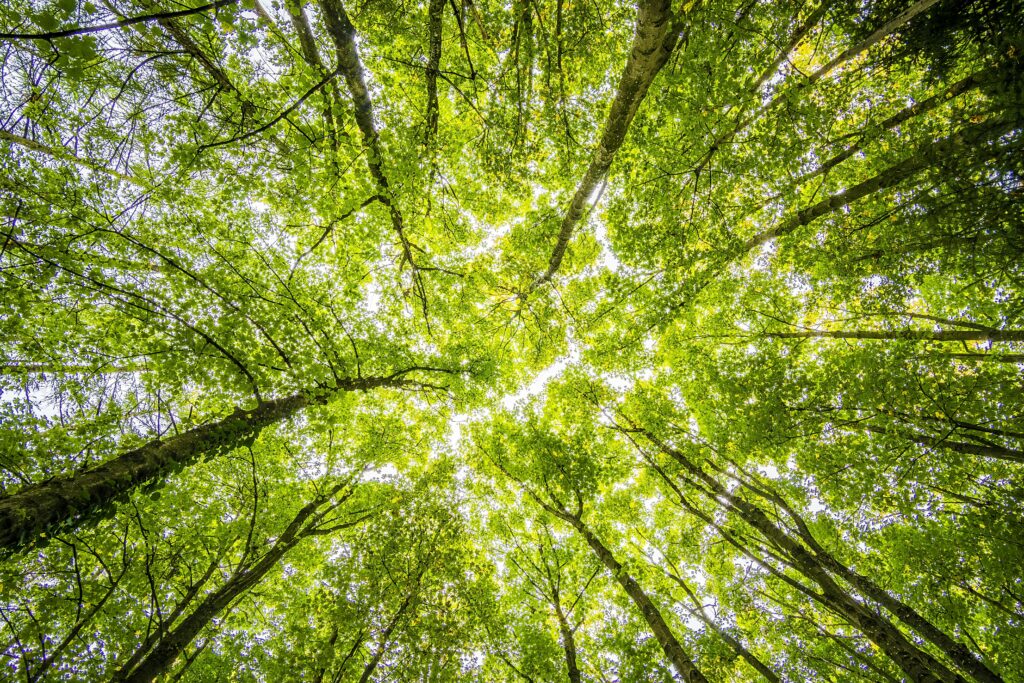
The Great Maya Forest is not an empty wilderness. It is a living cultural landscape layered with history. The towering pyramids of ancient Maya cities rise above the canopy, drawing scholars and tourists alike. Yet beyond the ruins, present day Maya communities maintain agricultural traditions, spiritual practices, and forest knowledge that trace back generations.
Leaders emphasized that the corridor seeks to honor both ecological and cultural heritage. Sustainable timber harvesting, honey production, and community led ecotourism offer income streams that align with conservation objectives. When local livelihoods depend on intact forests, protection becomes a shared interest rather than an imposed restriction.
Belize’s Maya Forest Trust, which manages one of the country’s largest remaining tropical forest blocks, demonstrates how monitoring, enforcement, and community engagement can reinforce one another. In marine environments, similar principles guide efforts at places such as Turneffe Atoll, where surveillance and patrol operations aim to safeguard coral ecosystems that are equally vulnerable to climate change.
Integrating terrestrial and marine protection strategies reflects a holistic understanding of environmental systems. Forests influence water cycles that ultimately affect coastal and marine habitats. Conservation in one sphere strengthens resilience in another.
Economic Development Versus Ecological Limits
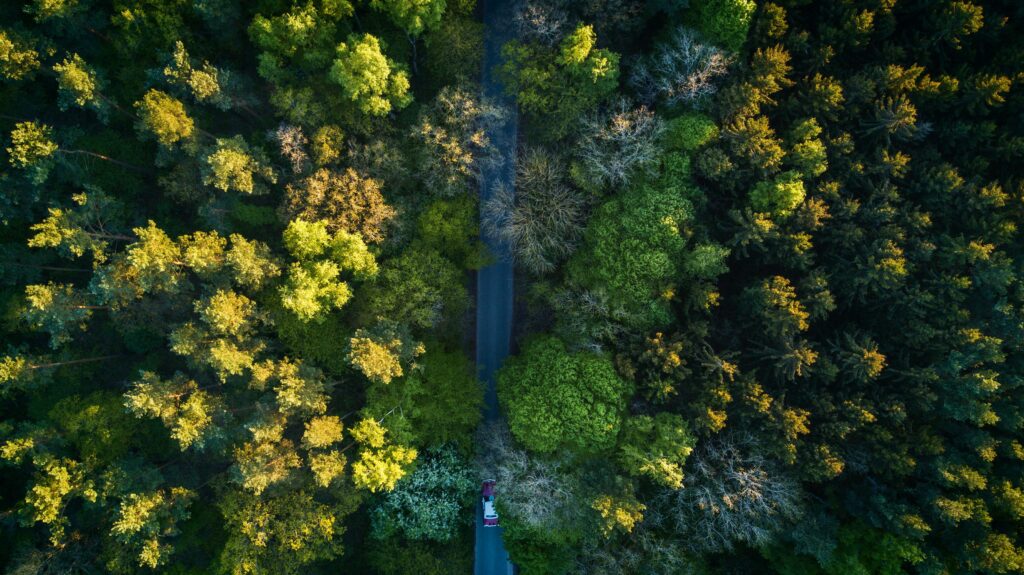
For governments across Latin America, development pressures are intense. Rural regions often struggle with poverty, limited infrastructure, and few employment opportunities. Projects like the Maya Train are promoted as engines of growth that can attract tourism, create jobs, and integrate isolated communities into national economies.
Supporters argue that improved connectivity could reduce inequality and provide alternatives to illegal activities such as logging or poaching. Critics counter that short term economic gains may undermine long term ecological stability if environmental safeguards are weak.
The newly declared corridor places these competing visions side by side. On one hand, leaders pledged to preserve one of Earth’s vital ecological lungs. On the other, they explored expanding a railway that has already reshaped parts of the forest landscape.
Whether the corridor becomes a transformative conservation model or a symbolic gesture will depend on implementation. Clear zoning rules, transparent environmental assessments, community consultation, and strict enforcement will be essential. International scrutiny and funding could also influence outcomes, as global climate finance increasingly prioritizes forest protection.
A Model of Regional Cooperation in a Fragmented World
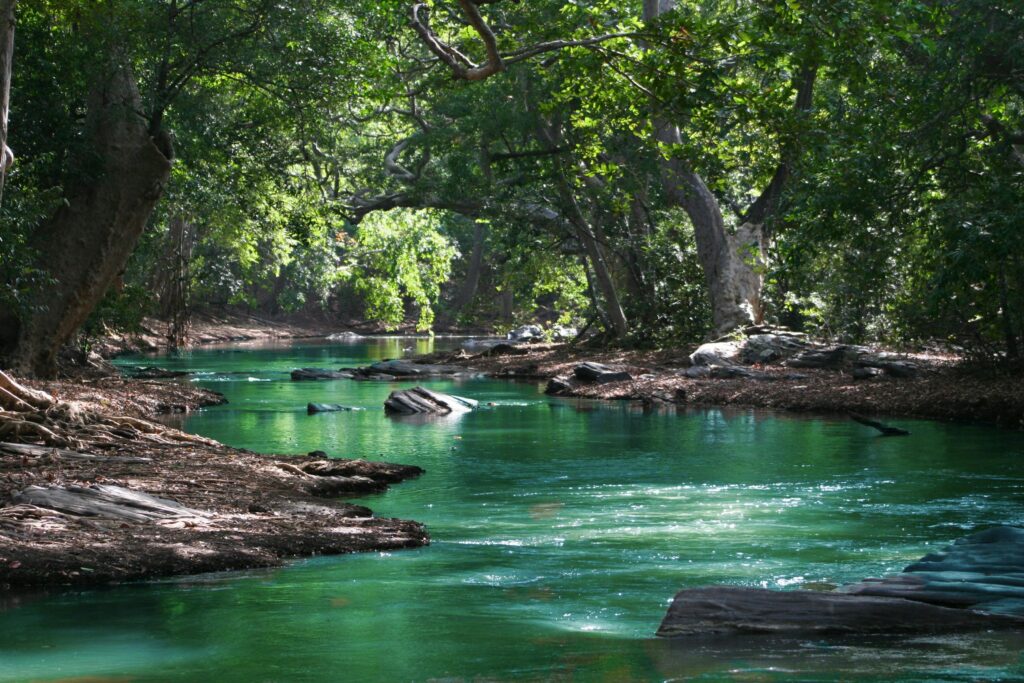
Beyond its ecological implications, the tri national agreement carries diplomatic significance. Central America often grapples with political tensions, migration pressures, and economic disparities. Joint environmental governance offers a platform for cooperation rooted in shared natural heritage.
By aligning policies across borders, the three nations can standardize monitoring systems, coordinate law enforcement, and pool scientific research. Wildlife does not recognize political boundaries, and neither do many environmental threats. Fire outbreaks, illegal trade networks, and climate impacts spill across lines drawn on maps.
International conservation experts view such corridors as essential tools for meeting global biodiversity targets. As the world works toward ambitious goals to halt species loss and reduce carbon emissions, intact tropical forests represent irreplaceable assets. Protecting them through collaborative governance may prove more effective than isolated national efforts.
A Promise That Must Be Kept
The creation of the Great Maya Forest Biocultural Corridor is an important first step, but the real work begins now. Leaders still need to finalize how it will be funded, managed, and protected over the long term. Success will depend on steady commitment, not just public announcements.
Environmental groups support the plan but stress that strong enforcement is key. The forest will need reliable monitoring to quickly detect illegal logging, land clearing, and wildlife trafficking. Local communities also want a meaningful voice in decisions, since they live closest to the land and depend on it every day.
The Maya Forest has survived for thousands of years, supporting wildlife, culture, and entire civilizations. Protecting it today means making careful choices about development and conservation. If promises are upheld, this cross-border effort could become a powerful example of cooperation in a time when environmental progress often feels out of reach.
By working together, Mexico, Guatemala, and Belize are sending a clear message about the future they want to build—one where forests are valued not as obstacles, but as essential to stability, culture, and life itself.
Featured Image Source: Shutterstock