

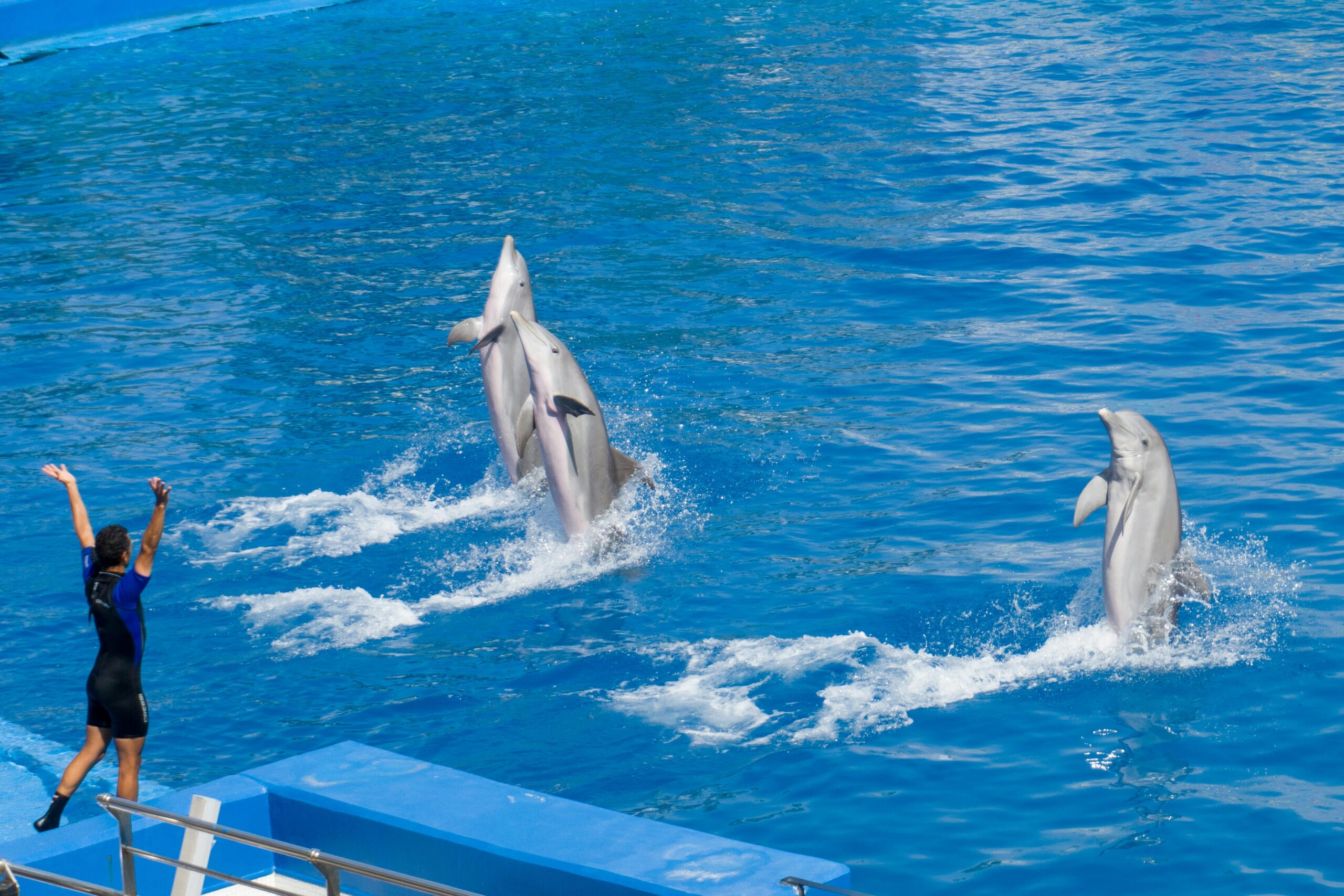
Mexico Ends Dolphin Shows And Relocates 350 Captive Marine Mammals
For decades, dolphins leapt through hoops in hotel pools and performed choreographed tricks to applause from tourists who believed they were witnessing joy. In reality, many of those animals had been taken from the open ocean and placed into concrete tanks built for profit. Now, in a decision that is sending shockwaves through the global tourism industry, Mexico has banned marine mammal shows and ordered the relocation of roughly 350 captive dolphins to seaside sanctuaries.
The legislation, passed with overwhelming support in both chambers of Congress and endorsed by President Claudia Sheinbaum, marks one of the most comprehensive crackdowns on dolphin entertainment in the world. Facilities that once relied on swim with dolphin programs and ticketed shows are being required to cease operations and transition the animals into environments designed to resemble natural ocean habitats.
While the dolphins are not being released directly into the open wild in the immediate sense, the law mandates their transfer from confined concrete tanks into sea pens and open water sanctuaries where they will no longer perform or be bred for commercial purposes. For campaigners who have spent decades exposing the hidden suffering behind smiling marine park advertisements, this moment feels historic.
A Landmark Law That Changes the Industry
Mexico has long been one of the busiest hubs for dolphin tourism. Across resort destinations such as the Riviera Maya and other coastal regions, marine parks operated as major attractions, drawing millions of visitors each year. The economic footprint of these facilities was substantial, generating tens of millions of dollars annually and partnering with luxury hotels to offer premium animal encounters.
That era has now come to an abrupt halt. The newly approved amendment to Mexico’s General Wildlife Law strictly prohibits the use of marine mammals for entertainment. Dolphin performances, therapy programs, interactive swims, traveling exhibitions, and captive breeding initiatives are now banned nationwide. Wild capture is also prohibited.
Approximately 30 facilities across the country are affected. An estimated 350 dolphins remain in captivity, and each must be relocated to a seaside sanctuary within an 18 month timeframe. These sanctuaries are designed to provide flowing seawater, greater space, and enriched environments that allow the animals to express more natural behaviors.
The legislation also mandates strict welfare oversight. Authorities are responsible for monitoring compliance, ensuring that facilities meet species specific standards, and imposing penalties for violations. Unlike previous reforms that critics say were weakly enforced, this measure passed unanimously in the Senate and received strong backing in the Chamber of Deputies, signaling rare political consensus.
Animal protection organizations have described the vote as a decisive turning point. Humane World for Animals Mexico called it a major stride forward in wildlife protection. Campaigners emphasized that this is not merely a symbolic gesture but a structural dismantling of an entire entertainment model built on confinement.
The Hidden Reality Behind Dolphin Shows
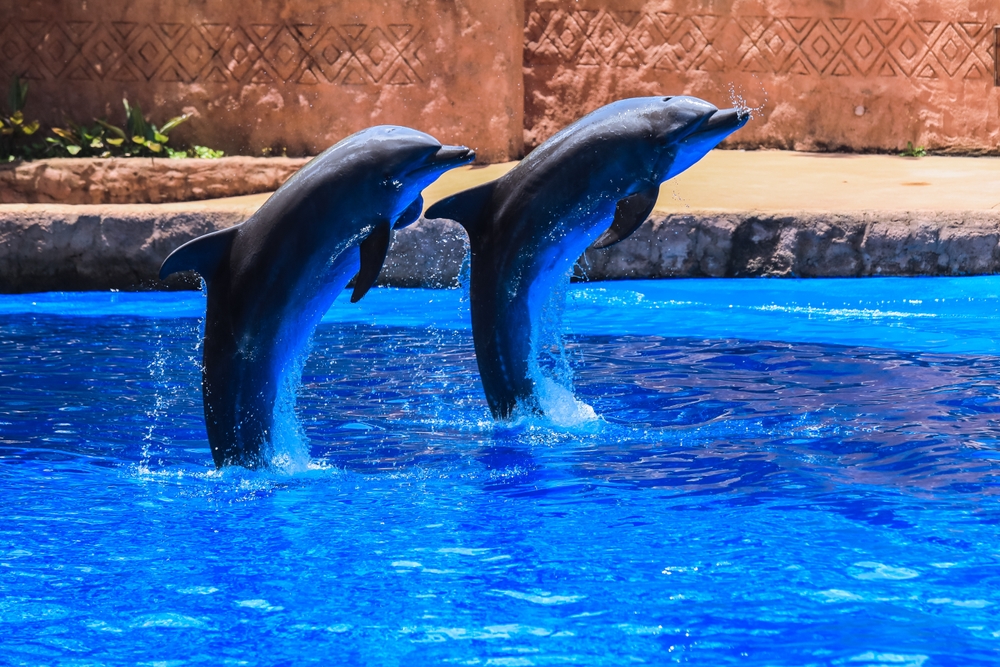
For years, swim with dolphin experiences were marketed as magical and educational. Promotional images showed children laughing as dolphins appeared to grin beside them. Trainers described the animals as ambassadors for conservation.
Investigations and documentaries such as The Cove and Blackfish challenged that narrative. They revealed the brutal capture methods used in earlier decades and the psychological toll of confinement on highly intelligent marine mammals.
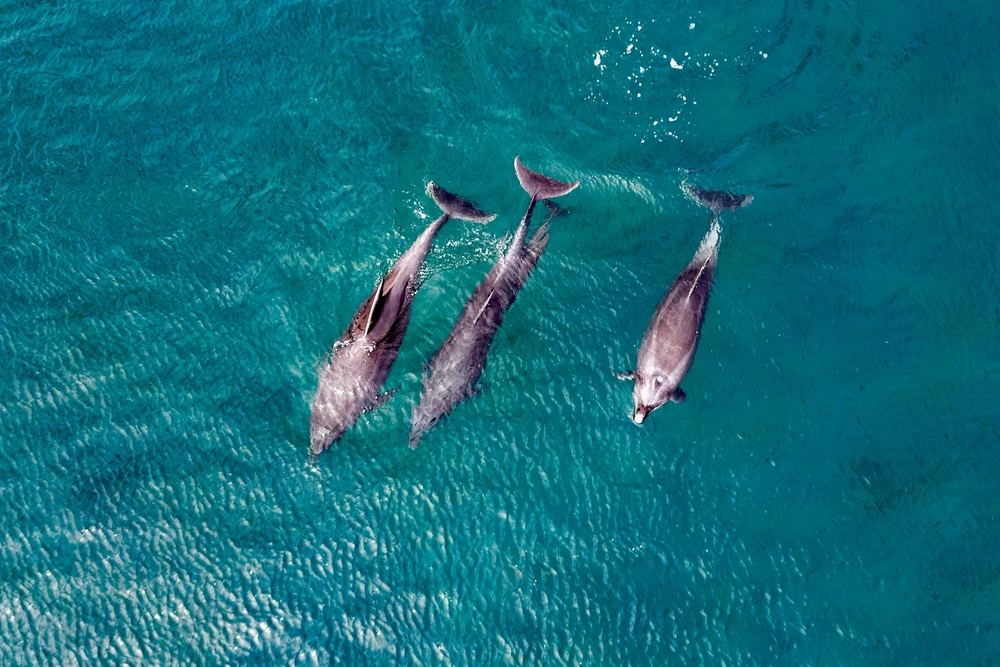
Wild dolphins are deeply social animals. They travel in pods, communicate through complex vocalizations, and can swim up to 30 miles in a single day. In captivity, their world often shrank to a fraction of that space. Tanks constructed of concrete and filled with chemically treated water replaced open ocean ecosystems.
Campaign research in Mexico found that more than 300 dolphins had been exploited in facilities over recent decades. Many were born into captivity through artificial breeding programs designed to sustain the supply chain after wild capture became more controversial.
Scientists and welfare advocates have documented a range of physical and psychological effects linked to confinement. These include chronic stress, abnormal repetitive behaviors, weakened immune systems, and increased vulnerability to disease. Dolphins rely heavily on echolocation, and constant mechanical noise from pumps, filtration systems, and crowds can create ongoing sensory stress.
The public image of a smiling dolphin masked these realities. A dolphin’s curved mouth is anatomical, not emotional. Beneath that permanent expression, some animals exhibited signs of depression and social withdrawal. There have been documented cases globally of dolphins in captivity refusing to breathe, a behavior interpreted by experts as severe psychological distress.
From Concrete Tanks to Sea Sanctuaries
The new Mexican law does not require an immediate release into open ocean waters. Experts widely agree that dolphins who have spent years in captivity may not survive a sudden transition to full independence. Many lack the survival skills necessary to hunt, navigate predators, or reintegrate into wild pods.
Instead, the law mandates relocation to sea pens and seaside sanctuaries. These are enclosed coastal areas where dolphins live in natural seawater, experience tides and currents, and have significantly more space to swim. Human interaction is limited to veterinary care and feeding. There are no performances, no tourist rides, and no commercial photo sessions.
The sanctuary model has precedent. The long journey of Keiko, the orca made famous by the film Free Willy, demonstrated both the complexity and the possibility of transitioning marine mammals from confinement toward greater freedom. Although Keiko’s case was unique and not without challenges, it reshaped public awareness about the ethics of captivity.
Under Mexico’s new framework, breeding is permanently banned. This means the current generation of captive dolphins will be the last. Over time, as these animals live out their natural lifespans in improved conditions, dolphinariums as an industry will disappear from the country.
Advocates stress that enforcement will be critical. Mexico has faced criticism in the past for environmental regulations that were unevenly applied. Activists are calling for strict monitoring, transparent reporting, and timely relocation to ensure that the law does not remain only on paper.
Economic Fallout and Tourism Reinvention
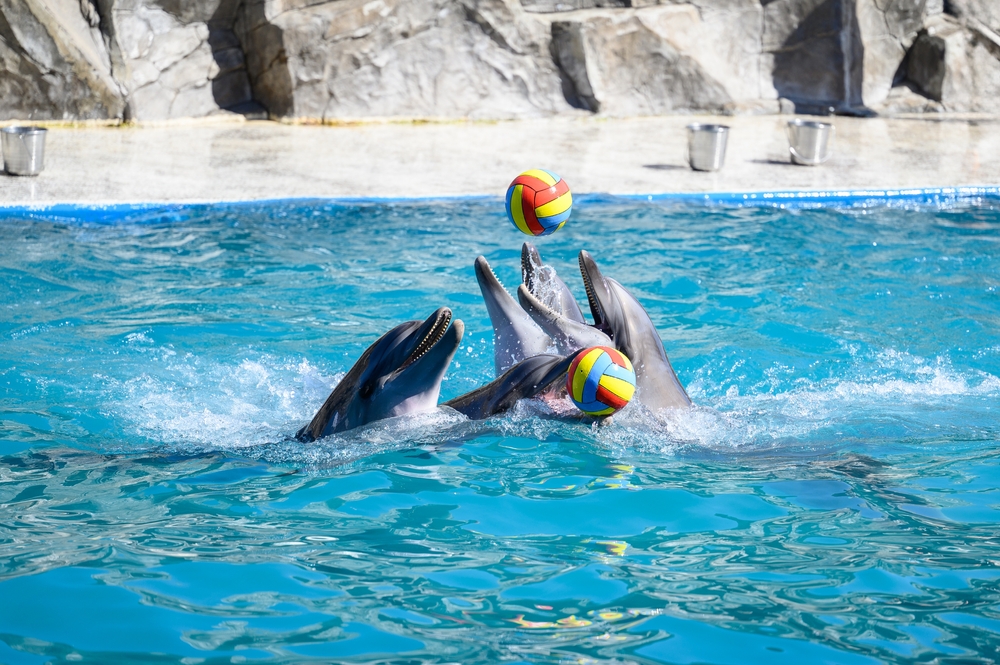
The ban represents a significant shift for Mexico’s tourism economy. Dolphin encounters were often marketed as bucket list experiences. Resorts integrated marine parks directly into their properties, offering package deals that included animal interactions alongside beach stays.
The sudden prohibition forces operators to pivot. Some facilities may close entirely, while others could attempt to rebrand as educational centers focused on conservation messaging without live performances. Jobs connected to dolphinariums will be affected, raising concerns about economic transition for local workers.
Yet tourism trends have been evolving for years. Public opinion in many countries has shifted sharply against marine mammal shows. Facilities in parts of Europe and North America have closed due to declining attendance and mounting criticism. Younger travelers in particular tend to prioritize ethical experiences and sustainability when choosing destinations.
Mexico’s move may position it as a leader in responsible tourism rather than a laggard clinging to outdated attractions. Whale watching excursions, marine conservation tours, and certified wildlife heritage areas offer alternatives that generate revenue without confining animals.
Responsible wildlife tourism operates under clear principles. Encounters take place in natural habitats. Animals are not coerced into interaction. Viewing distances are regulated to prevent stress. Local communities benefit economically from preserving ecosystems rather than exploiting them.
By redirecting investment toward eco tourism infrastructure, Mexico has an opportunity to strengthen its global reputation as a destination that values both biodiversity and visitor experience.
A Regional and Global Ripple Effect
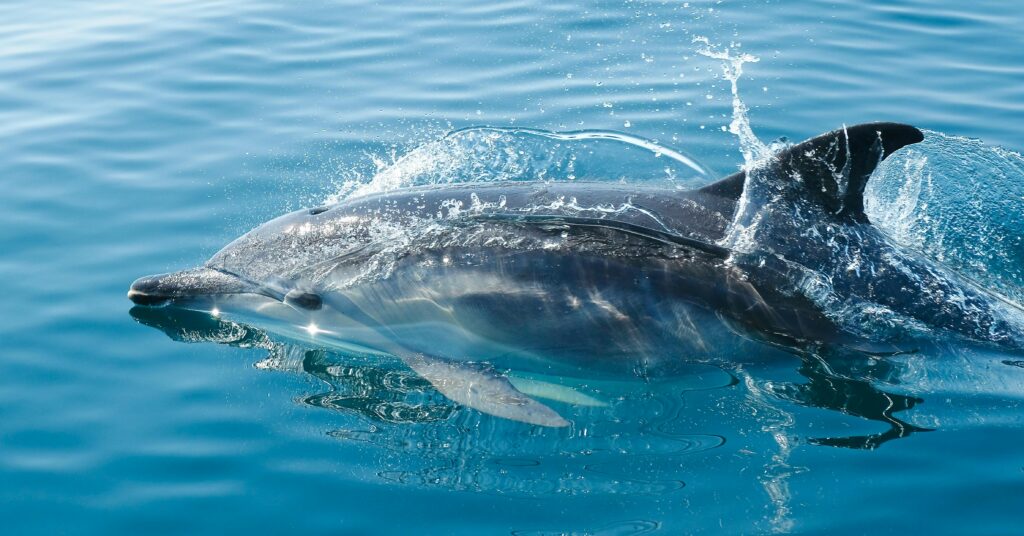
Mexico now joins Costa Rica and Chile as Latin American nations that have banned dolphin shows and captive breeding of cetaceans. In Canada and France, similar measures have phased out marine mammal captivity. Spain has banned wild animals in circuses but continues to allow dolphinariums, sparking ongoing debate.
The global conversation about animal entertainment has transformed over the past two decades. What was once widely accepted as wholesome family fun is increasingly viewed through a welfare lens. Scientific understanding of dolphin cognition has deepened. Studies show advanced problem solving skills, complex communication systems, and evidence of self awareness.
More than 100 scientists publicly condemned dolphin captivity in 2022, highlighting the psychological harm associated with confinement. Campaigns across Europe and the Americas have pressured governments to reevaluate outdated laws.
Mexico’s unanimous Senate vote sends a powerful signal. Political leaders from across party lines agreed that commercial exploitation of marine mammals no longer aligns with modern values. President Claudia Sheinbaum’s endorsement reinforces that message at the executive level.
International advocacy groups are watching closely. If implementation proceeds smoothly and sanctuaries prove effective, other nations may feel emboldened to follow suit. Conversely, if enforcement falters, critics may argue that sweeping bans are impractical.
The Ethics of Entertainment
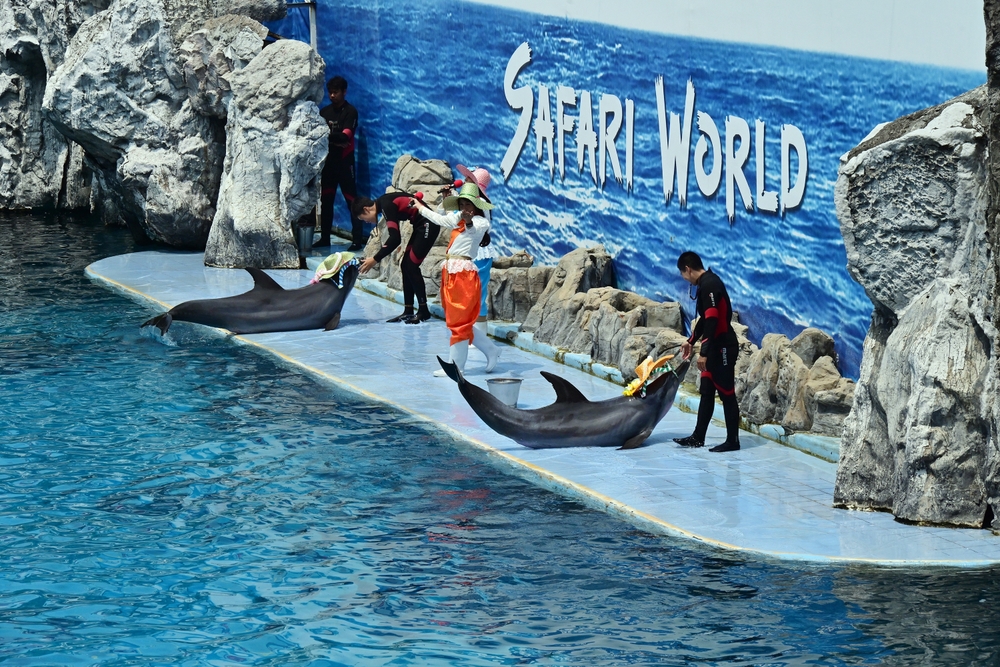
At the heart of this shift lies a deeper moral question about how humans relate to wildlife. Dolphins are apex predators with sophisticated social structures. In the wild, they cooperate in hunting, care for injured pod members, and communicate across vast distances using clicks and whistles.
Captivity reframed these animals as performers. Training often relied on food regulation to reinforce tricks. While facilities described these methods as positive reinforcement, critics argued that withholding food until a behavior was completed amounted to coercion.
Educational justifications have also been challenged. Observing a dolphin wave to a cheering crowd does little to teach viewers about migration patterns, foraging strategies, or complex pod dynamics. Marine explorer Jacques Cousteau once compared studying dolphins in captivity to studying humans in solitary confinement.
The new Mexican law effectively rejects the notion that entertainment can justify lifelong confinement. It recognizes dolphins as sentient beings whose welfare must be prioritized over spectacle.
Implementation Challenges Ahead
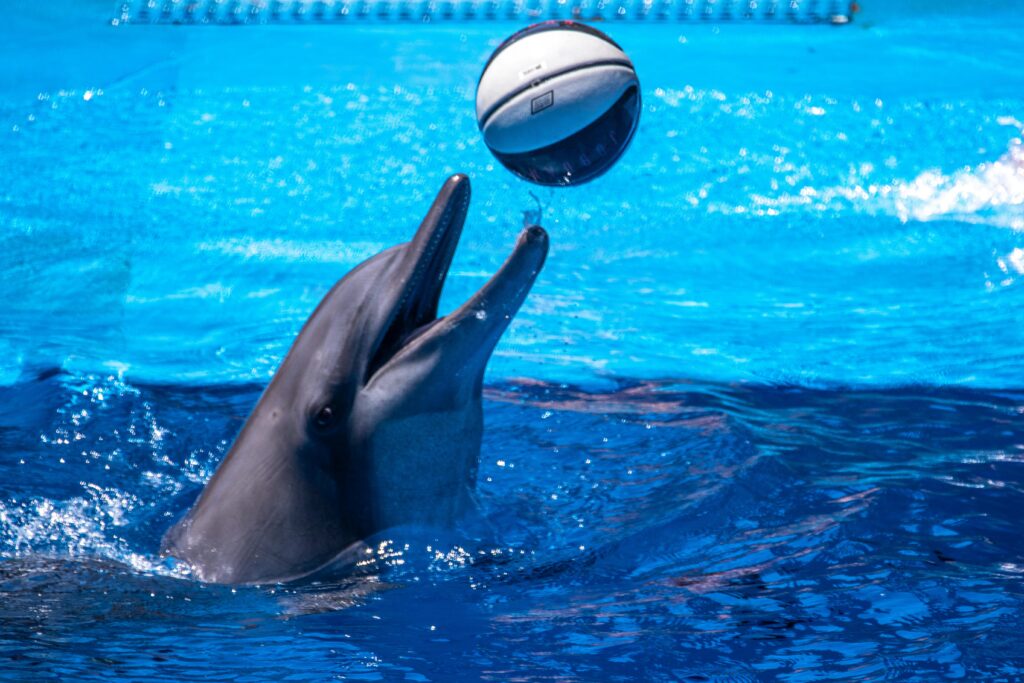
Transforming legislation into reality will require logistical coordination and sustained oversight. Building or expanding sea sanctuaries demands significant funding. Veterinary teams must assess each dolphin’s health, age, and social compatibility before relocation.
Transport itself poses risks. Moving large marine mammals safely involves specialized equipment, careful acclimatization, and continuous monitoring. Facilities must comply within the mandated timeframe, and authorities must verify that new enclosures meet environmental standards.
There is also the question of long term financial support. Sanctuaries are not profit driven enterprises. They require ongoing resources for food, medical care, and maintenance. Advocacy groups have urged the government to collaborate with nonprofit organizations and international partners to ensure stable funding streams.
Public transparency will be essential. Regular updates on relocation progress, welfare assessments, and compliance audits can build trust and deter potential backsliding. The eyes of the world are on Mexico, and success could redefine global norms.
A Cultural Shift in Motion
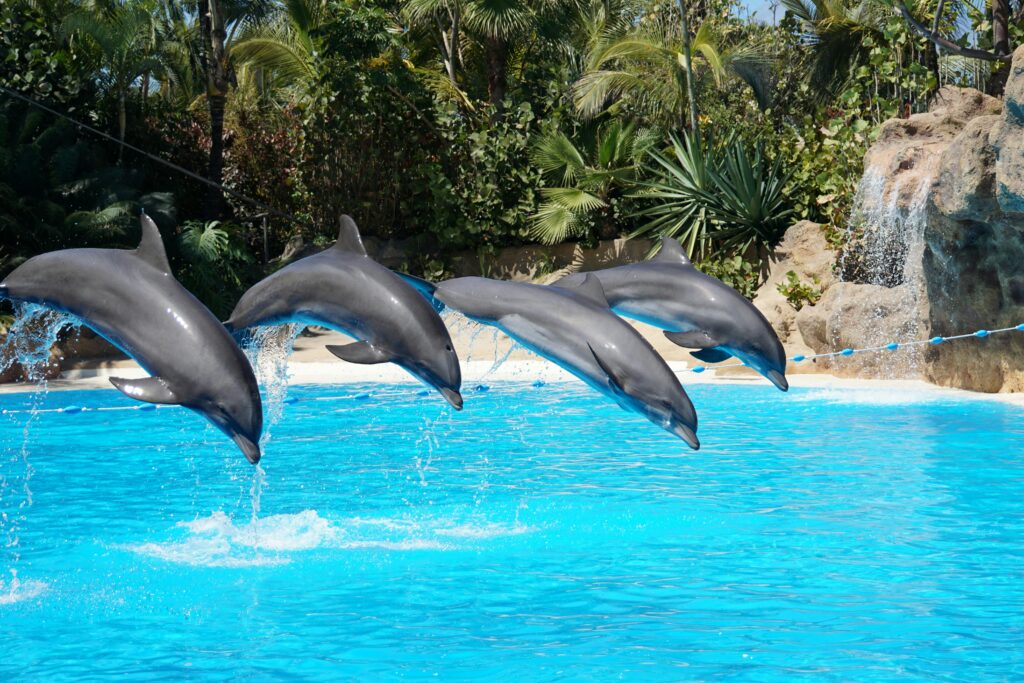
Perhaps the most profound impact of this decision lies not in the relocation of 350 dolphins but in the cultural transformation it represents. Public outrage in the Riviera Maya following controversies at a local dolphinarium accelerated political momentum. Citizens demanded accountability. Social media amplified voices that once struggled to be heard.
Younger generations increasingly question attractions that rely on animal confinement. Travel influencers now promote wildlife encounters rooted in respect rather than dominance. Families are reconsidering what kind of memories they want to create.
The dolphins currently awaiting relocation have already endured years in tanks. Their move to sea pens will not erase that history. But it may restore a measure of autonomy and environmental stimulation that has long been denied.
Over time, as sanctuaries replace shows and ethical tourism expands, the image of dolphins leaping for fish rewards in chlorinated pools may fade into history. In its place could emerge a new narrative centered on coexistence.
The Beginning Of The End For Captivity
The relocation of 350 dolphins symbolizes more than regulatory reform. It reflects an acknowledgment that intelligence and emotional complexity demand respect. It affirms that economic benefit does not automatically outweigh welfare concerns.
There will be challenges ahead. Enforcement must remain vigilant. Sanctuaries must be adequately funded and maintained. Tourism models must adapt. But the direction is clear.
For travelers, the message is equally powerful. Choosing wildlife experiences that prioritize conservation over captivity reinforces the shift. Supporting operators that respect natural habitats encourages sustainable alternatives.
Mexico’s decision may not solve every issue related to marine conservation. Ocean pollution, overfishing, and habitat degradation remain urgent threats. Yet by removing entertainment driven confinement from its tourism landscape, the country has taken a decisive step.
As the first dolphins begin their transition from concrete tanks to coastal sanctuaries, the symbolism resonates far beyond Mexico’s borders. It suggests that empathy can influence policy, that public voices can reshape industries, and that freedom, even partial and carefully managed, is preferable to spectacle.
The tide is turning. And for hundreds of dolphins who once performed under artificial lights, a different horizon is finally coming into view.