

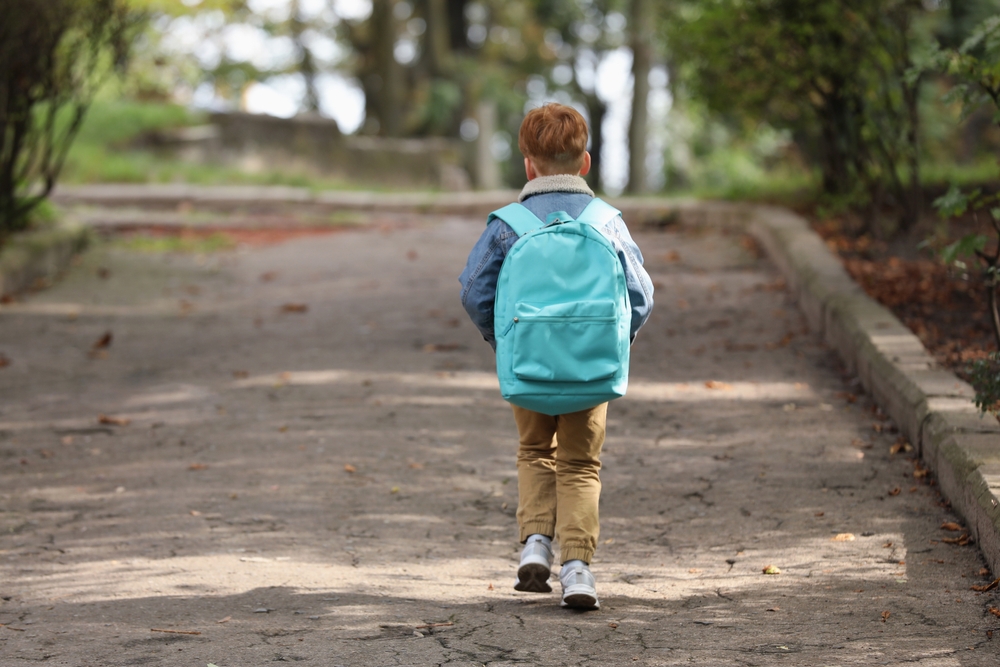
Millennials Reveal What School Life Was Really Like Without Water Bottles
If you walk into almost any classroom today, one thing stands out immediately. Rows of colorful, oversized water bottles sit proudly on desks like essential school supplies. Some are clipped to backpacks, others are carefully labeled, and many are treated with the same level of importance as textbooks or tablets.
For today’s kids, staying hydrated is not just encouraged. It is expected.
But a viral conversation online has people taking a step back and reflecting on a very different childhood. A time when water bottles were rare, hydration was limited, and somehow, millions of kids still made it through the school day just fine.
What started as a simple question has now turned into a full-blown generational debate. Were kids tougher back then, or are we just more aware now?
A Simple Question That Opened the Floodgates
The discussion began when a teacher from the Bored Teachers TikTok page posed a question that instantly struck a nerve among viewers over 30. She asked whether anyone remembered being allowed to bring a water bottle into their elementary school classroom.
The answer, for most, was a firm no.
The video quickly gained traction, pulling in over a million views and sparking a wave of nostalgia. People began sharing their own memories of school life in the 80s and 90s. It painted a picture that feels almost unrecognizable today.
Instead of constant access to water, kids relied on scheduled breaks, shared fountains, and a bit of patience.
What made the conversation so compelling was how universal the experience felt. People from different regions, schools, and backgrounds all seemed to share the same memory. No bottles, no refills, no reminders to hydrate.
The Three-Second Rule at the Water Fountain
One of the most relatable memories shared in response to the video was the experience of using the school water fountain.
For many, this was not a calm or leisurely moment. It was a high-pressure situation.
Students would line up after recess, often exhausted and thirsty. When it was finally their turn, they had only a few seconds to drink before the next person started counting down behind them.
Some described it as chaotic and competitive. Others compared it to a survival challenge.
A millennial commenter joked that it felt like a battle scene. Kids would rush forward, elbows out, trying to get their turn before time ran out. There were stories of classmates kicking the backs of knees, pushing forward, or even interfering with the water stream just to move the line along.
Another user described how someone would always try to block the fountain stream with their finger, making it even harder to get a proper sip.
And once your turn was over, that was it. You had to wait until the next break or lunchtime.
Looking back, many find it hilarious. At the time, it felt completely normal.
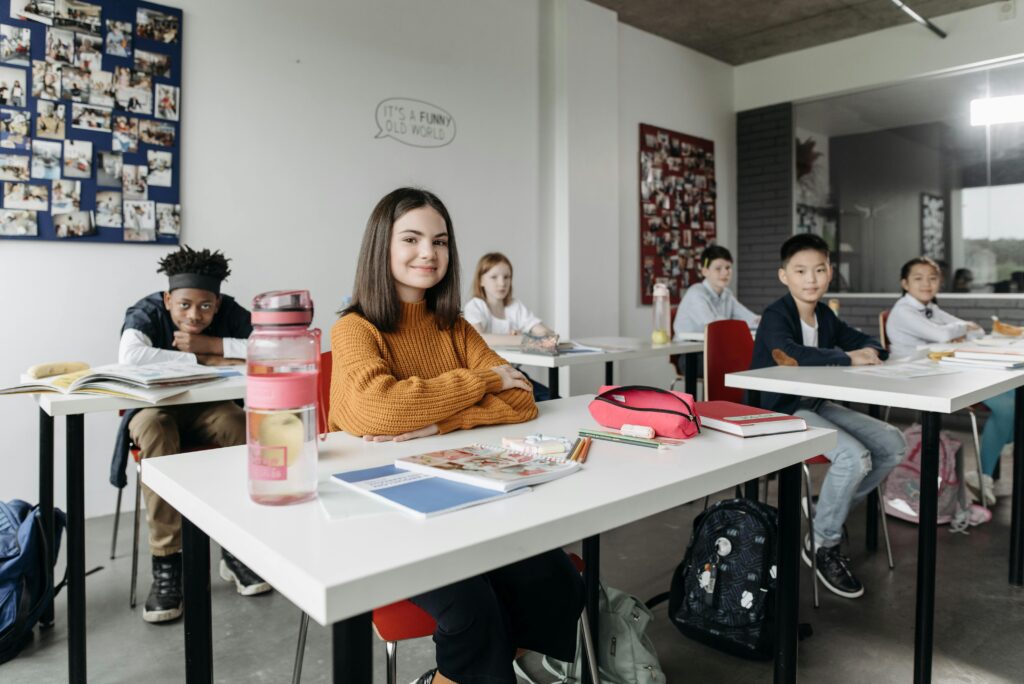
Life Without Water Bottles
Beyond the fountain, there was a general absence of water throughout the school day.
Kids did not carry bottles. There were no hydration reminders. There were no refill stations.
Instead, hydration looked something like this:
- Drinking quickly at a fountain between classes
- Waiting until lunch for a small milk carton
- Going the entire school day with minimal fluids
Outside of school, things were not much different.
Many remember drinking from garden hoses while playing outside, often without a second thought. Others recall that water was not even the preferred choice at home.
Common drinks included:
- Kool-Aid or Tang
- Milk with meals
- Occasional soda
Water was simply not part of the daily routine in the same way it is today.
The Garden Hose Era

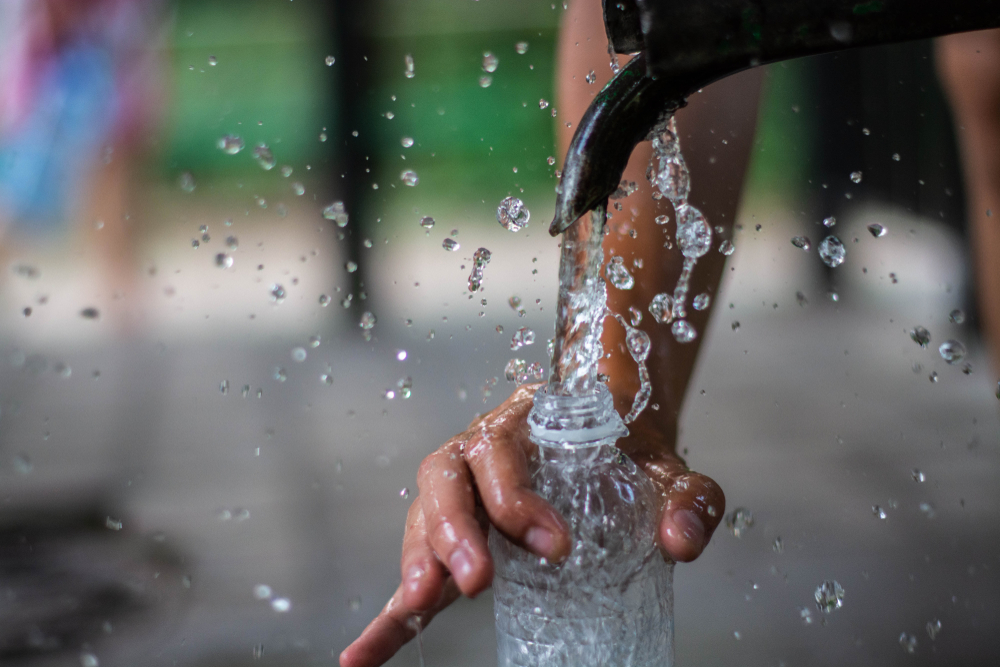
One of the most iconic images from this era is kids drinking straight from a garden hose.
It sounds strange by today’s standards, but at the time, it was completely normal.
After hours of playing outside, kids would run to the nearest hose, turn it on, and drink without hesitation. There were no concerns about filters, insulation, or temperature control.
The water was often warm at first, sometimes metallic in taste, but it did not matter. It was available, and that was enough.
This simple act has become a symbol of a more carefree and less structured childhood.
Hydration Was Not a Priority Back Then

Looking back, many millennials and Gen X adults admit that water simply was not a big part of their daily routine.
Instead of carrying bottles, kids relied on whatever drinks were available during meals or at home.
Some even joke that they grew up perpetually dehydrated and just did not realize it.
One viral comment summed it up perfectly. Someone said they do not remember drinking water as a kid at all unless it came from a hose.
Another joked that the reason kids behaved better back then was because they were too dehydrated to cause trouble.
While exaggerated, these comments highlight a real difference in habits.
The Rise of the ‘Emotional Support’ Water Bottle
Fast forward to today, and the contrast could not be clearer.
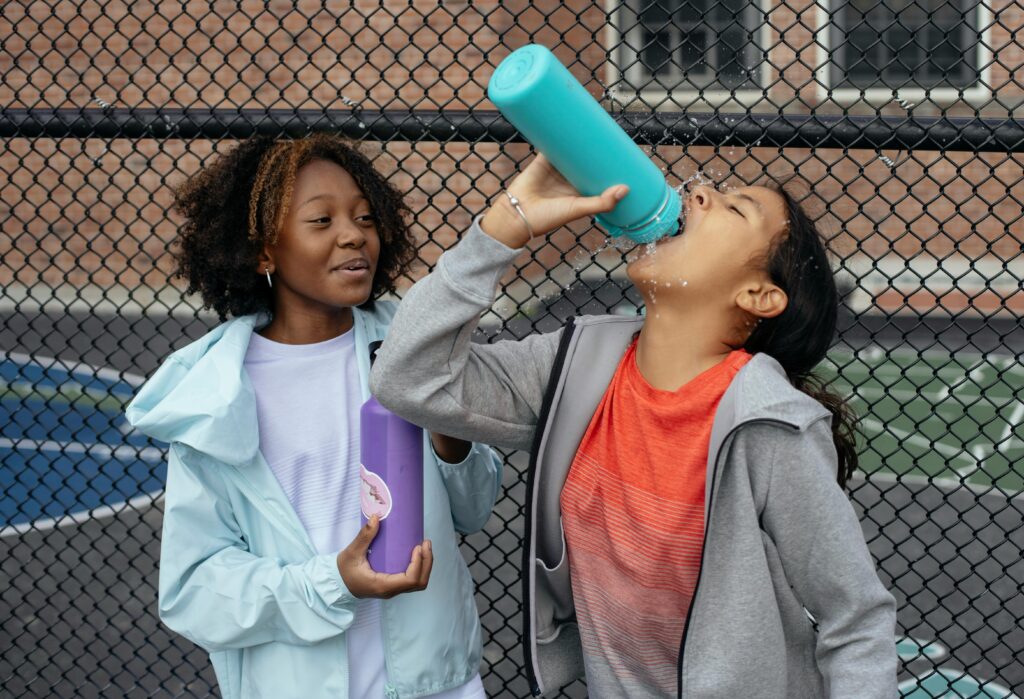
Children are now encouraged to carry water bottles everywhere they go. Not only that, but these bottles have become a kind of personal statement.
From insulated designs that keep drinks cold all day to trendy brands that signal identity, the modern water bottle is both practical and cultural.
For many kids, their bottle is always within reach. It sits on their desk, travels with them between classes, and even follows them into extracurricular activities.
Adults are no different.
Many millennials now carry large bottles daily, often joking that they are making up for lost time. The phrase “emotional support water bottle” has become a popular way to describe this habit.
When Hydration Became a Trend

Hydration is no longer just about health. It has become a lifestyle.
In recent years, reusable bottles have evolved into status symbols. Certain brands and designs are instantly recognizable, and owning them can feel like being part of a trend.
There have even been reports of people lining up outside stores to buy limited edition bottles, with some going to extreme lengths to secure them.
This level of enthusiasm has led some to question whether the trend has gone too far.
Is it really about hydration, or has it become something else entirely?
Why Did Things Change So Dramatically?
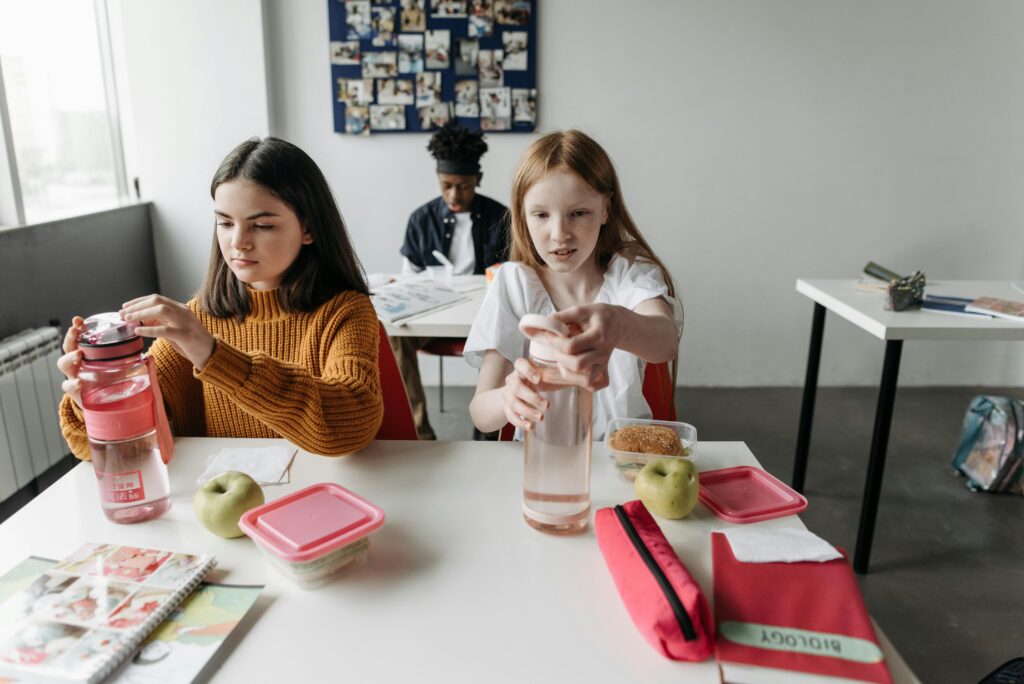
The shift from limited access to constant hydration did not happen overnight. Several factors contributed to this transformation.
Increased Health Awareness
Modern research has emphasized the importance of hydration for focus, energy, and overall health. Parents and educators now prioritize ensuring that children drink enough water throughout the day.
Marketing Influence
The bottled water industry grew rapidly in the late 1990s and early 2000s. Over time, reusable bottles became part of everyday life, supported by branding and lifestyle marketing.
Hygiene Concerns
Shared water fountains, once a normal part of school life, are now viewed differently. Concerns about cleanliness have led many schools to reduce their use or replace them with refill stations.
Policy Changes in Schools
Many schools now allow or encourage students to bring their own water bottles. This gives kids the freedom to drink when they need to, rather than waiting for scheduled breaks.
The Science Behind Hydration

One interesting aspect of this conversation is how science has shaped modern habits.
While staying hydrated is important, experts have also pointed out that the idea of constantly needing to drink water is sometimes overstated.
The human body is quite good at signaling when it needs hydration. Thirst is a natural indicator.
However, modern advice often encourages people to drink water regularly, even before they feel thirsty. This has contributed to the habit of carrying water at all times.
The truth lies somewhere in the middle. Hydration matters, but it does not necessarily require constant sipping throughout the day for everyone.
Nostalgia and the Idea of a ‘Tougher’ Childhood
Part of what makes this topic resonate is nostalgia.
For many adults, memories of waiting in line at the water fountain or drinking from a hose are tied to a simpler time. These moments represent a childhood that felt less monitored and more independent.
There is a tendency to view the past through a lens that highlights resilience.
Some people argue that kids were tougher back then because they had fewer comforts. Others believe that today’s kids benefit from better awareness and care.
Both perspectives hold some truth.
Were Kids Actually Better Off Then?
This question often comes up in discussions like these.
On one hand, children today have better access to basic needs, including water. This supports their health, focus, and well-being.
On the other hand, the structured and highly monitored nature of modern childhood can feel overwhelming compared to the freedom of the past.
The comparison is not about which generation had it better. It is about understanding how priorities have shifted.
The Psychology Behind Overcorrection
One reason for the dramatic shift may be overcorrection.
When a previous generation identifies something that could have been improved, the next generation often swings in the opposite direction.
In this case, limited hydration in the past may have led to an increased emphasis on constant hydration today.
This pattern can be seen in many areas of life, from parenting styles to education.
Lessons We Can Take From Both Generations
The viral discussion about water bottles is not really about water. It is about balance.
There are valuable lessons to take from both past and present approaches.
From the 90s:
- Adaptability and resilience
- Simplicity in daily routines
- Shared experiences that built community
From today:
- Greater awareness of health and well-being
- Improved access to basic needs
- Better understanding of long-term habits
The goal is not to choose one over the other, but to learn from both.
Why This Conversation Feels So Relatable
At its core, this viral moment resonates because it highlights how quickly everyday life can change.
Something as simple as drinking water has transformed from an occasional activity into a constant habit.
For older generations, it is a reminder of how different childhood once felt. For younger people, it offers a glimpse into a world that seems almost unbelievable.
It also creates a shared moment of reflection, where people can laugh, compare experiences, and question how things have evolved.
From Water Fountains to Water Bottles
The story of how 90s kids survived without water bottles is both humorous and revealing.
It shows how much everyday habits can change within a single generation. It also highlights how quickly those changes can feel normal.
Children today are not wrong for carrying water bottles, just as previous generations were not wrong for relying on fountains and scheduled breaks.
Each era reflects its own priorities, knowledge, and culture.
In the end, this viral conversation is not about proving which generation had it better. It is about understanding how we got here and what we can learn along the way.
And maybe, it leaves us with one simple thought.
Sometimes, progress is not just about adding more. It is about knowing when enough is enough.