

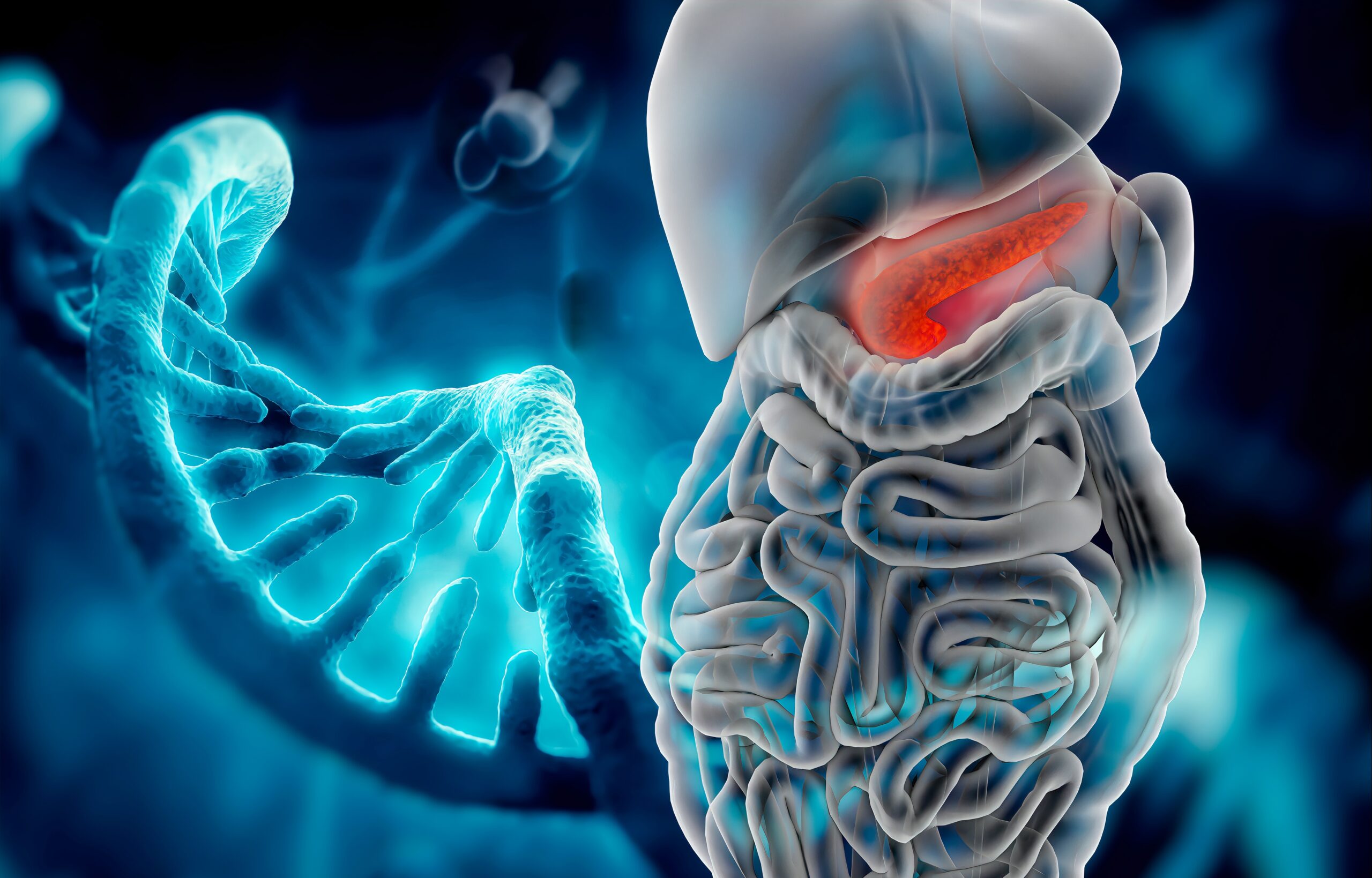
Researchers Finally Uncover Promising New Strategies to Outsmart Aggressive Pancreatic Cancer
When the words “advanced pancreatic cancer” are spoken, the world seems to stop, and the weight of the diagnosis can feel like an unmovable mountain blocking out the sun. For decades, the narrative has been written in grim statistics and fear, leaving many to feel like powerless passengers on a sinking ship. But what if the battlefield is finally shifting beneath our feet?
We are standing on the precipice of a new era where the fight is no longer just about blunt force, but about precision, hidden biological keys, and a reawakening of the human spirit that challenges everything we thought we knew about this disease.
The Two Faces of Advanced Pancreatic Cancer

Hearing the words “advanced pancreatic cancer” can feel like the ground is suddenly disappearing beneath your feet. It is a heavy weight to carry, and it is completely normal to feel overwhelmed. But to win any fight, you have to know exactly what you are up against. This disease is not just a single tumor; it is a battle that must be fought on two different fronts.
First, there is the local front. This is the visible tumor in the pancreas. When doctors catch this early, surgery can often remove it completely. But the second front is where things get tricky. This is the systemic disease, the microscopic cells that travel silently through the blood.
Dr. Kelly Lafaro, a surgical oncologist at Johns Hopkins, uses a perfect comparison to explain why this happens. She says to think of these cells like dandelion seeds. You might pull the weed from the ground, but if the wind has already blown, invisible seeds land in other parts of the garden. They hide in the liver or lungs, waiting for the right conditions to grow.
This “invisible” nature is why the statistics can look scary, with survival rates historically stuck around 13 percent. But remember that numbers are just data; they are not your destiny. Understanding the difference between the tumor you can see and the seeds you cannot is the first step in taking back control. It shifts the focus from fear to knowledge, preparing you for the strategy ahead.
Tailoring the Fight to Your Body

Once the battlefield is understood, the next step is selecting the right tools for the fight. For those caught in the early stages where the disease is contained, surgery is often the sharpest weapon. Procedures like the Whipple operation, which removes tumors in the head of the pancreas, or a distal pancreatectomy for tumors in the tail, aim to cut out the disease entirely. Surgeons have spent decades refining these complex operations to make them safer and more effective.
However, when the cancer has spread beyond the reach of a scalpel, the strategy shifts. Chemotherapy becomes the primary line of defense. Think of it as a hunter that travels through the bloodstream to seek out those hidden cells wherever they might be.
Doctors currently rely on two main standards of care. The first is FOLFIRINOX. This is a four-drug powerhouse. It is aggressive and often highly effective, acting like heavy artillery. But this power comes with a price, and it requires a body strong enough to handle the physical toll.
The second option is a combination of Gemcitabine and Nab-Paclitaxel. This two-drug team is a solid choice for those who need a slightly gentler approach, often suitable for older patients or those with other health concerns.
The decision is never just about picking the strongest medicine available. It is about looking at the human being in front of the chart. It comes down to performance status, which is how well a person functions in daily life. The ultimate goal is to strike a perfect balance: hitting the cancer as hard as possible while protecting the quality of the life you are fighting to save.
Treating the Person, Not Just the Disease
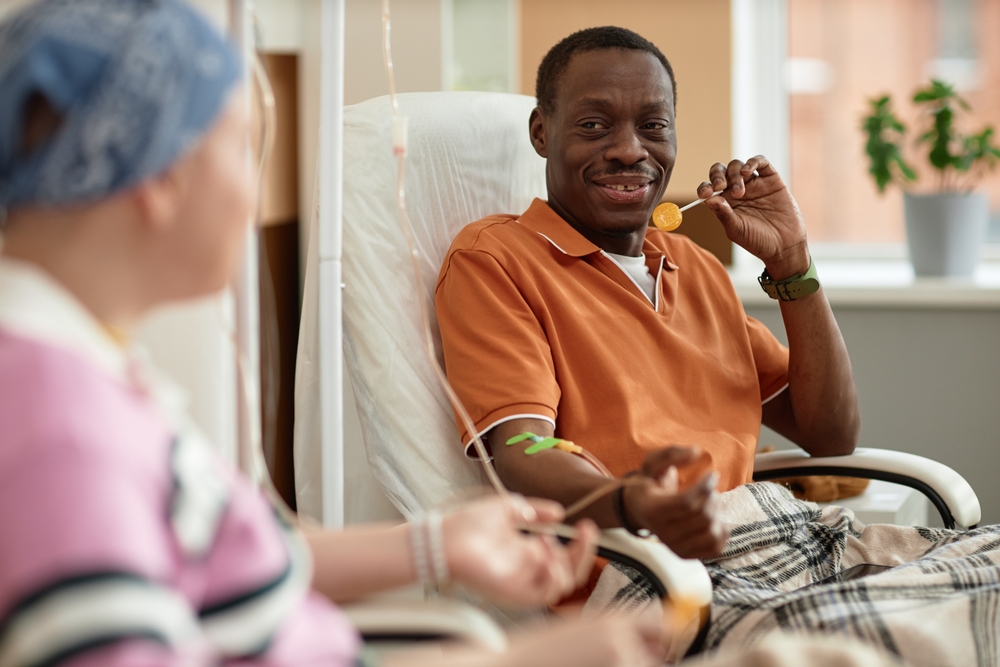
Treating cancer was like using a sledgehammer to crack a nut. It was powerful, but it was not precise. Today, we are entering a smarter era called personalized medicine. This approach does not look at the cancer as a faceless enemy. It looks at the unique genetic fingerprint of the specific tumor inside the body.
Think of the cancer cell as having a specific lock on its door. Standard chemotherapy tries to kick the door down. Personalized medicine finds the exact key that fits that lock. This starts with genomic testing, which decodes the instruction manual of the cancer.
Scientists look for specific clues, or biomarkers. For example, some tumors have BRCA mutations, which break the cell’s ability to repair itself. Others have a feature called MSI-H, which is like a faulty spell-checker in the DNA. Finding these is like finding an Achilles’ heel.
Once the weakness is found, doctors can use precision tools. For BRCA mutations, drugs called PARP inhibitors block the backup repair systems, causing the cancer to self-destruct. For MSI-H, immunotherapy takes the brakes off the immune system so it can finally see the cancer and attack it. This is why asking for a genomic test early is not just a medical step. It is the game-changer that turns a blind fight into a targeted strike.
Beyond Chemicals and Scalpels
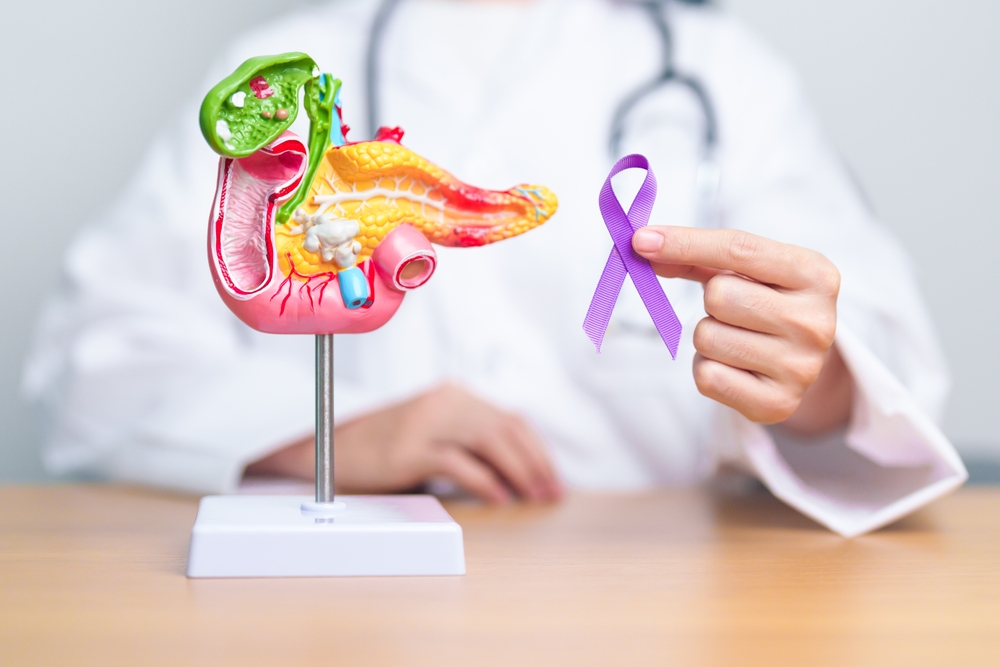
The tools to fight this disease were limited to what could be cut out or poisoned. But science does not stand still. It pushes boundaries. Today, researchers are looking beyond traditional medicine to use the forces of physics and the body’s own intelligence.
Imagine a treatment that is not a drug, but a wearable device. This is the promise of Tumor-Treating Fields. Cancer cells act like factories that never close. They divide furiously to grow, a process that requires a perfectly organized assembly line inside the cell. This new device creates invisible electrical fields that jam those gears. It disrupts the assembly line so the cancer cannot multiply, while leaving normal, healthy cells alone. Recent studies have shown that for certain patients, this “electric” approach can significantly extend survival.
Then there is the sleeping giant inside us all: the immune system. Usually, pancreatic cancer is good at hiding from the body’s defenses. But new therapeutic vaccines are changing that. Unlike a flu shot that prevents illness, these vaccines act like a “wanted” poster. They show the immune system exactly what the cancer looks like, training the body to hunt down the enemy it was previously ignoring.
From electrical fields to re-engineering our own cells, the landscape is shifting. We are moving toward a future where the patient’s body is not just a vessel for medicine, but an active participant in its own rescue.
Taking Back the Captain’s Wheel

Medical science focuses intently on the tumor, but true healing must focus on the person holding the diagnosis. In the rush to attack the disease, the human spirit can sometimes feel lost in the shuffle. This is where the most critical shift in mindset happens. It is the realization that the patient is not a passive passenger, but the captain of the ship.
This journey requires a strong crew, and that includes an ally often misunderstood: palliative care. Many hear this term and immediately think it means giving up or preparing for the end. That is a dangerous myth. Palliative care is actually about living well right now. It is a specialized layer of support that runs parallel to treatment, managing pain, stress, and nutrition. Since the pancreas creates enzymes to digest food, many patients need enzyme replacement therapy to maintain the strength required to fight. This is not surrendering; it is reinforcing the walls of the fortress.
Taking control also means asking the hard questions. Do not hesitate to seek a second opinion. It is not an insult to a doctor; it is a necessary step to confirm a diagnosis or uncover new options like clinical trials. These trials are often where tomorrow’s cures are available today.
A diagnosis is a heavy chapter, but it is not the whole book. Knowledge is the fuel that turns fear into action. By understanding the options, prioritizing quality of life, and demanding holistic care, the narrative changes. You are not just a statistic on a page. You are an active participant in your own survival.
Featured Image Source: Shutterstock